West Africa's historic slave sites bear witness to brutal trade
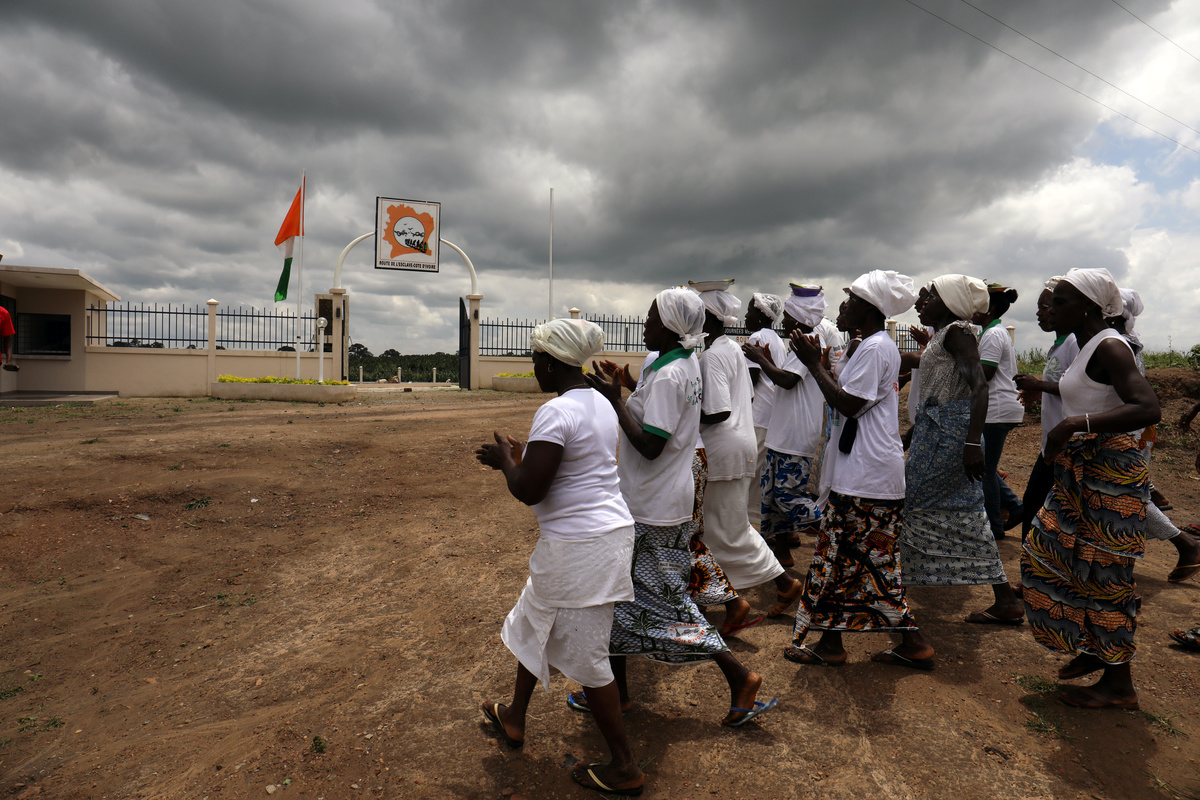
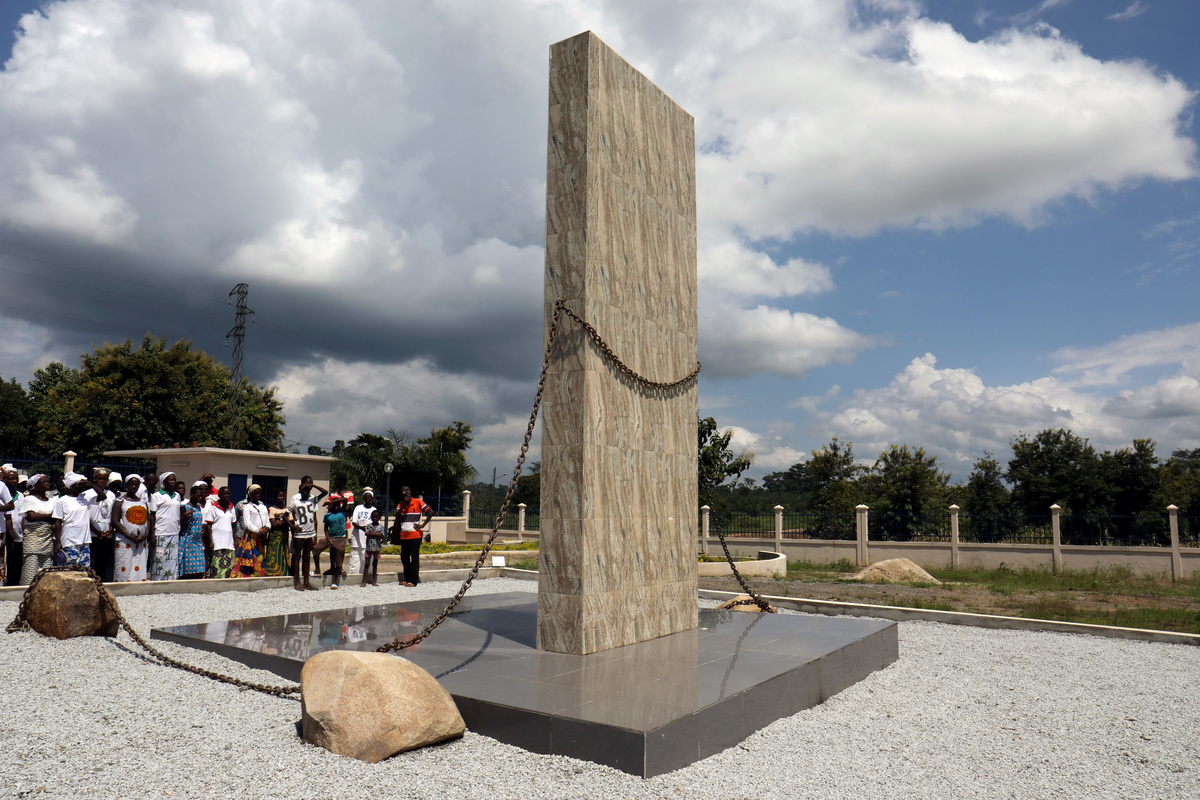
Women in procession dance outside a slavery memorial site near the Bodo river in Kanga Nianze village, in Tiassale, Ivory Coast, July 21, 2019. REUTERS/Luc Gnago
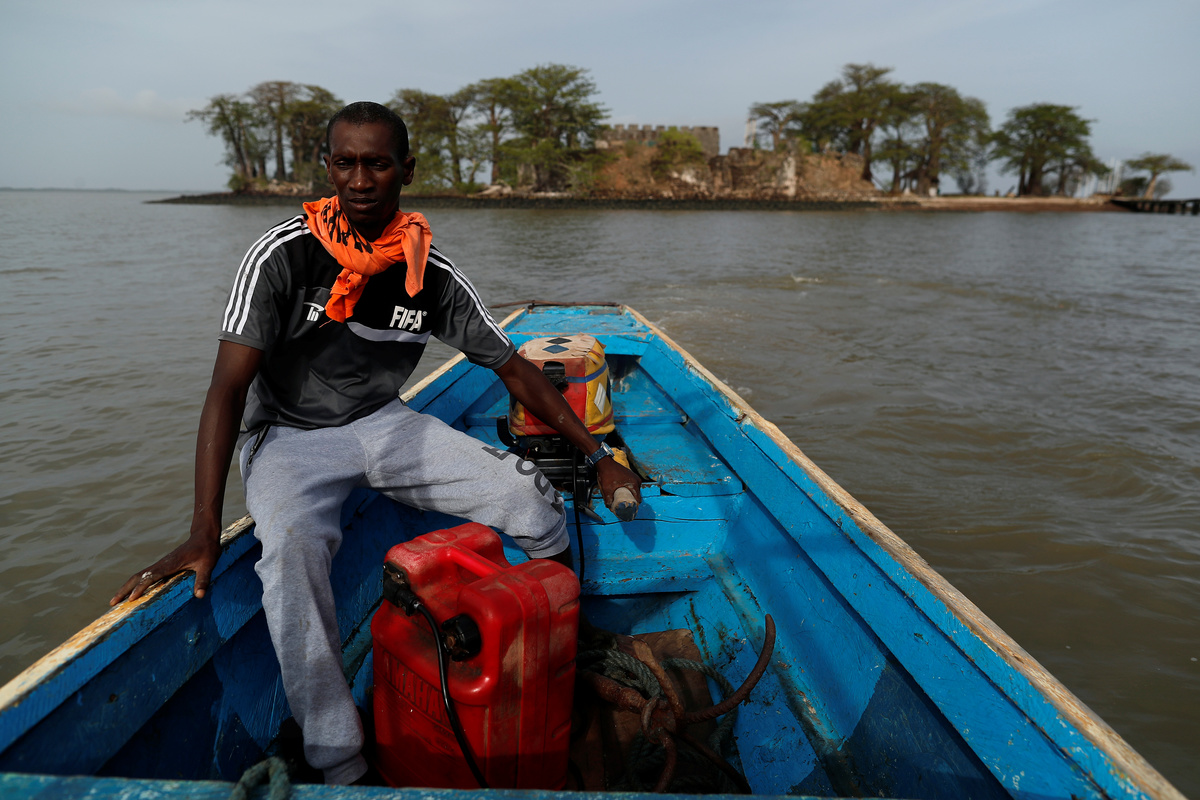
KUNTA KINTEH ISLAND, Gambia (Reuters) - When Gambian boat captain Abdoulie Jabang ferries visitors to Kunta Kinteh island he tells them that the waves lapping the shores of the former slave site threaten to wash history away.
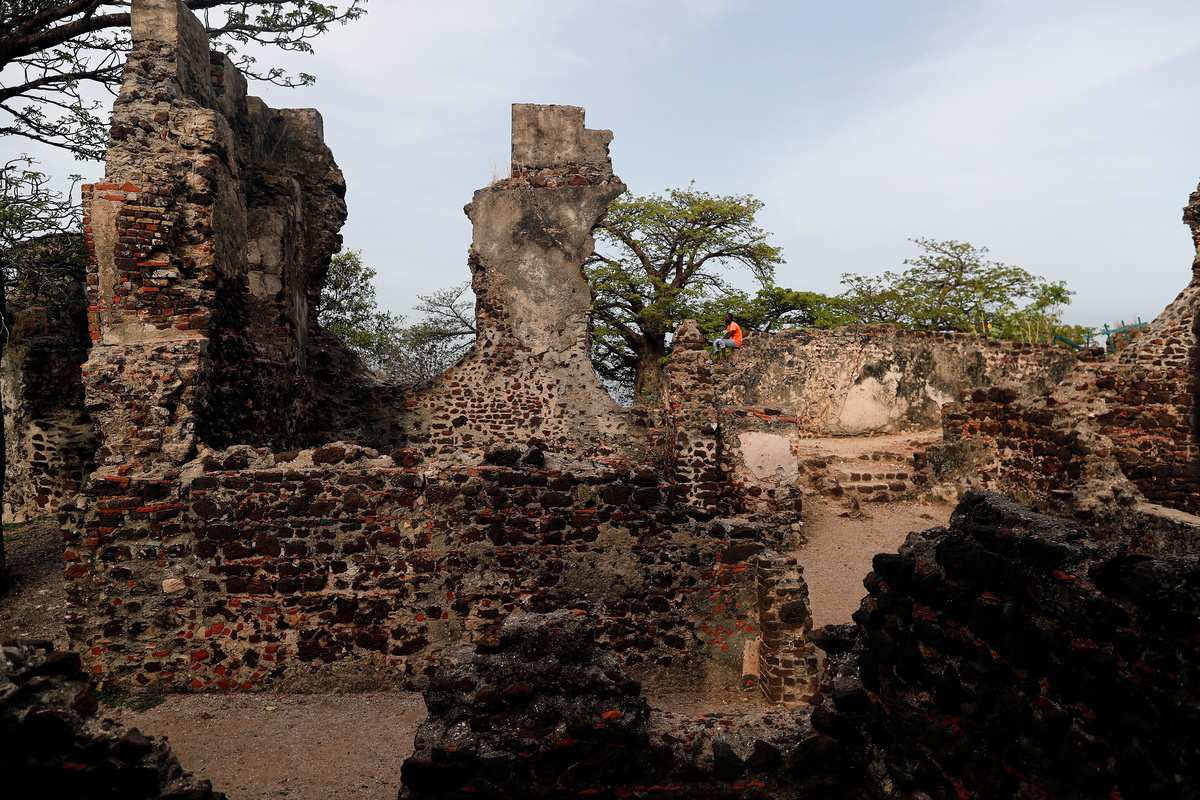
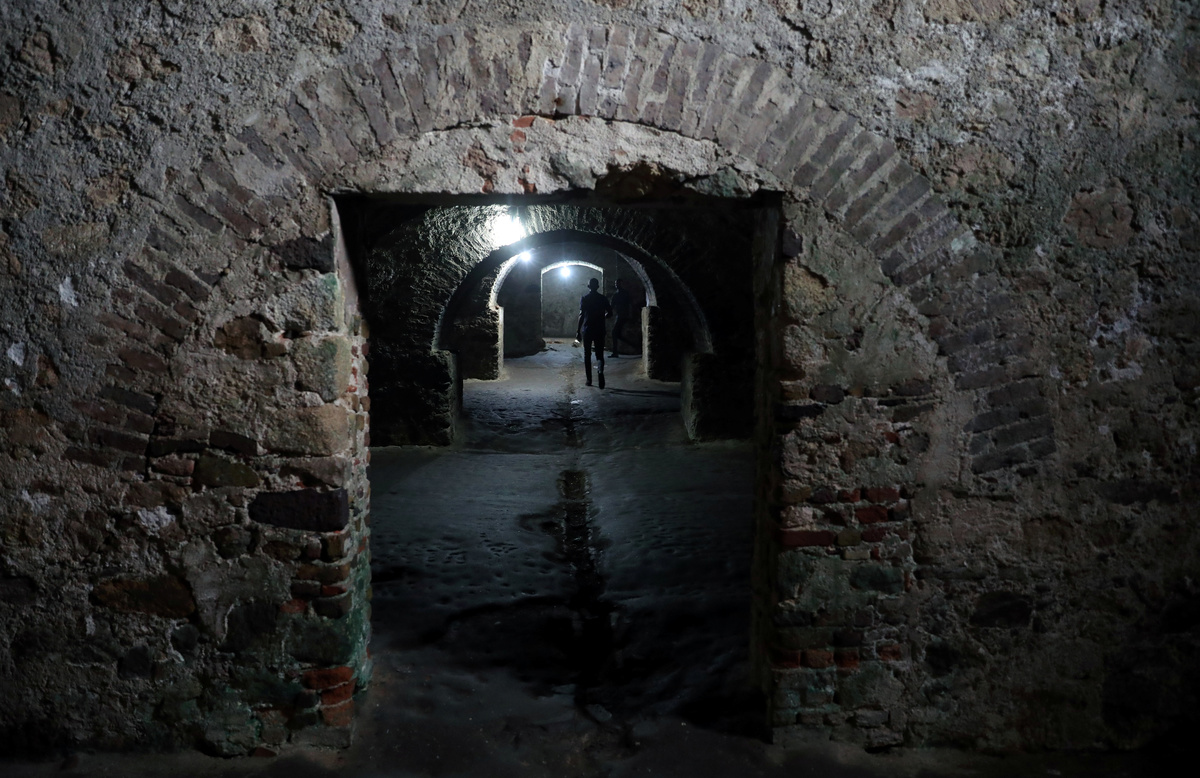
Situated at the mouth of the Gambian river, the island is home to one of the many forts that dot the West African coast - crumbling reminders of the centuries-long transatlantic slave trade that tore millions of Africans from their homes.
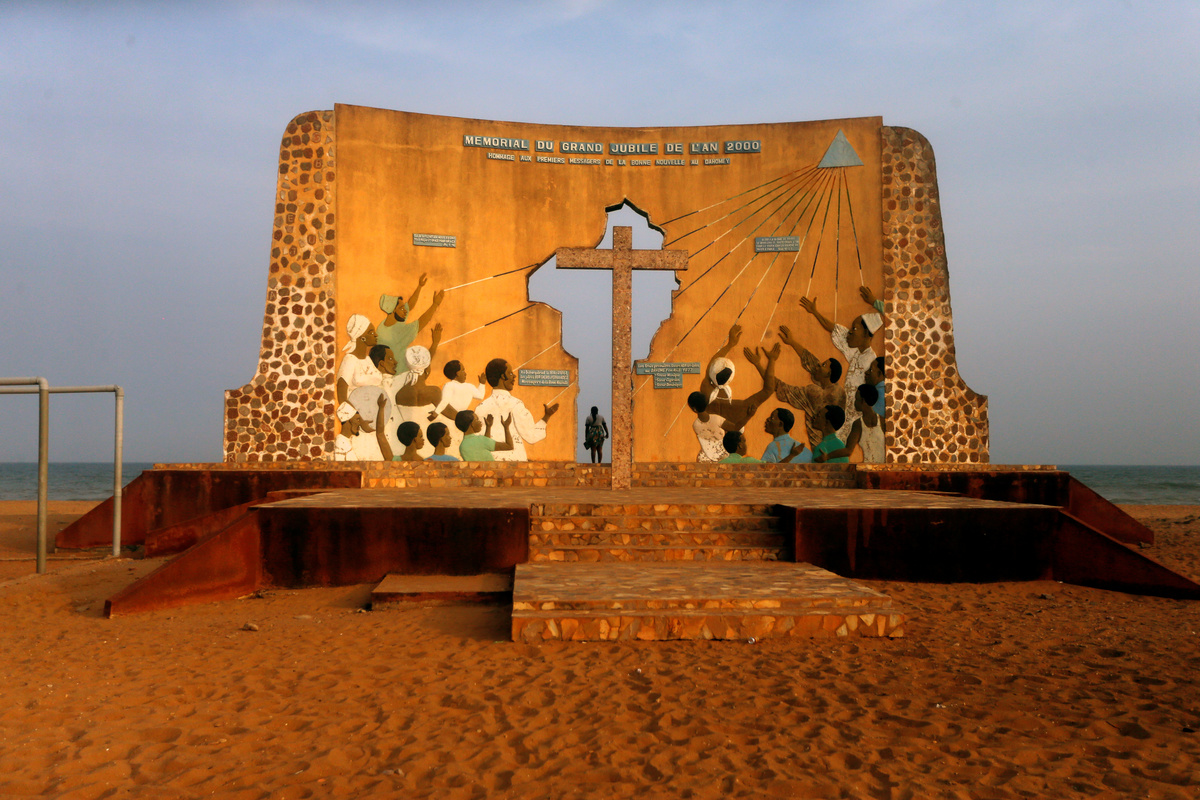
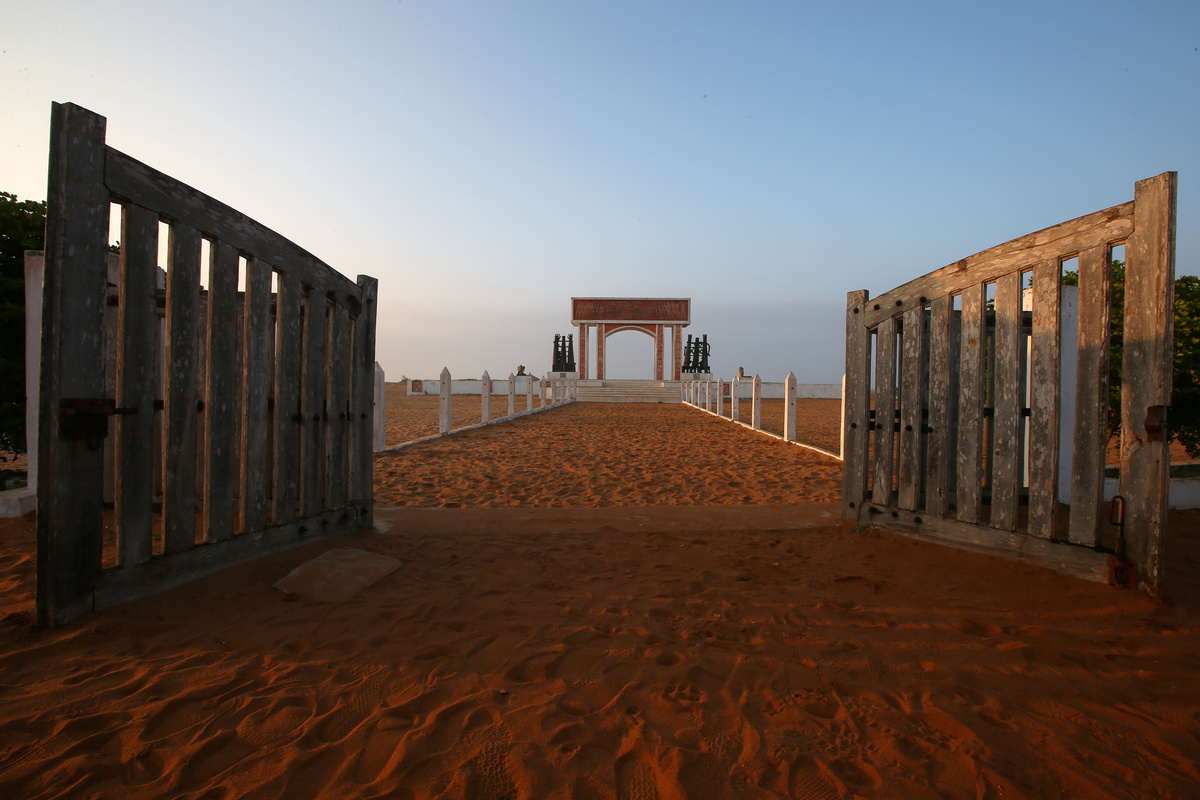
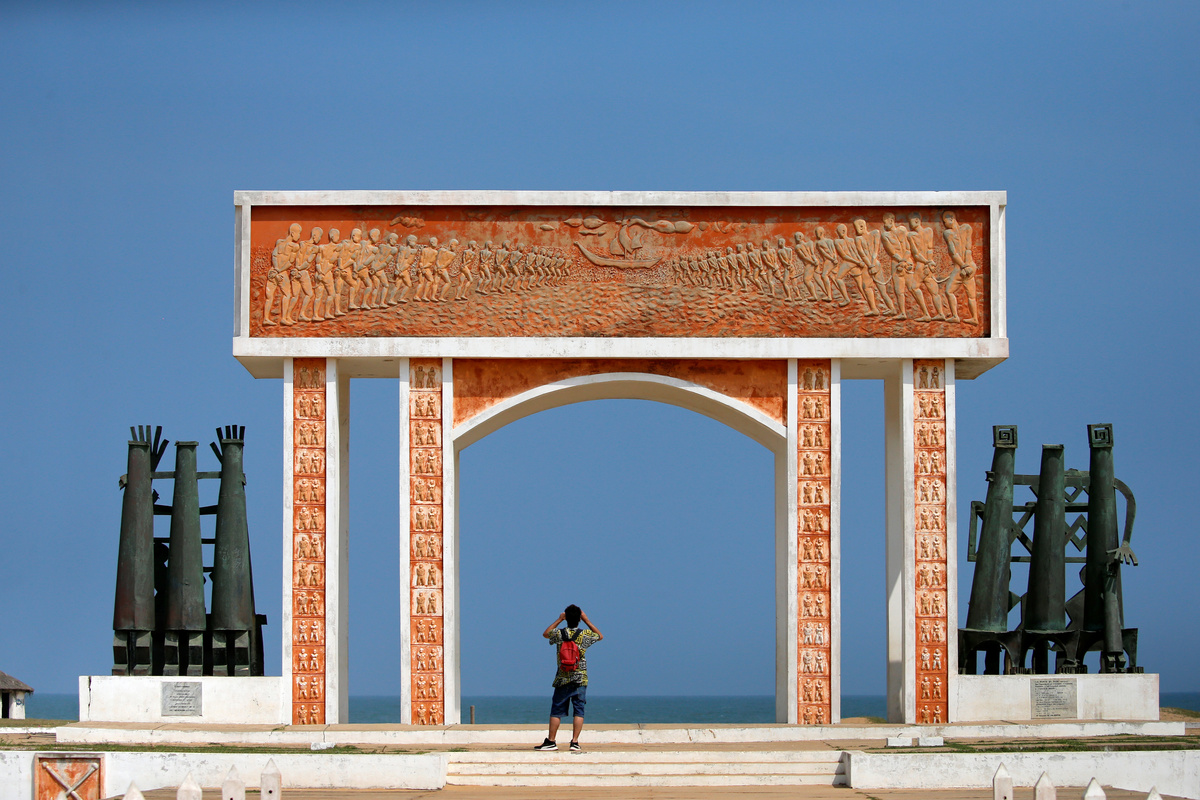
A woman stands beneath a monument commemorating the "Door of No Return" where slaves were loaded onto ships in the historic slave port town Ouidah, Benin, July 18, 2019. . REUTERS/Afolabi Sotunde
As Jabang steered his blue-painted wooden boat through the water, he gestured towards Kunta Kinteh, whose ruined fortress shaded by giant baobab trees is threatened by erosion.
"You see the island is very small now," he said.
"We have to preserve this island for the young coming generations - we need to let them know about it. We should never forget what this land has been used for."
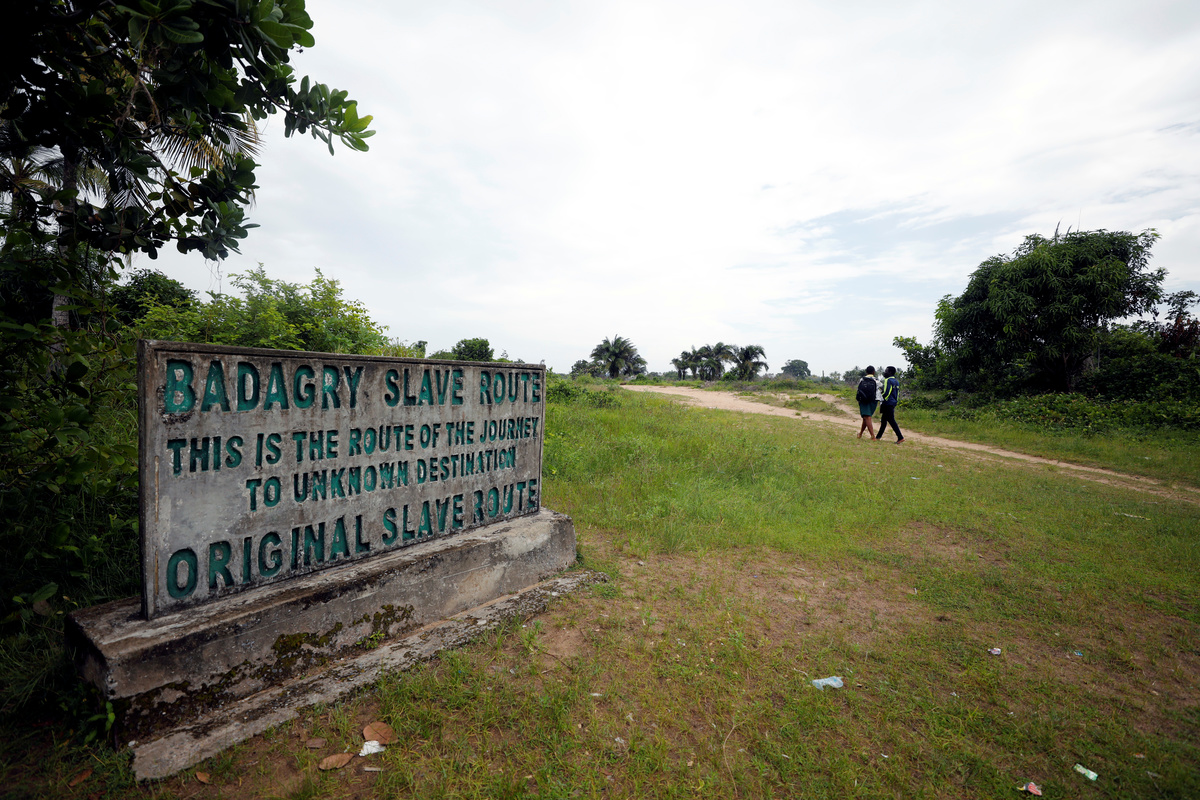
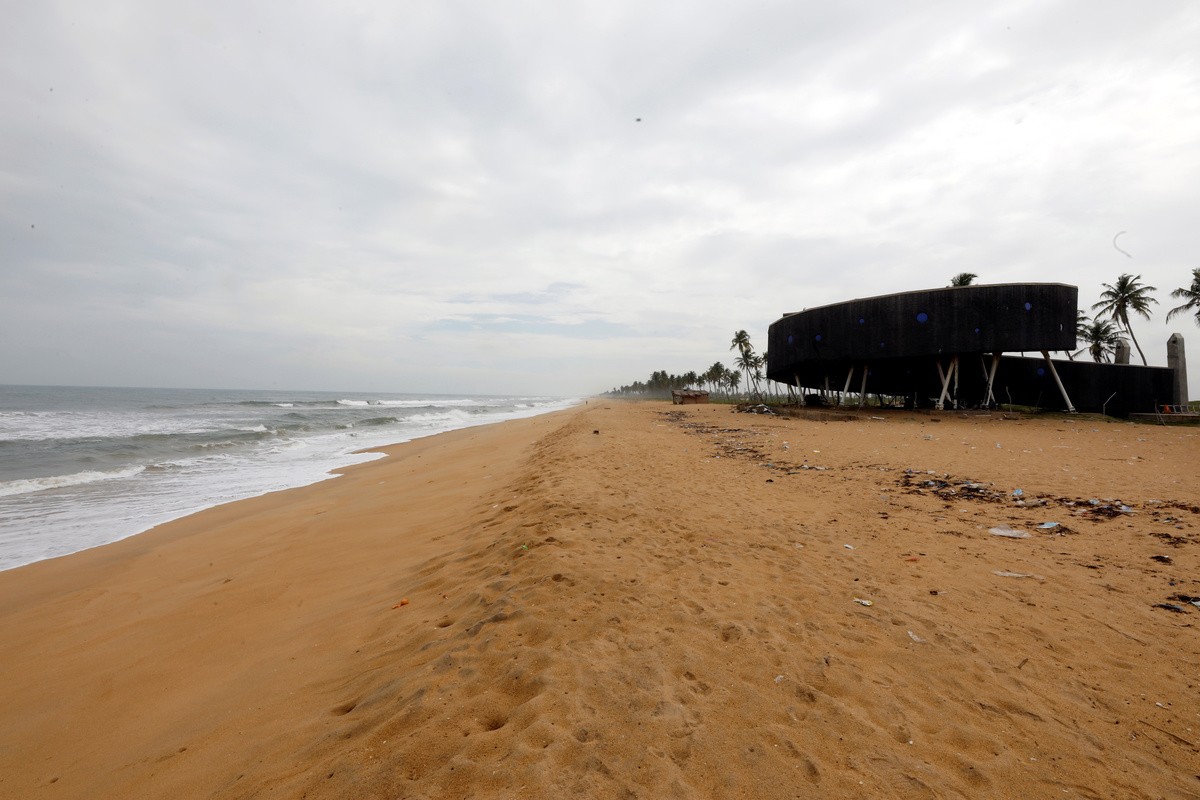
Two people walk along the route taken by slaves to the "point of no return" , from where they were shipped west, at the historic slave port of Badagry, Nigeria June 21, 2019. REUTERS/Afolabi Sotunde
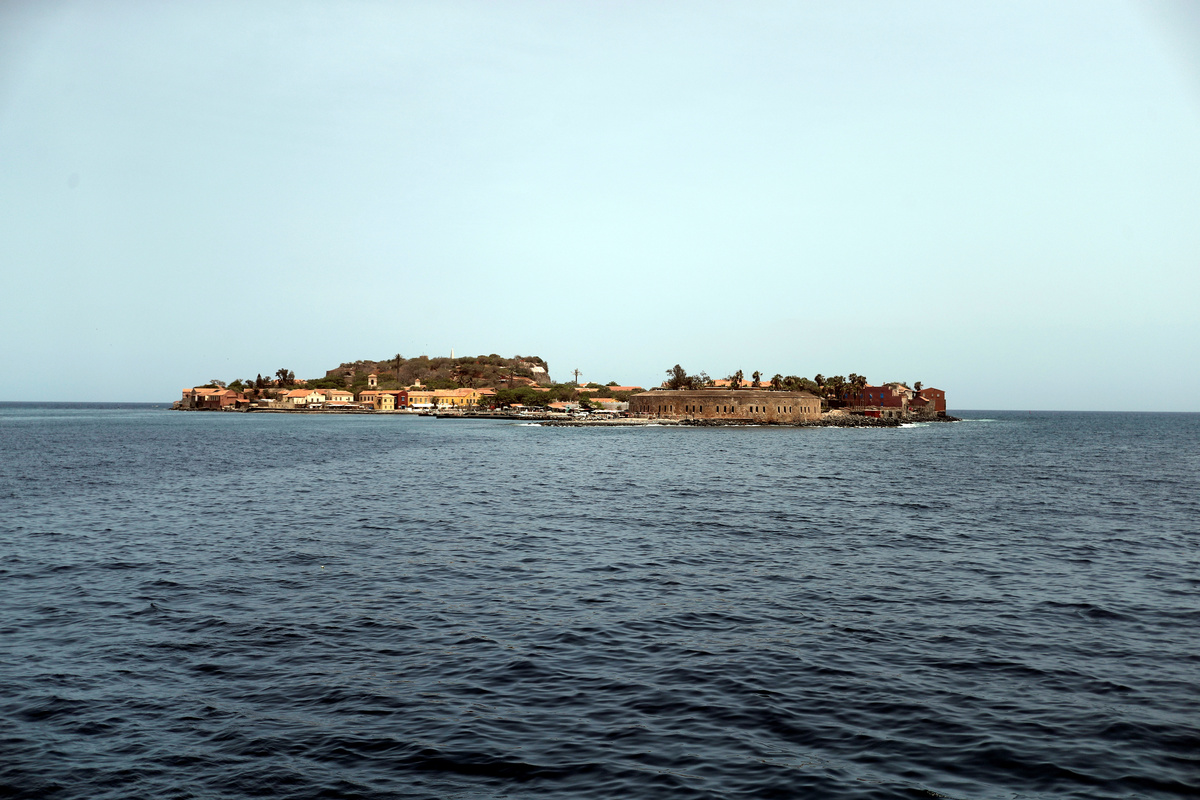
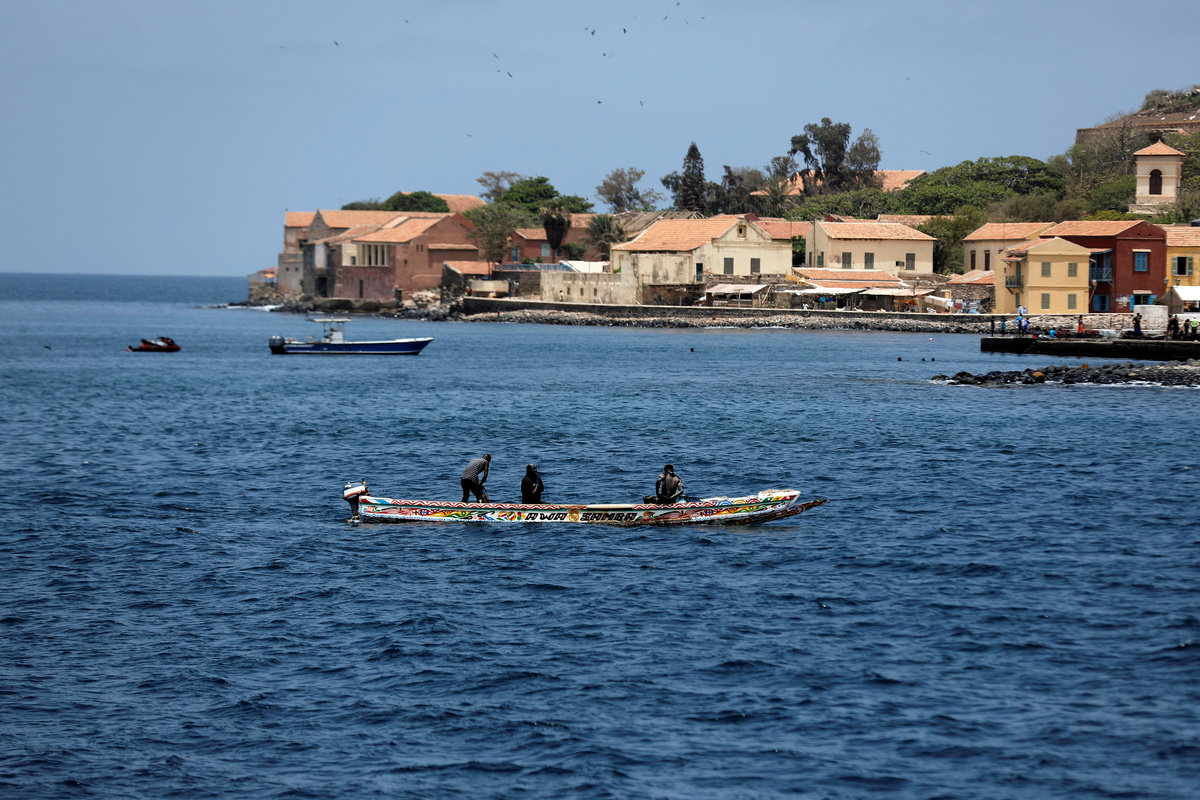
From Senegal's Goree Island at Africa's western-most point to the Nigerian port of Badagry on the Gulf of Guinea, the sites where slaves spent their final days on African soil have turned into places of pilgrimage and remembrance.
Many have seen a surge in visitors this year, which marks 400 years since the first record of African slaves arriving in North America.
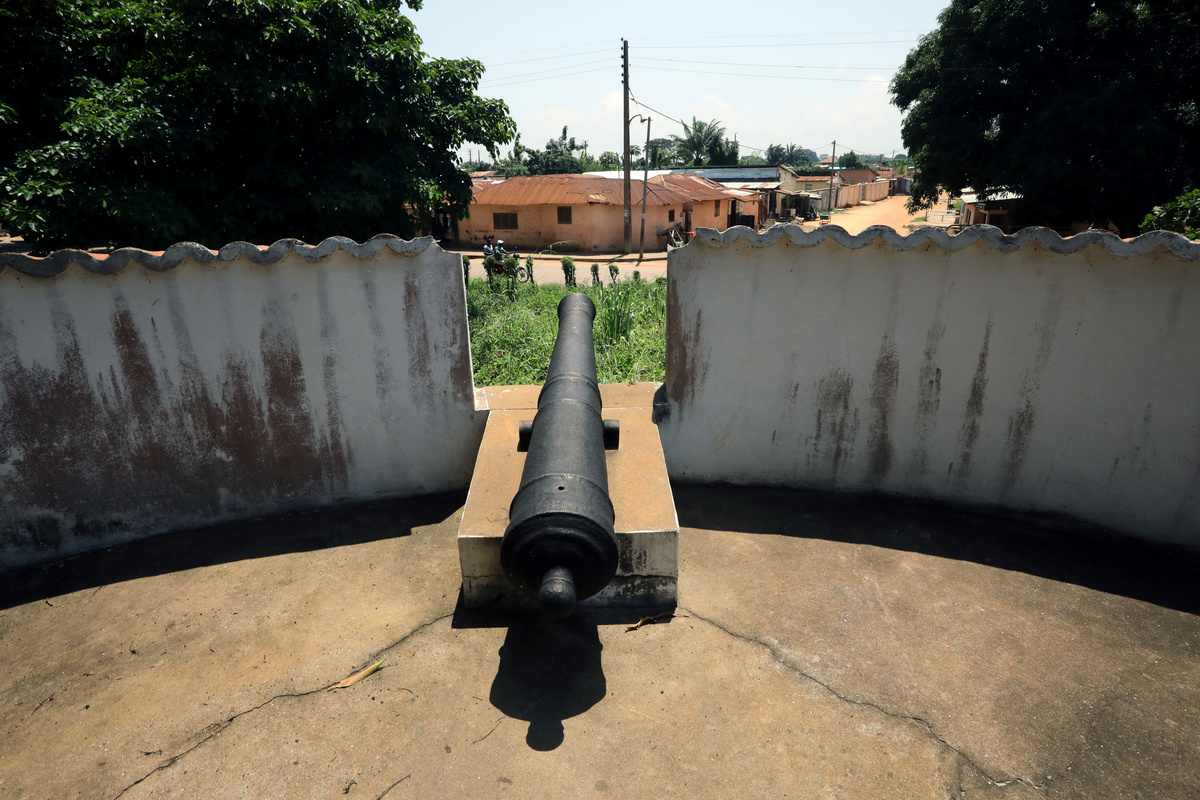
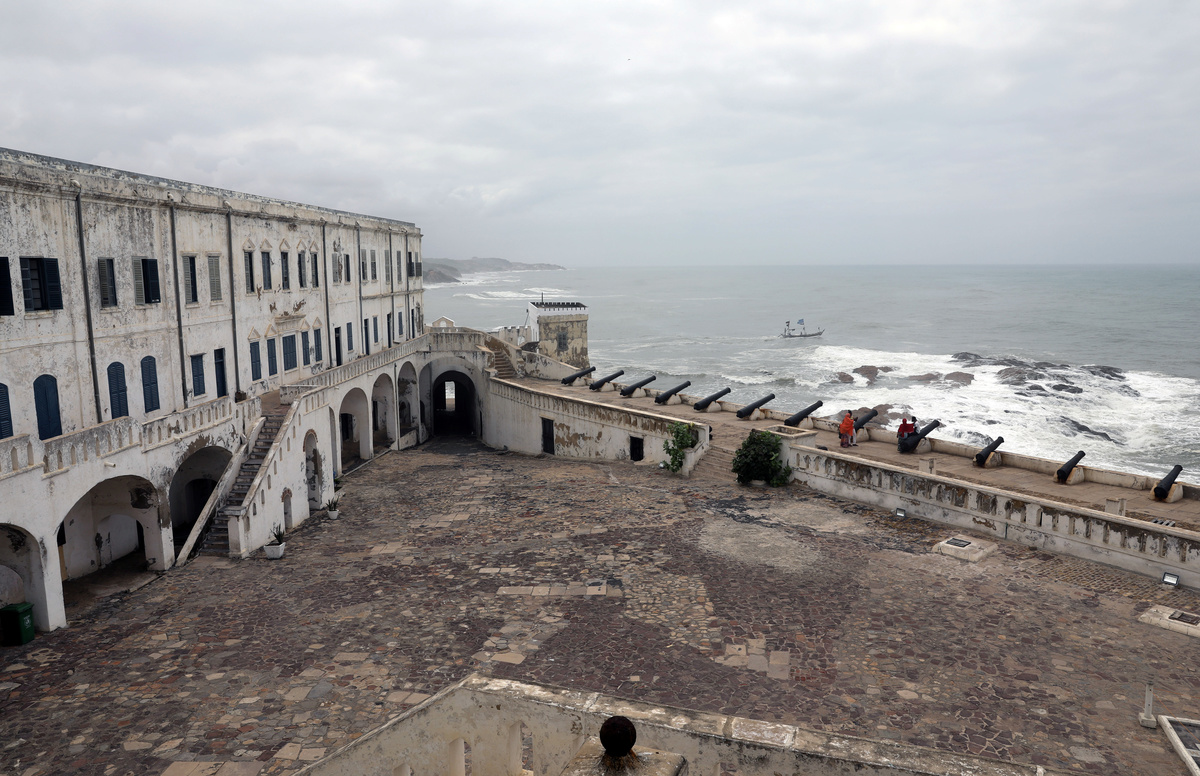
Tourists can walk along the cannon-studded ramparts of slave fortresses or pass through the points of 'No Return', where slaves were marched in chains to waiting ships.
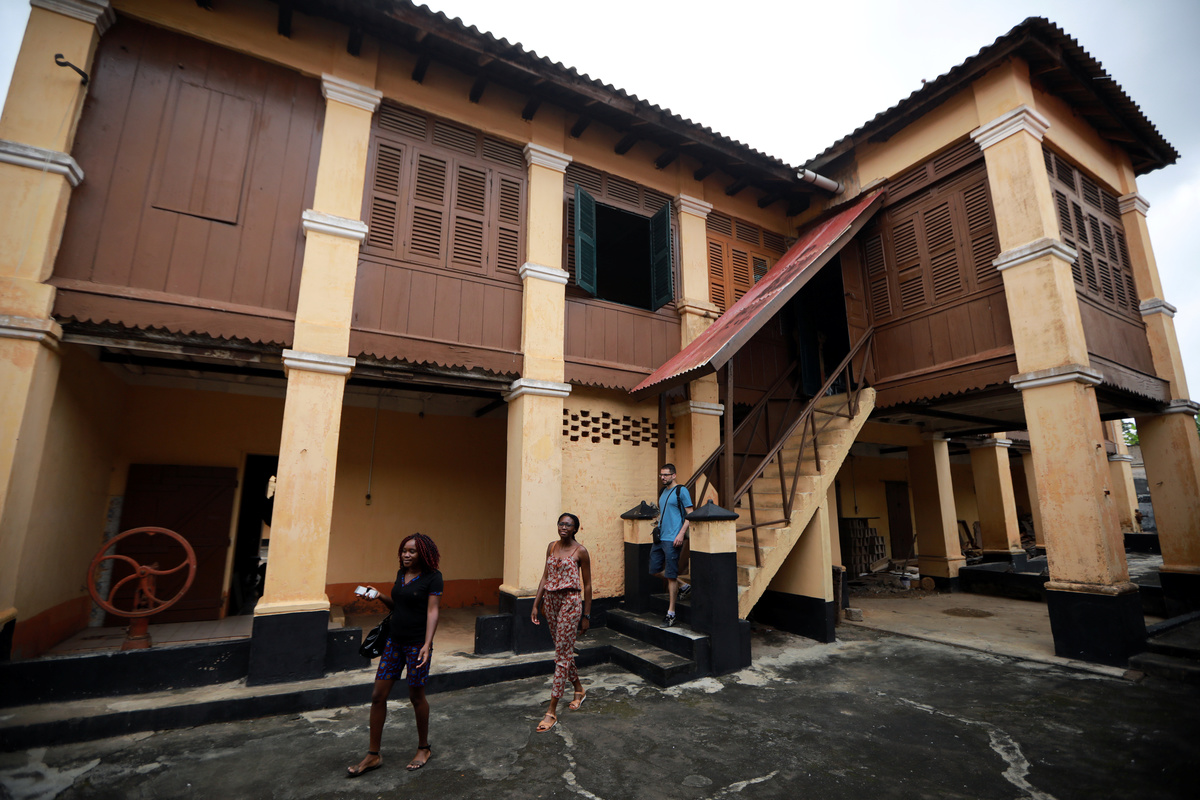
Hooks used to hang prayer mats are seen inside the court at the Seriki Abass Slave Museum in the historic slave port of Badagry, Nigeria June 19, 2019. REUTERS/Afolabi Sotunde
Some who live and work in the shadow of the landmarks see the sites as a reminder not to let history repeat itself.
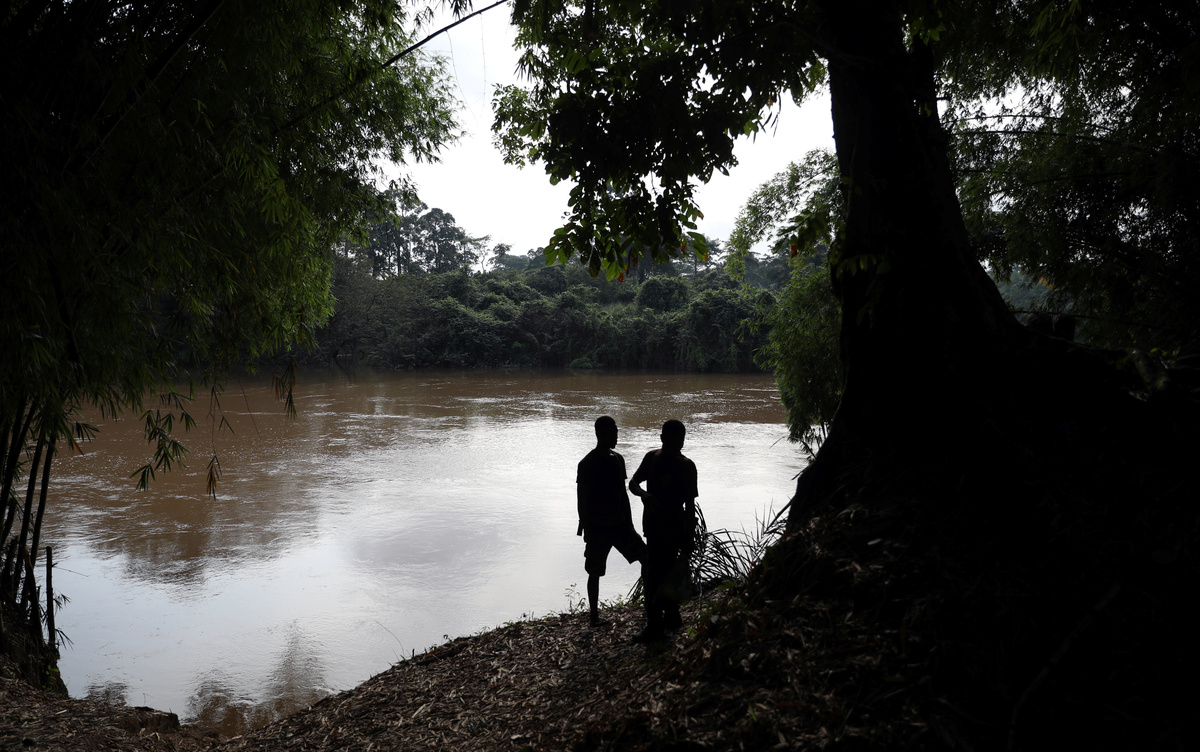
"Future generations need to know what is happening so that it does not happen again," said Chief Seraphin Kpissi, whose village in Ivory Coast lies near a slave site on the banks of the Bodo river.
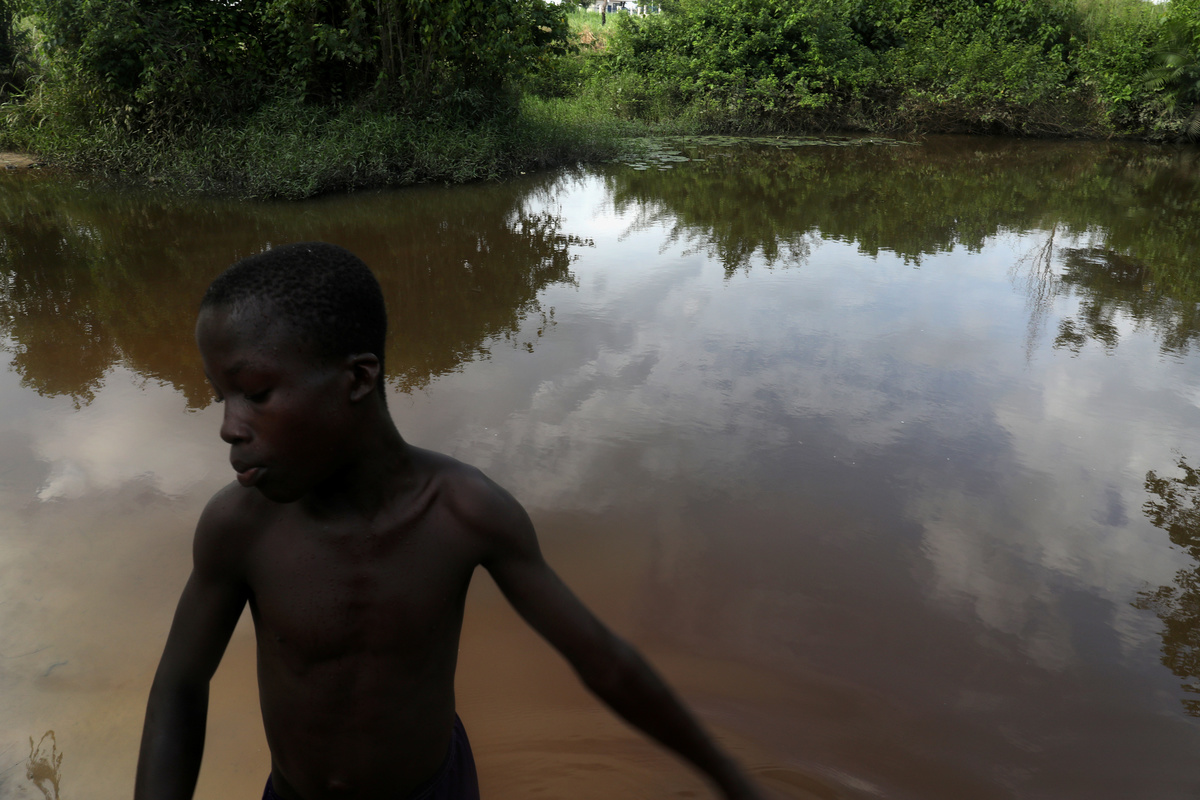
A tall stone slab wrapped in chains now stands as a memorial to the slaves who were forced to take a last bath in the Bodo's muddy waters towards the end of their march to the coast.
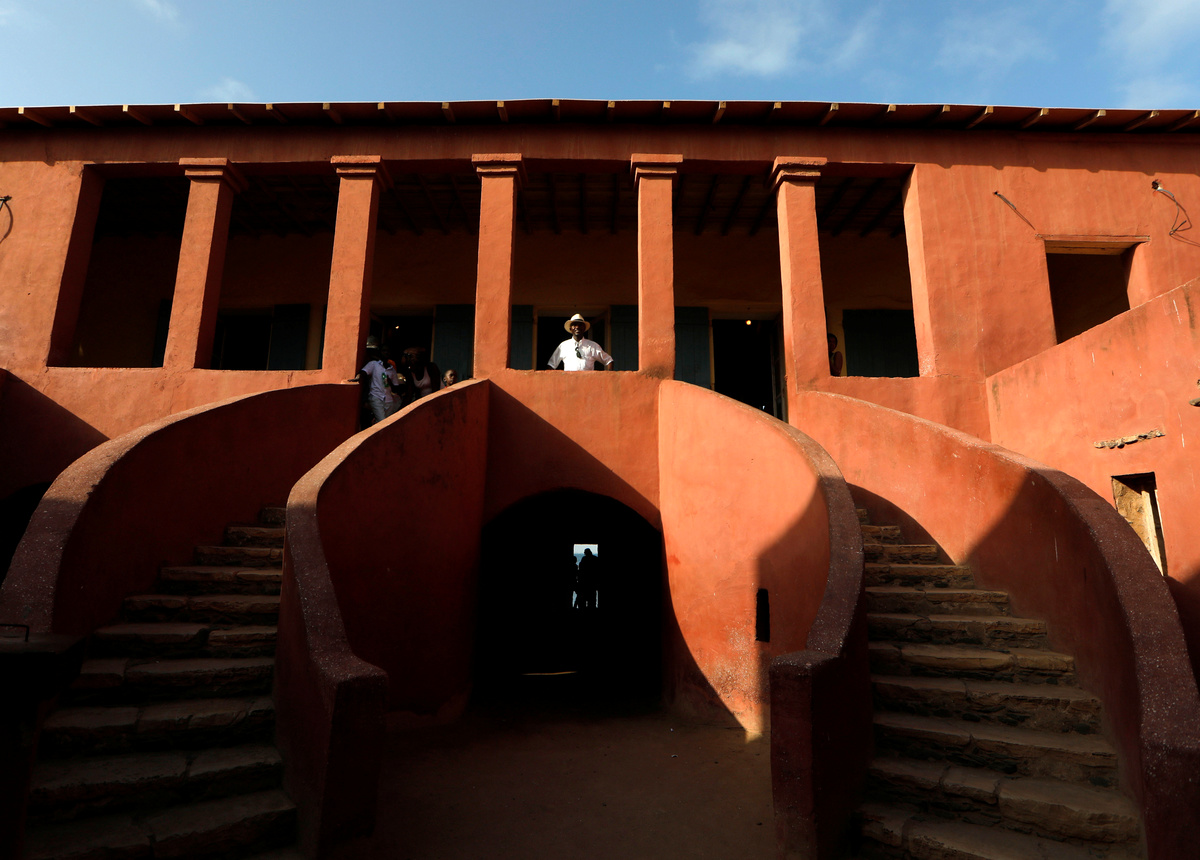
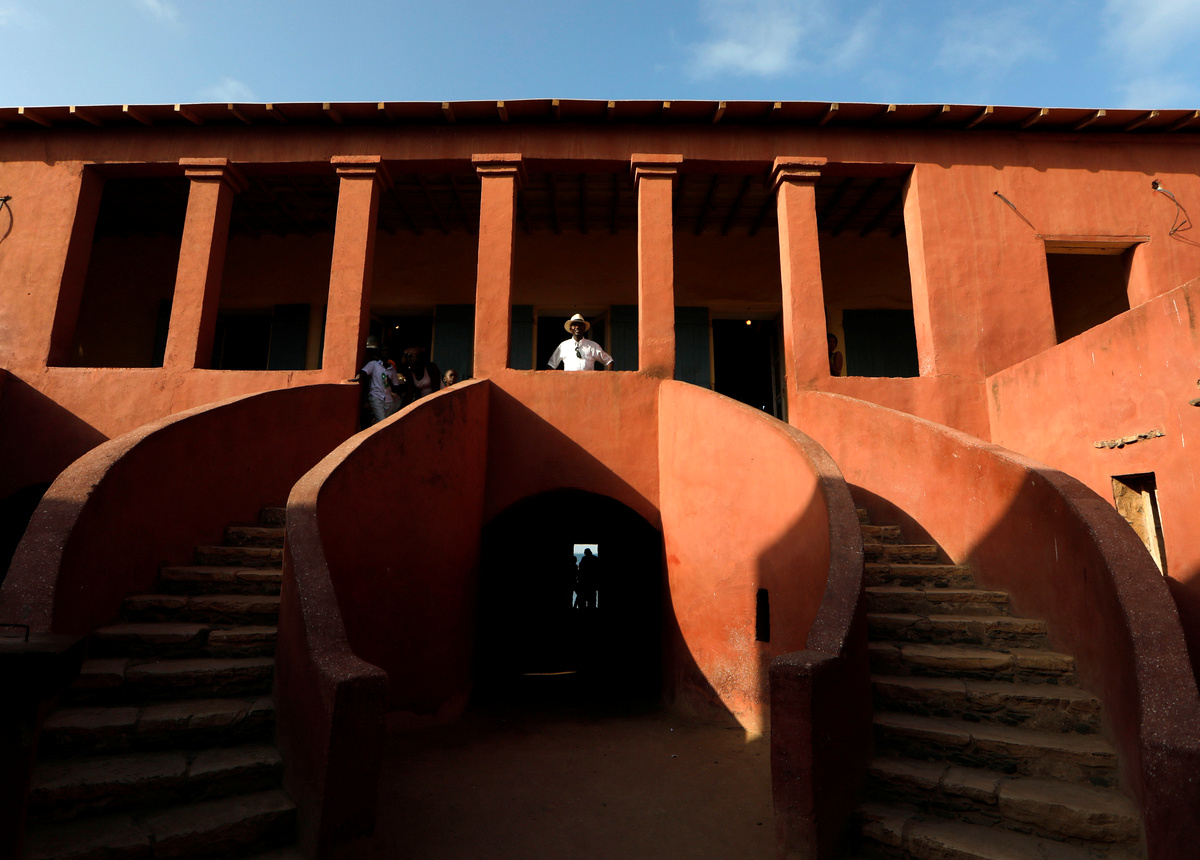
Emmanuel Mouti Dongo from Cameroon visits the “Maison Des Esclaves” slave house on Goree Island off the coast of Dakar, Senegal, July 7, 2019. REUTERS/Zohra Bensemra
The memorial was erected with the participation of UNESCO, which has granted world heritage status to Kunta Kinteh island and several other West African sites due to the important testimony they provide of the slave trade.
(Writing by Alessandra Prentice; Editing by Gareth Jones)
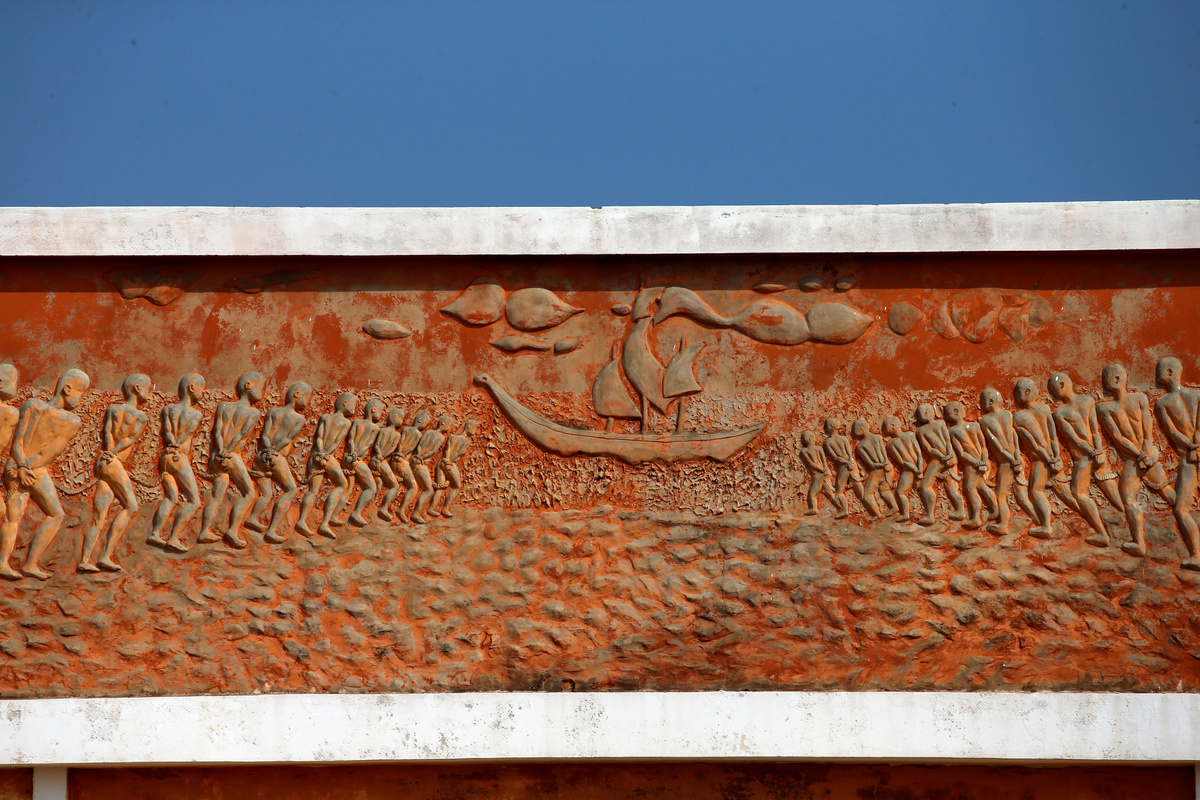
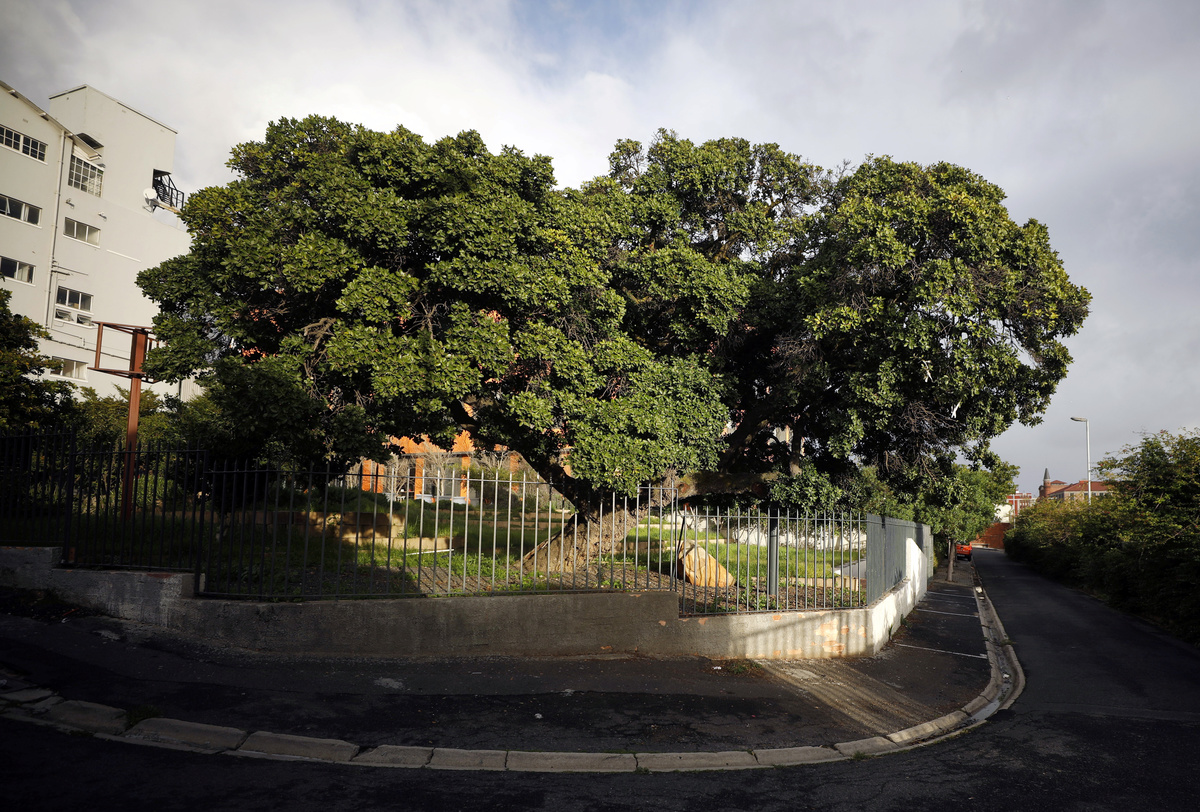
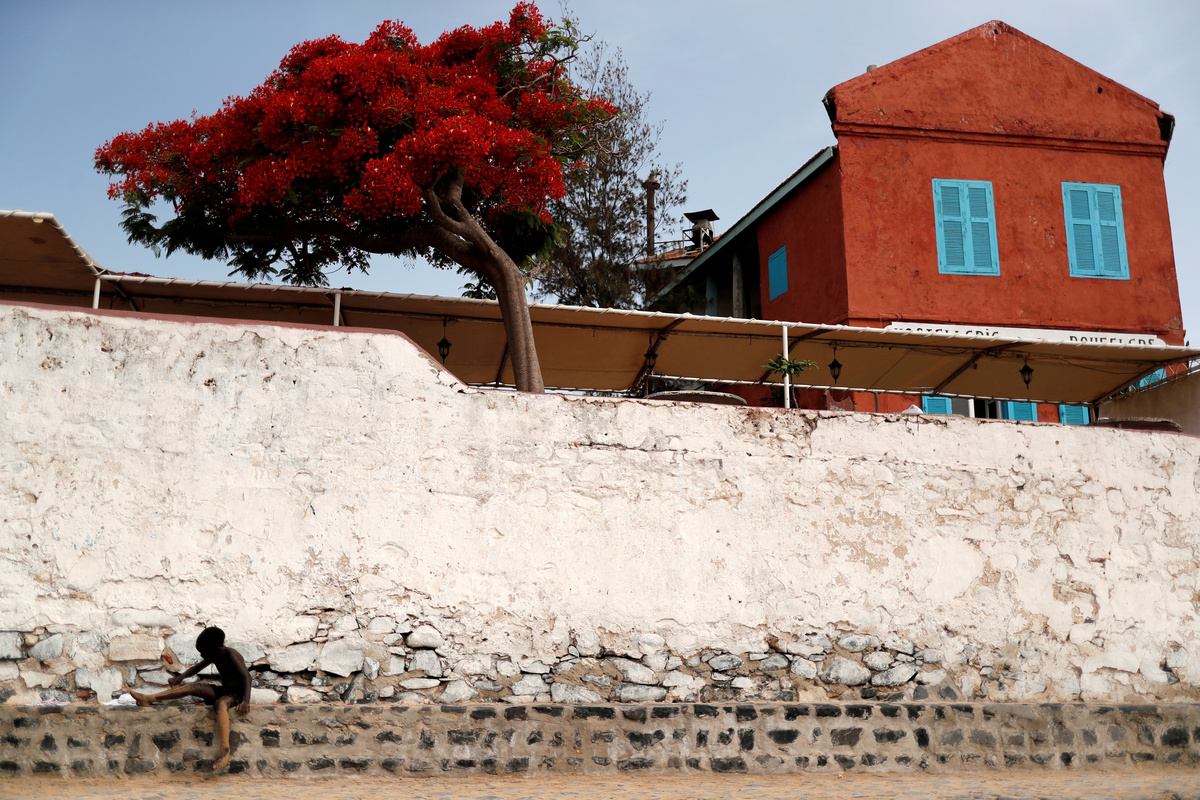
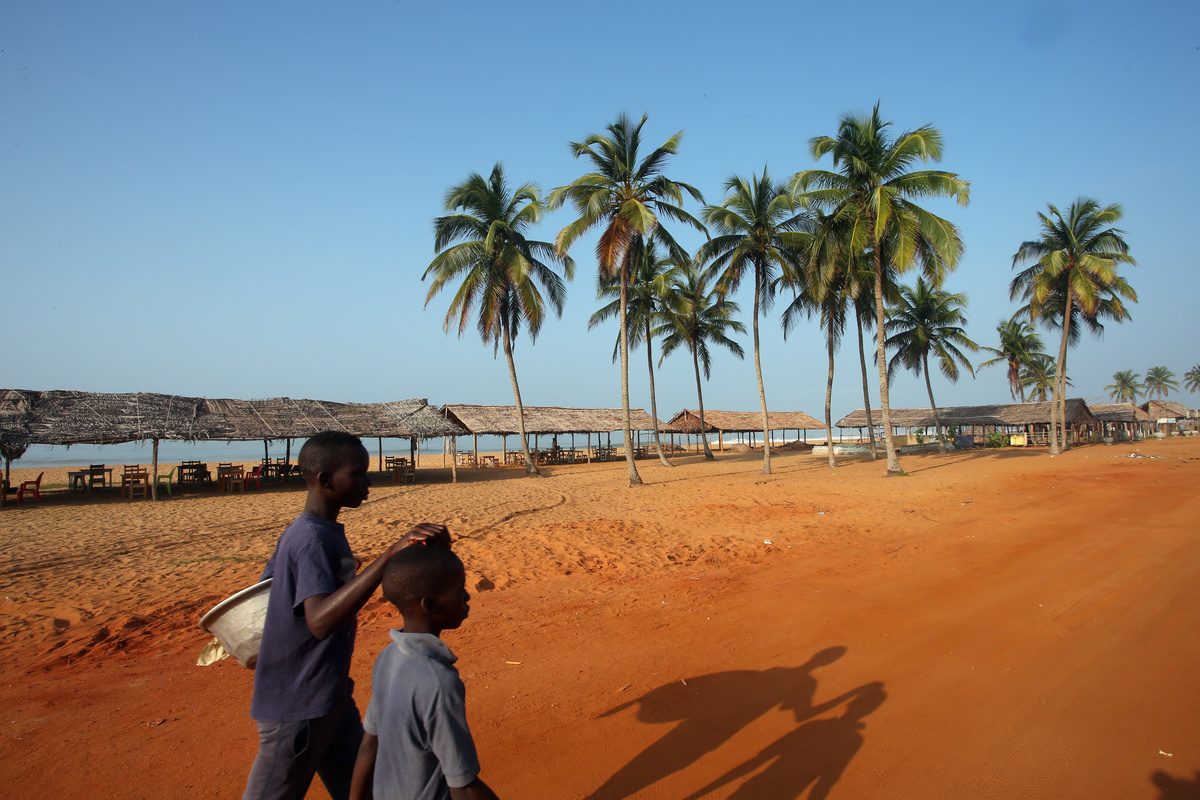
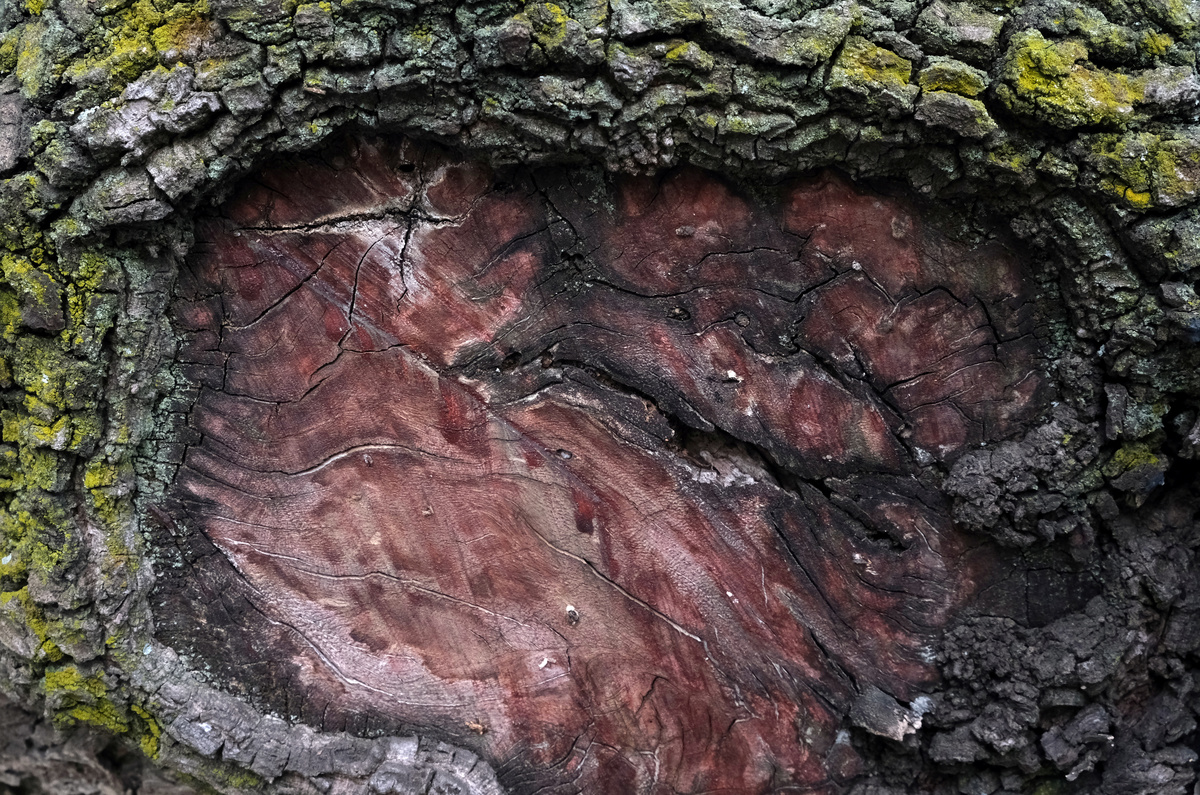
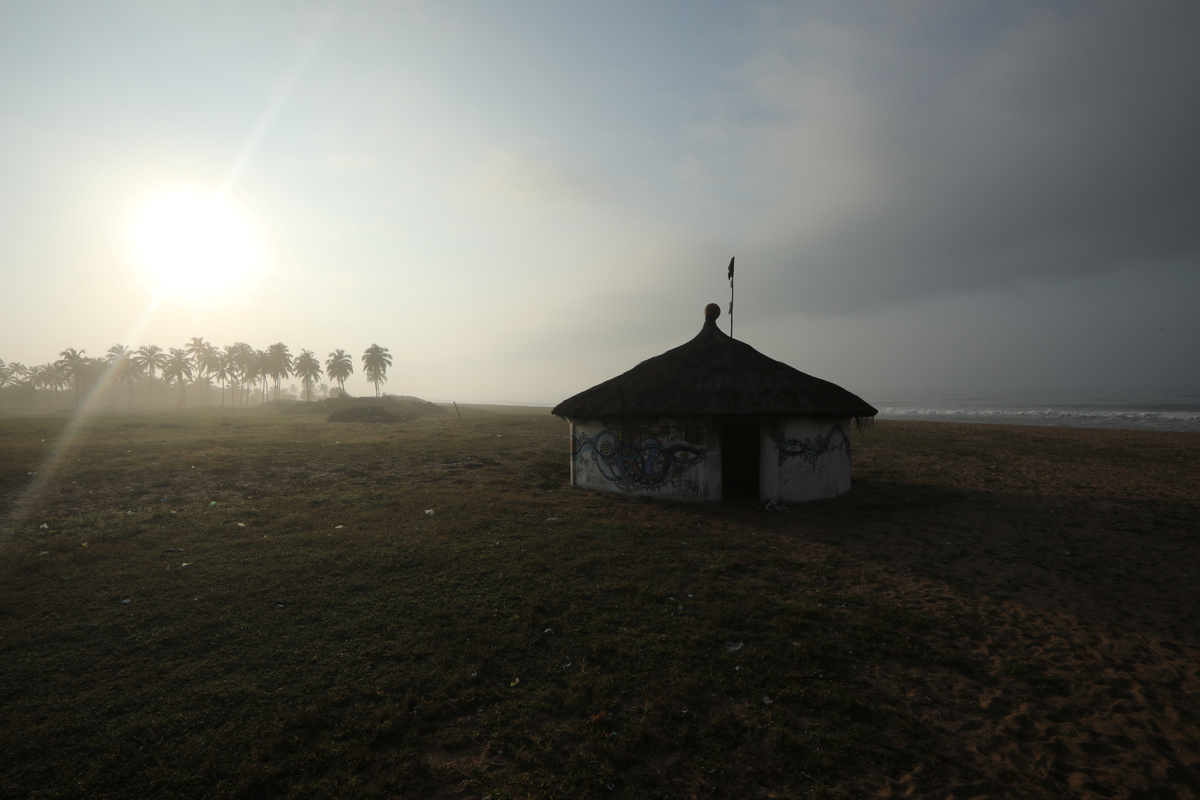
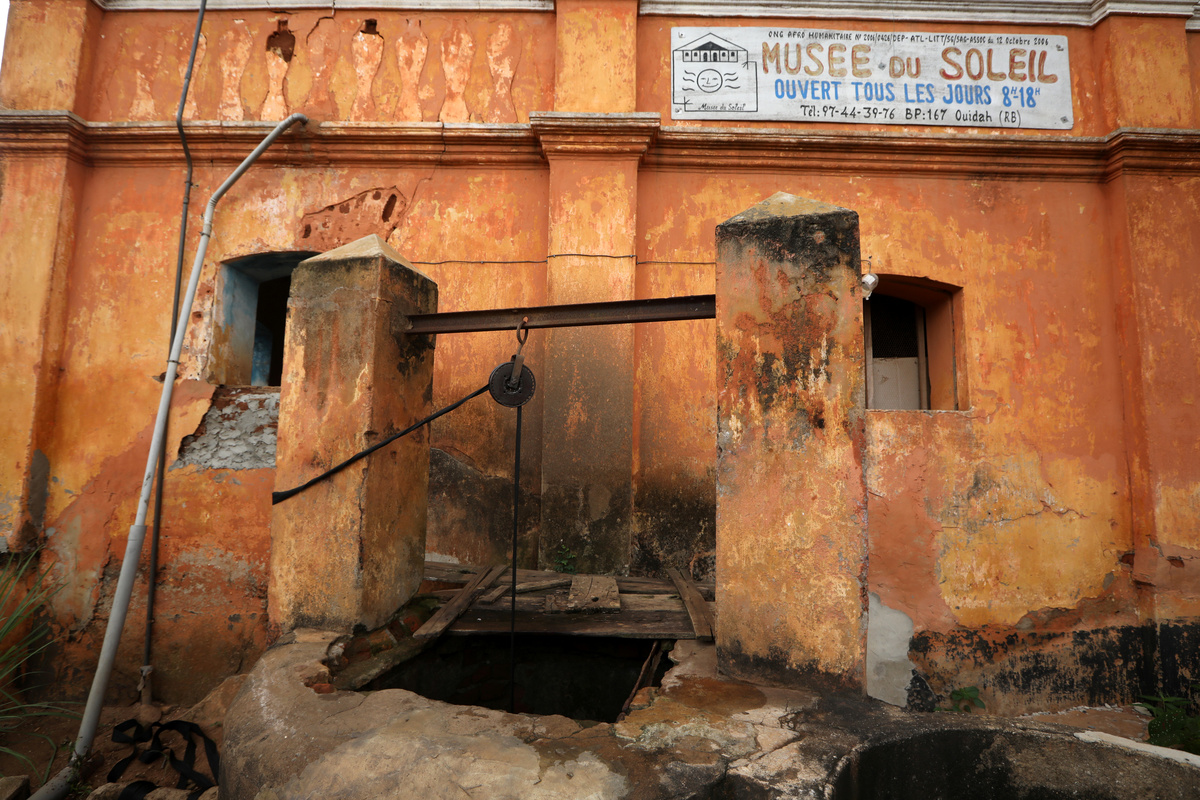
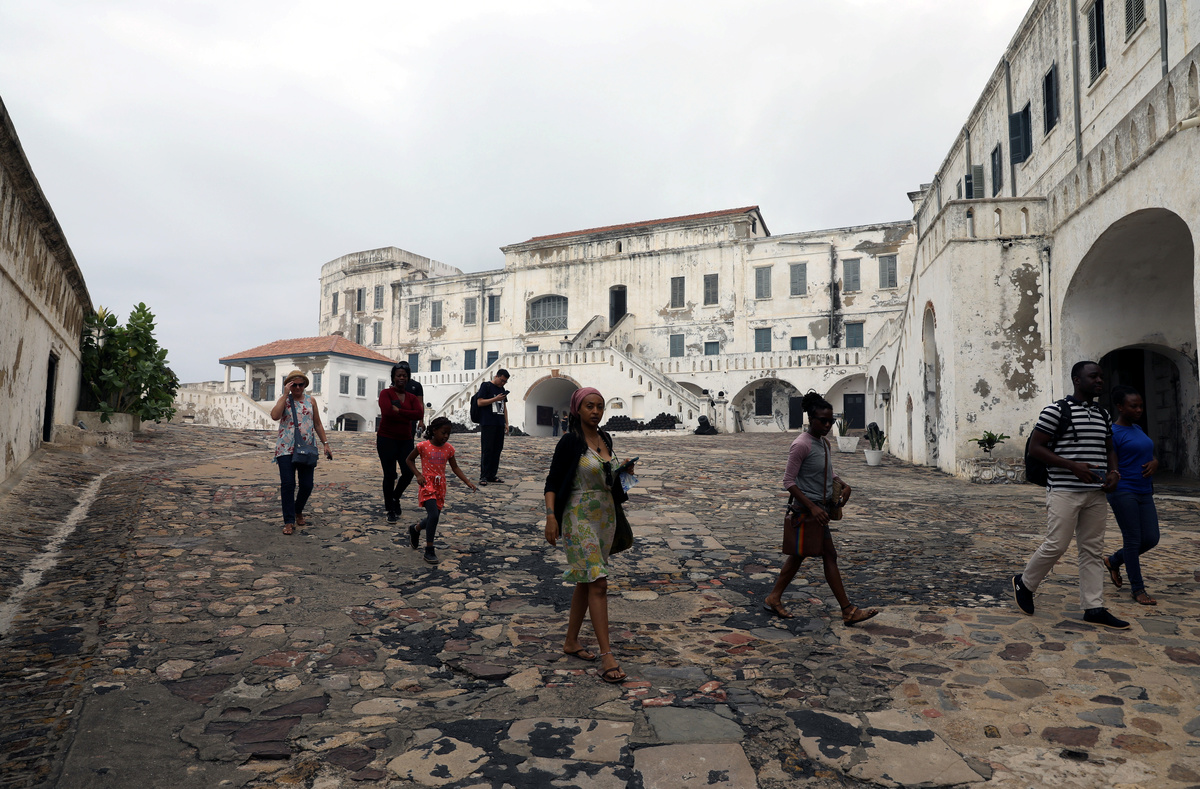
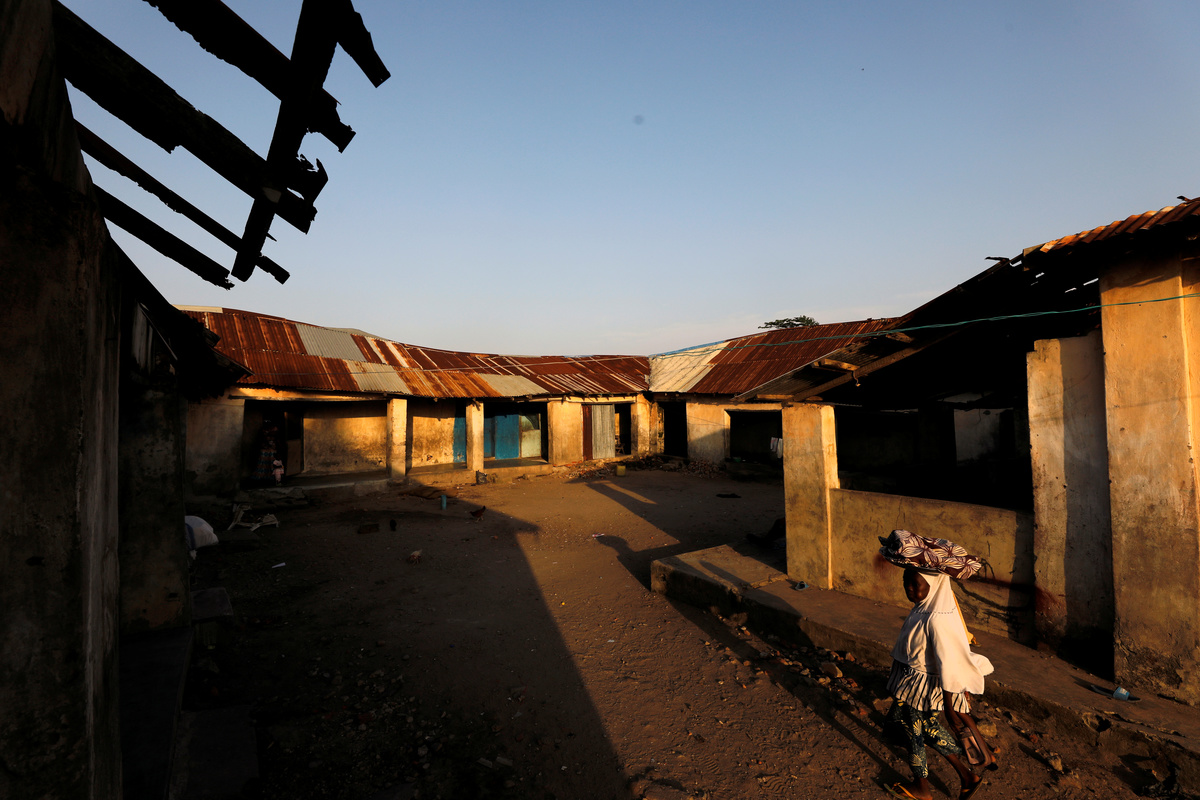
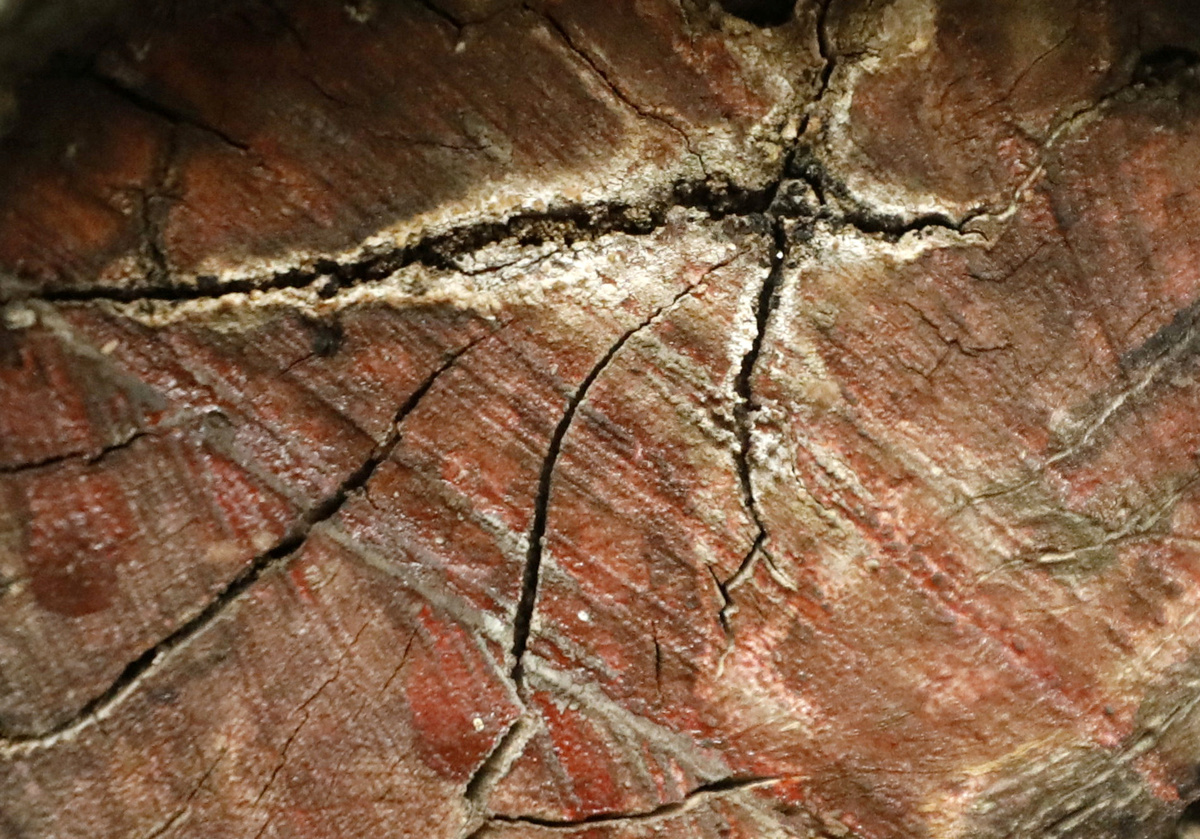
Detail of an illustration of lines of chained slaves walking towards a ship is seen at a monument at the site of the 'Point of No Return' in the historic slave port of Ouidah, Benin, July 17, 2019. REUTERS/Afolabi SotundeEmmanuel Mouti Dongo from Cameroon visits the “Maison Des Esclaves” slave house on Goree Island off the coast of Dakar, Senegal, July 7, 2019. REUTERS/Zohra BensemraRuins are seen on Kunta Kinteh island in the Gambia River, Jufureh near Albreda, Gambia, July 20, 2019. REUTERS/Zohra BensemraA general view of Goree Island is seen off the coast of Dakar, Senegal, July 8, 2019. REUTERS/Zohra BensemraFishermen are pictured in front of Goree Island off the coast of Dakar, Senegal, July 7, 2019. REUTERS/Zohra BensemraA canon is seen at an old fort in the historic slave port of Ouidah, Benin, July 17, 2019. Picture taken July 17, 2019. REUTERS/Afolabi SotundeA boy stands beside the Bodo river in Kanga Nianze village, built on a former slave route, near Tiassale, Ivory Coast, July 15, 2019. Men and women captured in Ivory Coast and sold into slavery 400 years ago would take their final bath in the river before being loaded onto ships. . REUTERS/Luc GnagoVisitors walk past buildings during their tour of the Da-Silva slavery museum, in Porto Novo, Benin July 16, 2019., Benin. REUTERS/Afolabi SotundeOpen gates are seen before a monument at the site of the 'Point of No Return' where slaves were loaded onto ships in the historic slave port of Ouidah, Benin July 17, 2019. . REUTERS/Afolabi SotundeCape Town's Treaty Tree under which slaves were sold in colonial times is seen in Cape Town, South Africa, June 13, 2019. The tree a milkwood is believed to be 500 years old and was originally located on a beach which has long since disappeared as the city reclaimed land from the sea for the expansion of it's port. REUTERS/Mike HutchingsA boy is pictured at Goree Island off the coast of Dakar, Senegal, July 8, 2019. ÊGoree island, was one of the trans-Atlantic slave-trade gathering points from where slaves were shipped west in the 1700s and 1800 and today is UNESCO world heritage site. REUTERS/Zohra BensemraCanons are seen at the Cape Coast Castle, one of several slave forts build along the Gold Coast in Ghana, July 28, 2019. Picture taken July 28,2019. REUTERS/Siphiwe SibekoVisitors walk though dungeons used to house female slaves at the Cape Coast Castle, one of several slave forts build along the Gold Coast in Ghana, July 28, 2019. REUTERS/Siphiwe SibekoPrince Tete and his friend Coudjoe stand at a point where it is believed slaves once crossed the River Pra on their journey to the coast, at Assin Praso, Ghana, July 23, 2019. REUTERS/Siphiwe SibekoYoung boys walk along a beach where slaves were once loaded onto ships in the historic slave port of Ouidah, Benin July 18, 2019. REUTERS/Afolabi SotundePeople stand beside a memorial beside the Bodo river in Kanga Nianze village, built on a former slave route, near Tiassale, Ivory Coast, July 21, 2019. Men and women captured in Ivory Coast and sold into slavery 400 years ago would take their final bath in the river before being loaded onto ships. REUTERS/Luc GnagoScars are seen on the trunk of a tree under which slaves were sold in colonial times, in Cape Town, South Africa, August 28, 2019. The tree a milkwood is believed to be 500 years old and was originally located on a beach which has long since disappeared as the city reclaimed land from the sea for the expansion of it's port. REUTERS/Mike HutchingsA commenorative building that is known locally as 'The Tunnel' is seen near the 'Point of No Return' from where slaves were shipped from the historic slave port at Badagry, Nigeria. June 21, 2019. REUTERS/Afolabi SotundeA man takes a photo beneath the monument at the site of the 'Point of No Return' where slaves were loaded onto ships in the historic slave port of Ouidah, Benin July 17, 2019. REUTERS/Afolabi SotundeA shrine is seen on a beach where thousands of African slaves were once loaded onto ships in the historic slave port of Ouidah, Benin, July 17, 2019. REUTERS/Afolabi SotundeA pulley hangs over a well at the Old English fort which once housed a now defunct slavery museum in the historic slave port of Ouidah, Benin, July 17, 2019. REUTERS/Afolabi SotundeAbdoulie Jabang,30, a boat captain who transport tourists to Kunta Kinte Island, leads his boat off as he leaves the island on the Gambia River, near Jufureh, Albreda, Gambia, July 20, 2019. Kunta Kinte island was a slavery shipping point and is now named after a Gambian man from Juffrey, who according to the Alex Haley's book, Roots:The Saga of an American Family, was among 98 slaves who were shipped to the United States in 1767. REUTERS/Zohra BensemraTourists are seen at the Cape Coast Castle one of several slave forts build along the Gold Coast in Ghana, July 28, 2019. REUTERS/Siphiwe SibekoA girl walks past buildings at the Seriki Abass Slave Museum in the slave port at Badagry, Nigeria, June 19, 2019. REUTERS/Afollabi Sotunde Scars are seen on the trunk of a tree under which slaves were sold in colonial times, in Cape Town, South Africa, June 21, 2019. The tree a milkwood is believed to be 500 years old and was originally located on a beach which has long since disappeared as the city reclaimed land from the sea for the expansion of it's port. REUTERS/Mike Hutchings
Sign up to read this article
Read news from 100's of titles, curated specifically for you.