We've all been talking about it for months: why, exactly, has the Premier League become such a difficult watch? Why does watching a 90-minute match often now feel more like a test of endurance than something to be enjoyed?
It's a pertinent question, given that England’s top flight generates the bulk of its millions from television rights deals. The watching public want and expect to be entertained, particularly when more and more games are televised.
There is no clear answer, of course. Some have pointed to Mikel Arteta and Arsenal’s emphasis on set-pieces at the expense of open-play creativity, but the Spaniard has insisted his team’s style is nothing more than tactical evolution, an adaptation to where the game was inexorably heading.
The Premier League in 2026: So Good, It's Bad
He might have a point. The Premier League has become noticeably cagey, full of tactically disciplined, powerful, intelligent footballers, expensively-assembled squads of players signed using advanced data metrics and coached in extreme detail by the most sagacious football minds.
And that is across the division. The wealth is no longer exclusive to a cabal of top clubs. Now, thanks largely to the aforementioned TV deals, clubs like Bournemouth, Brighton and Sunderland are capable of spending tens of millions.
The Premier League has certainly never been more competitive. But that has come at the expense of entertainment. Everyone is too good, and the product has become worse.
A sport that once took pride in its aesthetic quality - “the beautiful game” - looks increasingly robotic and functional. There feels less in the way of individual expression; even passing looks more efficient and somehow less visually appealing than it once did, possibly due to the fact there's less space to pass into and therefore only marginal room for error.
Style and idealism are simply no longer a priority: those concerned with purity and attractive football would get swallowed up by the pace, power and long throws in the Premier League.
Arteta is perhaps the prime example. He took the Arsenal job as a disciple of both Pep Guardiola and Arsene Wenger, and his team initially looked like one influenced by both managers. But it has since morphed into the percentages-driven, set-piece centric side that looks set to win the Premier League title, in the most efficient, inelegant way.
Why has this happened, then? When every team is exceptional technically, physically and tactically, scoring goals from open play becomes increasingly difficult, even for the best sides. Arteta and Arsenal seemed to be the first to notice this, but the rest of the division soon followed suit.
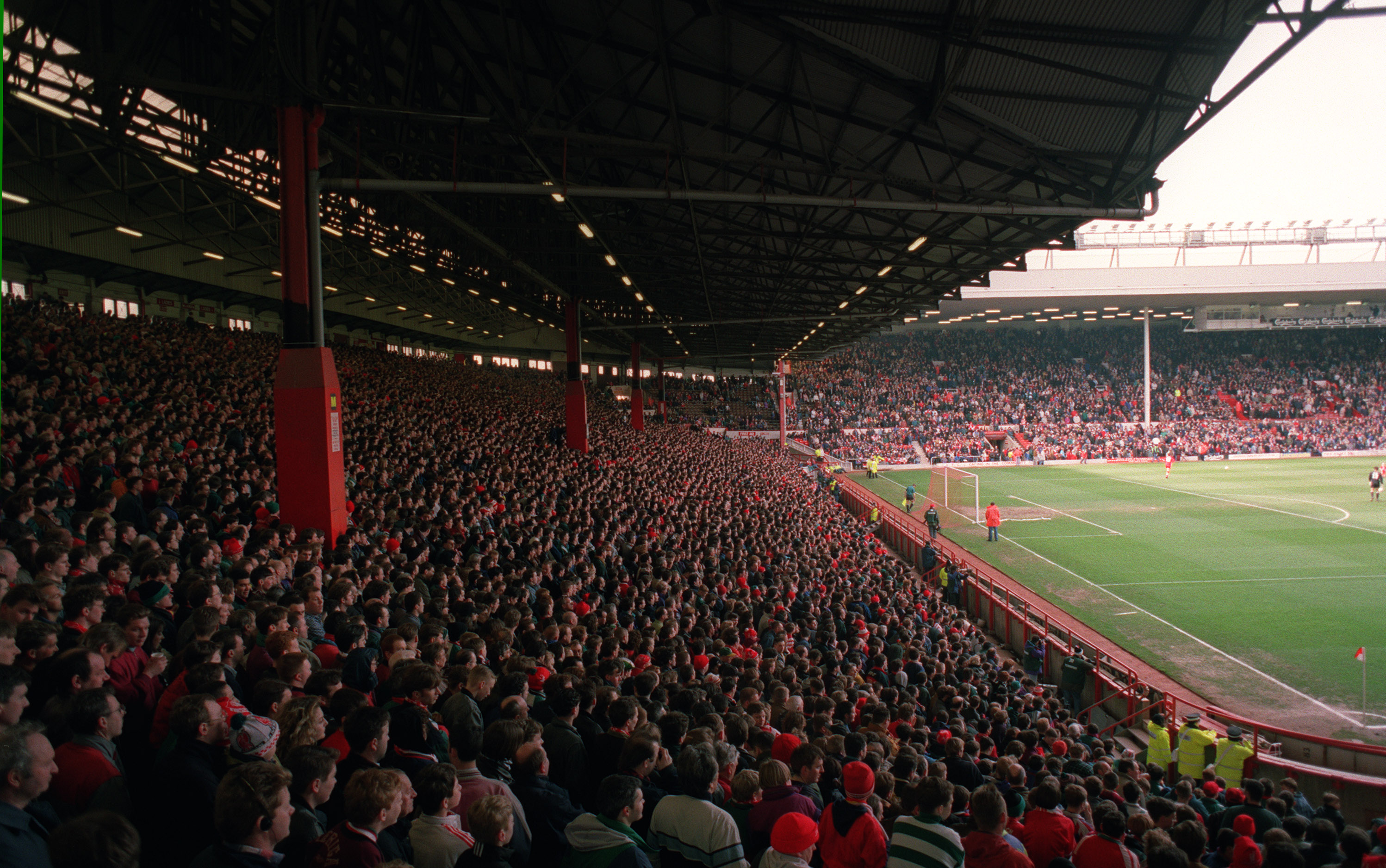
So, this is where the Premier League now finds itself: a division full of the best, most expensive players, the best, most astute managers and coaches and data analysts, all so adept that they have cancelled each other out.
It is a league awash with money and prestige, a league that everyone wants to watch and talk about and analyse, and it is all of this that has made it worse.
The Premier League, helped, ironically, by the money pumped in by broadcasters has become so good, its athletes so exceptionally competent, its coaches so shrewd and perceptive, that it is now bad.