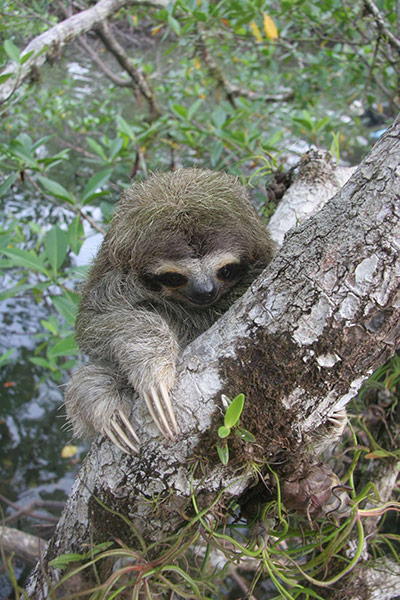
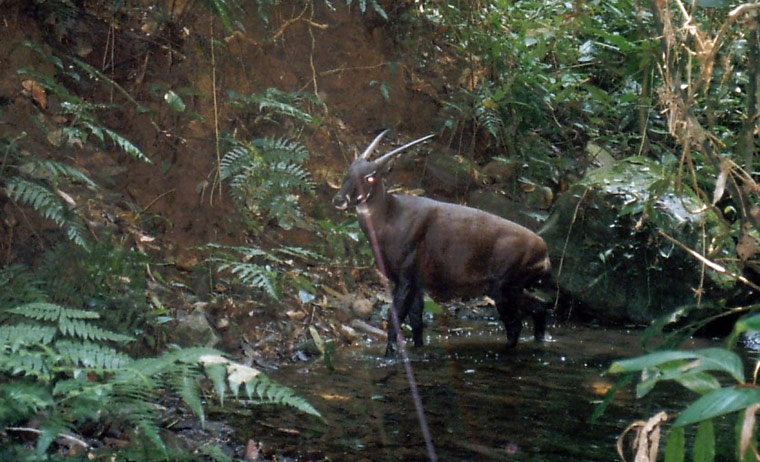
Long-beaked echidna (Tachyglossus bruijni), Papua New Guinea. Attenborough’s long-beaked echidna – one of the most primitive mammals on the planet, this species lays eggs like a reptile. Known only from the Cyclops Mountains of Papua (Indonesia), it was presumed extinct until ZSL researchers uncovered evidence of its continued existence in 2007Photograph: SPLPygmy three-toed sloth – only discovered in 2001, this miniature sloth is the smallest and most threatened of all the sloth species. It is confined to a single tiny island off the coast of PanamaPhotograph: Bryson Voirin/ZSLThe saola or 'Asian unicorn' was unknown to western science until 1992. Its discovery is one of the most exciting animal finds of the past 50 years. The population is now critically low – it’s possible that only a few tens of individuals survive in the mountainous jungle region that separates Laos and VietnamPhotograph: Ban Vangaban village/WCS/ZSL
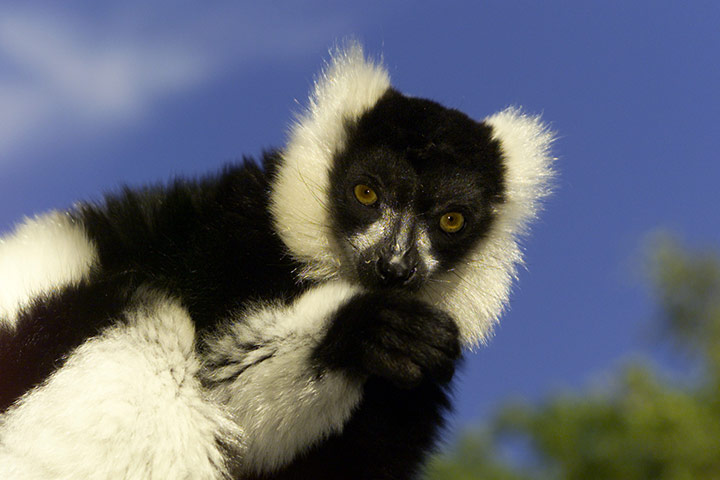
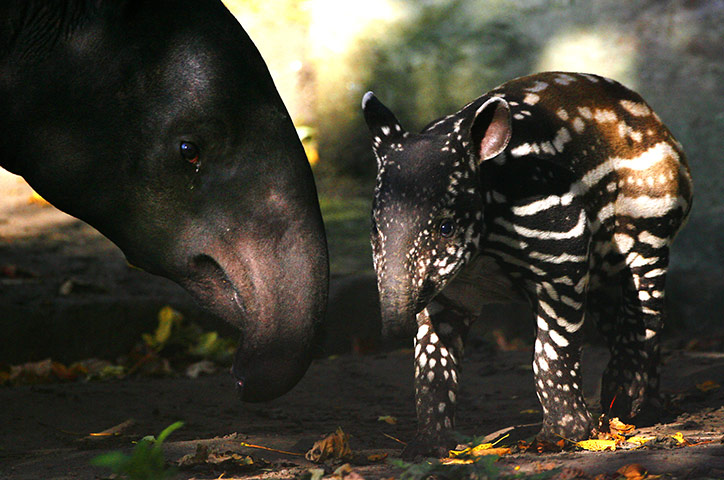
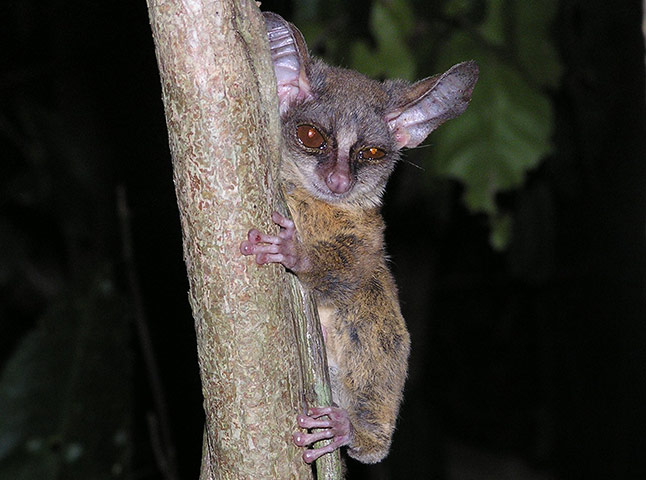
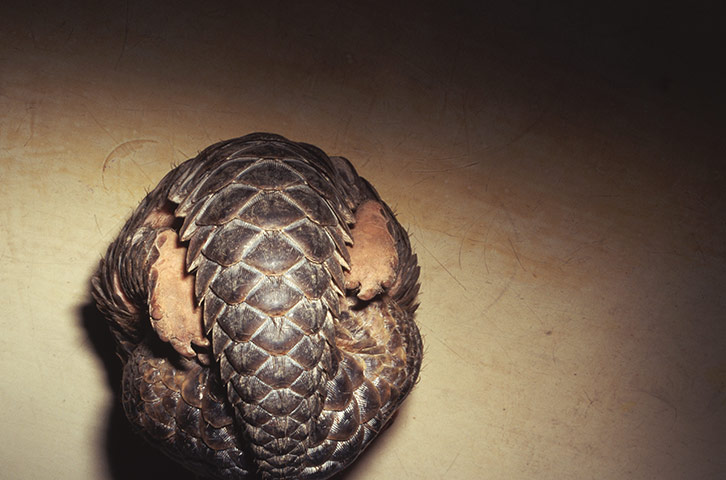
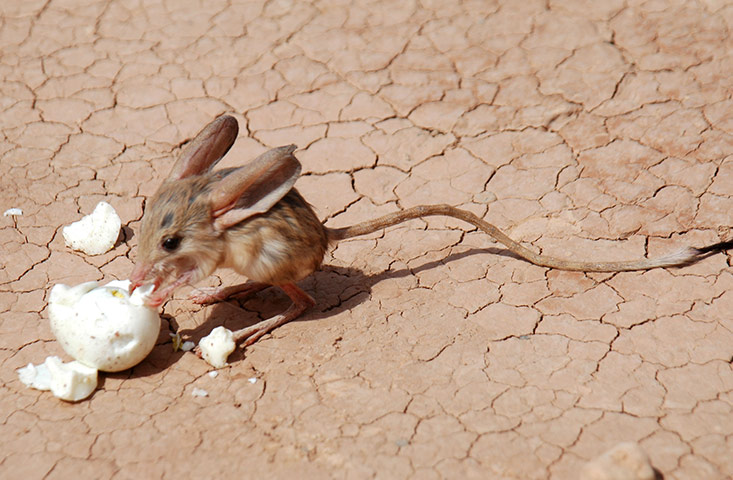
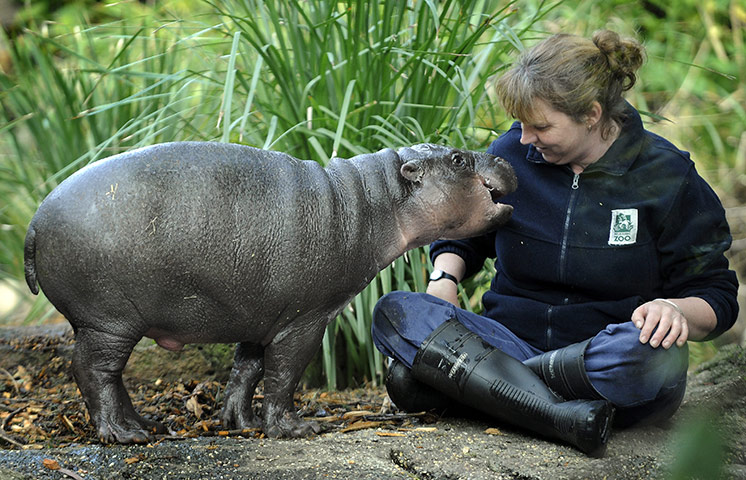
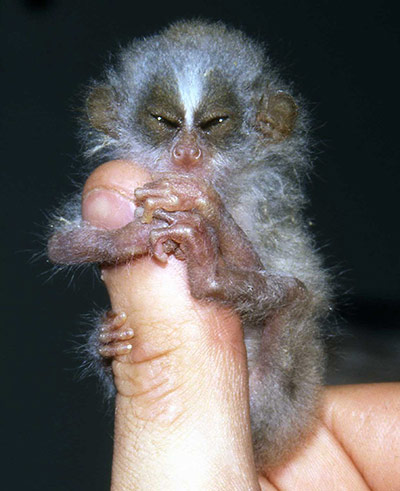
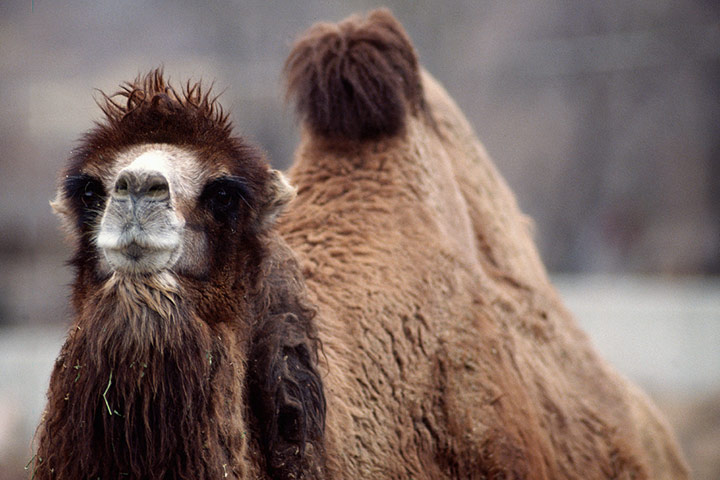
Ganges river dolphin – the last descendant of one of the earliest groups of long-beaked dolphins that used to occur across the world’s seas millions of years ago. Extremely unusual looking with a thin beak, this freshwater dolphin is virtually blind. It swims on its side and upside down and uses finger-like projections on its fins to find food along the bottom of the rivers in which it livesPhotograph: Rex FeaturesBlack and white ruffed lemur – the largest of the true lemurs and Madagascar’s answer to the bumblebee, this species is thought to be the word’s largest pollinator. It has developed a unique relationship with the traveller’s tree, unwittingly collecting pollen on its fur as it sips nectar from the tree’s flowers Photograph: Graham Turner/GuardianThe Asian tapir has a distinct black and white body pattern. Its most distinctive feature is its long, fleshy, prehensile nose which it uses to grab leaves. Although threatened mostly by habitat loss, hunting is becoming an increasing threat to this shy, gentle creature as hunters switch from depleted preferred large prey species to tapirPhotograph: David Moir/ReutersRondo dwarf bushbaby – the smallest and most threatened of the bushbabies, this species is known from just seven isolated and highly threatened forest patches in Tanzania. It is listed as one of the world’s top 25 most endangered primatesPhotograph: Johan Karlsson/ZSLChinese pangolin – unusually for a mammal, pangolins are covered in scales, which are formed from fused hair and contribute to a quarter of the species’ total weight. With its powerful claws and long (up to 40cm) tongue, Chinese pangolins are specialised for feeding solely on ants and termites, resulting in them sometimes being given the alternative common name of scaly anteaters. This species is being massively overexploited for its meat – which is considered a delicacy – and for its skin and scales which are used in traditional Chinese medicinePhotograph: Keren Su/CorbisLong-eared jerboa are small jumping rodents that resemble mice with long tufted tails and very long hindlegs. The long-eared jerboa can be distinguished from other jerboas by its enormous ears, which are about a third larger than its head. Very little is known about this species. Other jerboas are primarily nocturnal, spending the hours of daylight in underground burrows, which they dig themselves. The species is thought to be declining as a result of human disturbance of its habitatPhotograph: Liu Jian/CorbisPygmy hippopotamus. The name hippopotamus derives from the Greek for 'river horse', and is a particularly apt description for the pygmy hippo, which spends much of its time resting in rivers or swamps. The species has a severely fragmented distribution and is under increasing pressure from logging, farming and human settlement. The small isolated Nigerian population is thought to be extinct. There have been no confirmed reports of this distinct subspecies for decades, although unofficial reports from local people provide some encouragement that they may still existPhotograph: Newspix/Rex FeaturesSlender loris - has extremely thin arms and legs. Its face is dominated by huge round eyes which give it excellent night vision and enable it to hunt for insects in the dark. Populations of this small primate are declining because their forest habitats are being destroyed for logging, agriculture and developmentPhotograph: HO/ReutersBactrian camel. This camel is probably the ancestor of all domestic two-humped camels. It is superbly adapted to life in the harsh Gobi desert, one of the most hostile and fragile regions on the planet. The species can withstand drought, food shortages and even radiation from nuclear weapons testing. Fewer than 1,000 individuals survive today in only four locations. Classified as critically endangered, these animals continue to be threatened by hunting, habitat loss, and competition for resources with introduced livestockPhotograph: Scott T. Smith/Corbis
Sign up to read this article
Read news from 100’s of titles, curated specifically for you.