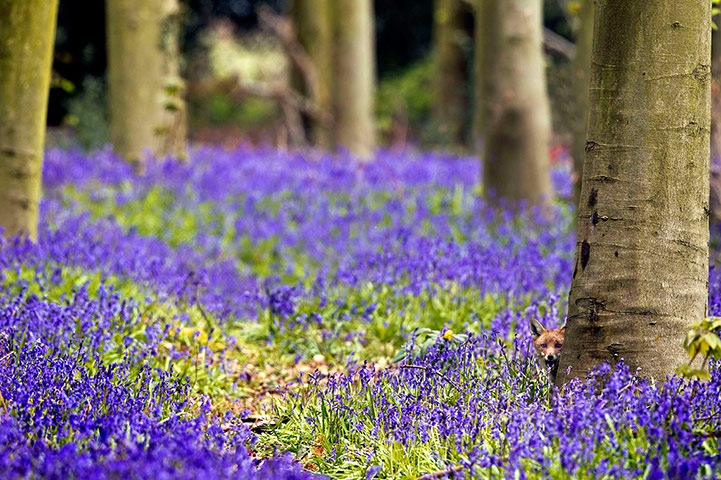
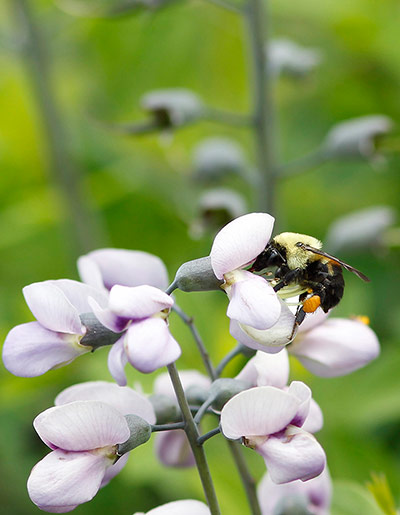
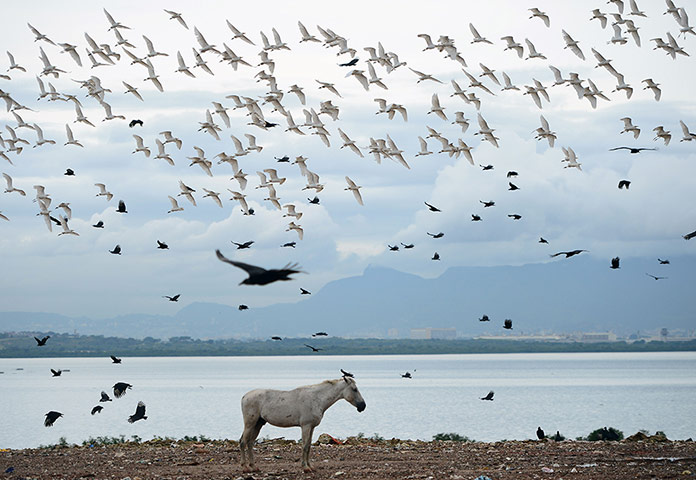
This stunning image of a fox surrounded by bluebells shows the beauty of British springtime at its best. The striking scene was captured by wildlife photographer Brian Bevan near his home in Potton, Bedfordshire. The 61-year-old rescued the orphaned vixen almost a year ago after her mother was hit by a car. Now the fox, called Anuska, loves going for a stroll, giving art teacher Brian some perfect picture opportunities. The father-of-three, who started photographing wildlife after inheriting a camera from his grandfather more than 50 years ago, says Anuska is fascinating to watch. Photograph: Brian Bevan/Caters News AgencyA bumblebee collects nectar on a warm spring day in New York. Photograph: Brendan Mcdermid/ReutersA horse stands in the Jardim Gramacho landfill, the biggest in South America. The site, in Rio de Janeiro, will close on 1 June.Photograph: Christophe Simon/AFP/Getty Images
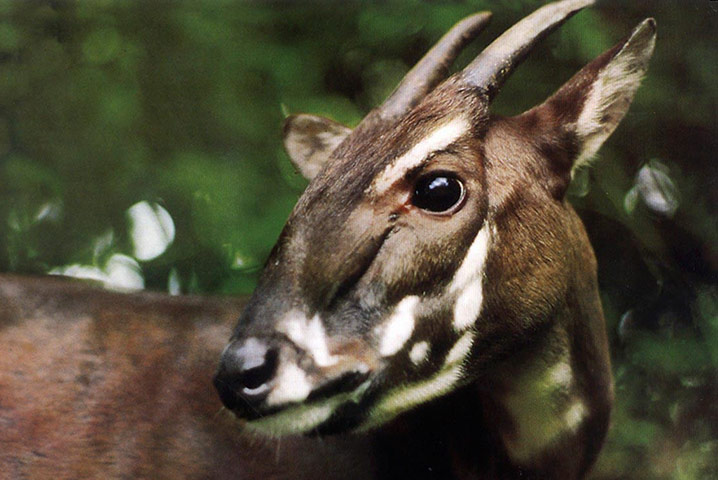
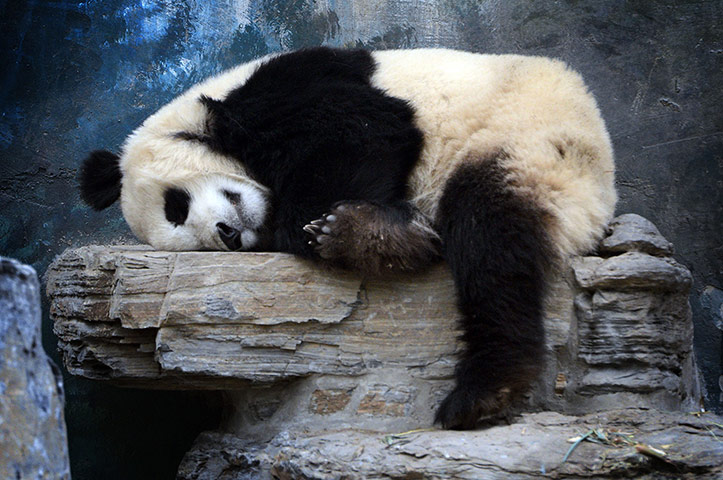
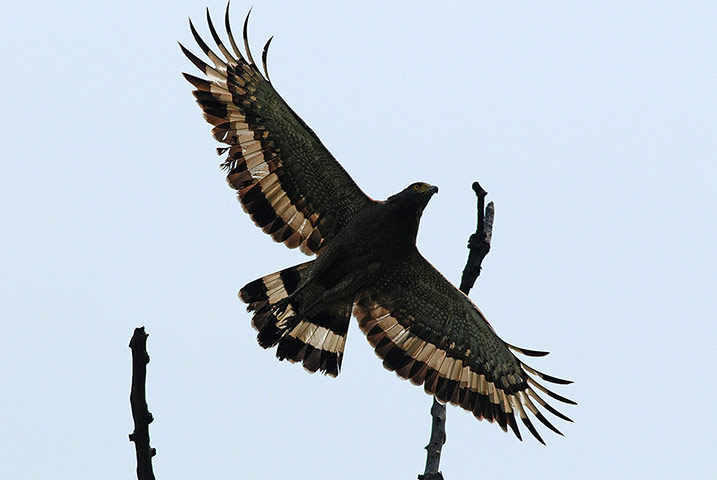
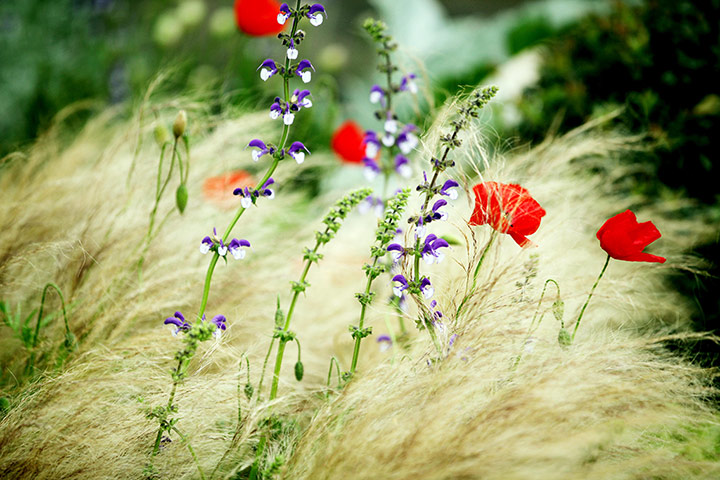
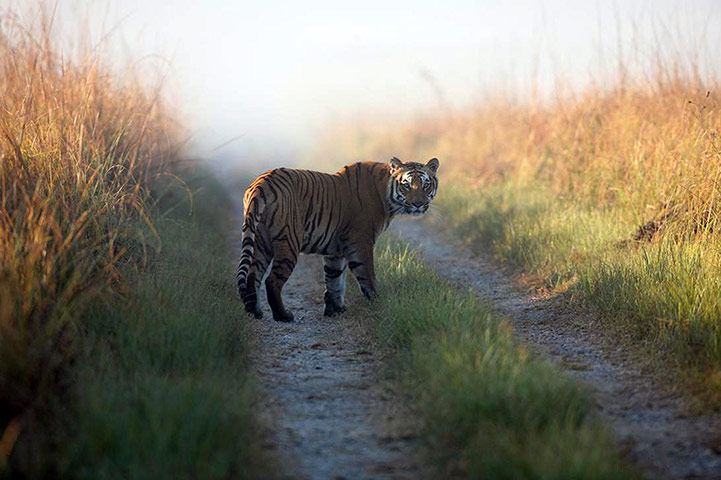
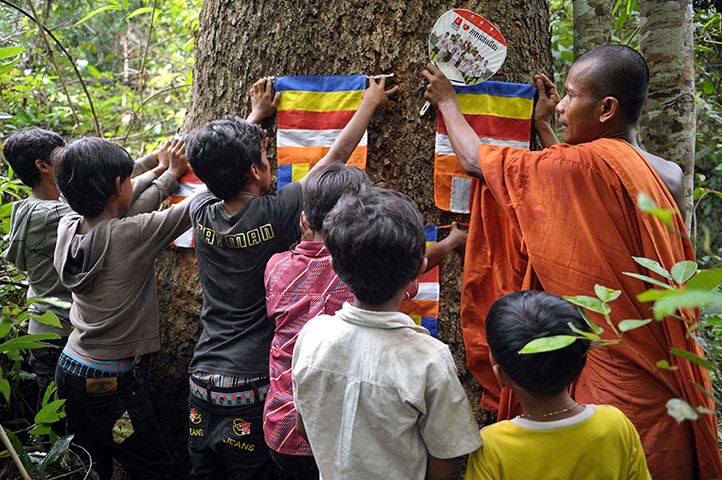
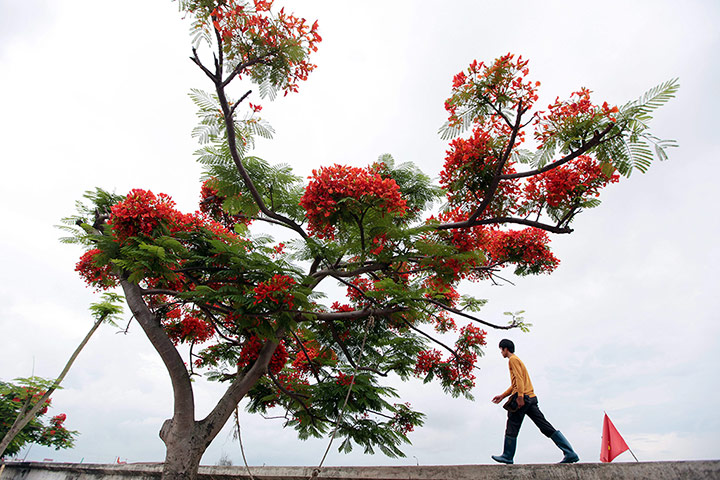
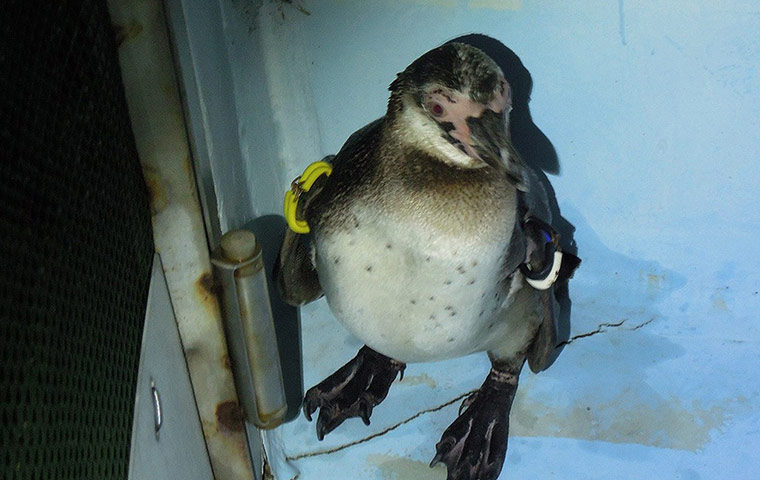
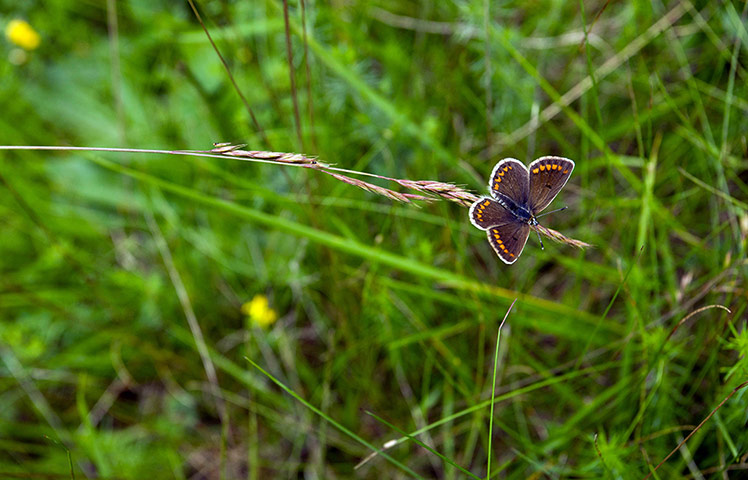
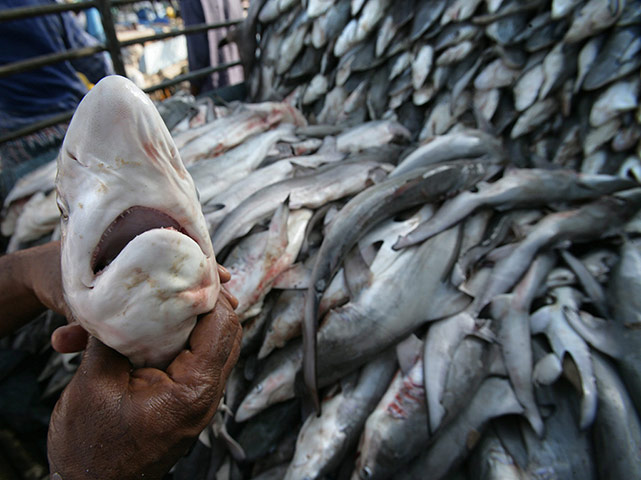
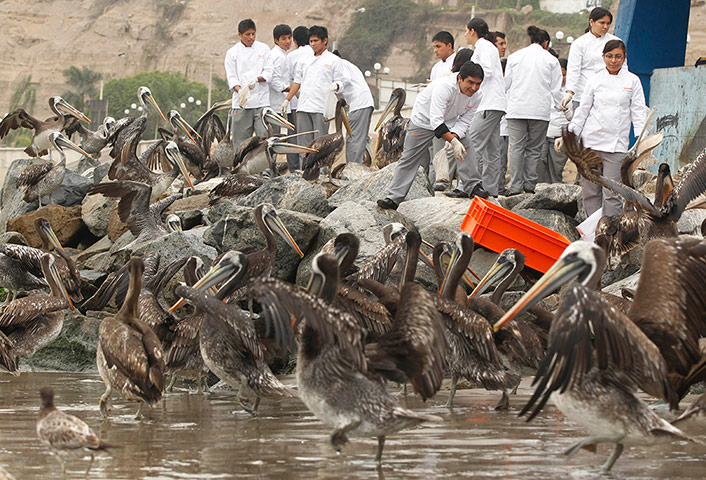
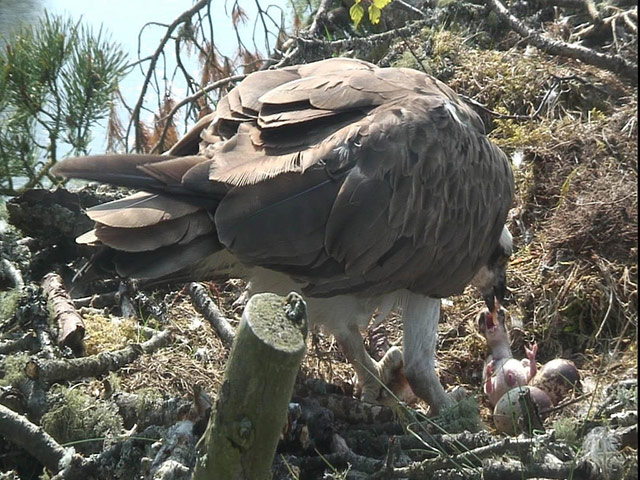
The recent construction of a nature reserve in Quang Nam, central Vietnam, raises hope for the survival of the recently discovered and critically endangered soala. The reclusive antelope-like species is known locally as an Asian unicorn. Photograph: APA panda has a nap in the Olympic Games Panda Bear enclosure at Beijing zoo. The grounds, originally a Ming dynasty palace, were opened to the public in 1908. During the second world war most of the zoo's animals died of starvation – only 13 monkeys and an elderly emu survived. Photograph: Mark Ralston/AFP/Getty ImagesA serpent eagle takes flight in search of prey in Mayong reserve on the outskirts of Guwahati city, north-east India.Photograph: STR/EPAThomas Hoblyn's garden at the Chelsea Flower Show for Arthritis Research UK was inspired by the great Renaissance gardens of Italy. It is based around classical ideals of order and symmetry but with the traditional flamboyance stripped out for a more minimal design.Photograph: Graeme Robertson/GuardianA tiger strolls around Corbett national park in India. Maharashtra state in the west of the country has declared war on poaching by sanctioning its forest guards to shoot hunters on sight in an effort to curb attacks against tigers, elephants and other wildlife. About half of the world's estimated 3,200 tigers live in dozens of Indian reserves founded in the 1970s. Photograph: Corbett Tiger Reserve/APA locust sits on a wheat stalk in a field owned by a local agrarian farm near the town of Neftekumsk, east of Stavropol in Russia.Photograph: Eduard Korniyenko/ReutersA Cambodian Buddhist monk, who lives in Aoral wildlife sanctuary, and children display religious flags on a tree in a forest in Kampong Speu province, 100km west of Phnom Penh. The fight against illegal logging has turned deadly in Cambodia, but villagers say the murder of a key activist has hardened their resolve to take forest protection into their own hands.Photograph: Tang Chhin Sothy/AFP/Getty ImagesLeuser, a blind Sumatran orangutan has survived poachers, air rifles and deforestation during its 13 years. The animal has been saved twice by the Sumatran orangutan conservation programme. It now resides in captivity at their quarantine centre in Medan after being shot 62 times by villagers seeking entertainment.Photograph: Paul HiltonA man strolls past a red flamboyant tree on a street in Hai Phong, Vietnam. Red flamboyant is the symbol of Hai Phong, which is also named 'The city of the red flamboyant'. According to tradition, summer has arrived when flamboyant flowers bloom.Photograph: Luong Thai Linh/EPAA rescued humboldt penguin, which had escaped from a park in Tokyo, Japan. The bird, which had been on the run from the Tokyo aquarium since early March and even outwitted the coastguard in its determined push for freedom, was recaptured in good health. The animal was found sleeping under a bridge over the Edo river by a pair of the park's keepers in Ichikawa, Chiba prefecture, about five miles from its home, after a tip-off call.Photograph: Tokyo Sea Life Park/AFP/Getty ImagesAn aricia agestis butterfly roosts on grass. More commonly known as brown argus, the species was once rare and declining as it relied upon just one type of plant for surivival. Warmer temperatures have helped it expand its range by 40 miles in the past two decades, moving north at more than 2.3 times the average pace of other flourishing insect species.Photograph: Bob Gibbons/AlamyHundreds of juvenile sharks are piled on the back of a truck before heading to market to be finned in the red sea port of Hodeidah, Yemen. Forty-one global marine scientists have signed a letter and presented it to the Hong Kong government, urging them to take action to protect dwindling populations of species and countering recent misinformation alleging the shark fin trade is sustainable. The letter, presented by Professor Yvonne Sadovy of Hong Kong University School of Biological Sciences, says action is needed to protect fast-declining numbers, given the animal's importance to the health of our oceans and that about 50% of the shark fin trade passes through the city. Photograph: Paul Hilton/EPALocal chefs and restaurant owners feed fish to pelicans in an effort to save them from starvation at a pier in Chorrillos, Peru. Scientists studying the mass die-off of thousands of the birds on the country's beaches suspect hotter-than-usual ocean temperatures have driven a popular type of anchovy deeper into the sea, beyond the reach of many young pelicans.Photograph: Martin Mejia/APAn osprey thought to be the oldest in the UK has hatched her 48th chick - her first in two years - at a nature reserve. The 26-year-old bird, known as Lady to staff at the Loch of the Lowes reserve in Dunkeld, Perthshire, has returned to the park for 22 years, during which time she has laid 64 eggs.Photograph: Scottish Wildlife Trust/PA
Sign up to read this article
Read news from 100’s of titles, curated specifically for you.