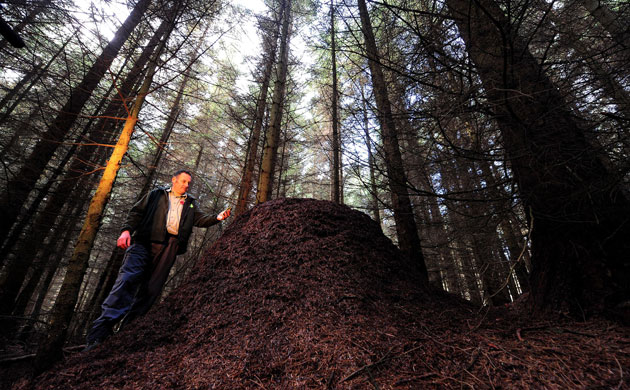
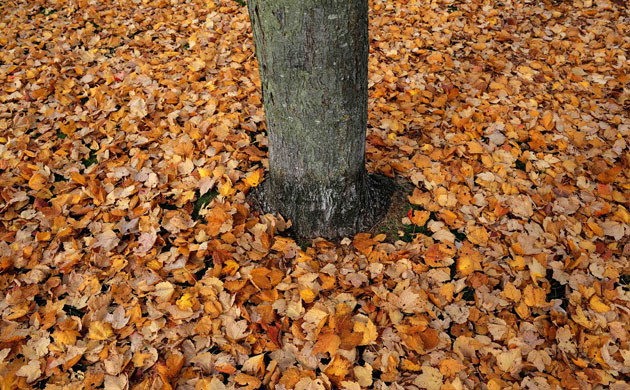
A 14-pointer red deer stag makes his way through the fern in a very autumnal Wollaton Park, NottinghamshirePhotograph: Andrew Matthews/PAJonathan Farries from the Forestry Commission in the Holystone forest, Northumberland, checking the GPS settings on a rare giant hairy northern wood ant nest. The nests are made from millions of conifer needles and have been given a unique GPS address and plotted on a map for their protectionPhotograph: Owen Humphreys/PAFallen leaves beneath a tree in Farnborough, England. According to a US Geological Survey report, the patterns of tree deaths across the globe reveal new risks to forests from climate changePhotograph: Kieran Doherty/Reuters
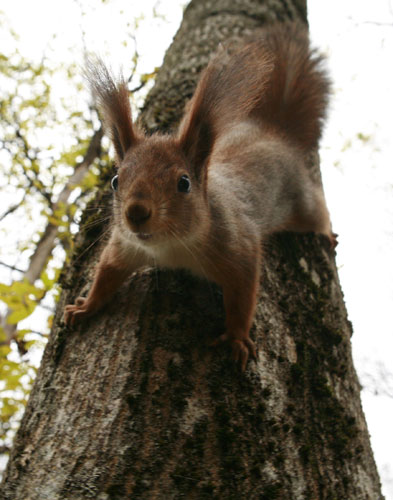
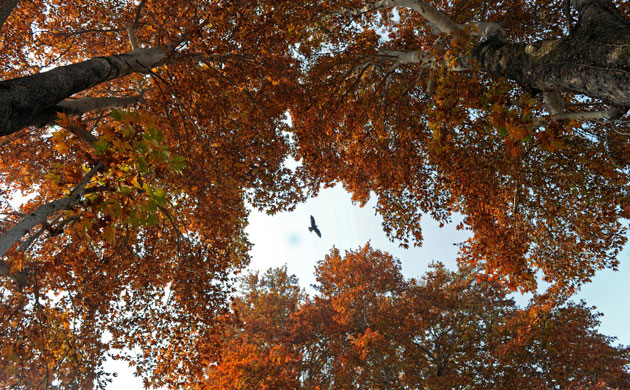
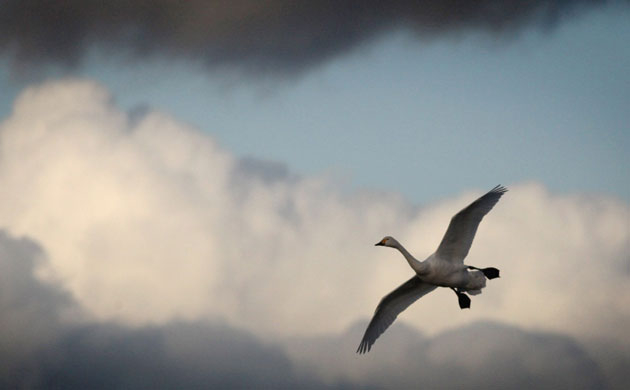
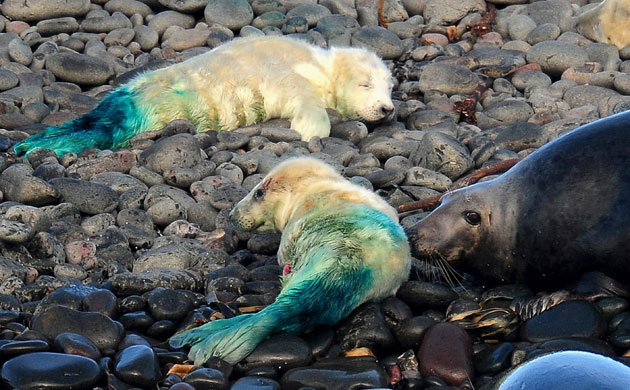
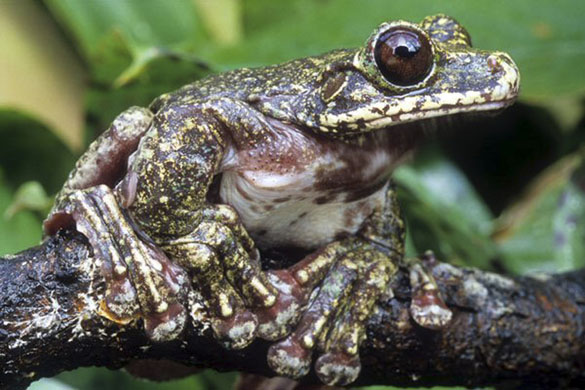
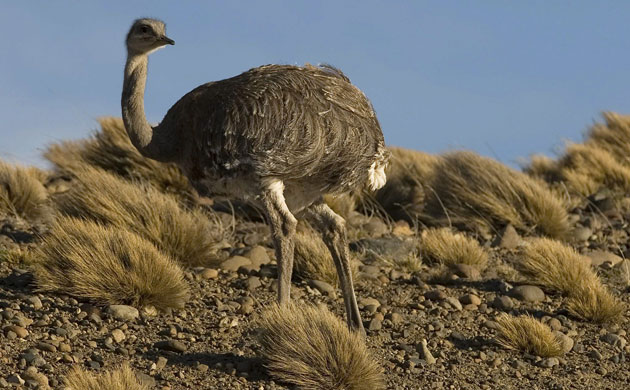
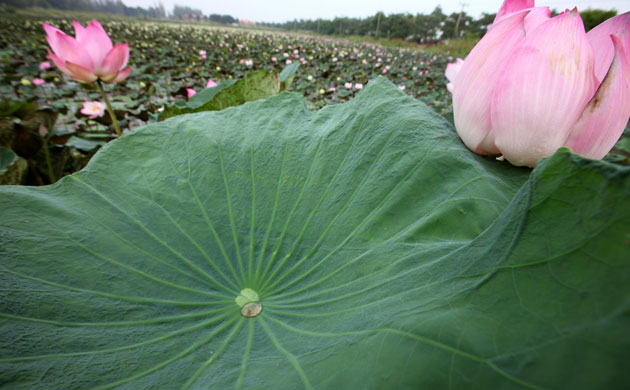
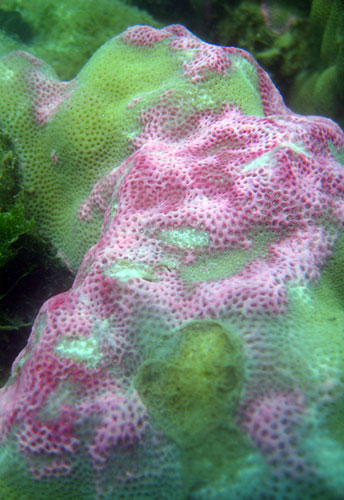
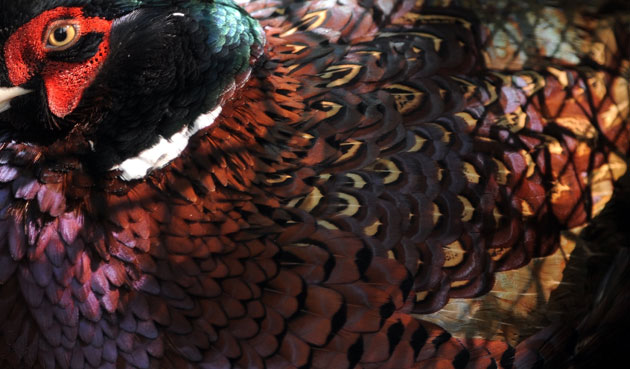
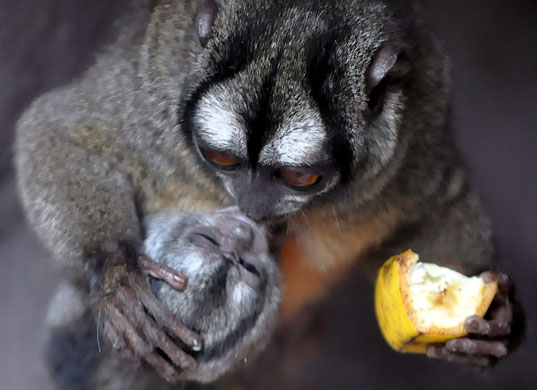
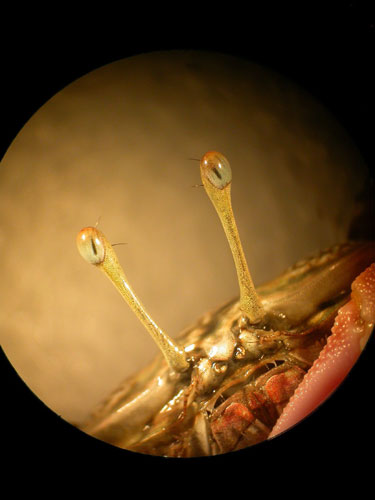
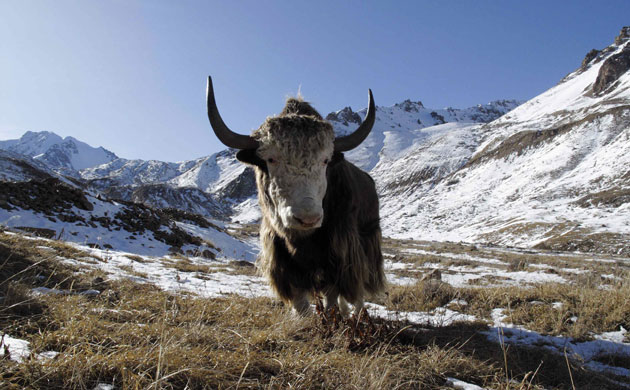
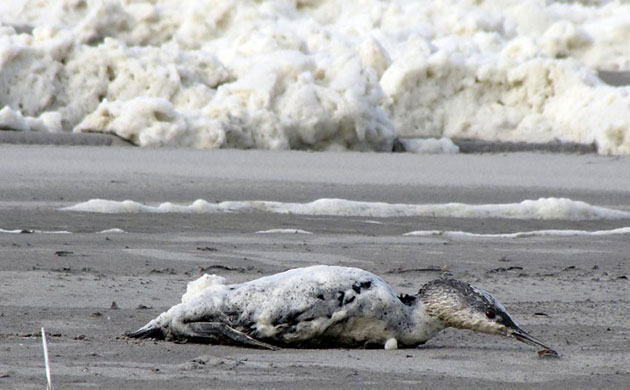
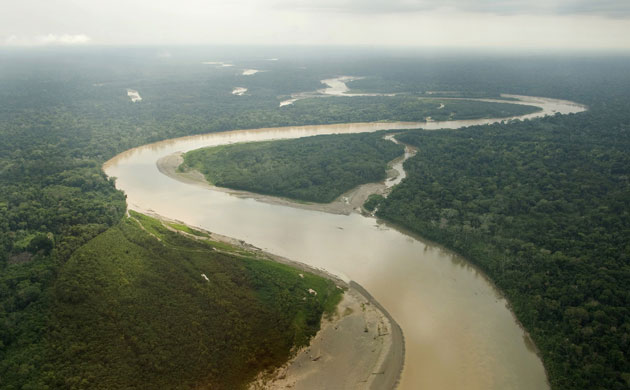
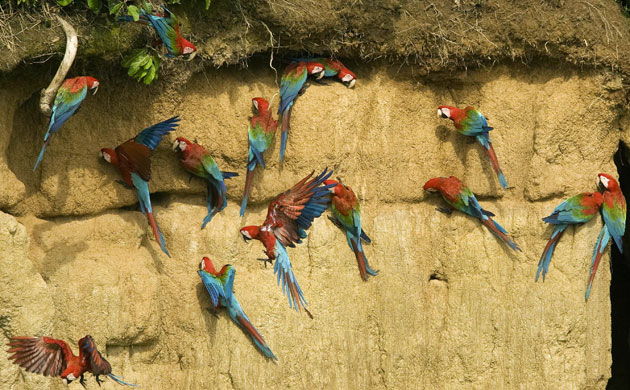
A squirrel scampers down a tree in a park in Stavropol, RussiaPhotograph: Eduard Korniyenko/ReutersAn eagle flies past chinar (maple) trees in Srinagar, KashmirPhotograph: Tauseef Mustafa/AFP/Getty ImagesA Bewick's swan flies into the Wildfowl and Wetlands Trust in Slimbridge, Gloucestershire, England. Bewick's swans have begun their annual migration from Arctic Russia to the bird sanctuary, but experts have expressed concern at their declining numbers across north Europe. Their arrival, later than usual and traditionally the signal of a cold snap, was a surprise because of recent high winds that were blowing from the wrong directionPhotograph: Matt Cardy/Getty ImagesNewly born seal pups on the Farne Islands in Northumberland, home to a colony of more than 4,000 seals. It is expected that up to 1,000 more pups will be born here before the end of NovemberPhotograph: Owen Humphreys/PAThe Rabb's fringe-limbed tree frog, which only became known to scientists four years ago, is one of 1,895 amphibian species that could soon disappear from the wild, says the IUCN Nearly 50,000 animals and plants were surveyed for this year's "red List" of endangered species and 17,291 of them are threatened with extinction. And here are the ten countries with the most endangered species in themPhotograph: Brad Wilson/guardian.co.ukA nandu or rhea bird at the Cerro Castillo, Patagonia, Argentina. It is the biggest bird in South America, and although it cannot fly its body is adapted to runPhotograph: Ian Salas/EPAA drop of water on a lotus plant in Sukhothai, northern Thailand. The plant is eaten in Thailand and used in beauty products, as well as featuring in Thai architecture and artPhotograph: Barbara Walton/EPACoral has developed colourful glowing 'scabs' to help it heal from breakage and fish bites, a recent study has foundPhotograph: Caroline Palme/James Cook UniversityA ring-necked pheasant in its enclosure at the New Delhi zoo. The 214-acre park is home to more than 2,000 species of animals and birdsPhotograph: Manan Vatsyayana/guardian.co.ukA grey-bellied night monkey (Aotus lemurinus), called Marteja, feeds its baby at the Santa Fe zoo in Medellin, Colombia. The cub is the first to be born in captivity after almost 10 years of attemptsPhotograph: Edgar Dominguez/EPAThe eye stalks of a fiddler crab. Researchers in Australia have discovered that female fiddler crabs rely on the male's large claw to protect them from other suitorsPhotograph: ARC Centre of Excellence in Vision and Science HANDOUT/guardian.co.ukA yak grazes on a grass patch some 3,000 metres above sea level in the mountains outside Almaty, KazakhstanPhotograph: Shamil Zhumatov/REUTERSCoated by an unidentified algae foam, a murre or guillemot waits to be rescued along the Oregon coastPhotograph: Penelope Chilton/COSSTThe Manu River in south Peru's Manu biosphere reserve. This 1.8m hectare reserve is home to 600 birds species, 11 monkey species and caymans and has one of the highest levels of biodiversity of any park, with more than 200 varieties of trees found in one hectarePhotograph: Enrique Castro-mendivil/REUTERSRed and green macaws on a clay riverbank at the Manu biosphere reservePhotograph: Enrique Castro-mendivil/REUTERS
Sign up to read this article
Read news from 100’s of titles, curated specifically for you.