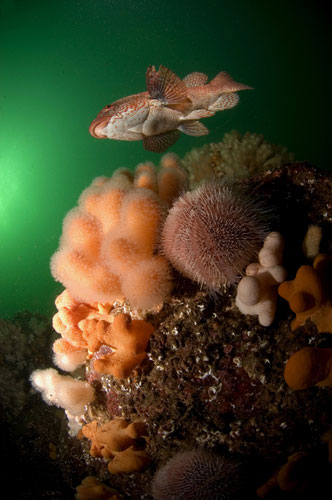
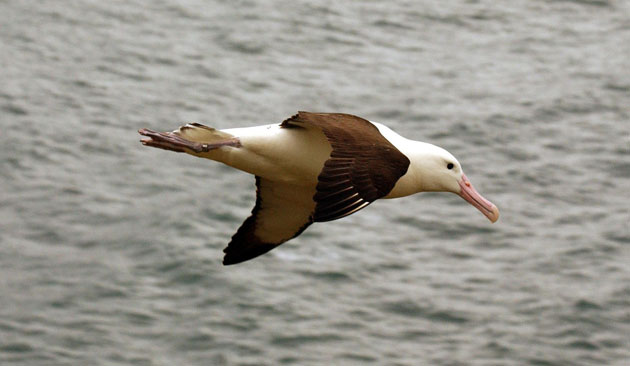
A tree grows through the bumper of a VW Beetle in a garden near Fuldatal, Germany. The Beetle was supposedly the first car to cross the border after the Berlin Wall fell 20 years agoPhotograph: Uwe Zucchi/guardian.co.ukBallan wrasse (Labrus bergylta) and dead man's fingers (Alcyonium digitatum). Dead man's fingers is actually a type of soft coral that forms thick, fleshy finger-like projections. They form in groups and can often cover large areas of reef, as seen here. They may be pink, orange, white, grey or yellowPhotograph: David Stephens/Wildlife TrustA giant albatross, as conservation groups have warned that a number of seabirds are facing the threat of extinction due to the fishing industryPhotograph: John Stillwell/PA
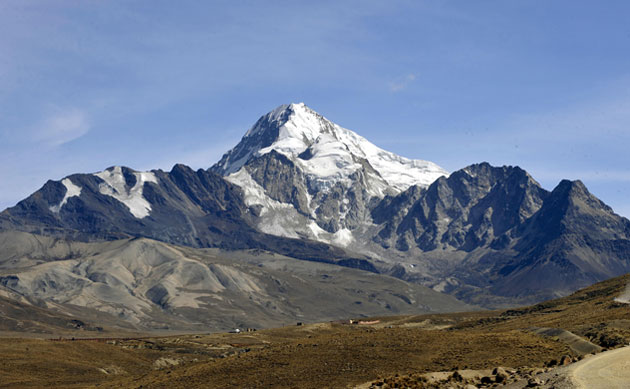
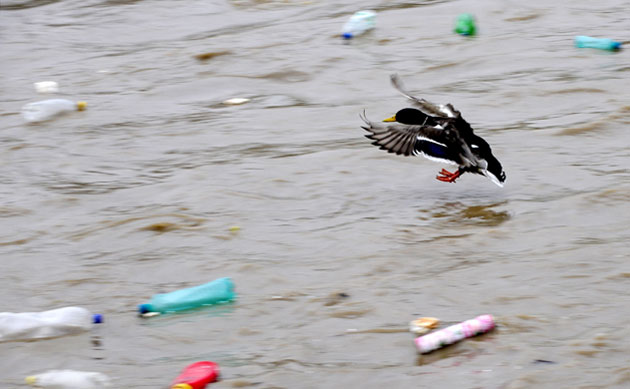
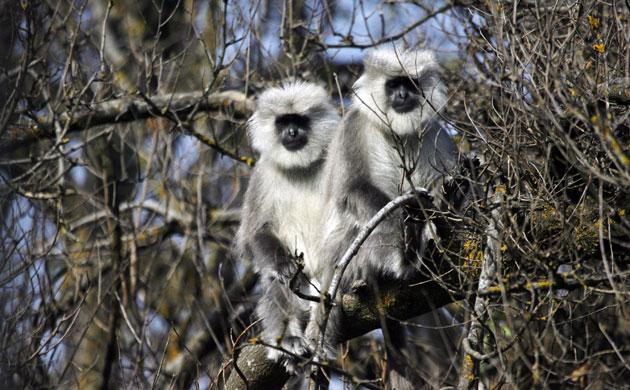
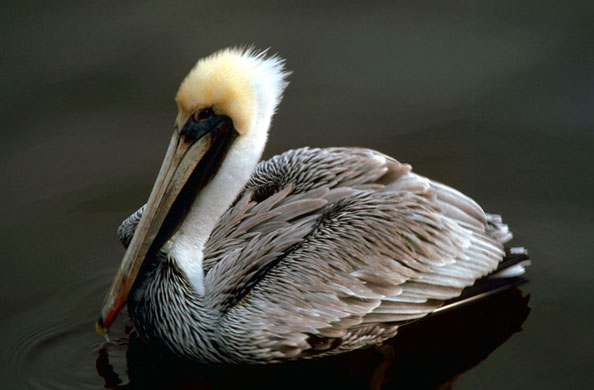
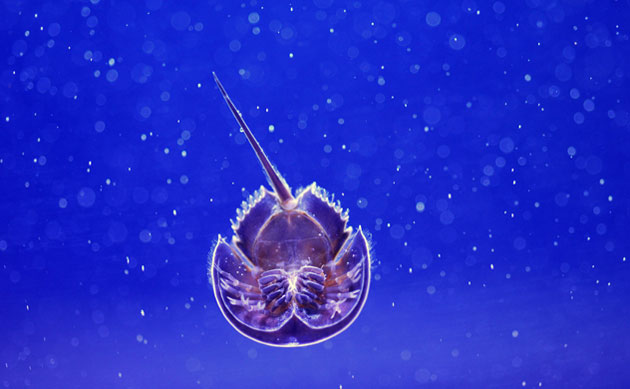
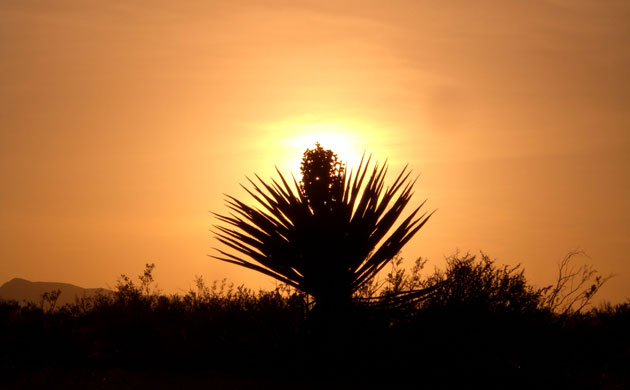
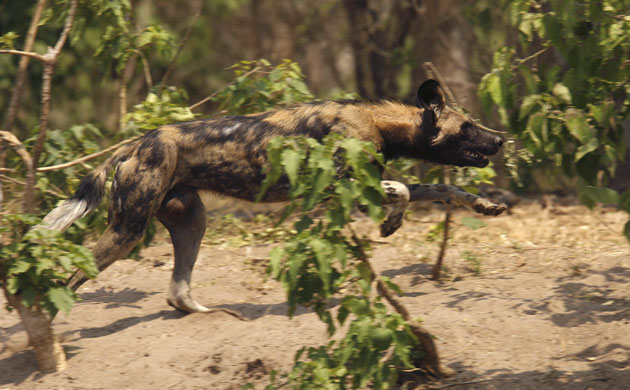
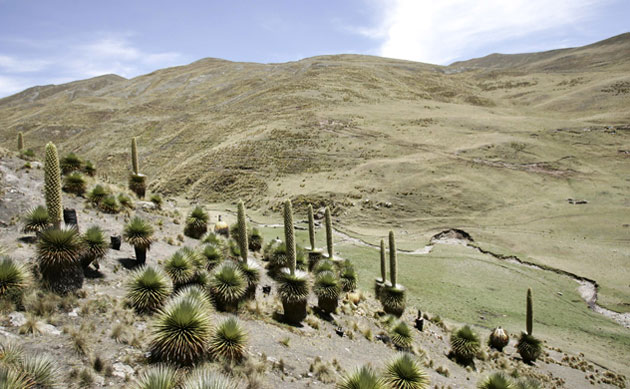
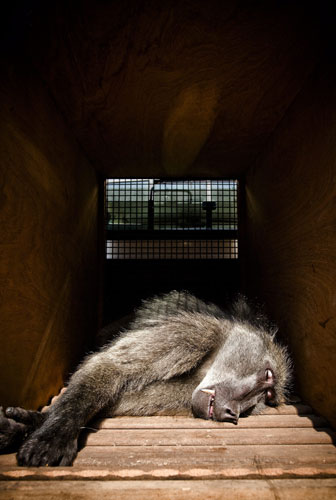
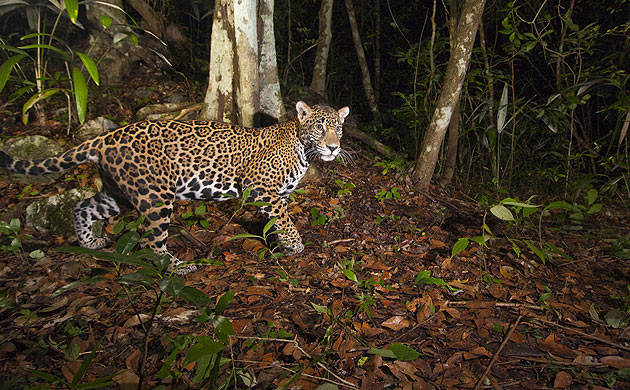
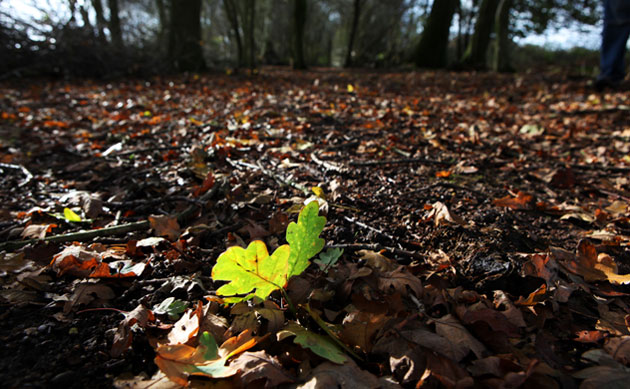
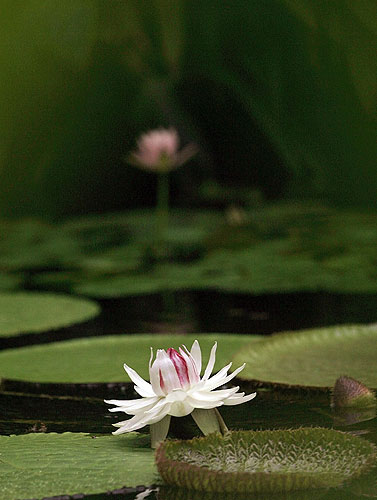
View of the Huayna Potosi from the Chacaltaya mountain, 25 miles from La Paz. The renowned Chacalyaya's ski run at 5,300m, is now closed because of global warming and all that remains is a rocky hilltop. During Chacaltaya's Golden Times in the 60s, its ski slope covered a surface of 1.6 square km, while the snow today covers some 10 sq metres onlyPhotograph: Aizar Raldes/AFP/Getty ImagesA ducks flies over plastic bottles floating on the largest river in Skopje, Vardar Macedonia Photograph: Ognen Teofilovski/ReutersHimalayan langurs rest on a tree in Dachigam national park on the outskirts of Srinagar, IndiaPhotograph: Fayaz Kabli/ReutersA pied kingfisher rests above a fish pool at Kibbutz Maagan Michael north of the Israeli city of HaderaPhotograph: Gil Cohen Magen/ReutersA donkey painted to resemble a zebra in its cage at the Marah Land Zoo in eastern Gaza City. In 2008 the Marah Zoo was a fully functioning zoo, but during Israel's January offensive, 90% of the animals died. Due to restrictions of the Israeli and Egyptian blockade - new animals can not be obtained - unless they are transported through the tunnels. As a result, there are not as large a variety of animals as before, but Gazans still flock to the zoo, due to the lack of sources of entertainment in the Gaza StripPhotograph: Tara Todras-whitehill/APA brown pelican at the Everglades National Park in Florida. The brown pelican, pushed to the edge of extinction in the 1970s by pesticide use, habitat loss and hunting, was taken off the endangered species list, US secretary of the interior Ken Salazar said."We can celebrate an extraordinary accomplishment: the brown pelican is endangered no more," Salazar said. "It has taken 36 years, the banning of DDT and a lot of work by the US government, the states, conservation organizations, dedicated citizens and partners, but today we can say that the brown pelican is back," Salazar saidPhotograph: USFWS/AFP/Getty ImagesA Tachypleus tridentatus swims in an aquarium tank during the annual Taiwan International Aquarium Expo at the World Trade Centre in Taipei. More than 100 tanks of fish from nine Asian countries can be seen during the exhibitionPhotograph: Sam Yeh/AFP/Getty ImagesSunset over the Mojave desert. National Science Foundation research shows that as the world warms up, arid soils lose more nitrogen, which could lead to deserts with even less plant life than they sustain todayPhotograph: Jed Sparks/guardian.co.ukA critically endangered African wild dog (Lycaon pictus) hunts a in the Mana Pools National Park, a World Heritage Site, in northern Zimbabwe. There are only an estimated 3,000 to 5,000 of the predators left in the wild in the whole African continentPhotograph: Howard Burditt/ReutersQueen of the Andes (Puya raimondii) in Chupaca, Peru. The Puya Raimondii is a gigantic inflorescence found in the Peruvian and Bolivian highlands and has a distinctive life cycle, producing seeds once in 80 years, just before dying. The International Union for Conservation of Nature, included the emblematic bromeliad to their red list of threatened species, claiming that climate change may already be impairing its ability to flower and also blaming the expansion of cattle grazing areas for the decreasing in the number of its coloniesPhotograph: Karel Navarro/APA baboon caught roaming Pretoria four weeks ago takes a nap in his cage after a medical check at the Pretoria Zoo in South Africa. After his stay in the zoo he is going to be transported to a new homePhotograph: Gallo Images/Getty ImagesA jaguar (Panthera onca) photographed here via camera trap in Mexico Calakmul national park are the largest cat in America. They are classified as near threatened by IUCNPhotograph: Florian Schulz/guardian.co.ukAutumn leaves fall to the ground from trees in a wood, Hoxne, Suffolk Photograph: Graham Turner/GuardianView of the Victoria Amazonica, the largest flowering plant of the Nymphaeaceae family of water lilies that blooms at the Botanic Garden in Bogotá, Colombia. The species was once called Victoria regia after Queen Victoria but the name was superceded by Victoria Amazonica. It blooms every two or three months in shallow waters of the Amazonian jungles and flowers for three daysPhotograph: Leonardo Munoz/EPA
Sign up to read this article
Read news from 100’s of titles, curated specifically for you.