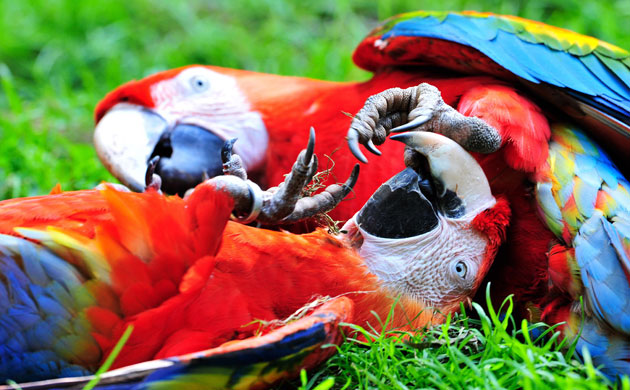
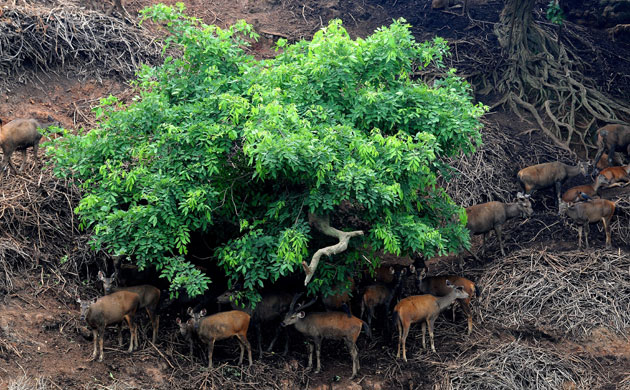
A couple of macaw parrots enjoy themselves in their enclosure at a zoo in the western German city of Muenster. Macaws are native to Mexico, central America, South America, and formerly the CaribbeanPhotograph: Torsten Silz/AFP/Getty ImagesA hare wisely retreats as a combined harvester approaches in a barley field in GermanyPhotograph: Roland Weihrauch/EPASamber deer take shelter near trees as temperatures soar at the Guwahati Zoological Park in Guwahati city, northeast IndiaPhotograph: Stringer/EPA
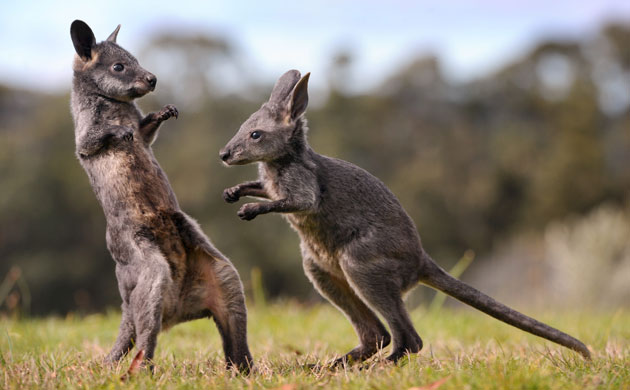
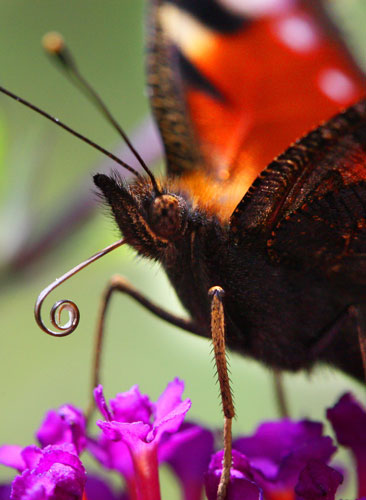
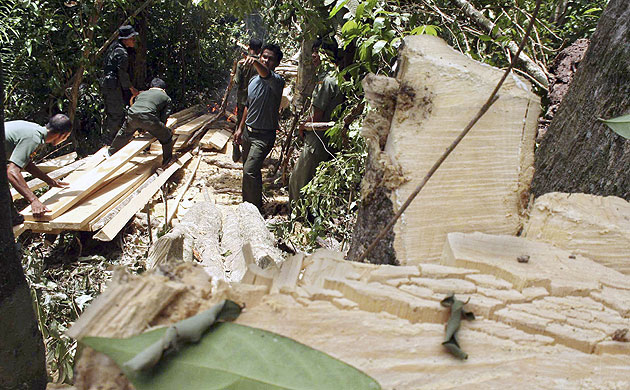
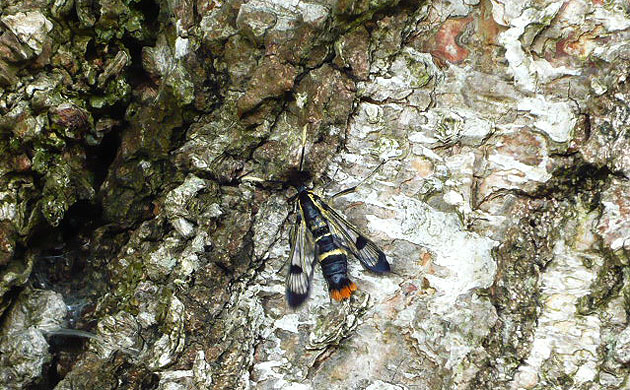
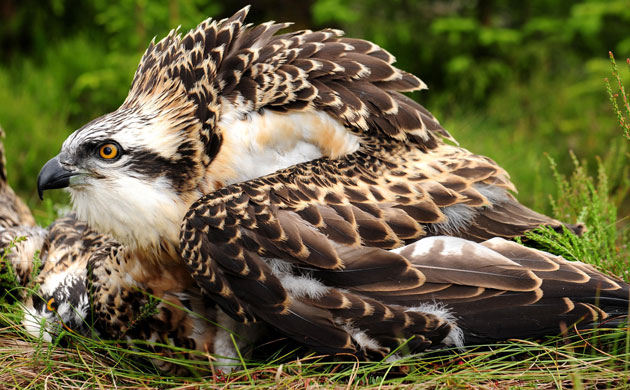
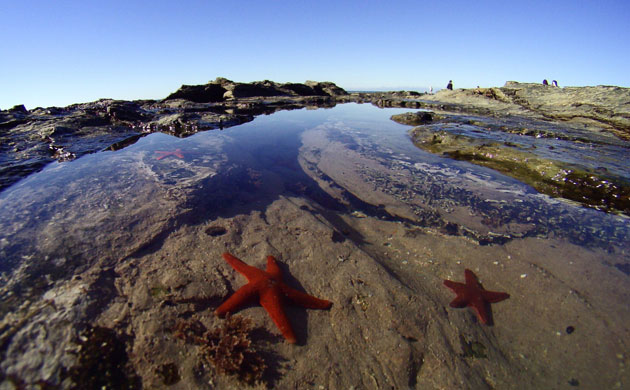
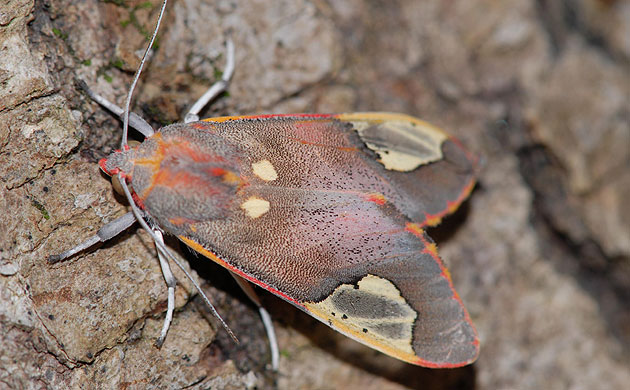
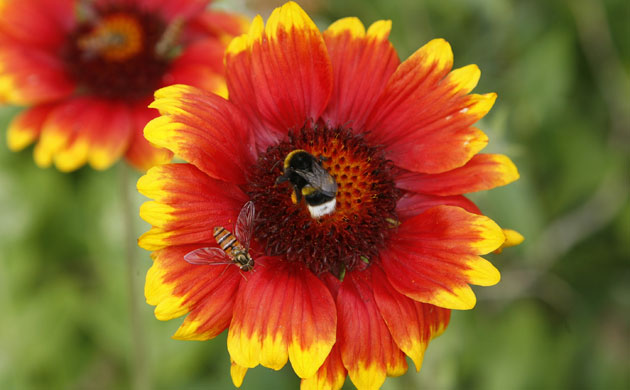
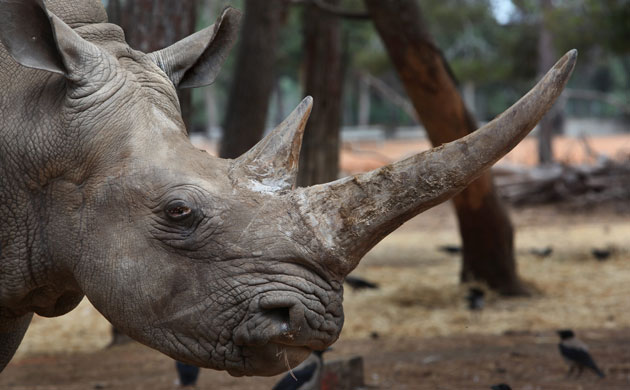
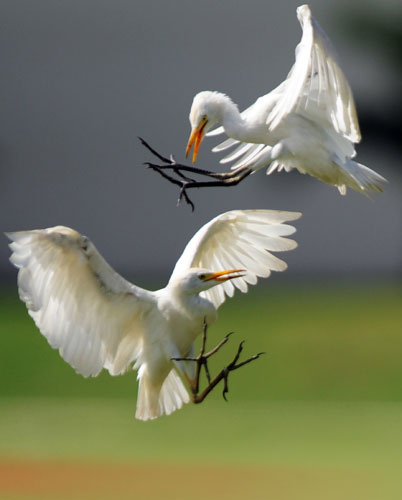
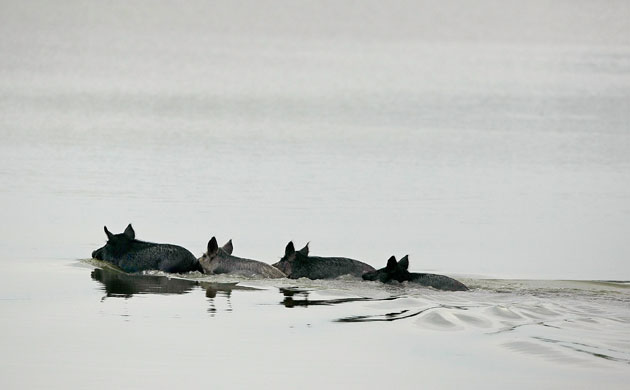
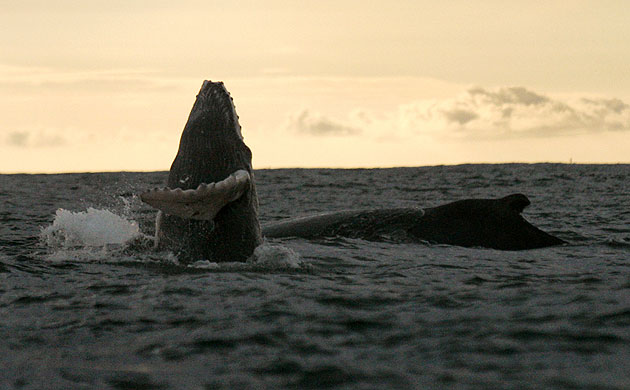
Two orphaned wallabies Mia and Parker play at Emerald Monbulk Wildlife Shelter in MelbournePhotograph: Craig Borrow/Newspix/Rex FeaturesA peacock butterfly, found in temperate Europe and Asia, sits on a flower near BerlinPhotograph: Michael Urban/AFP/Getty ImagesForest rangers confiscate woods after a raid at an illegal logging site in Indonesia. The equivalent of 300 football pitches of trees in Indonesia are destroyed every hour due to illegal logging, mining and slash-and-burn land clearing for highly profitable palm oil plantationsPhotograph: Heri Juanda/APA very rare Welsh clearwing moth seen at Radnorshire Wildlife Trust’s Gilfach Farm nature reservePhotograph: The Wildlife TrustsAn osprey chick in the Kielder Forest in Northumberland. The first osprey chicks to be born in Northumberland for at least 200 years are fighting fit and getting ready for take-off. Last week a team of experts from the Forestry Commission paid an early morning visit to the remote nest in 62,000-hectare Kielder Water and Forest Park to ring the youngsters and note their vital statisticsPhotograph: Owen Humphreys/PAStarfish in a rock pool in Jeffreys Bay, South AfricaPhotograph: Nic Bothma/EPAA bertholdia trigona tiger moth which jams the sonar of hungry bats with bursts of its own ultrasound. Researchers have discovered that radar beams could be used to protect bats from flying into wind turbinesPhotograph: William Conner/PAA Malaysan pangolin (manis javanica), also known as a scaly anteater, climbing a tree in Malaysia. China's insatiable demand for pangolins is threatening the survival of the vital pest eaters in south-east Asia and governments must do more to protect them, experts and activists warned this weekPhotograph: Bjorn Olesen/AFP/Getty ImagesA bumble bee and a wasp, on a flower in Euskirchen, western Germany. Pesticides called neonicotinoids are widely implicated in the deaths of honeybees across the worldPhotograph: Hermann J. Knippertz/APA white rhinoceros grazes at the safari park in Ramat Gan, Israel. As few as 18,000 of this threatened species could remain because they are hunted for their horns which are believed to have medicinal value in some countriesPhotograph: David Silverman/Getty ImagesTwo white herons fight during the first cricket Test match between West Indies and Bangladesh at the Arnos Vale Ground in KingstownPhotograph: Jewel Samad/AFP/Getty ImagesFour wild hogs swim in the Merritt Island National Wildlife Refuge near the Kennedy Space Center in Florida. The refuge boasts 140,000 acres made up of coastal dunes, saltwater estuaries, marshes, freshwater areas, scrub, pine flatwoods and hardwood hammocks that provide habitat for more than 1,500 species of plants and animalsPhotograph: Chip Somodevilla/Getty ImagesA humpback whale jumps out of the waters off Juanchaco on Colombia's Pacific coast. Every year between June and November, Humpback whales undertake seasonal migration from the Antarctic Peninsula to the equatorial coast of Colombia to breed, feed and rest. To find out about whalewatching in the UK, click herePhotograph: Christian Escobar Mora/AP
Sign up to read this article
Read news from 100’s of titles, curated specifically for you.









.png?w=600)







