
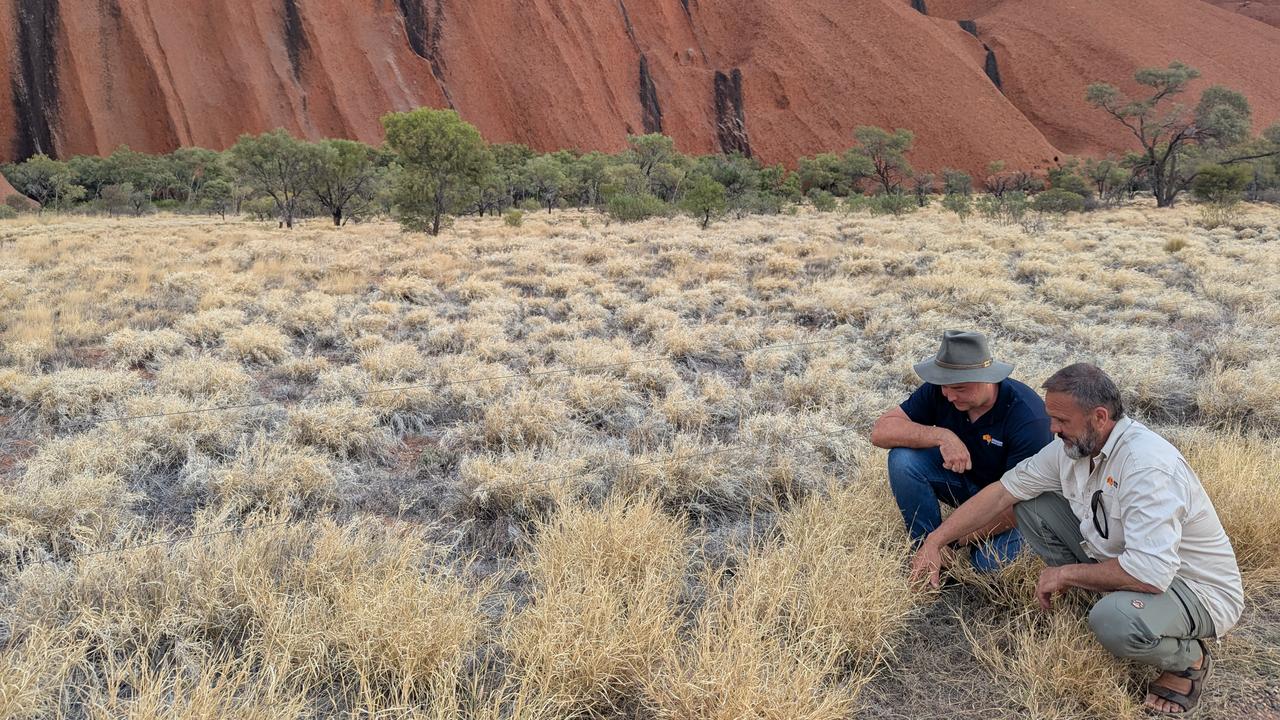
An introduced grass that has surrounded Uluru and is spreading fast across the outback needs urgent measures to control it, an invasive species watchdog says.
Buffel grass is being assessed for recognition as a weed of national significance and the watchdog is concerned a Northern Territory government draft plan is far from strong enough to combat the threat.
The Invasive Species Council wants the NT government to declare the grass a Class A weed requiring eradication in the Darwin and Katherine regions, while mandating Class B control for the rest of the territory.
The savannah grass was introduced to Australia as a stock feed early last century and helps get cattle through dry periods.
"But it fuels very hot fires in arid landscapes and because it grows so quickly after fires it displaces native grasses and becomes a monoculture," council advocacy manager Reece Pianta told AAP on Wednesday.
"Managing buffel grass needs to be a national priority because it's wrecking iconic locations in the heart of our country.
"Uluru is under siege, it's surrounded by a moat of buffel grass."
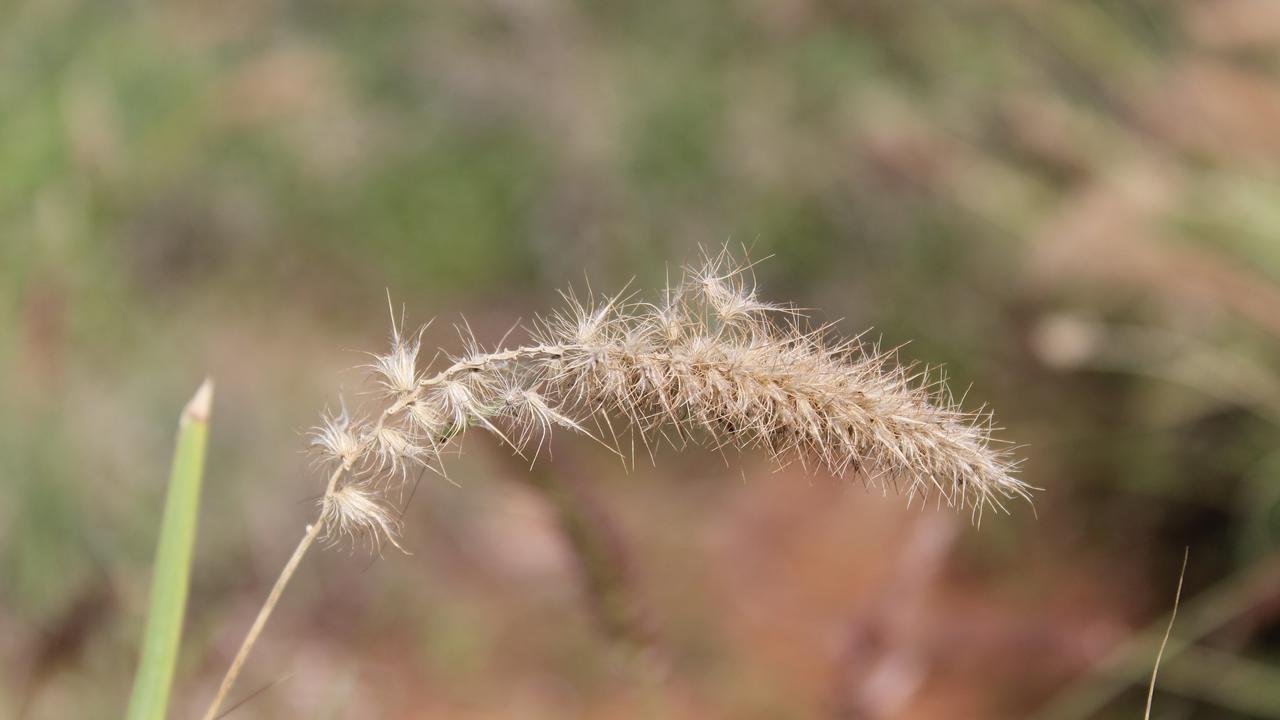
Recognising buffel grass as a weed of national significance would unlock funding for management, national planning coordination and research, Mr Pianta said.
Current eradication methods include digging out the plant or using chemicals to kill it but they are time-consuming and labour intensive in the face of thousands of kilometres of infestation.
Research could lead to quicker and more efficient methods of control.
But farmers have pushed back, declaring the grass crucial to the cattle industry while the NT government has proposed a 10-year exemption for pastoralists in it draft control plan.
Mr Pianta said that would undermine adjacent eradication efforts when huge grazing areas remained covered, locking in long-term spread.
Comment on the issue has been sought from NT Environment Minister Josh Burgoyne and the NT Cattlemens' Association.