For some, a family guides how a person should feel and live in wider communities. In The Analects, Confucius' appreciation of ancestry is conveyed through the image of how a man continues to follow his father's way even after his death.
At the heart of his philosophy is the idea that, unlike in Western thought, human beings are interdependent in webs of relationships.
Supported by the Taipei Economic and Cultural Office (TECO) in Thailand and organised by the Documentary Club, this year's Taiwan Documentary and Film Festival (TDFF) returned to Bangkok and Khon Kaen last month with a portrait of a family, relationships, growth and decay, and everything in between.
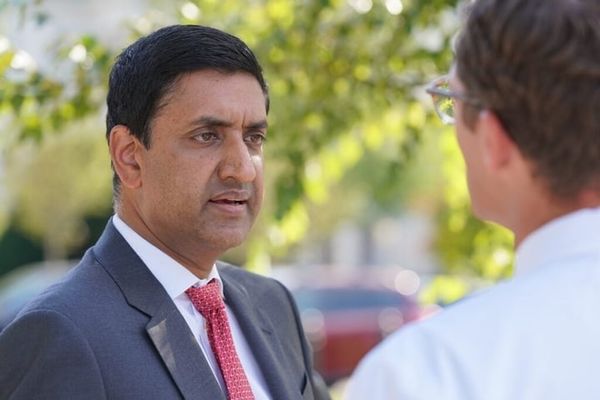
TDFF 2026 began after Taiwan expressed disappointment over the China-Thailand Joint Statement on July 21. At the opening ceremony, Peter Lan, a representative of TECO, took note of a collective effort between partners in Taiwan and Thailand to organise the event for eight years.
Built on the theme "Family Matters", the eighth edition screened Ang Lee's classic trilogy Father Knows Best for the first time.
"It is not only about the father. It is about family members and how they interact," he said.
For Lan, those who "know only using pressure, coercion and threats" are not family members. "They need to know empathy, compassion, respect and love. I'm not going further because everybody has their own right to interpret. After all, we are in a democracy, right?"
Documentary Shorts: From Clay To Cloud
If long documentaries, like Sayun Simung's SPI (2025) and Lu Yuan-chi's La Paloma (2026), illuminate foggy origins following the death of a patriarch, that same effort resonates across two short documentary programmes.
Anchored by the theme of communication, From Clay To Cloud similarly attempts to break through the lingering mist.
Huang Pang-chuan and Lin Chun-ni's Amateur In The Moon (2025) traces the life of Yoshikawa Hayao (1890-1959), a Japanese pioneer of amateur cinema in Asia in the 1930s.
His prolific writing on the technique for producing small-gauge films (9.5mm and 16mm) inspired cine-clubs in Taiwan.
However, all were destroyed by war. Only years later does he rediscover a forgotten dream to create a sci-fi film on the Moon. From camera lens to volcanic craters, circle motifs capture his amateurish return to filmmaking. Linear time ends up in a cycle when "starlight comes from the distant past".
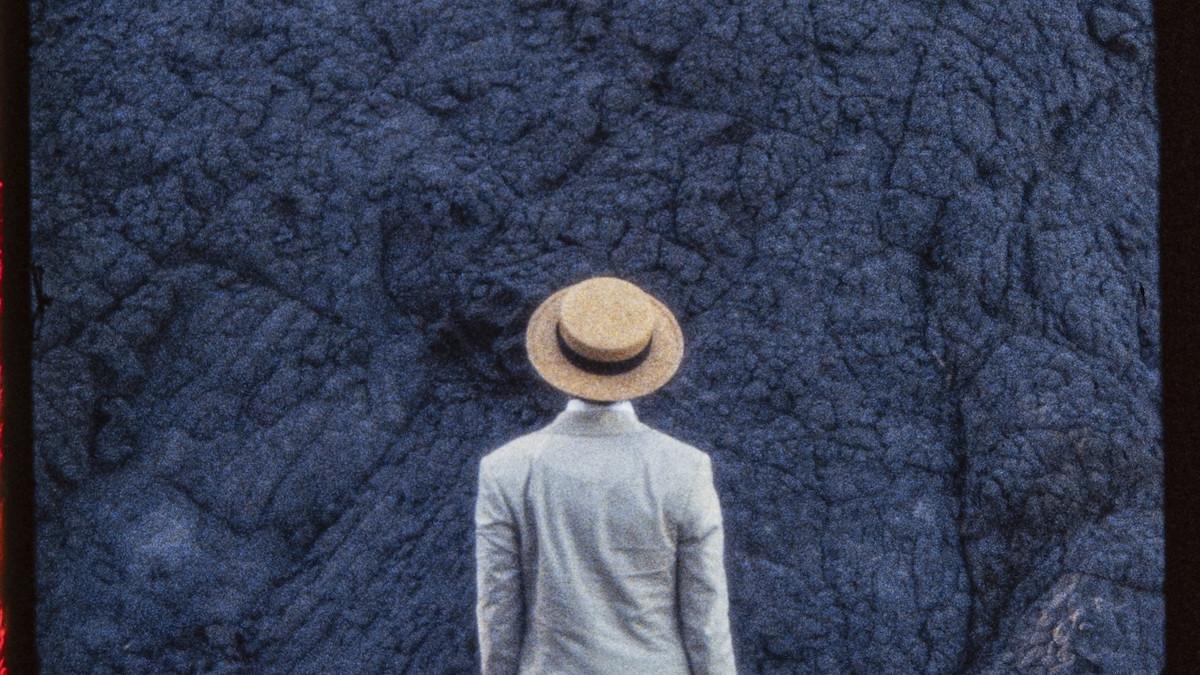
Amateur In The Moon tacitly raises questions of modernisation and its aftermath. It takes place during Japan's colonial rule of Taiwan (1895-1945) that, to some intellectuals of those days, ushered in modernity.
As Yoshikawa advocated amateur cinema through his extensive writing in the 1930s, it should be noted that 16mm film was used for the colonial government's propaganda, while 9.5mm film was used for personal activities. It is worth asking if Yoshikawa democratised local access to filmmaking or his paternal guidance is underpinned by the colonial regime.
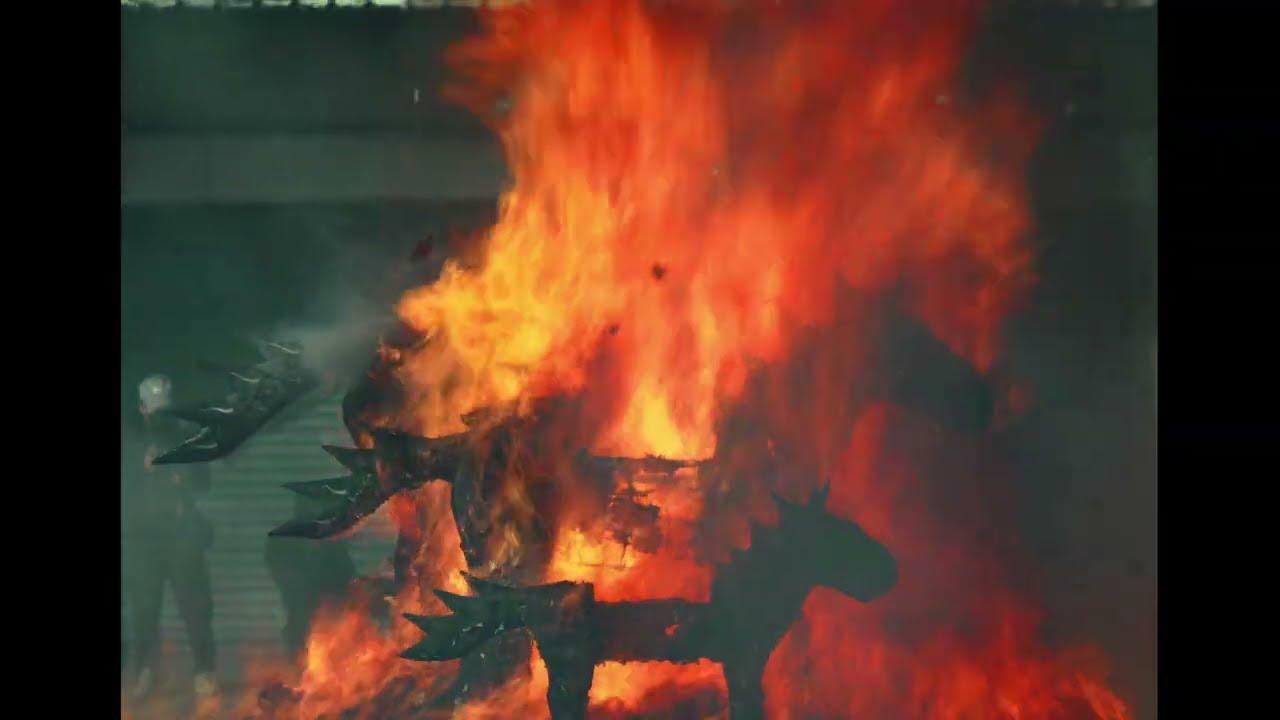
Inspired by the director's experience, An Chu's Paper Houses And Horses (2025) follows funeral workers who prepare a ritual for bodies of deceased orphans that are kept for years in a mortuary. It is an allegory for struggling to find a home.
As Taiwan underwent frequent change in governance -- under Qing dynasty rule in the 19th century, Japanese colonisation in 1895 and Chiang Kai-shek's retreat to the island in 1949 -- the symbol of orphans carries anxieties over the constant shift in parental figures. When funeral workers burn worldly objects for them, the afterlife ritual at least brings a sense of closure.
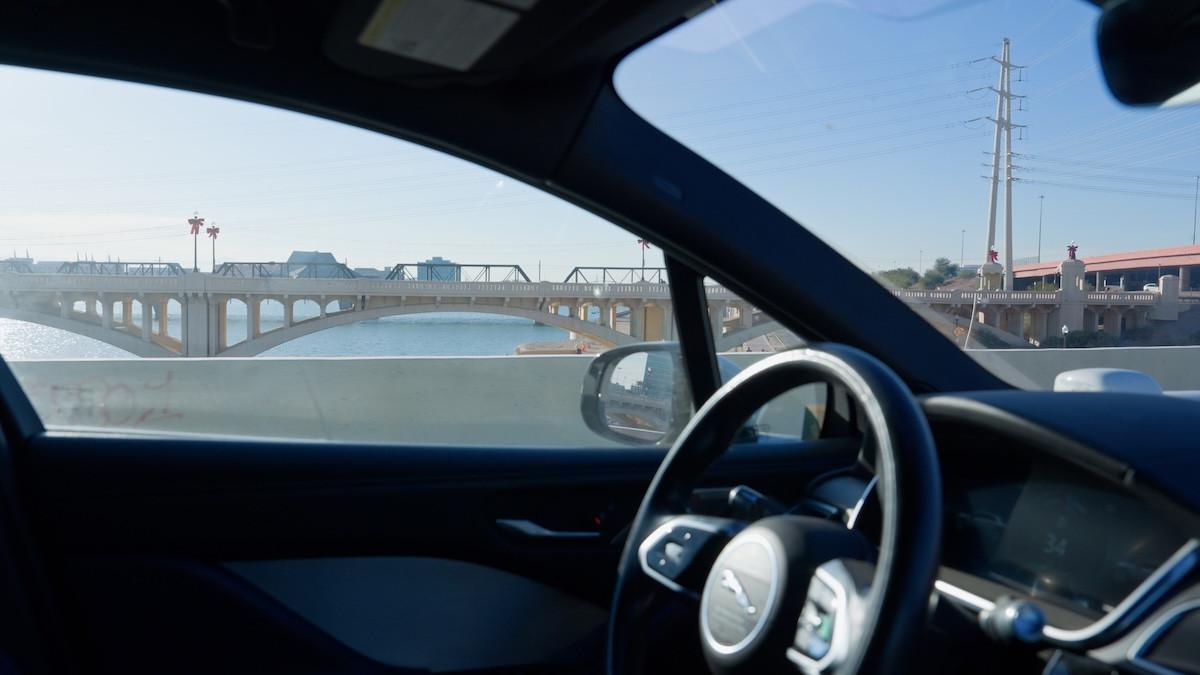
Su Yu-hsin's Where Clouds Once Formed (2025) charts Taiwan's transformation of its supply chain into a data hub. The impact of cloud infrastructure is made visible on the environment.
A cautionary tale of unbridled growth, the film calls for environmental justice and proposes an alternative way of co-existence between human and non-human beings through a voice-over of a section of Ofelia Zepeda's poem Cloud Song. The Native American poet's book Where Clouds Are Formed (2008) apparently inspired the film's title.
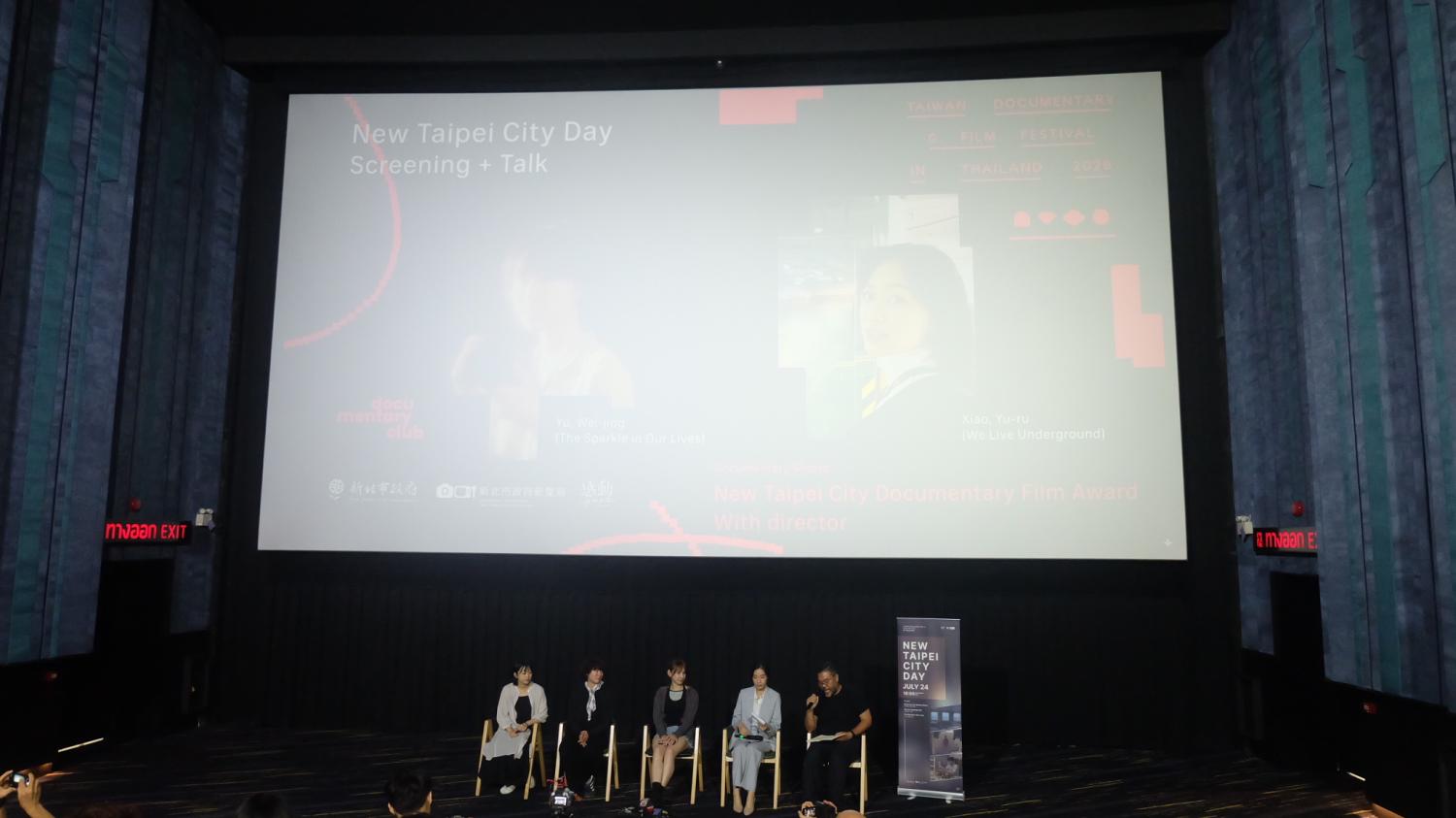
Documentary Shorts: New Taipei Documentary Film Award
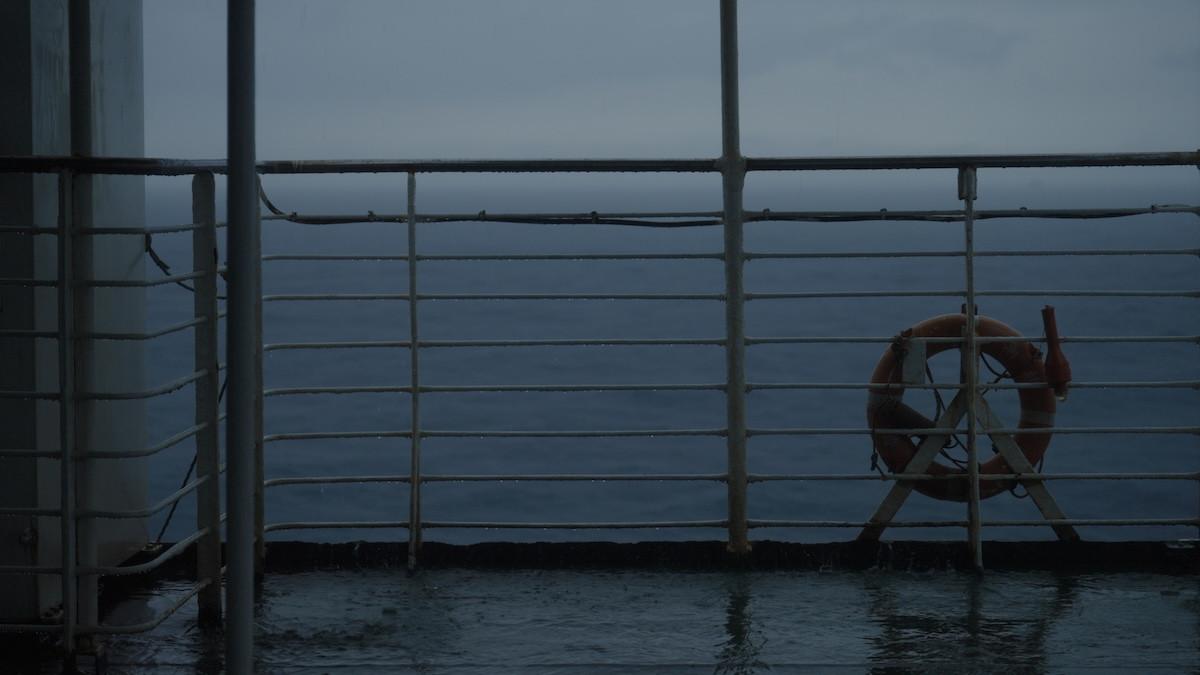
Meanwhile, Chen Shao-chun's Where The Sea Breeze Blows (2024) follows her family who recall taking a ferry from Kaohsiung to Penghu to visit her grandfather. Following his suicide, their duty comes to an end.
It is a story of severance and repair. Her grandmother's drop-dead dismissal prompts her grandfather's suicide. Her mother's amnesia results from relocation to take care of her family in Kaohsiung. It is the daughter/filmmaker who traces her roots.
Here, the boat is a metaphor for intergenerational connection. After over 30 years of operation, the Tai-Hwa Ferry retired to make way for a new service.
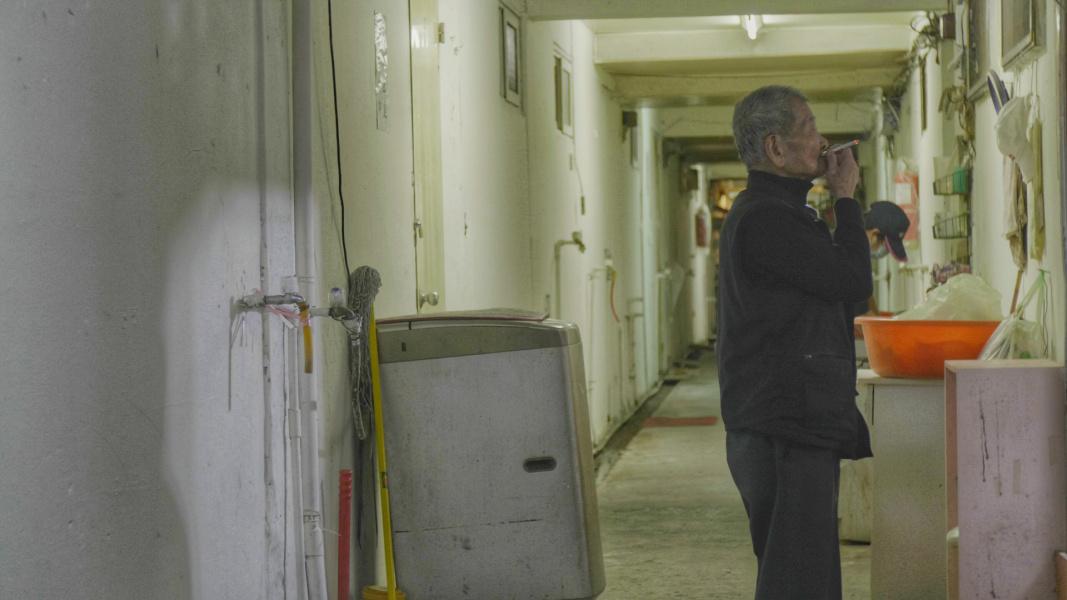
Inspired by a real experience, Xiao Yu-ru's We Live Underground (2023) captures the elderly who dwell in a squalid semi-basement apartment in Taipei. Evoking Bong Joon-ho's Parasite (2019), the film is an allegory of class divide and inequality.
Underground housing is a symbol of social stratification. Although these seniors could briefly rise to the surface, for example, going to church and hanging out, order soon reasserts itself. A scene of a granny who is priced out of Neihu, home to a high-tech park, is a scathing critique of how development marginalises the grey population.
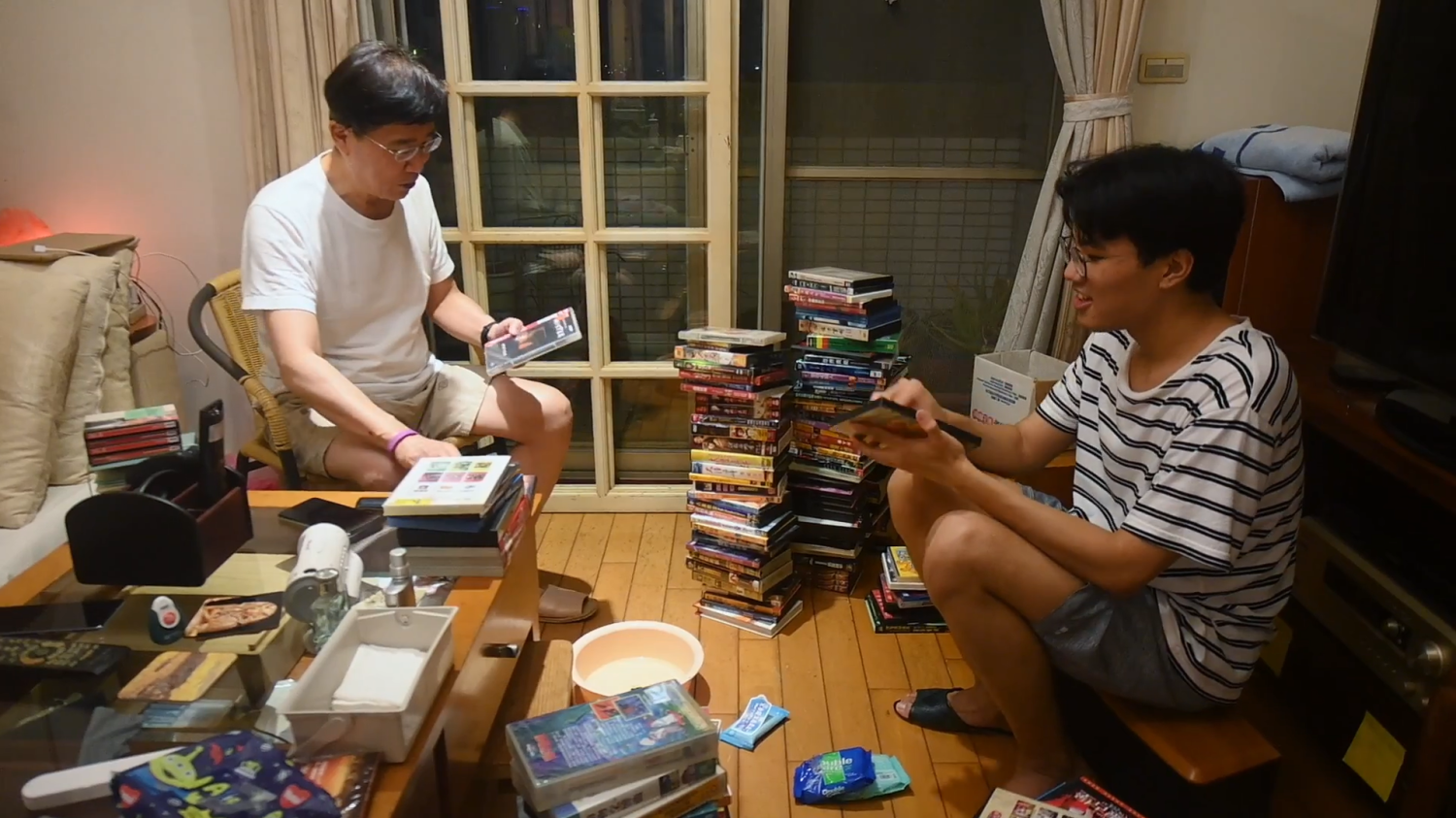
Giving a nod to Marie Kondo's decluttering, Yu Wei-jing's The Sparkle In Our Lives (2023) follows her family that frees up living space in Taipei. As parents disagree over what to throw away, it asks questions about why some items matter.
According to the director, hardship makes it necessary for previous generations to collect stuff. In light of migration, war or political conflict, the film is an allegory of the island itself.
Given changing contexts, what values and practices younger generations uphold? What do they keep or discard? How do they define themselves? After all, what is Taiwan in relation to its counterparts?
In a post-screening talk, Yu fielded questions from the audience. When asked if she had discarded anything herself during filming, she said: "No, I let my family sort it out. But this year, I have started throwing away unwanted stuff."
Reflecting on Kondo's influence, she added: "Her book is a game changer. It moved my life forward."