
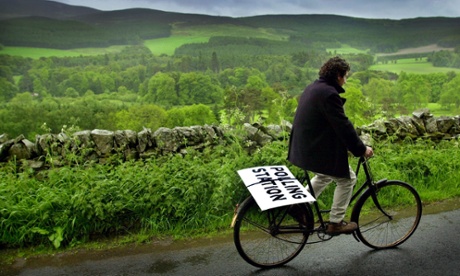
There are conflicting theories that the weather on polling day can make a difference to the result of a general election. There is a belief that Conservative supporters are more likely to turn out whatever the conditions and that Labour are fair weather voters.
Certainly the figures show that turnout is lower in cold, windy and wet conditions. In 2001 the weather was blamed when only 59% voted, the lowest since 1914. Only four years before, in dry, sunny conditions with the temperature above average, the turnout was 71.4%.
On the other hand, the two elections could reflect not the weather but a strong desire by the electorate for a change of government in 1997, while four years later there was an expectation that Labour would win with a walkover for a second term.
The Republicans in the United States, like the Conservatives in Britain, think that their supporters will brave the rain, but there is no proof that this is really so. Academics have yet to find evidence that the weather is significant in putting any party into power.
One other theory that seems to have been reflected in election results is a feelgood factor brought about by sunshine. In a number of elections held in excellent weather, the government of the day has done unexpectedly better than the opinion polls suggested they would.
This has led to claims that voters, feeling jollier than normal, are prepared to give the incumbents the benefit of the doubt. But so far, all of these claims are merely political folklore.













