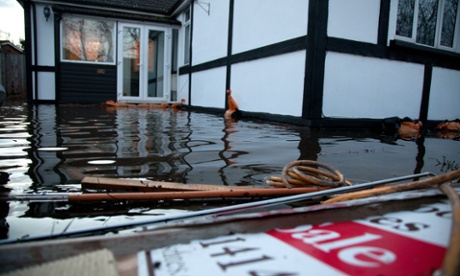
Local authorities were slow to react to the problems that climate change would cause them. The prime example of this was the persistence of planners in granting permission for housing estates on flood plains despite warnings from the Environment Agency. The developers walked away with the profits, leaving the householders and the local authorities to cope when, some years down the line, the rivers overflowed.
Research 12 years ago showed that part of the reason for this was that officials and councillors had difficulty translating complex climate science into an understanding of what might happen in their locality. There followed an effort by government to simplify the message and prepare for heatwaves and floods.
A new report shows that this has been successful and that the need for simple changes, like larger capacity drains and balancing lakes to cope with heavier rain, is fully understood. But now there is a snag. Government cuts have meant that many of the officials whose job it was to factor climate change into local policies have lost their jobs, and in any case there is no money to take action on adaptation. Local government is barely able to finance its core statutory duties, without thinking ahead to the effects of climate change. So no long term planning is possible.
The only exceptions are local authorities that have “rebranded” climate adaptation and called it resilience to severe weather – in other words an emergency that might happen at any moment. That is the only way to get climate change back into this year’s budget.