Algeria boasts a far more varied climate than you might expect from a country of which more than four-fifths of the land area is part of the Sahara Desert.
Predictably, perhaps, the area to the south of the Atlas Mountains has nearly no rain: well below one inch (25.4mm) a year, almost all of which occurs in the winter, between the months of November and February.
Temperatures are high too: average summer maximums are in the low 40Cs, though in winter these fall to the low 20Cs, with night temperatures averaging a mere -6C or -7C.
Conditions on the Mediterranean coast are very different: far less extreme, with daily maximums in the capital, Algiers, ranging from 15C in winter to just under 30C in summer, and an annual rainfall of roughly 760mm (30in) – a little more than London – the vast majority of which falls in the autumn and winter months.
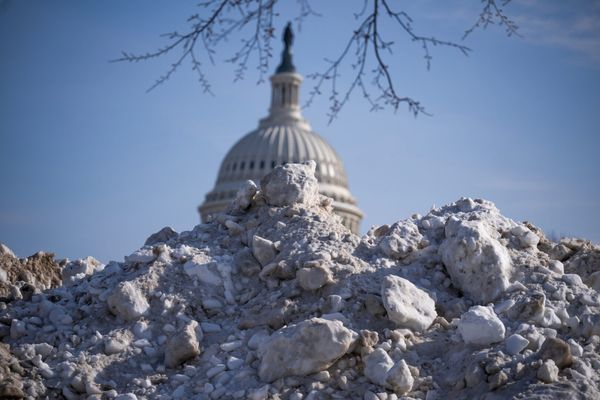
The coast and the desert are separated by the Atlas Mountains, which have a more continental climate than either, with hot, dry summers and cool winters, and generally low rainfall – from 400 to 800mm (15.5 to 31in), most of which occurs in winter. At altitudes above 900m winter snow is regular, often lying on the ground for several days, or even weeks.