“Winter 2014 is on track to be the coldest for more than a CENTURY,” shrieked the Daily Express last October. It quoted forecasters warning of snow and an Arctic freeze. The Guardian’s Peter Preston suggested checking back on 31 March, perhaps suspicious of how the Express repeats the same chilling headlines each year.
Such headlines can cause real alarm. In 2013 the Met Office was moved to issue a denial that it was expecting a “three-month killer freeze” after newspapers reported its contingency plans.
The Express’s predictions, like the wildly inaccurate one in 2011 suggesting that “Big Freeze will kill thousands”, come not from the Met Office but from independent forecasters. Such companies are unregulated and occasionally unscientific. In extreme cases, companies like Positive Weather Solutions have been caught citing forecasters who do not exist.
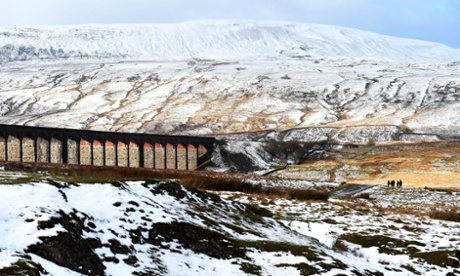
The winter confounded their predictions. Bad weather was confined to fog and icy roads in December, storms and strong winds in January, and some snow in early February. The Met Office’s statistical summary shows that, across the UK, the average winter temperature was 0.2 degrees higher than usual for 1981-2010. There were 25% more hours of sunshine than usual, and slightly less than the usual 33.1 days of air frost.
Rather than being the coldest for a century, it was the coldest winter since 2012-13. Sensational Express weather headlines sell newspapers. If you see them again next autumn, remember that they are merely a harmless seasonal phenomenon.