The waves of rainfall mostly across the western side of the British Isles last week raised the possibility of further serious flooding this winter.
At this stage nobody is sure what will happen. Will the jet stream get stuck again and lines of storms strike Britain, or will a normal pattern of warm and wet periods alternate with cold and dry?
For those who have suffered flooding and fear it happening again, this is a troubling time. Many of the communities involved have got together this summer with various emergency services to make themselves better prepared and more resilient.
At the same time, some of the people involved have been having discussions about their floods and the science of climate change. The Climate Outreach organisation says this is a fascinating topic of research because some people still regard this as “a difficult area to discuss” with their neighbours.
While some were aware of the link between their floods and climate change, others still felt they did not know enough about the subject – even though the science has been clear for two decades. A small minority regard climate change as a political issue and refuse to countenance any connection with local flooding. It is hard to think of any other subject where the scientific consensus can be simply rejected.
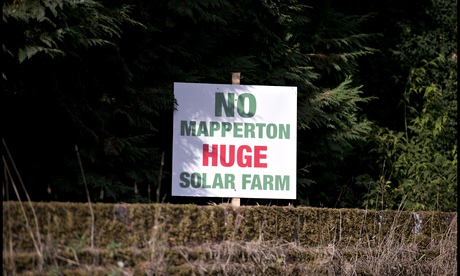
It could account for why, even in areas that have been flooded, wind and solar farms are still vehemently opposed, when opinion polls consistently show an increasing majority is in favour of these developments.