
Wearable devices can now measure how much (or how little) you eat, move and sleep. And what can be measured, can be improved.
The daily measurement and real-time feedback now available from a range of wearable devices can be powerful tools in a quest for a healthier lifestyle. The data
- keeps you honest. Drinking that latte will require you to burn those extra calories
- prods you to take small steps, such as skip the elevator and climb the stairs. These decisions can add up to big, long-term improvements
- shows daily progress toward a specific goal, such as weight loss. That’s a real motivator.
For all these reasons, self-monitoring is considered one of the best ways available to help people change their behaviour and maintain new habits. Want to gain a better, data-driven picture of the daily habits that are most likely to affect your health? Check out these four metrics to monitor:
1. Calorie consumption
Maintaining a healthy weight has been shown to lower the risk of heart disease, stroke, diabetes, and high blood pressure, as well as the risk of many different cancers. Both the quantity (calories) and quality (fruits, vegetables, proteins, grains, fats) of food in your diet has a strong impact on your weight.
2. Physical activity
Regular physical activity is one of the most important things you can do for your health. It reduces your risk of cardiovascular disease, type 2 diabetes and some cancers. It strengthens your bones and muscles. It improves your mental health and mood. It helps you control your weight. And it increases your chances of living longer.
3. Steps taken daily
Brisk walking is a good way to incorporate physical activity into your daily routine. The US Centers for Disease Control and Prevention recommend that adults engage in 150 minutes of moderate activity a week, about 7,000 to 8,000 steps a day (3.5-4 miles). The average American adult walks about 5,900 steps daily, which is the equivalent of about 3 miles (4.8km).
4. Sleep
Adequate, quality sleep is strongly associated with good physical and mental health. It has been linked with improved learning and memory, better weight control, better mood and stronger immunity. Multiple studies have linked insufficient sleep with serious health problems, including heart disease, heart attacks, diabetes, and obesity.
Today’s wearable devices
Wearable devices that track health and fitness metrics now come in a variety of forms, including electronic bracelets, watches and waistband attachments.
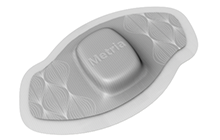
Vancive Medical Technologies, an Avery Dennison business unit, is currently developing a portfolio of digital health products that adhere directly to the skin. These new products, designed for use in a variety of health, wellness and clinical applications, can be worn during all daily activities – even showering. They continuously monitor physiological information when worn over a seven-day period, delivering the most accurate data possible.
Learn more about Vancive Medical Technologies and join the conversation with employees and partners on the Avery Dennison blog.
Content on this page is provided by Avery Dennison, supporter of the Vital Signs platform.