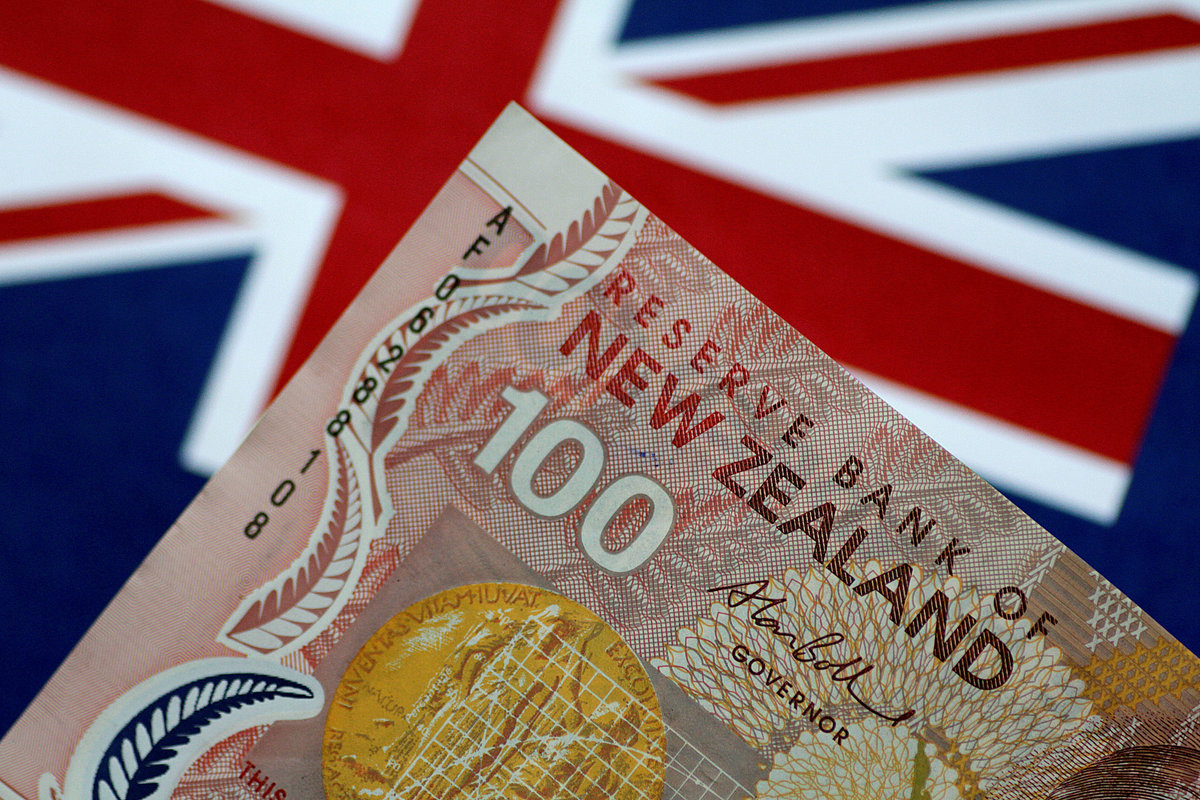
WELLINGTON (Reuters) - New Zealand's inflation is expected to have picked up in the third quarter, but that is unlikely to change the central bank's dovish outlook as a weaker currency and higher fuel costs mask tame underlying pressures.
The median forecast in a Reuters poll of 10 economists was for a year-on-year inflation rate of 1.7 percent in the three months to the end of September, up from 1.5 percent in the second quarter, but still short of the Reserve Bank of New Zealand's (RBNZ) target mid-point of 2 percent.
Quarter-on-quarter, inflation was expected to come at 0.7 percent, up from 0.4 percent in the previous three-month period.
RBNZ was expected to look past the headline numbers and keep to a commitment to hold rates at a record low through 2019 and into 2020.
"There are a number of transitory factors at play that the RBNZ will look through," ANZ economists, who predict 1.8 percent year-on-year inflation, said in a note.
"Patchy data flow alongside global uncertainties suggest risks to the RBNZ's medium-term activity and inflation forecasts are skewed to the downside."
Aside from the boost from global fuel prices and a weaker New Zealand dollar <NZD=>, there was little to suggest price pressures would increase. Business confidence was at a nine-year low and manufacturing activity remained below its long-term average, while hiring and investment intentions have been falling.
Still, the higher inflation figures are likely to reduce the chances for a rate cut anytime soon, a possibility the RBNZ hasn't completely ruled out.
"Rising inflation caused by fuel prices certainly wouldn't preclude interest rate cuts by the RBNZ, but could make them a harder sell," said Westpac senior economist Michael Gordon, who predicts inflation at 1.7 percent.
Statistics New Zealand will issue release the CPI figures at 1045 local time on Tuesday (2145 GMT on Monday).
(Reporting by Marius Zaharia in Wellington and Tom Westbrook in Sydney; Editing by Shri Navaratnam)