The leader of Manchester Council has warned vaccination queue jumpers will face action - as it's revealed more than 440,000 people in the region have received the jab so far.
Among those to have received their first round of vaccinations, 50,631 are care home residents and staff.
People aged over 80 account for 115,555 doses, while 102,686 healthcare workers have been inoculated.
Meanwhile, 54,481 social care workers, which includes domiciliary workers and special school staff, 89,813 75 to 79-year-olds and 129,930 people aged 70 to 74 have had their jabs.
By mid-February, it's predicted that everybody in the top four groups will have been vaccinated.
However, it's understood that too many people outside the priority categories have received their first jabs through subterfuge or queue-jumping.
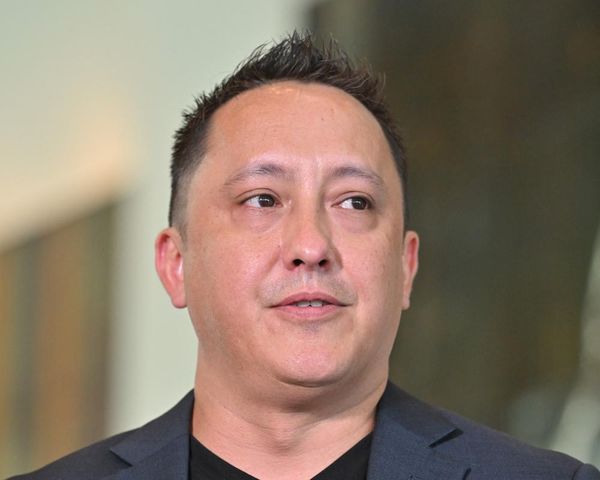
Speaking at a press conference on Wednesday, Sir Richard Leese said some people were still 'fiddling the system, using other people's links to get access', adding: "People should not go before they are called to go as you are taking a slot away from someone in greater need.
"If people are gaming the system, if they are using other people's names, and they are not in priority groups, they are denying somebody at greater risk a vaccine and given the primary objective of this first half of the first phase is to save lives and take the pressure off our hospitals, they are also undermining our efforts to do that."
He said all cases they come across are investigated and action would be taken to ensure that people don't take slots away from those in greater need, adding: "We will eventually be able to identify who has had a vaccine ahead of their eligibility criteria.
"We will take appropriate action if people have been jumping the queue and putting people at risk."
His warning came after the Manchester Evening News reported on Tuesday that identity checks have been increased at Manchester's Etihad vaccination centre amid concerns that people have been queue-jumping by pretending to be social care staff.
It is understood an internal booking link from the Northern Care Alliance hospital trust has been widely circulating beyond NHS and social care workers, leading council bosses to raise the issue with the top of the Greater Manchester health system.
Some people are said to have successfully used the booking link to get the vaccine after not being asked for identification on arrival.
There have also been issues around anti-vaccination campaigners and resistance in the community to having vaccinations.
Of the over-eighties offered the vaccine in the city of Manchester (a figure described as 'typical' across Greater Manchester), there has been a 75pc acceptance rate in over-80s, increasing to 80pc in the 75-79 age group.
Greater Manchester mayor Andy Burnham said they were appealing for the Government to share more detailed data on those who have been offered the vaccine, but refused it.
He added: "If we know more about where people are turning it down and we can begin to see the sort of localities that those people are coming from that will be helpful."
He said GPs could then potentially follow up with those people and provide reassurance, adding: "If some people are living alone and not had a balanced position put to them it could help.
"It's an issue we are all very aware of. We are all fighting scare stories, the anti-vax brigade are out and about. If somebody is shielding and they get one of those leaflets it's not surprising they'd be hesitant."
However, Mr Leese said that overall take-up had in fact been 'very good' compared to flu numbers.
He added: "We don't have the fine-grain data to know about who is being hesitant or who is refusing. They are different things. What we do know from the data we do have is that the numbers of people who have accepted the vaccine tend to be lower in more economically deprived areas and some of the areas with some higher proportions of black, Asian and minority ethnic populations.
"In short, we think there is a problem, we can't be precise about the nature of the problem, but there are a multiplicity of approaches to tackle it."
He said solutions to hesitancy could lie in good public health information as well as those in 'visible roles' setting the example, including politicians and religious leaders, as well as GPs.
He said peer influence - the examples set by friends and neighbours getting the jab - could also be an important factor.
Asked about teachers in Salford receiving jabs destined to be thrown away, he said teachers ought to be top of the list once they moved past the older and most vulnerable populations - and that teachers in special schools were already a priority group - but emphasised again the need to save lives and take pressure off intensive care in hospitals.
He added: "Every time someone not in the priority groups gets vaccinated it means someone in those groups isn't getting vaccinated. We have to see it within that context.
"We clearly think vaccinating people not in the top groups is better than throwing vaccines away."
But he said every district should have a reserve list of higher priority people who they ought to be contacting when there are spare vaccinations available.
Mr Leese said life expectancy should be taken into account when targeting areas for vaccinations, with priority given to economically deprived communities and some BAME communities who have been shown to be more at risk than the general population, as part of the goal to tackle health inequalities.