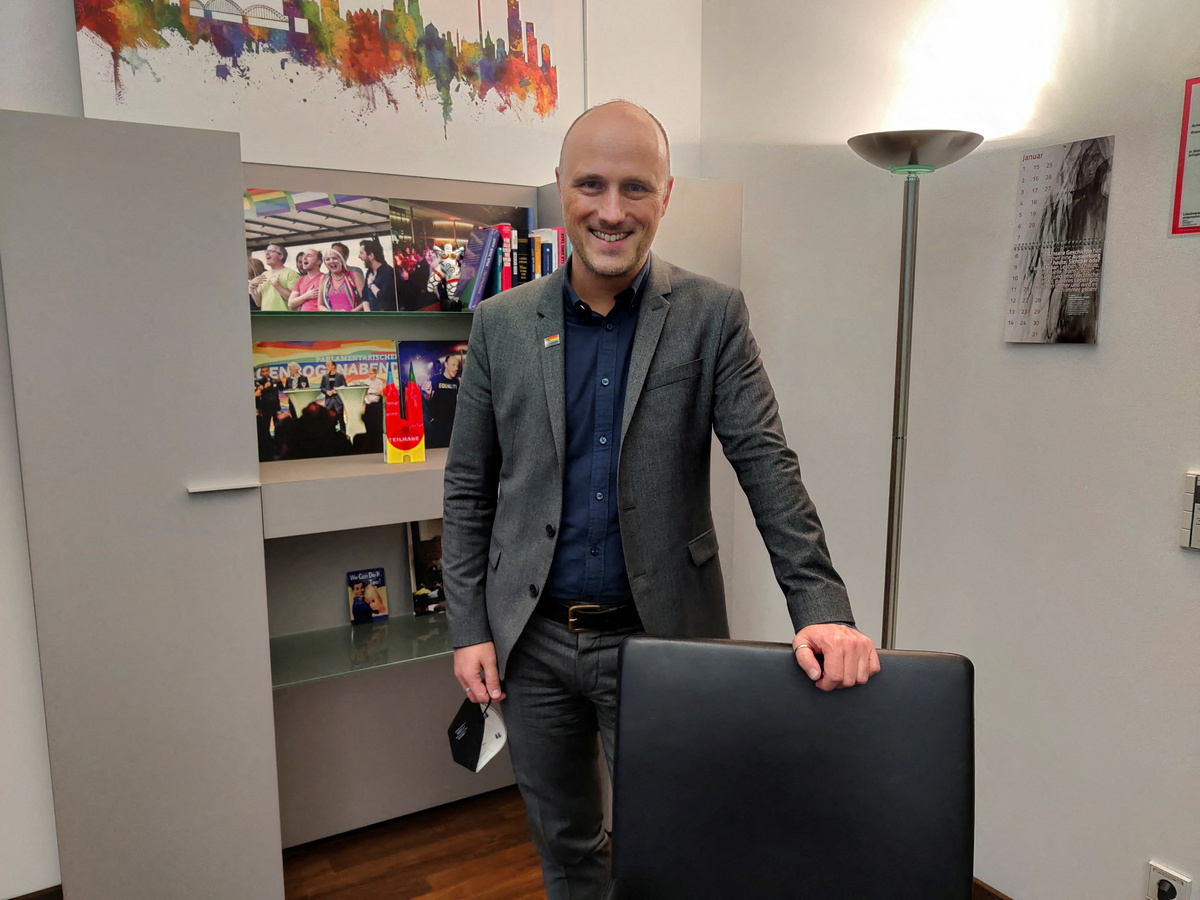
As Germany's first ever LGBTQ+ commissioner, a role created under the new coalition government's plans for cultural modernisation, Sven Lehmann believes he has his work cut out.
The 42-year-old, a member of parliament for the Greens, was given the title of Commissioner for the Acceptance of Sexual and Gender Diversity by the new Social Democrat-Green-Liberal coalition, which took over last year after elections ended 16 years of conservative-led rule.
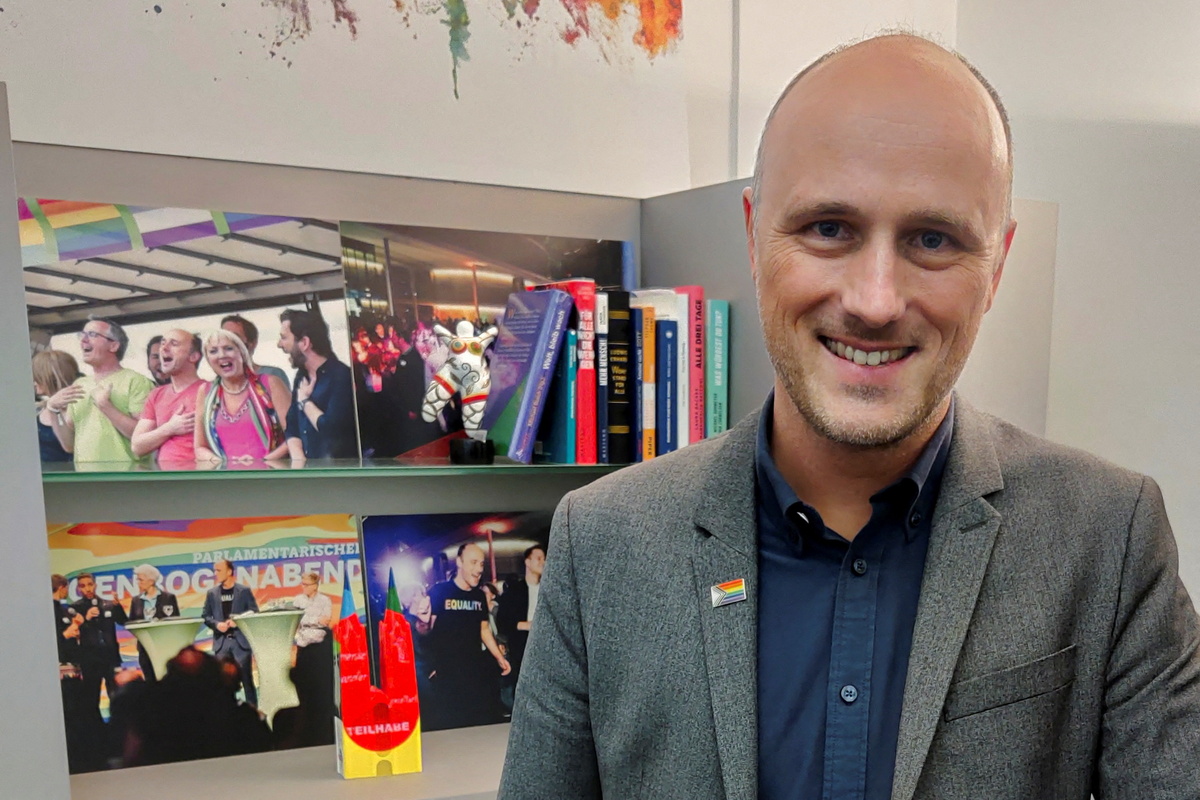
"Since marriage for all became law, since it has been possible for everyone to marry the partner they want, many have believed that now absolute equality has been achieved," Lehmann said. "But it hasn't."
Germany is known as being progressive on sexual equality, partly because of Berlin's century-old reputation as a haven for sexual experimentation, but it came late to marriage equality, only allowing same-sex marriages in 2017.
In a host of situations, laws continue to discriminate against same-sex couples. Children born to two women still only have one legal parent until the other goes through a lengthy and expensive adoption process.
Olaf Scholz's government plans to change this as part of a host of social reforms including simplifying citizenship laws and immigration procedures and giving the vote to 16-year-olds, but Lehmann, who has been with his husband since coming out aged 22, lamented that the young still faced challenges.
"We have come very far in Germany, but not far enough," he said. "When I think about the fact that many young people are afraid to come out at school or in their sports clubs. Then we haven't come far enough yet."
(Writing by Thomas Escritt; Editing by Raissa Kasolowsky)