Avid fans of "The Great British Baking Show" may recall the episode in Season 3 when host Paul Hollywood devilishly chose as the technical challenge a pastry called an arlette.
Each face in the meadow's white tent fell blank. Arlettes? Never heard of them. What's an arlette? The bakers were, in a word, gutted.
Perhaps if Hollywood had called them elephant ears, everyone would have perked up.
Or maybe not.
No matter what you call these crisp and flaky wafers of sugary, cinnamony, buttery pastry, they are both a bit technical and a little challenging. But they're entirely achievable, of course, for we provide you with far more detailed directions than Mr. Hollywood. "Make dough," indeed!
In other words, our recipe may not make great television, but it's the path to a delicious pastry.
One other wrinkle: The term "elephant ears" describes two slightly different pastries. One is more often called a palmier, where a sugar-layered sheet of dough is rolled in from either side to meet in the middle, then sliced and baked.
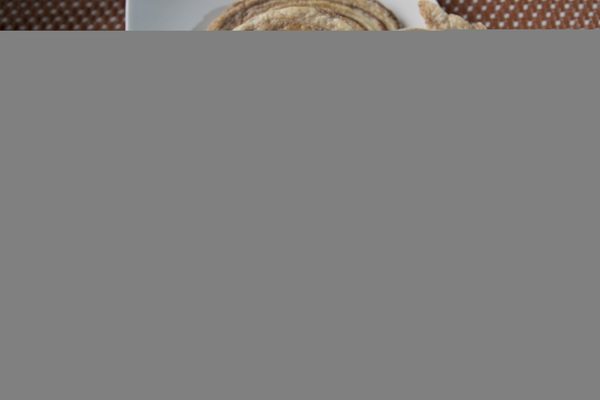
The other elephant ear _ and what we're making here _ is a rolled-up cylinder of dough, cinnamon and sugar, sliced, rolled wafer-thin, then baked. For our money, it looks more like an elephant ear than the curlicued palmiers.
That fact that these pastries also may be known as beavertails, shoesoles or flying saucers is what makes this crazy world of baking such fun.

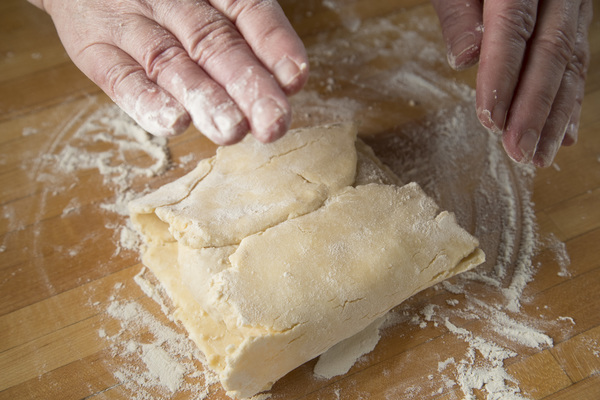
Two things to know: Arlettes are essentially made with a puff pastry, which requires a short period of chilling between each bout of rolling and folding to create the flaky layers. While no single step is difficult, the process does keep you at home for several hours. Plan accordingly.
Those familiar with making puff pastry may be confounded by this particular recipe's technique of wrapping the dough within butter, instead of butter within dough. This actually was not Paul Hollywood being devilish, but a proper technique called feuilletage inverse, or "inverse puff pastry," which yields especially light and airy results.
Watch Hollywood explaining the rationale behind this practice.
And now, there's little more to say than, "Ready. Set. Bake!"