It’s six hours from the sound of the whistle at the start of the school day, to the moment the children fly out of the classroom doors. That’s just six hours to inspire and nurture before, as a teacher, your day starts all over again – marking, planning, progress and attainment measures etc – not including the time it takes to placate or reassure worried students, parents or social workers knocking at your door.
On top of those pressures, here am I, a former physical education (PE) teacher trying to persuade teachers to pay more attention to PE, school sport and physical activity among pupils. Some teachers are pushing for more activity in schools, but they’re arguably the ones who have always been into sport. We all need to support our less-engaged peers who we ask to don trainers and enthuse their classes. I’d certainly shy away from teaching languages or music, yet with PE we expect teachers to put in extra with minimal resources and training.
But put simply, this extra need for high quality PE and increased physical activity in schools is because research shows that inactivity is damaging children’s lives now and well into their futures. Much of this inactivity is down to factors outside school, but we also know that alongside the negative effects – disease and poor health – lack of physical exercise is also limiting children’s ability to succeed in school and beyond.
Children are growing up with more access to technology in a time of increased social inequality, radicalism, poor physical and emotional health, with the prospects of employment after education looking pretty grim. Yet, research from the Youth Sport Trust shows that sport helps address these issues by nurturing well-rounded individuals.
To do this needs an early start. Every child in their primary years must receive the best sporting start in their life through physical literacy, helping them learn the basics of movement and sport.
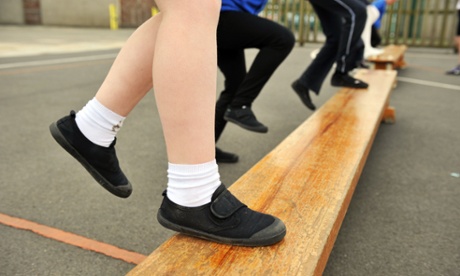
A reception teacher recently reflected that the first PE lesson of the academic year was simply encouraging the children to get changed into their sports kit and back again. Lesson over. Sadly it’s a pretty normal start to the year, but once children have mastered it, the next lesson would have more time for the fun PE activities. It may not be ideal, but being able to get dressed is certainly a basic part of being physically literate.
As they grow through to their secondary school years we want to see every young person being supported to be the best they can in life through sport by developing their creativity, aspirations, resilience and empathy.
Teachers who offer a variety of sports and make physical activity fun will naturally help foster a young person’s enthusiasm to take up activities outside the school grounds. In turn this encourages them to fulfil their potential, helping them to be happy and healthy, succeed in life and contribute to society.
Finally, on top of these long-term positives it is also highly likely that with more physical activity within those precious six hours of school each day, there will be a marked improvement in behaviour with children flying into the classrooms energised and ready to learn.
Become a part of a network committed to using the power of sport to transform the lives of young people by joining the Youth Sport Trust membership scheme. For more information on membership and how to join, please click here.