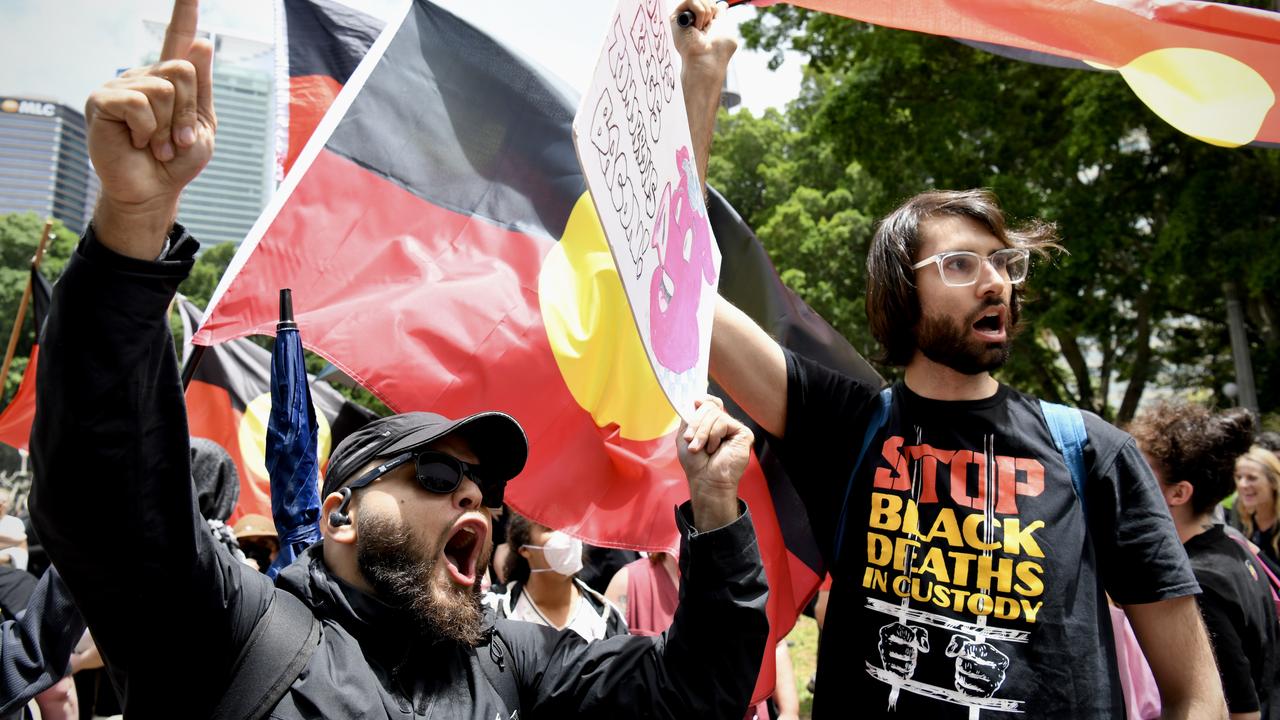
Protesters have vowed to return on January 26 after a rally on First Nations deaths in custody was forced to disperse amid "authoritarian" restrictions on public assembly.
About 200 people gathered at Hyde Park in central Sydney on Sunday, weeks after NSW Police imposed a declaration that prevents residents from seeking protest authorisation, leaving participants vulnerable to arrest for obstructing traffic or pedestrians, or marching down streets.
The protest organisers had negotiated with police about moving to another location and suggested crossing the road in smaller groups to ensure they did not block access for others.
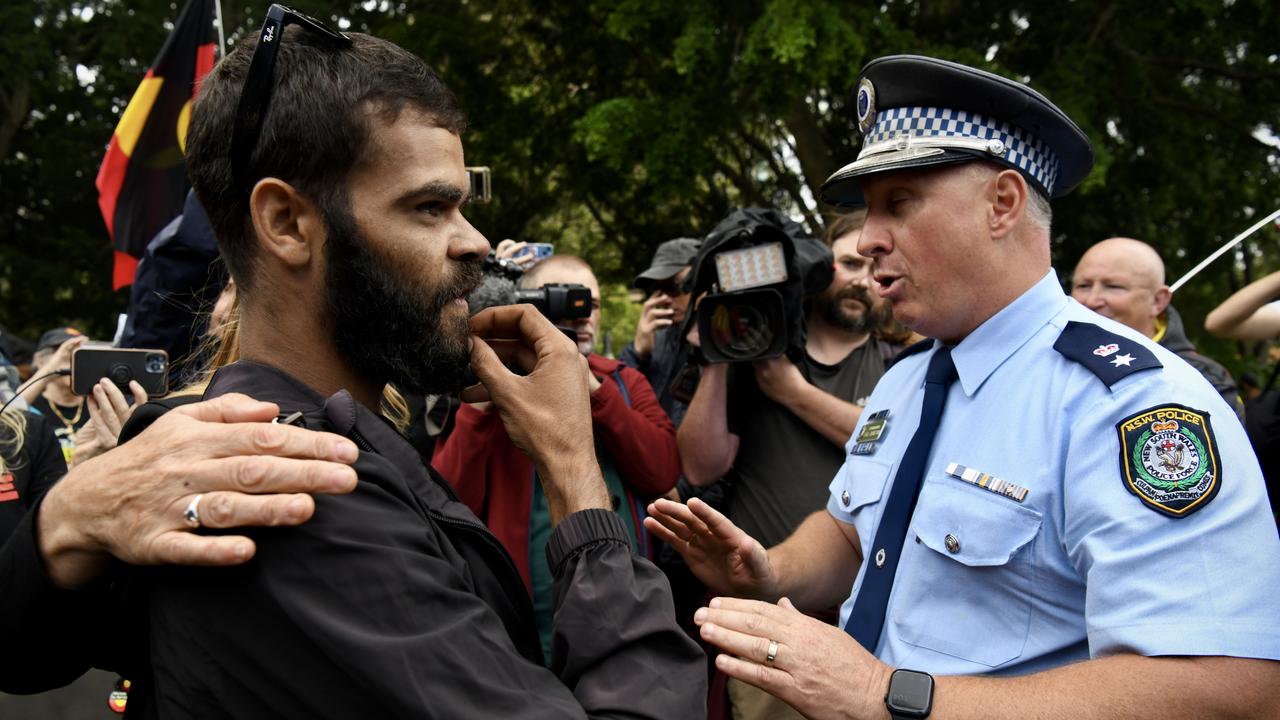
But as the crowd began to shift towards the traffic lights, police intervened and issued a move on direction.
Though many disagreed with the orders and the state's anti-protest laws more generally, protest organiser Paul Silva thanked the attendees and urged them to comply for their safety.
"I don't want anyone being attacked, I don't want anyone being brutalised, and unfortunately these laws will allow that," he said.
Police were given the power to issue declarations in laws rushed through NSW Parliament following the Bondi terror attack, where two gunmen killed 15 people.
The ban on protests can be imposed after a declared terrorist attack and extended fortnightly for up to three months. The current declaration has already been extended to January 20.
With police set to decide on another extension on Tuesday, many are concerned it could affect the annual invasion day protests on January 26, which often raise awareness of First Nations issues like deaths in custody.
But Sunday's protesters pledged to return, chanting "we'll be back" and "see you on invasion day" at the police.
Despite the disagreements with protesters, Assistant Commissioner Peter McKenna was pleased with the way the situation had been handled.
"They dispersed peacefully, there were no arrests made, and overall I was very happy," he told reporters.
NSW Greens MP Sue Higginson said the turn out was a show of courage in the face of the "anti-democratic" restrictions.
"It is not lawful to march down the streets as we normally would, and that's frightening," she told AAP.
"That's what happens in an authoritarian state. That's what happens in an unhealthy democracy."
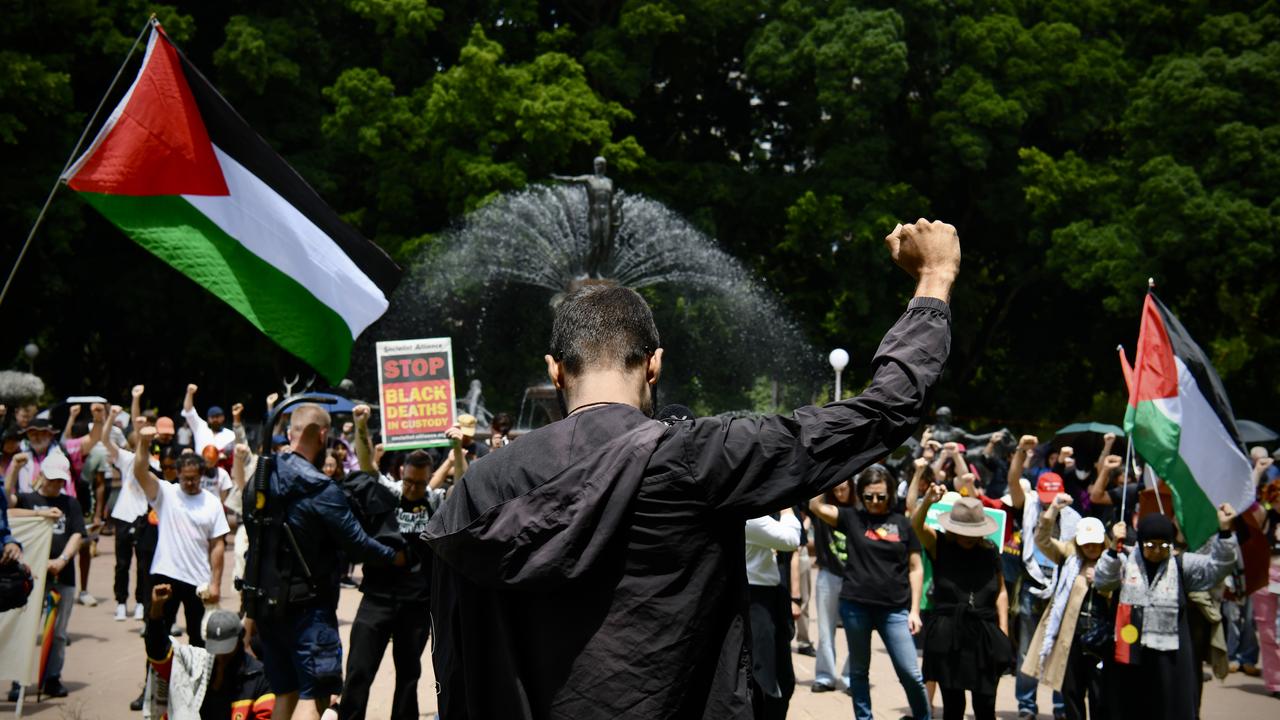
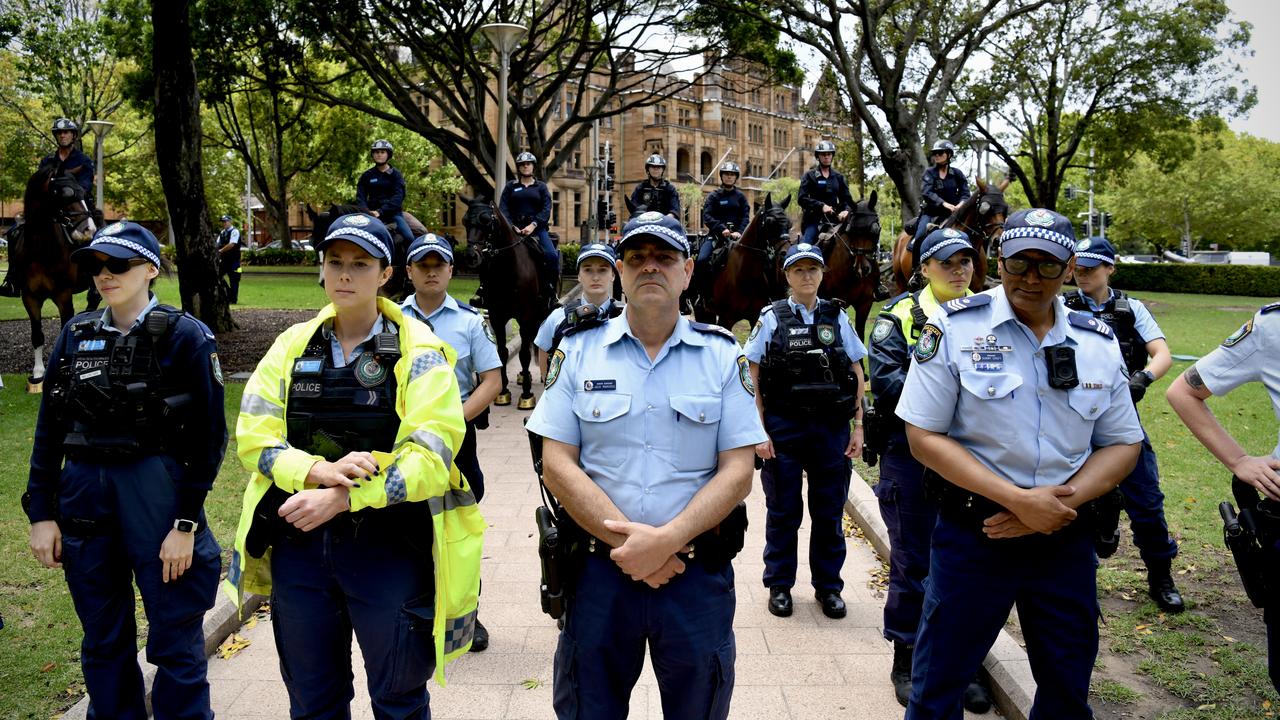
Surrounded by dozens of police, including officers on horseback and bicycles, First Nations advocates spoke about their experiences with systemic racism as Mr Silva marked 10 years since his uncle David Dungay Jr died in custody after being restrained by prison officers.
"I'm here to fight for my uncle, for everyone that I've witnessed being taken by this system," he told the crowd.
Since the final report of the Royal Commission into Aboriginal Deaths in Custody was handed down in 1991, 615 First Nations people have died in custody, Mr Silva said.
In 2025, Australia recorded the highest number of Indigenous deaths in custody in 45 years.