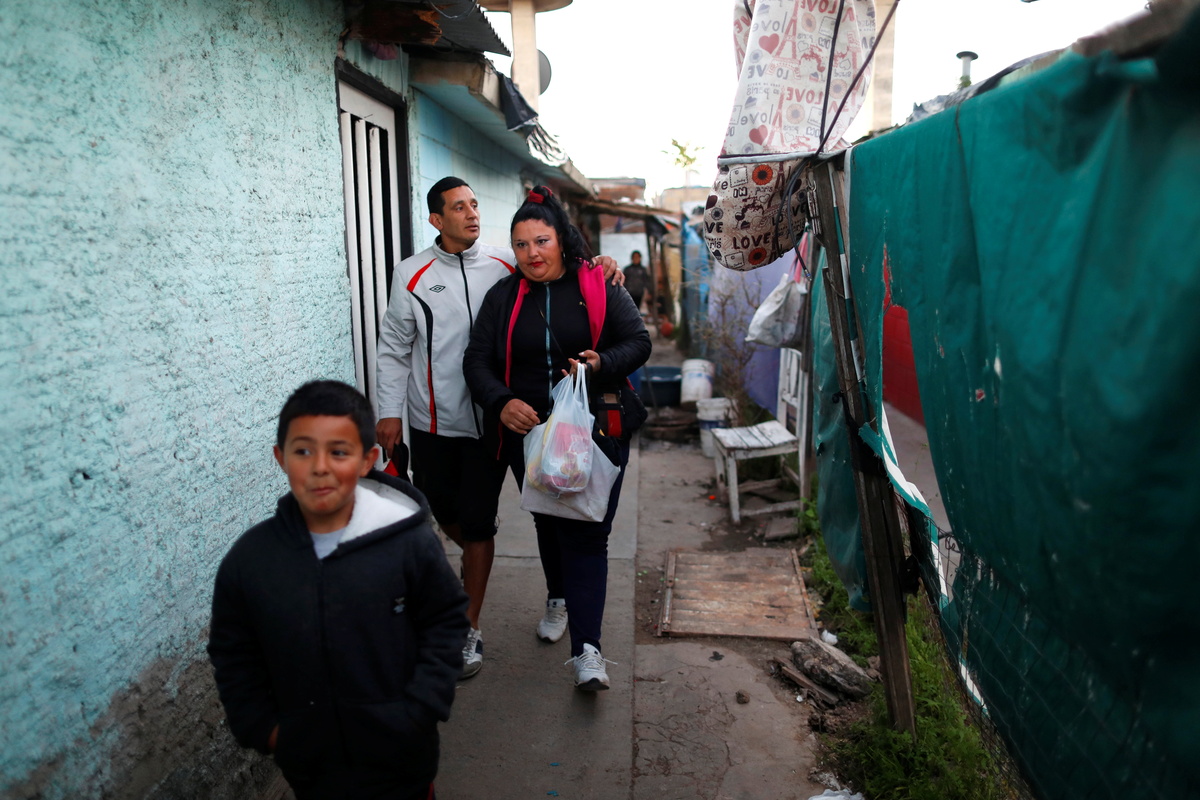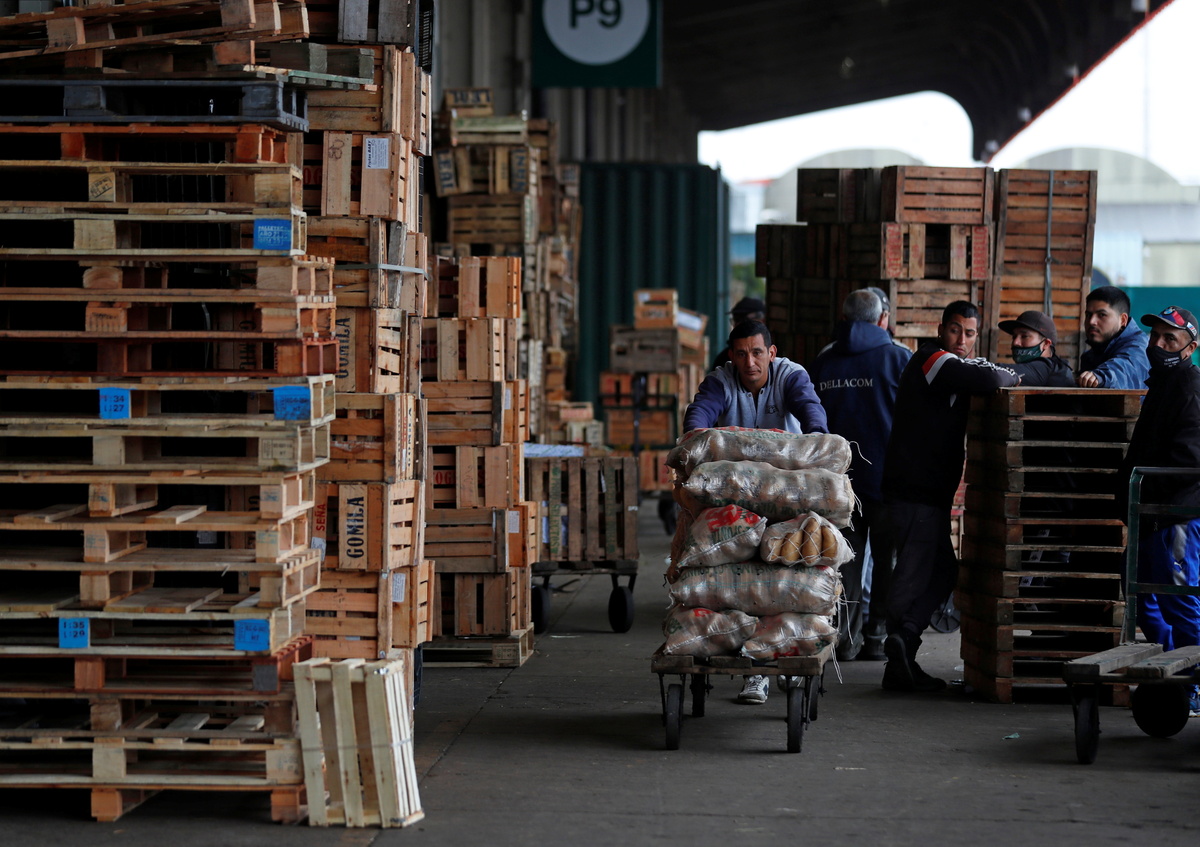
Eduardo David Rodriguez takes bags of fruit and vegetables to sell at a fresh produce market in Buenos Aires twice a week to make ends meet for his family. They barely do.
Rodriguez, like some four in 10 Argentines, lives below the poverty line, a rate that has climbed during the coronavirus pandemic which exacerbated three years of economic recession in the country, once among the wealthiest in the world.
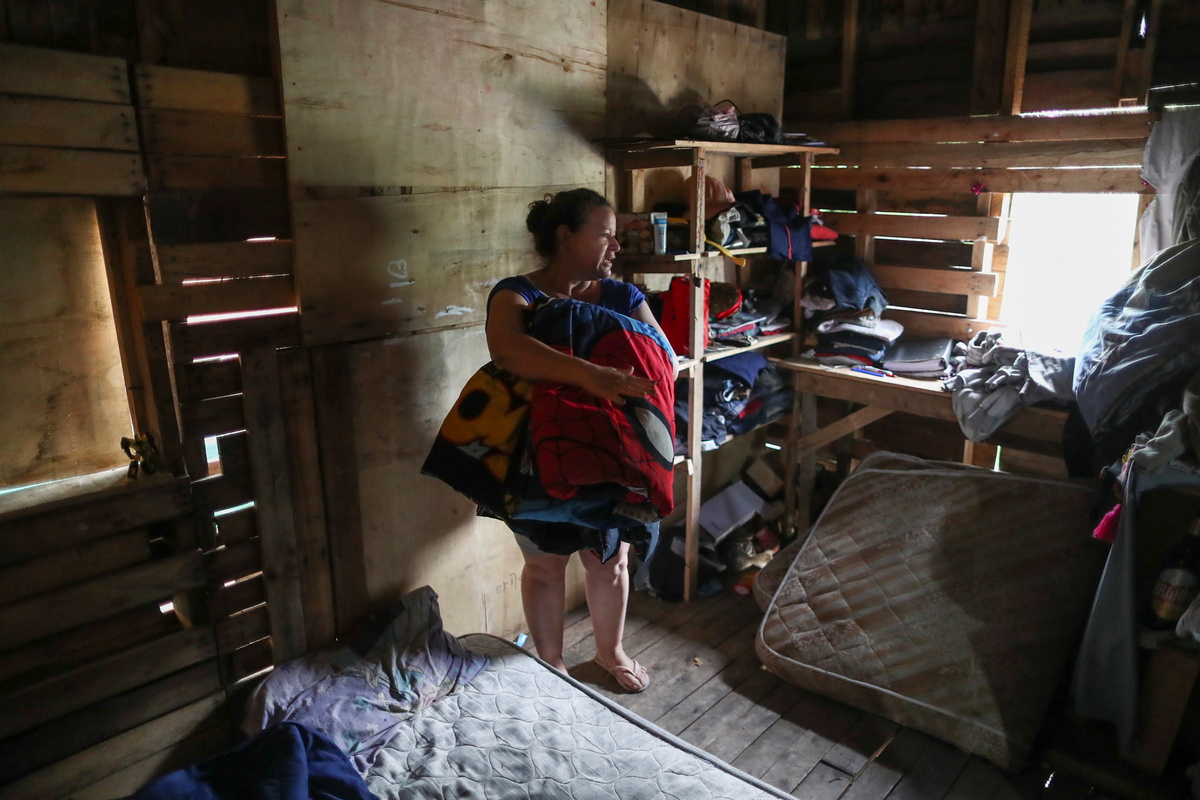
Rodriguez, 40, lives with his wife and two of their four children in a small house outside the capital. There is no bathroom, running water, or gas to cook with.
"Work here is tough, that's the truth, but there's no other option than to come here and bring the family back the daily bread," he told Reuters, saying he earns about 12,000 pesos a month, equivalent to some $60.
With his wife's income of 14,000 pesos and a state subsidy of 13,000 pesos, the monthly family income normally reaches around 39,000 pesos ($195), well short of the 67,000 pesos under which a family of four in considered in poverty in Argentina.
The government said on Thursday the poverty rate dipped to 40.6% in the first half of 2021 from 42% before, in the country of 45 million people that is rich in natural resources from cattle and corn to natural gas, but plagued by inflation, economic mismanagement and years of cyclical debt crises.
"Sometimes we can only eat only so much. We don't indulge in luxuries but, well, thank God we don't starve," said his wife Maria Eugenia Gonzalez de Rodriguez, 39, who works in a municipal cooperative clearing storm drains in the neighborhood.
"Sometimes we have enough and sometimes not," she added. "We get by day-to-day."
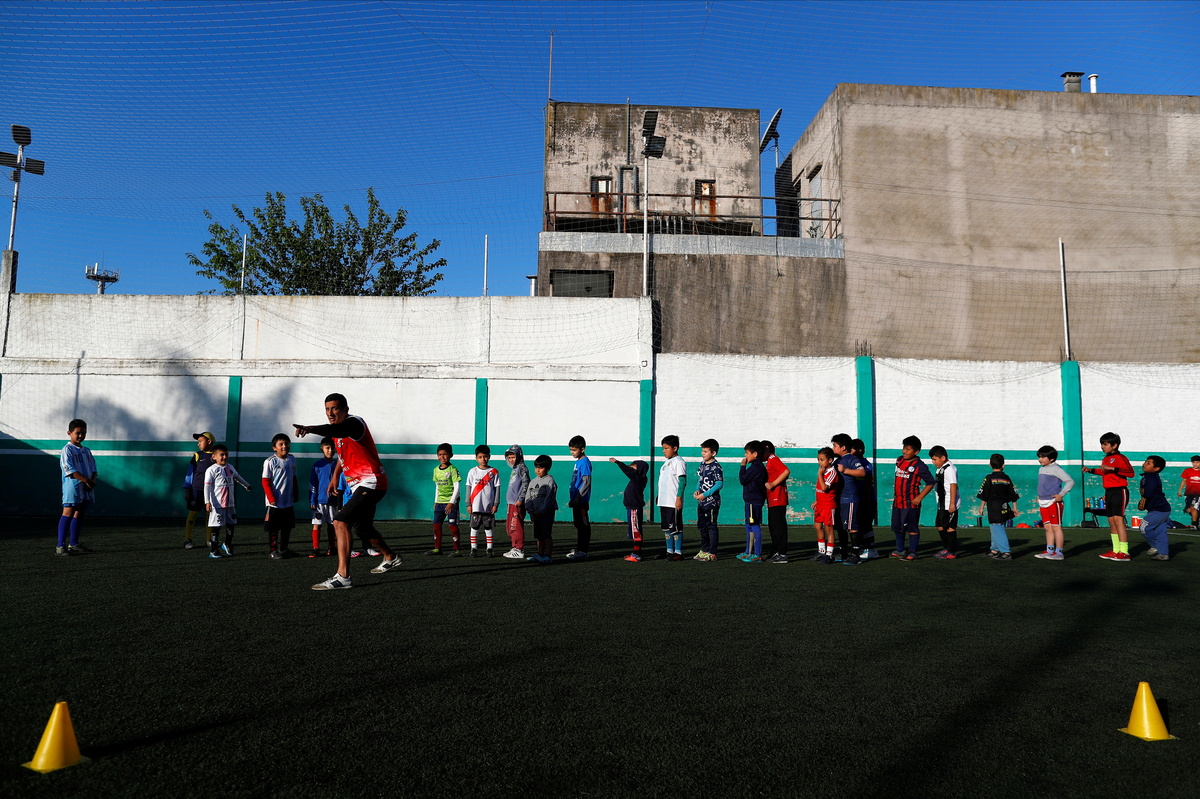
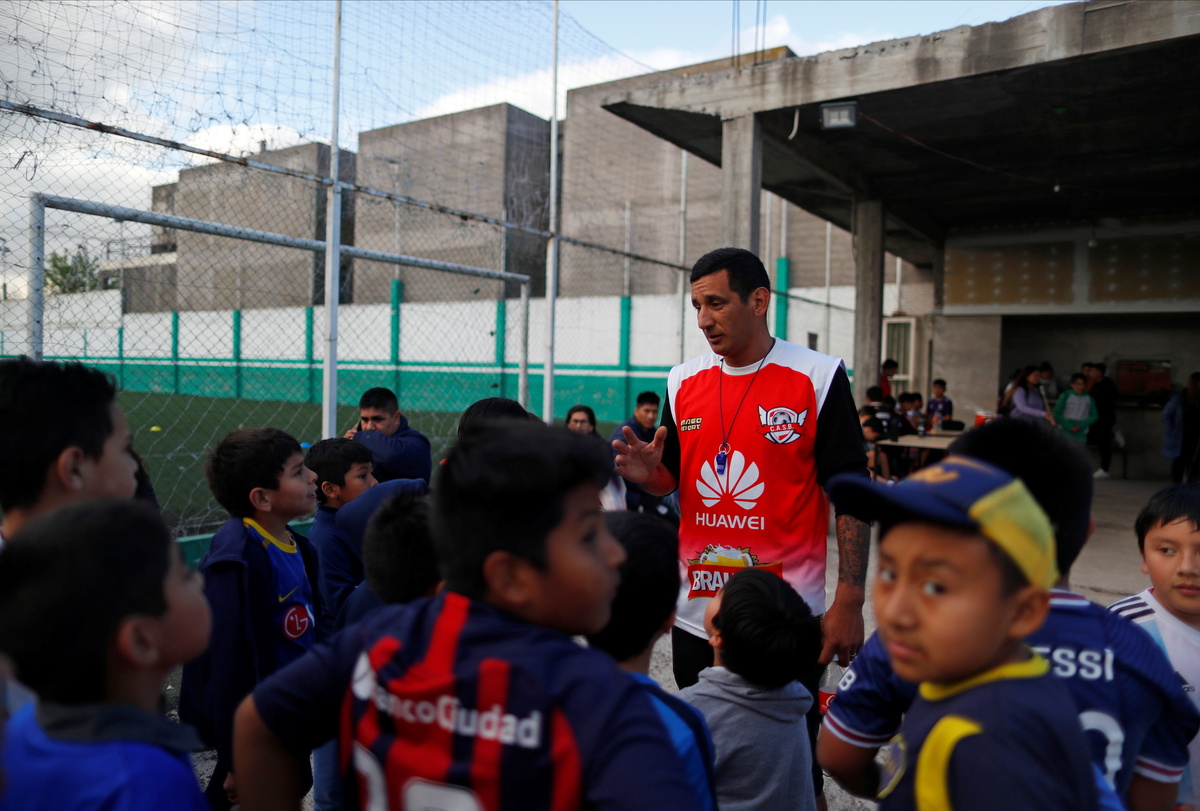
In his spare time, Rodriguez teaches soccer to kids and youths from poor households, so that they can aspire to a professional career that he once dreamed of as an escape from poverty.
"I love being with the boys and I come to do it without any obligation and without any salary. I do it from passion, because the truth is this is what keeps me going every day," he said.
(Reporting by Miguel Lo Bianco and Claudia Martini; Writing by Lucila Sigal; Editing by Adam Jourdan, Alistair Bell and Sandra Maler)