Indigenous people in Greenland have condemned the United States’ threat to seize the self-governing Danish territory, with many saying they want independence from both countries.
Donald Trump has doubled down on his desire to take the island, telling reporters on Friday the U.S. would “do something with Greenland whether they like it or not”.
The Trump administration has repeatedly refused to rule out military force, with the idea of $100,000 payments to Greenlanders who agree to join the U.S. also reportedly being considered.
Greenlanders, however, have made it clear they are not interested, giving the president a defiant message that they “don’t want to be Americans”. Approximately 89% of the 57,000-strong population in Inuit Nunaat, more commonly known as Greenland, are indigenous Inuit.
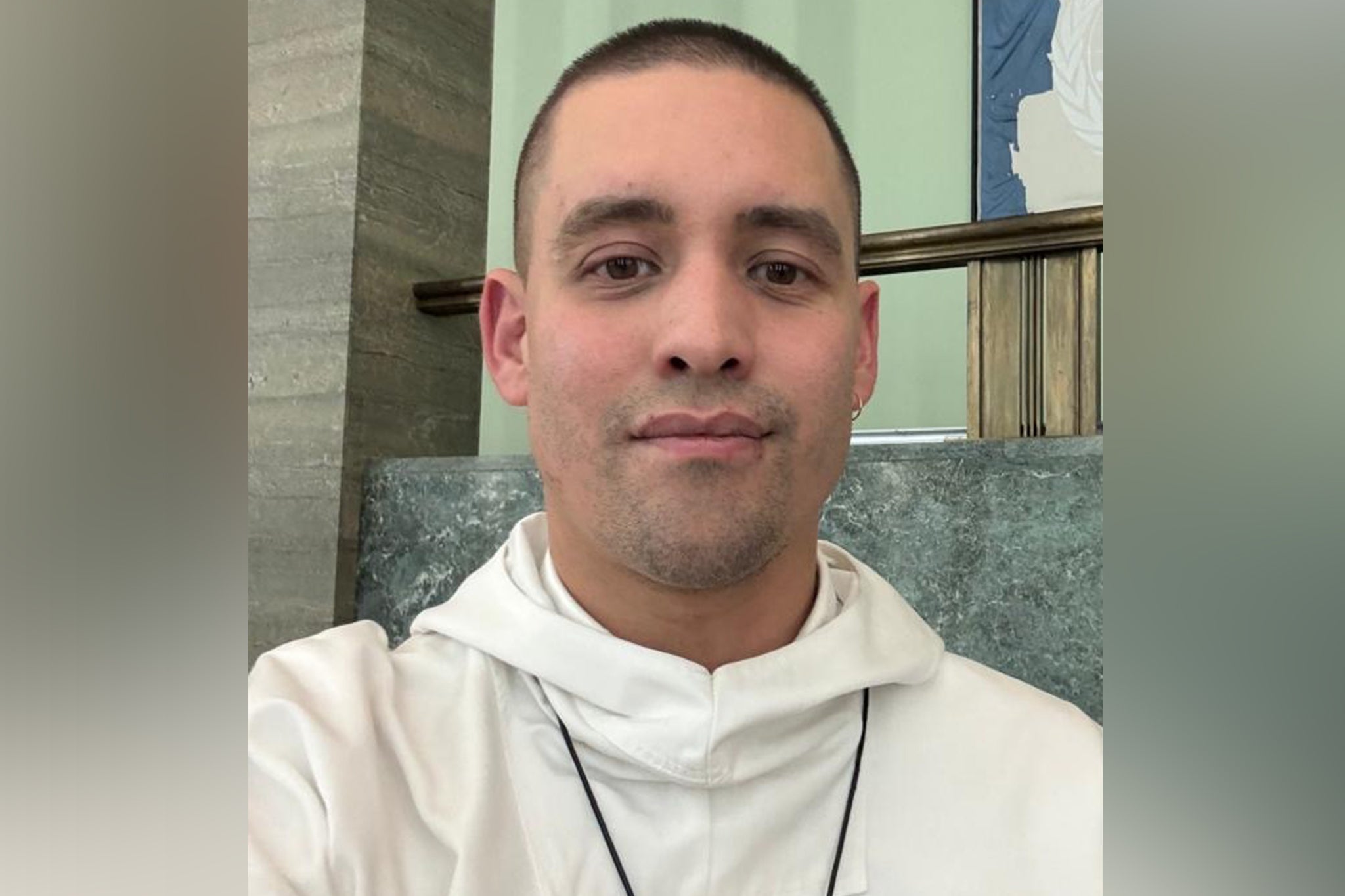
Michael Bro, 34, Indigenous Inuk and Greenlandic and Arctic studies student said: “We want to be Inuit.
“We want to be independent and Inuit Nunaat belongs to Inuit, we are the people of the land – it doesn’t belong to anyone else.
“I don’t want to be a Dane and I certainly don’t want to be an American.”
A similar sentiment was echoed in a statement from Greenland’s politicians on Friday night.
Prime Minister Jens-Frederik Nielsen, alongside four prominent party leaders, declared: “We don't want to be Americans, we don't want to be Danes, we want to be Greenlanders.
“Greenland's future must be decided by the Greenlandic people. As Greenlandic party leaders, we would like to emphasize once again our wish that the United States' contempt for our country ends.”
Tuesday saw leaders of the UK, France, Germany, Italy, Poland and Spain joining Frederiksen in defending Greenlandic sovereignty. Greenlanders hope that the territory’s allies will continue to stand by them.
“The European Union has already made an agreement with the government of Greenland, with the previous administration, to further expand mining activities in our lands,” Bro said.
“I feel like the Americans don’t want more European presence in Inuit Nunaat as they also have economic interest in regard to our natural resources like oil, rare earth minerals and opening trade routes through the Arctic. Who wouldn’t want to be in control of that?
“Our allies must support and protect Inuit, the people of our land, Inuit Nunaat, toward becoming a sovereign nation.”
Amidst calls for Greenlandic independence, Ottawa Inuit circle, an Inuit community support group has shared the hashtag “#StandWithGreenland,” on social media.
Facebook group ‘Hands Off Greenland!’ has also seen a recent boost in activity, the purpose of which is: “to educate the American public against misinformation and to provide a forum for Greenlanders to speak to American voters”.

“Donald Trump must not attempt to seize Greenland against the wishes of Greenland’s Inuit majority,” the group said, echoing growing concerns about just how far the U.S. government might go to achieve the president’s goals.
Aqqaluk Lynge, co-founder of pro-Greenlandic independence party Inuit Atagatigiit, told Danish newspaper Dagbladet Information earlier this week: “For the last 40 years, we have tried through the Arctic Council to prevent the Arctic from becoming militarized.
“Suddenly everything has changed with Donald Trump. The United States is no longer a friend. The United States is now an aggressor. That changes everything.”
Trump appeared to be in no mood to compromise when he addressed the issue with reporters during a press conference Friday.
“We’re going to do something on Greenland whether they like it or not,” Trump said. “If we don't do it the easy way, we're going to do it the hard way,” he added, without explaining what that entailed.
The White House said it is considering a range of options, including using military force, to acquire the island.
The US has maintained a long-standing strategic presence in Greenland, dating back to the 1951 Greenland defence agreement. US Secretary of State Marco Rubio is due to meet with Danish officials to discuss the situation next week.
On Wednesday, Rubio told reporters in Washington DC that Trump retains the option of using military force.
This sparked concern amidst Democratic and Republican senators alike, who said they expect the Senate will eventually vote on legislation seeking to restrict the president’s ability to attempt to seize the territory.
Andrea Bocelli will headline the Milan Cortina Winter Olympic opening ceremony
UK wants ‘peaceful transition’ in Iran as violent crackdown continues
Starmer considering sending military to Greenland as Trump ratchets up rhetoric
Transgender teen athlete in a Supreme Court fight knows the upcoming sports season could be her last
Germany hits back at RFK Jr.’s ‘unfounded’ Covid vaccine claims
Pope Leo baptises 20 babies in tradition marking end of Christmas