'We don't give up really easy': Navajo ranchers battle climate change
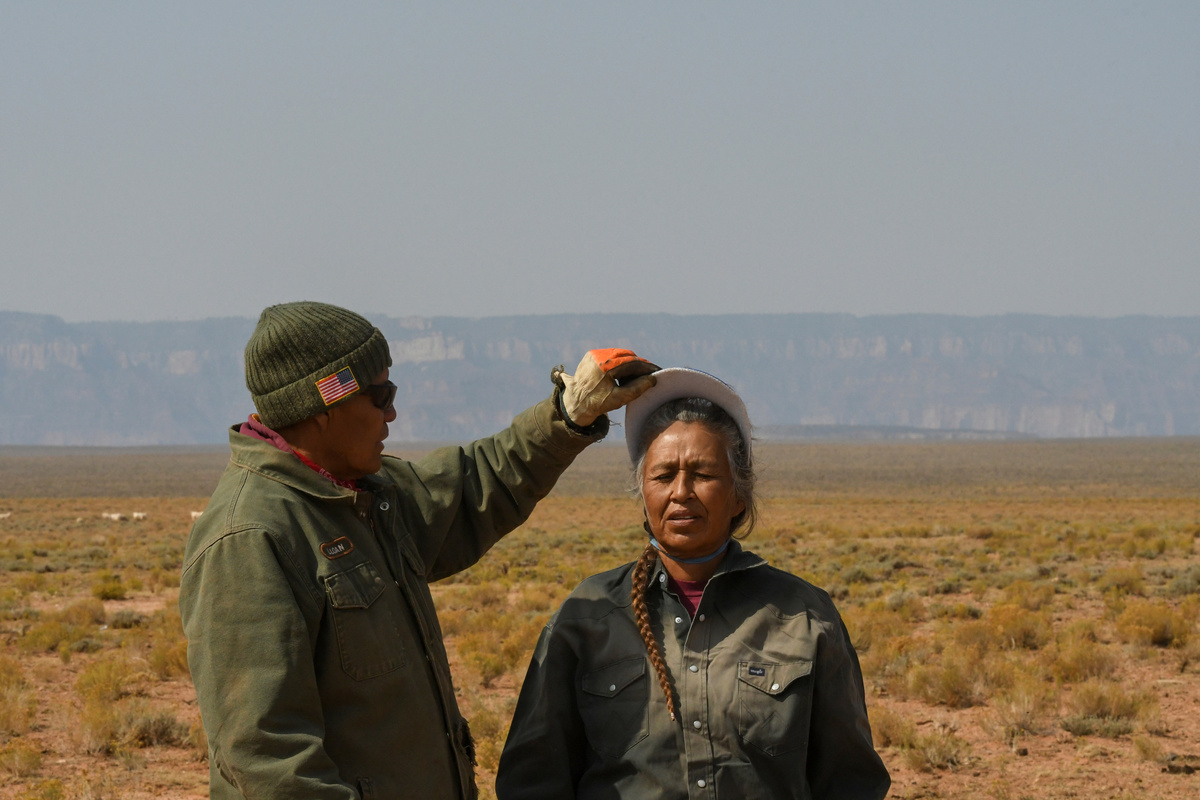
Leonard Sloan, 64, lifts a visor off of his wife Maybelle Sloan, 59, who are both from Navajo Nation, at their sheep camp in the Bodaway Chapter in the Navajo Nation in Gap, Arizona, U.S. September 17, 2020. REUTERS/Stephanie Keith
Two decades into a severe drought on the Navajo reservation, the open range around Maybelle Sloan’s sheep farm stretches out in a brown expanse of earth and sagebrush.
A dry wind blows dust across the high-desert plateau, smoke from wildfires in Arizona and California shrouding the nearby rim of the Grand Canyon.
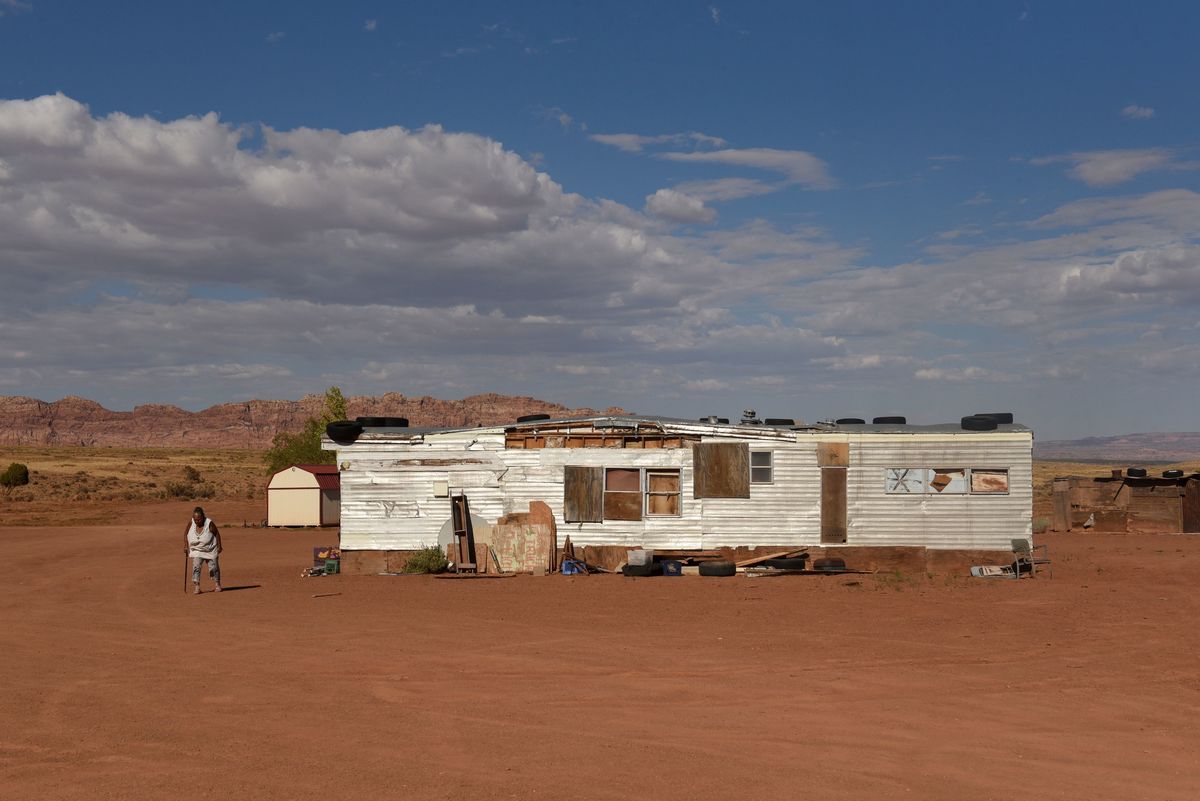
Sarah Begay, 85, walks on her family compound in a remote area of the Bodaway Chapter on the Navajo Nation outside of Gap, Arizona, U.S. September 14, 2020. Navajo traditionally live in compounds with dwelling for extended family members. REUTERS/Stephanie Keith
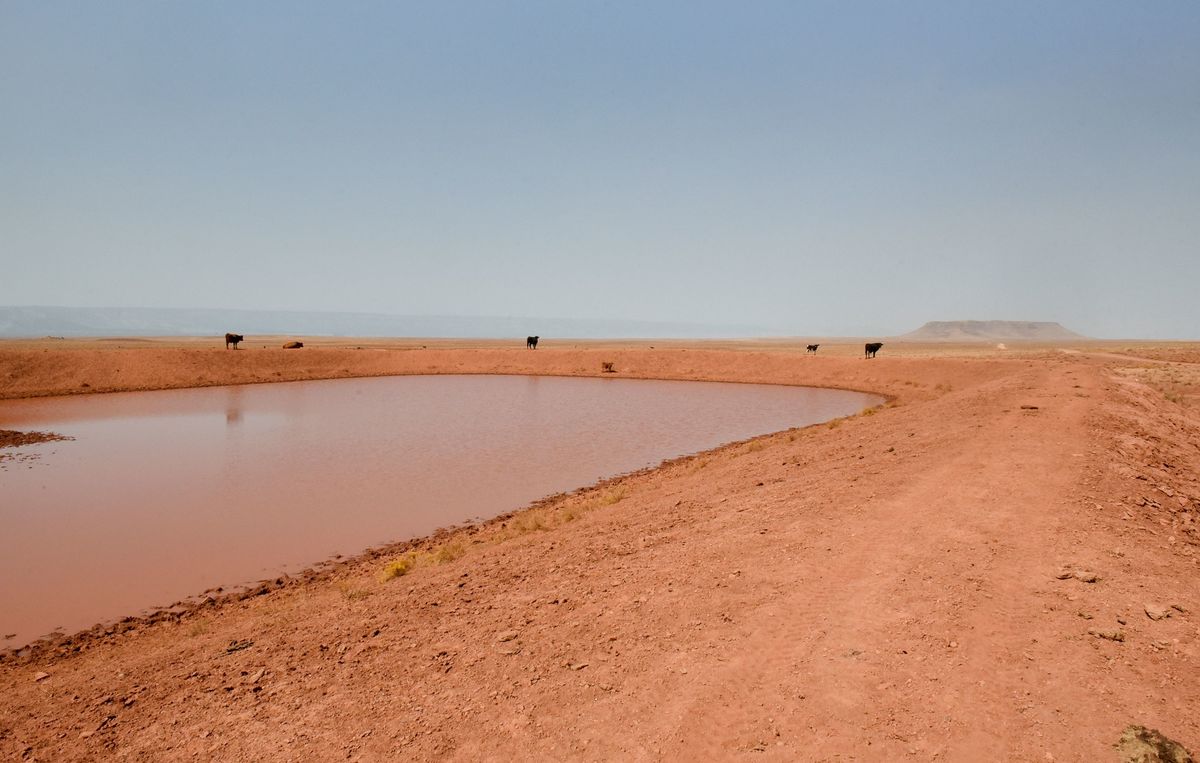
The summer monsoon rains have failed again, and stock ponds meant to collect rainwater for the hot summer months are dry.
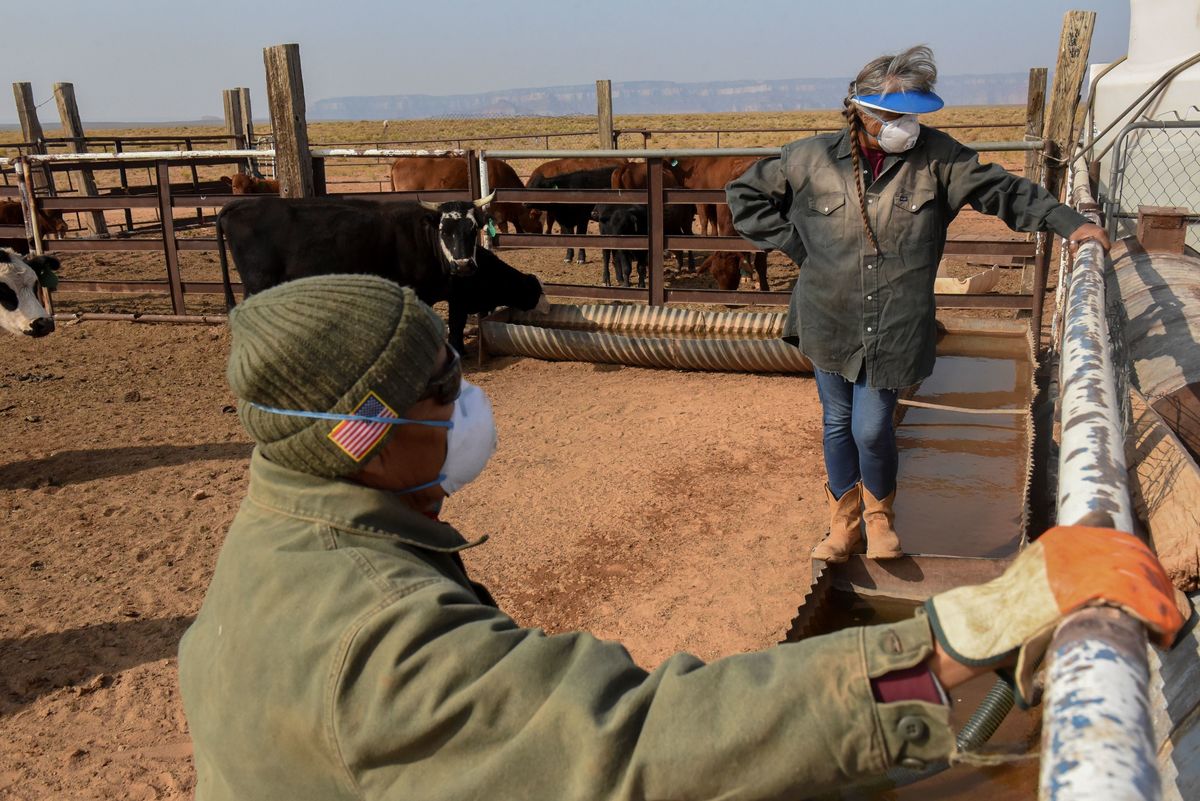
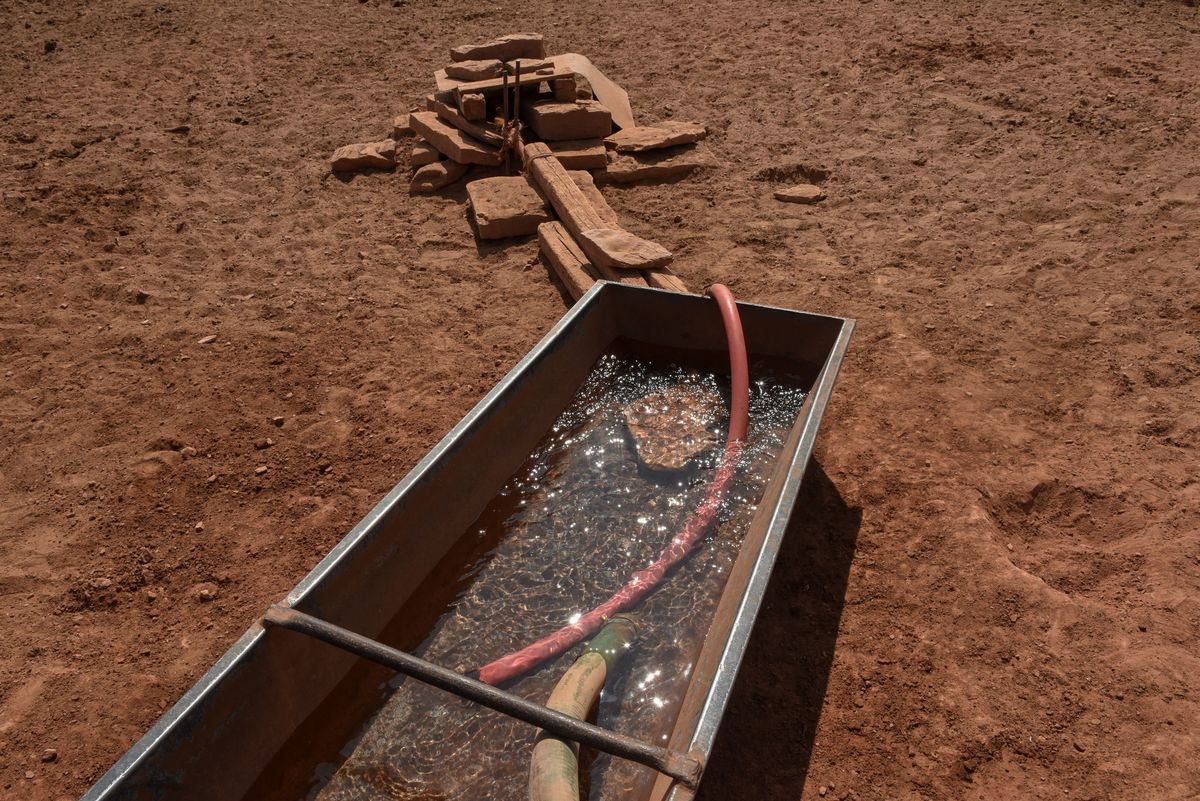
With no ground water for her animals, Sloan, 59, fills an animal trough with water from a 1,200-gallon white plastic tank. She and her husband, Leonard, have to pay up to $300 to have the tank filled as her pickup truck has broken down. When it's working, she hauls water herself every two days, spending $80 a week on fuel.
The cost of hauling water has made their ranch unprofitable.
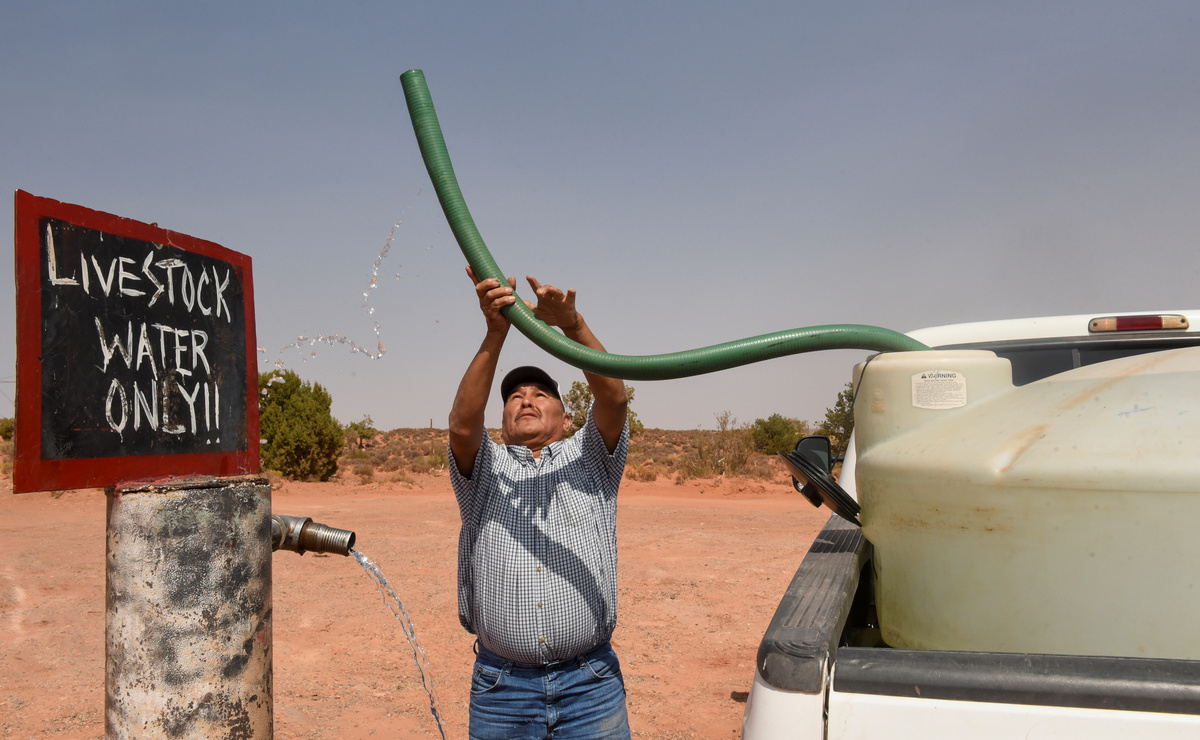
Eugene Boonie, 55, who is from Navajo Nation, fills up his water tank at the livestock water spigot in the Bodaway Chapter in the Navajo Nation, in Gap, Arizona, U.S. September 17, 2020. REUTERS/Stephanie Keith
The Navajo Nation – covering a 27,000 square mile area straddling the U.S. states of Arizona, New Mexico and Utah -- competes with growing cities including Phoenix and Los Angeles for its water supply.
And as climate change dries out the U.S. West, that supply is becoming increasingly precarious.
In decades past, “we got rain every year around June, July, August,” said Leonard Sloan. The 64-year-old rancher pointed toward the dry ponds in the ground near a local butte named Missing Tooth Rock. “When we had that storm, there would be water and they would be full. And now due to global warming, we don’t get no rain, just a little."
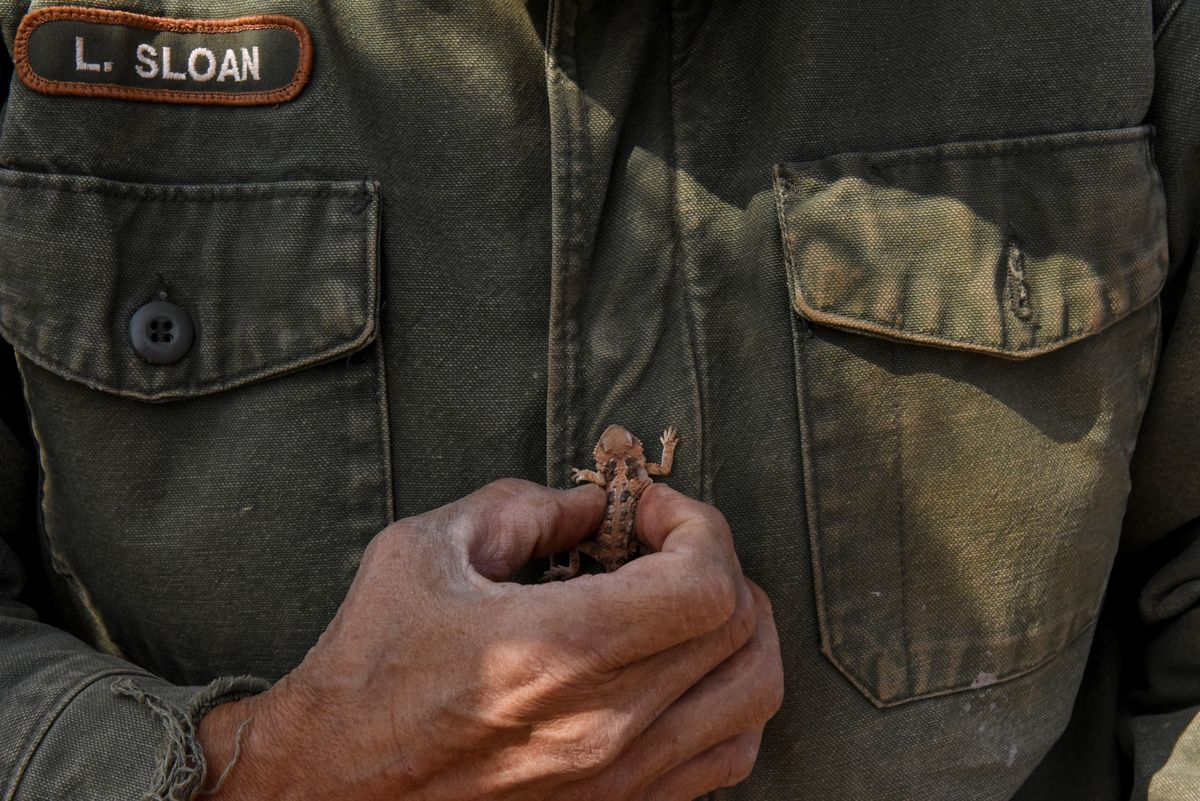
Leonard Sloan, 64, who is from Navajo Nation, holds a horned toad (also known as a 'horny' toad), against his chest whilst saying a prayer for rain in the Bodaway Chapter in the Navajo Nation, Gap, Arizona, U.S. September 17, 2020. REUTERS/Stephanie Keith
To keep their ranch alive the Sloans have to get water, which is free, from the sole livestock well in the area some 15 miles to the east.
They spend between $3,000 and $4,000 a year on hay to supplement their animals’ feed as the open range no longer produces enough grass to sustain them.
Maybelle has cut her sheep herd down to 24 head, and Leonard tells her to get rid of them and her 18 goats to focus on their 42 cattle, which bring more money at market.
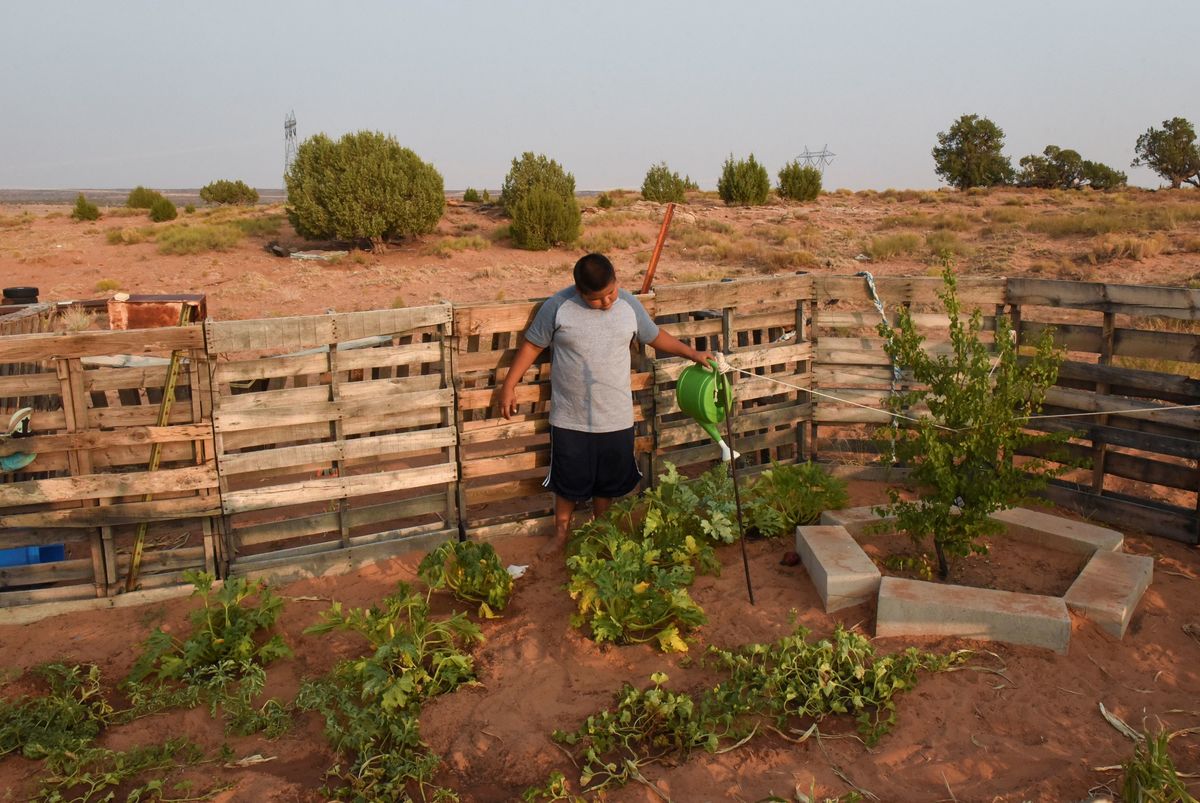
Joshua Manuelito, 10, who is from Navajo Nation, waters his garden at his home in the Bodaway Chapter in the Navajo Nation in Gap, Arizona, U.S. September 16, 2020. REUTERS/Stephanie Keith
But Maybelle bristles at the thought of giving up sheep herding learned from her mother, and grandmother before her. Maybelle’s mother, father and sister all died in April from coronavirus.
"I’m doing it for my parents," Maybelle said, wiping tears away as she sat on the metal railing of a corral while her cattle licked salt blocks and drank water.
GRADUAL DISASTER
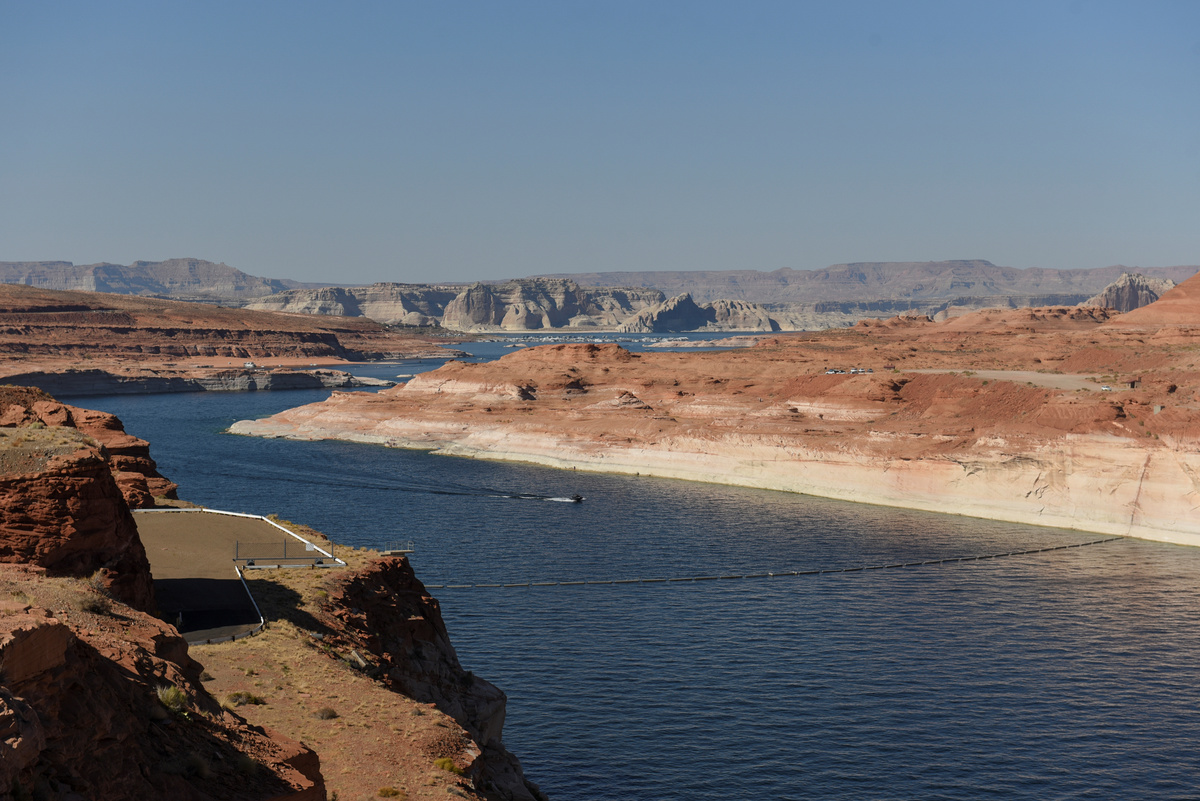
Lake Powell which is created by the Glen Canyon Dam on the Colorado River stands in Page, Arizona, U.S. September 12, 2020. REUTERS/Stephanie Keith
The Sloans remember grass growing as high as the belly of a horse as recently as the 1980s.
But drought conditions on the reservation have become largely relentless since the mid-1990s.
Annual average temperatures rose by 1.4 degrees Fahrenheit in the reservation's Navajo County area over the 100 years to 2019, according to National Oceanic and Atmospheric Administration data.
A livestock watering hole, built to contain rainwater, stands in the Bodaway Chapter in the Navajo Nation, near Gap, Arizona, U.S. September 17, 2020. The Navajo REUTERS/Stephanie Keith
The months of June to August this year were the driest on record in the area for the three-month period, according to drought monitoring data studied by climate scientist David Simeral of the Desert Research Institute in Nevada. Three of the five driest July-August rainy seasons in the area have occurred since the late 1990s.
The warming trend has prompted desertification, with sand dunes now covering about a third of the reservation, according to the U.S. Geological Survey (USGS).
All but one of the reservation’s rivers have stopped running year-round, said Margaret Redsteer, a scientist at the University of Washington in Bothell.
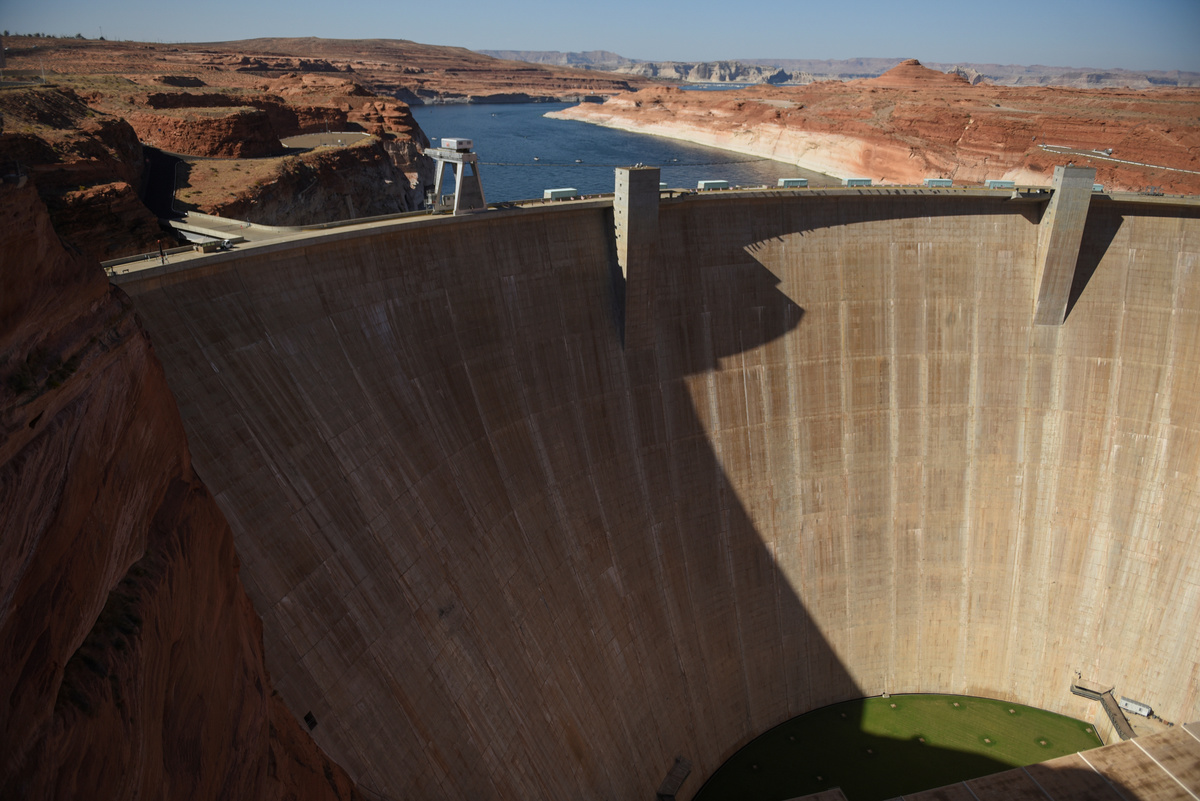
The Glen Canyon Dam which creates Lake Powell from the Colorado River stands in Page, Arizona, U.S. September 12, 2020. REUTERS/Stephanie Keith
“That’s the really tricky thing about droughts, and climate change is like that too,” Redsteer said. “It’s a gradual disaster.”
DETERMINED PEOPLE
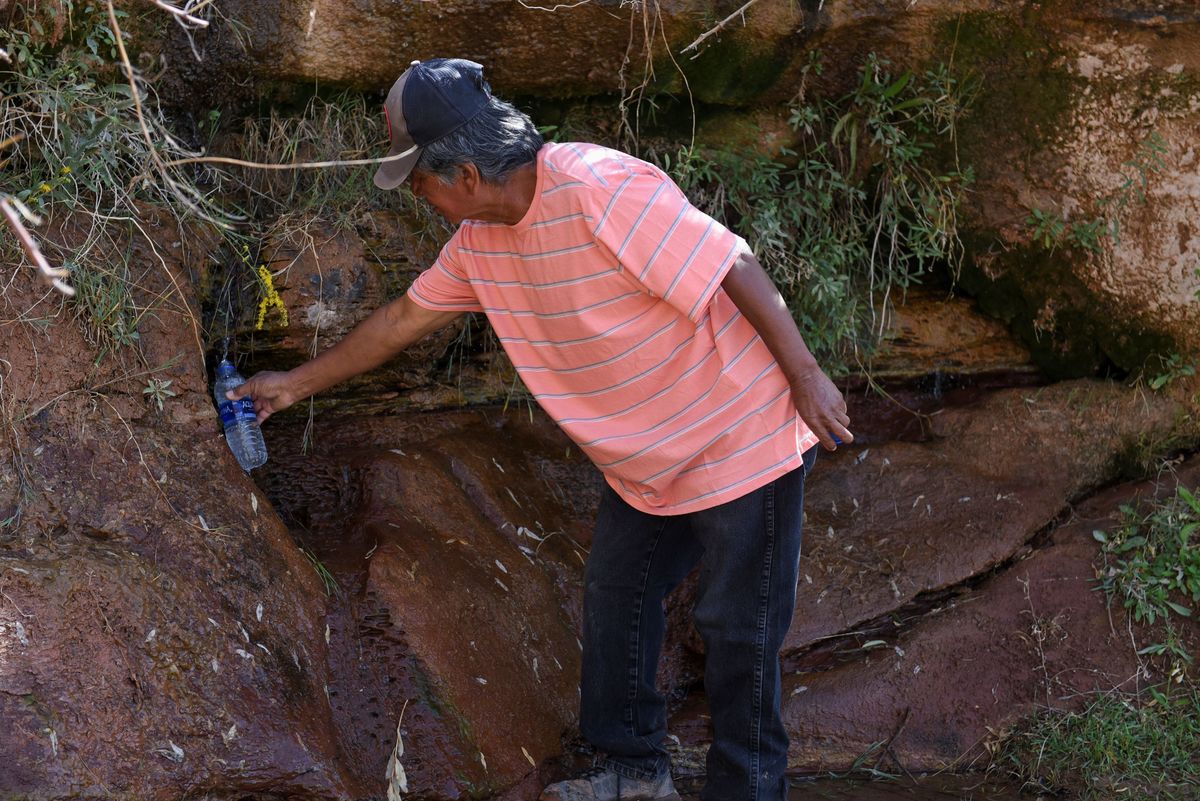
Glen John, 65, who is from Navajo Nation, catches water from a natural spring in the Bodaway Chapter on the Navajo Nation in Hidden Springs, Arizona, U.S. September 13, 2020. REUTERS/Stephanie Keith
On paper, the Navajo Nation has extensive water rights based on the federal “reserved rights” doctrine which holds that Native American nations have rights to land and resources in treaties they signed with the United States.
In practice, the Navajos and other tribes were left out of many 20th century negotiations divvying up the West’s water.
There are signs some of the next generation are keeping up ranching traditions.
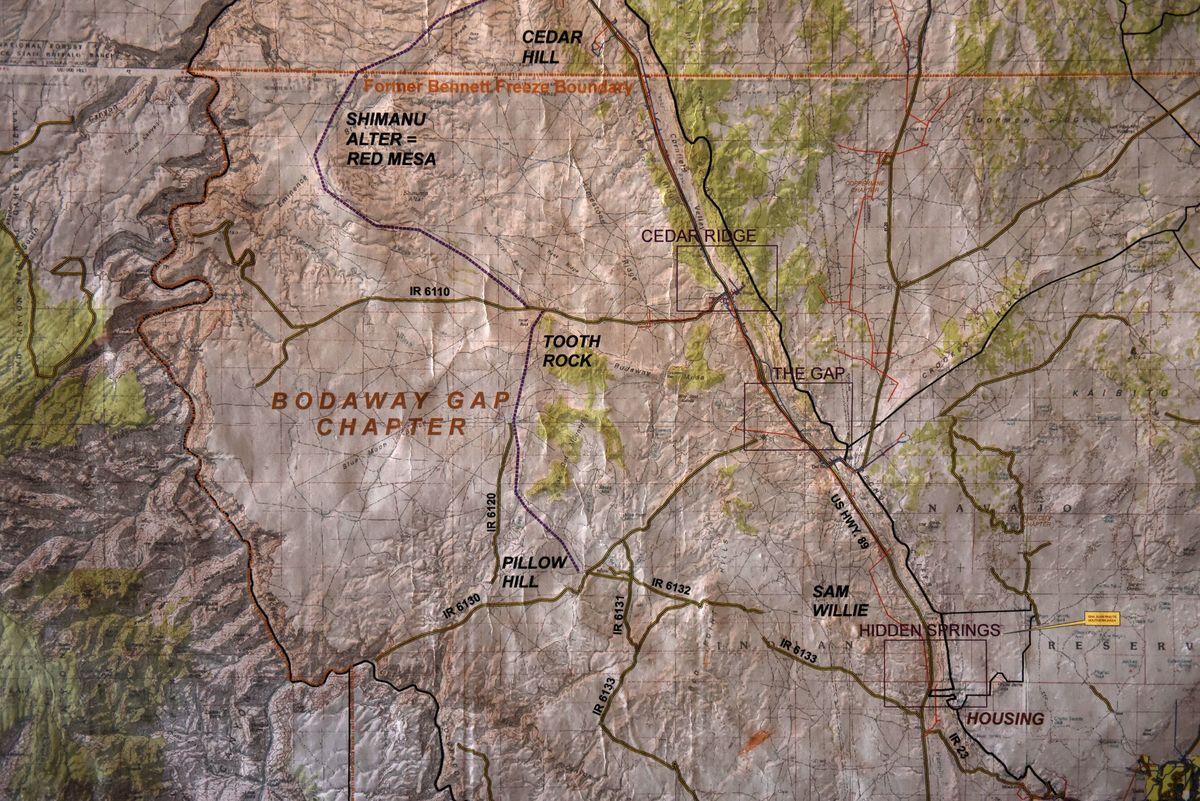
The map of the Bodaway Chapter hangs at Bodaway Chapter House, in Gap, Arizona, U.S. September 14, 2020. REUTERS/Stephanie Keith
Some youths simply help their grandparents haul water each day from the sole well for livestock in the Bodaway-Gap area. Still others, including Maybelle’s children, send money from their work off the reservation to help fund their families’ ranches.
“Us Indians, we don’t give up really easy,” Maybelle said. “We’re really determined people.”
(Reporting by Stephanie Keith and Andrew Hay; Editing by Lisa Shumaker)
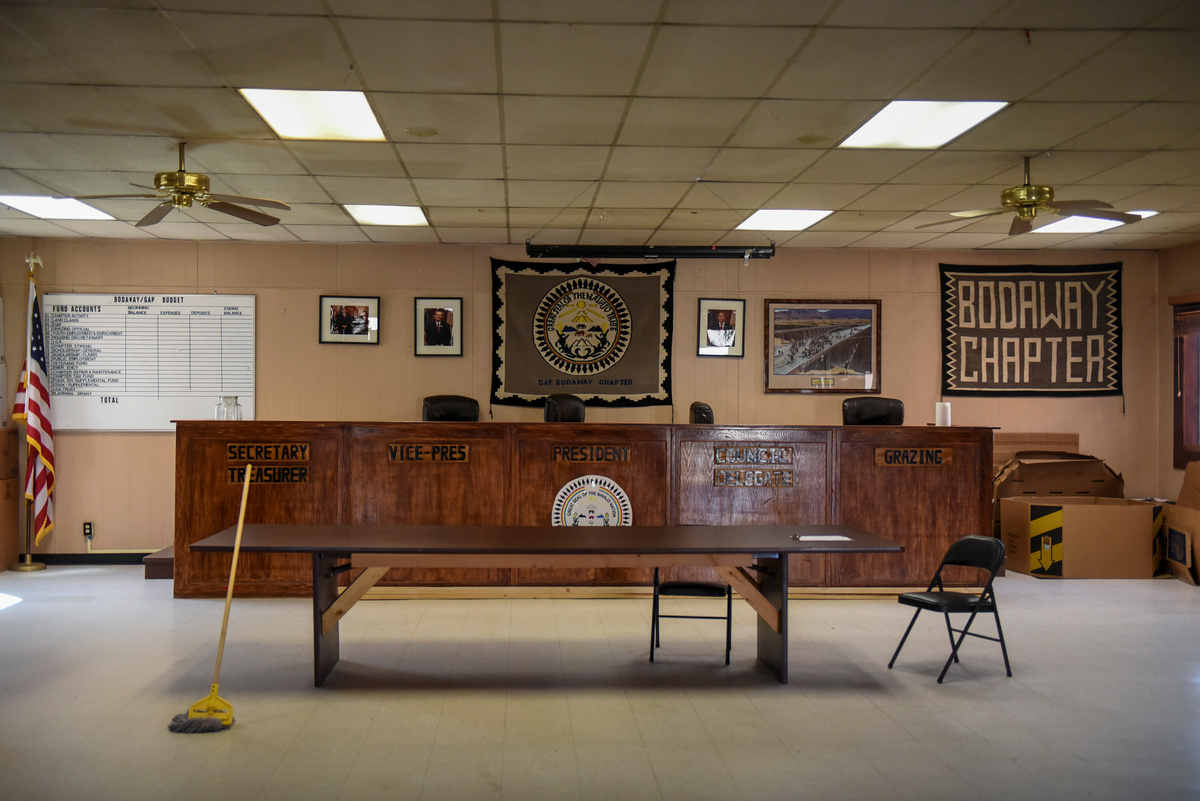
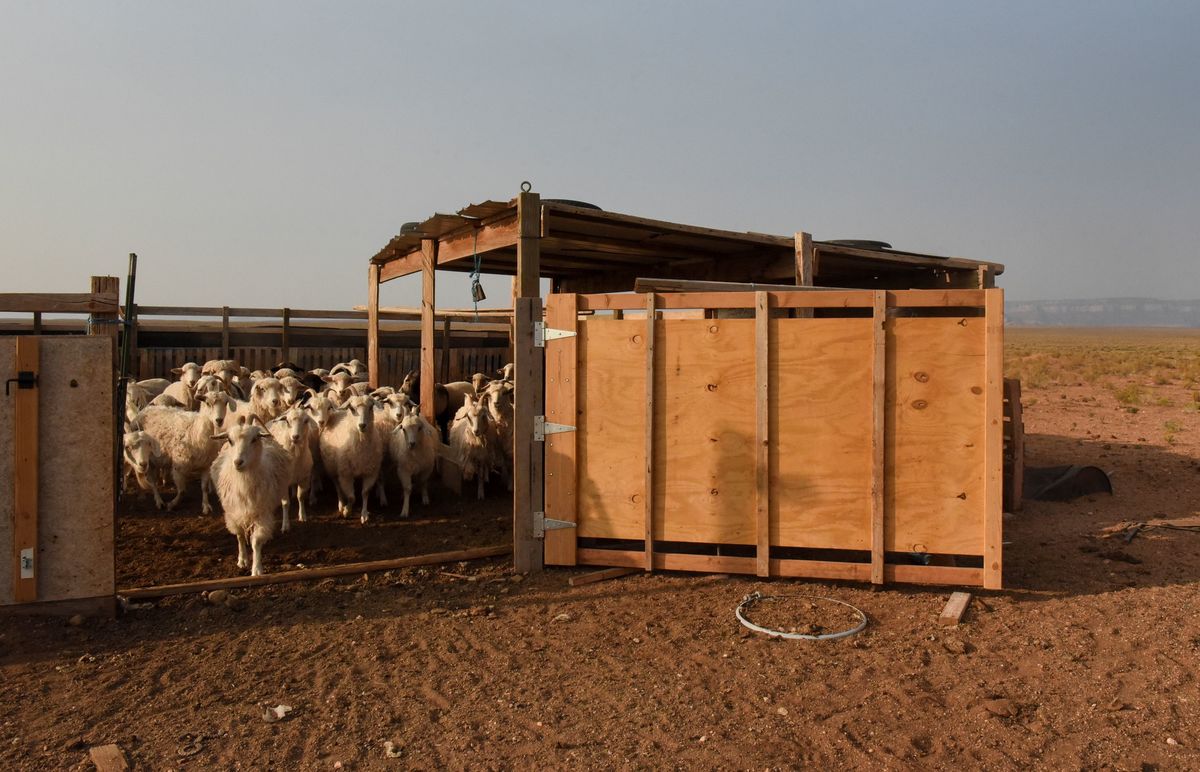
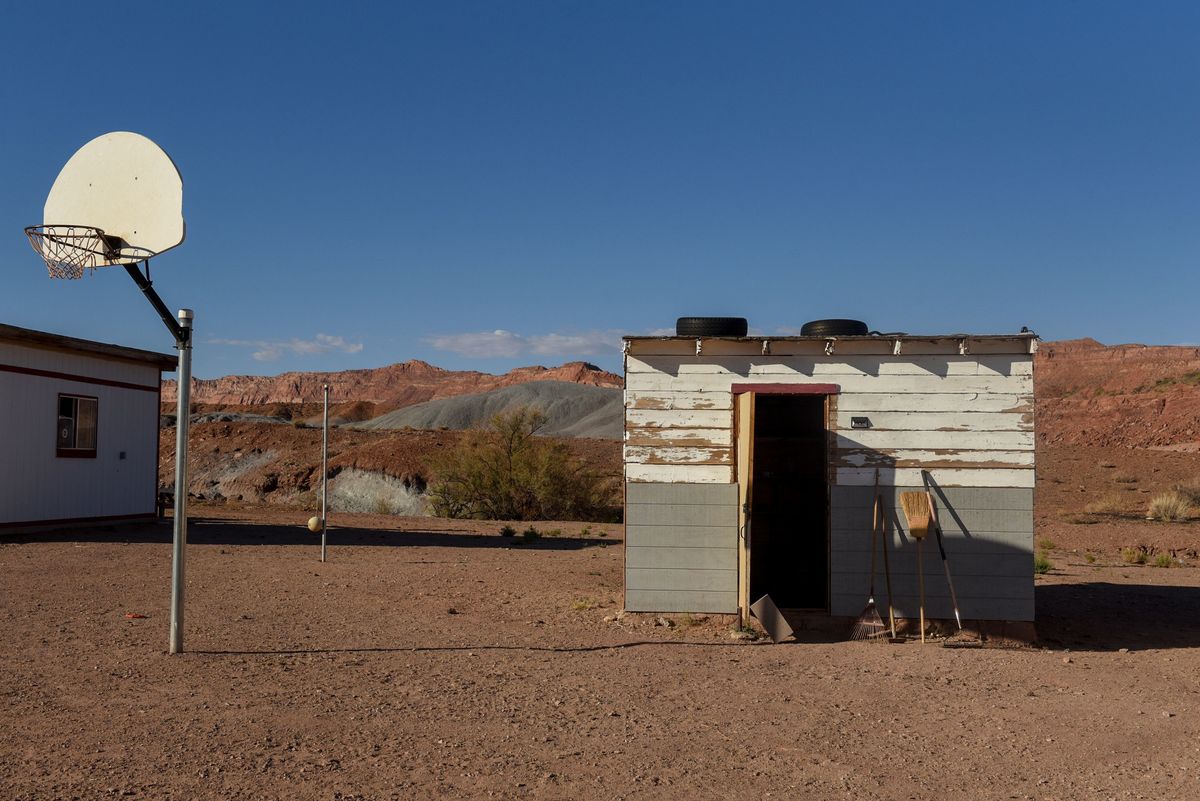
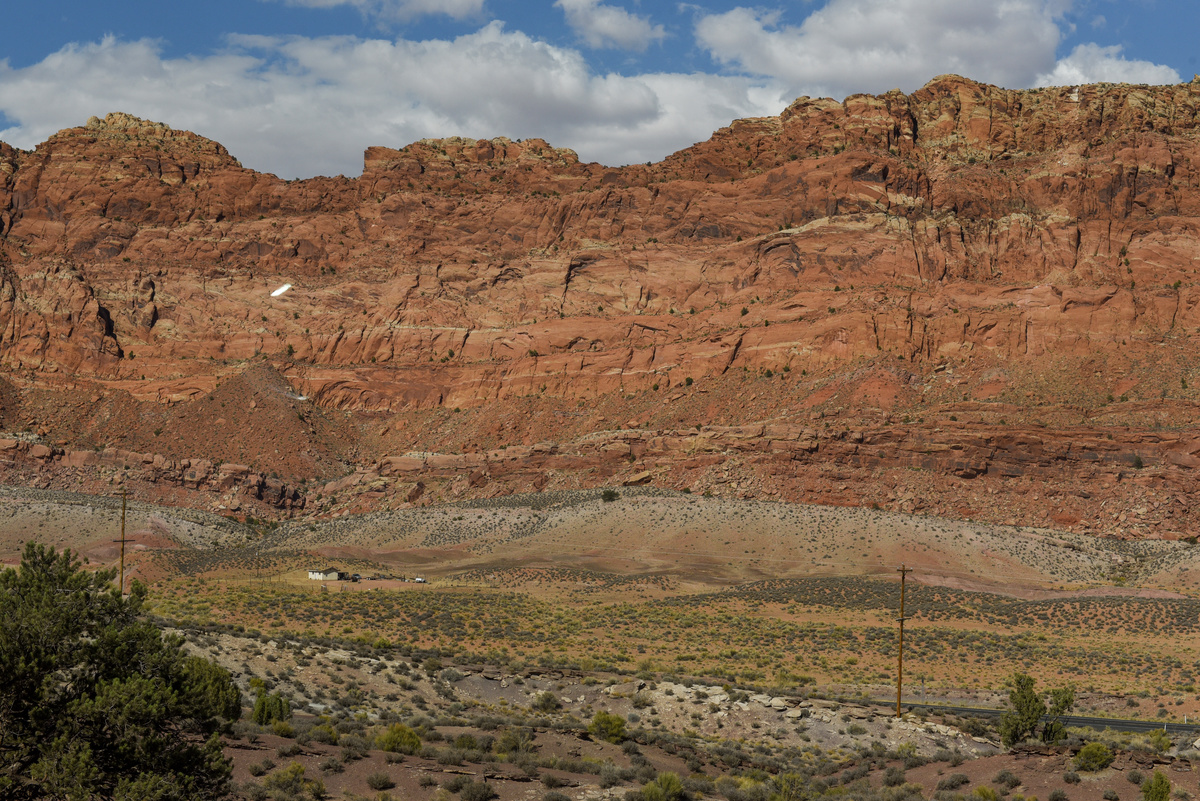
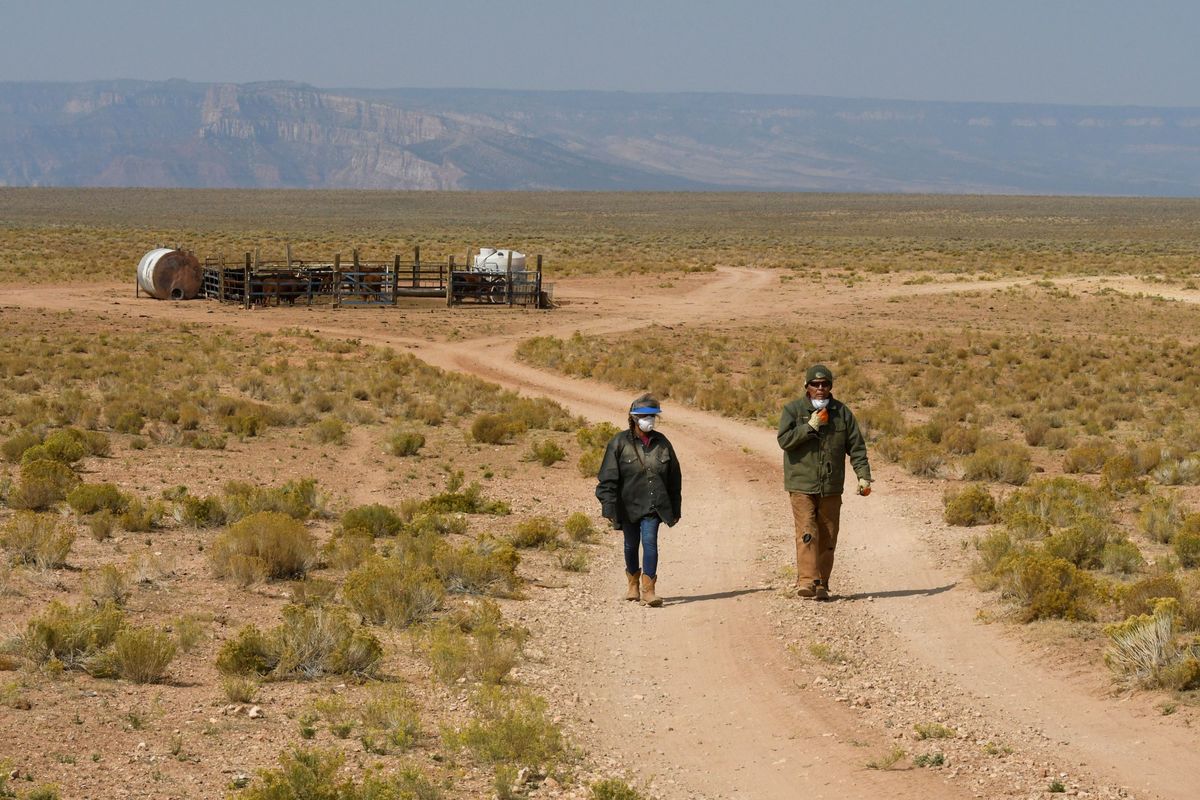
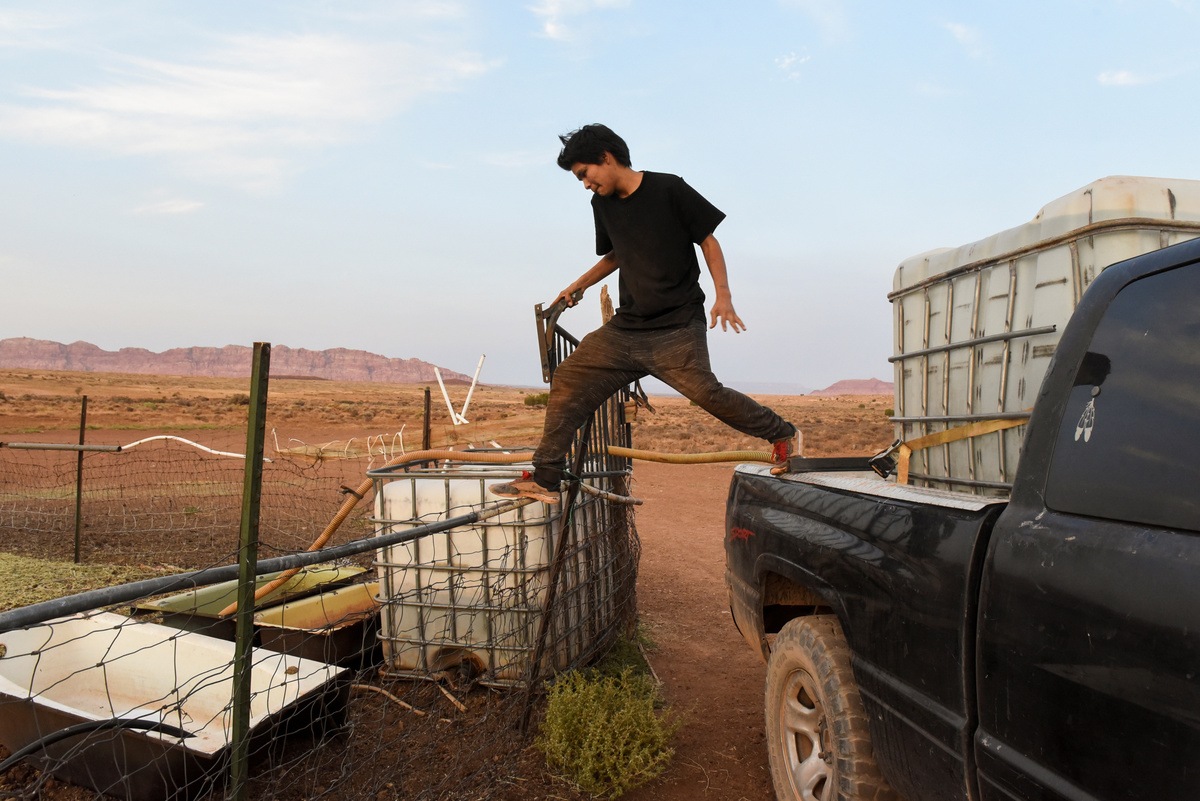
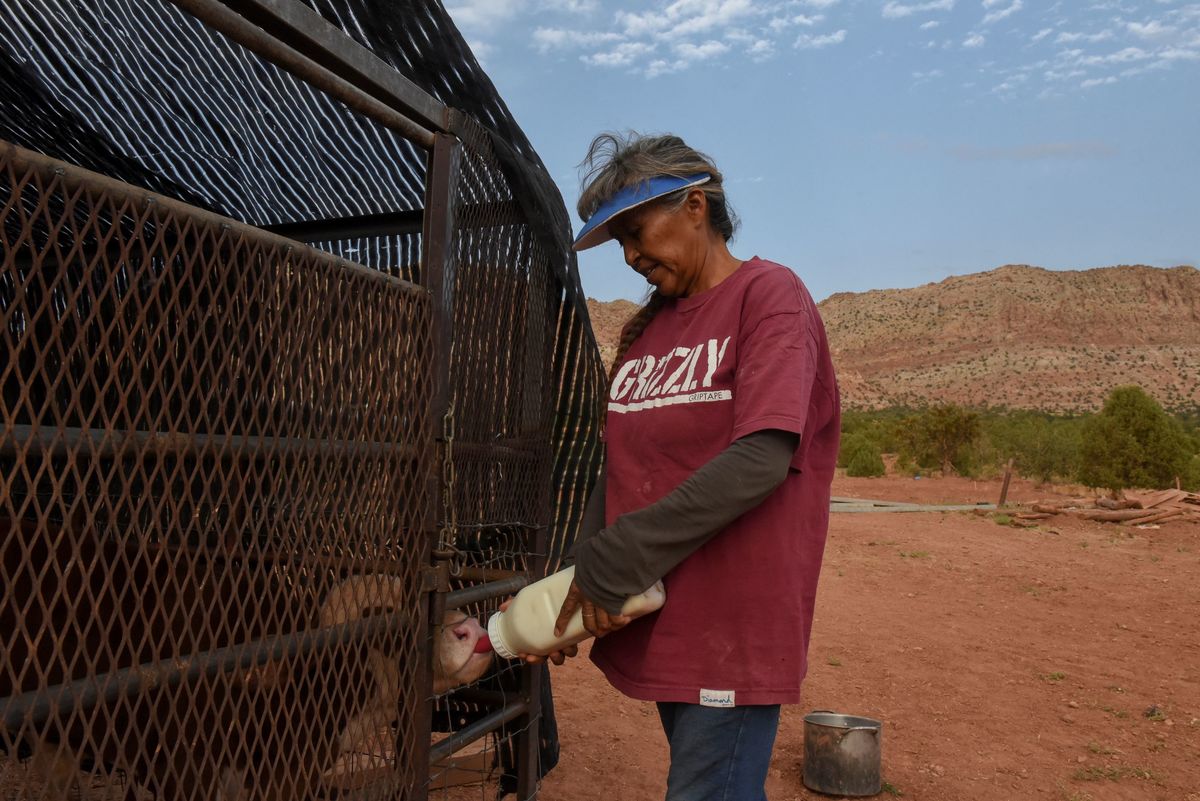
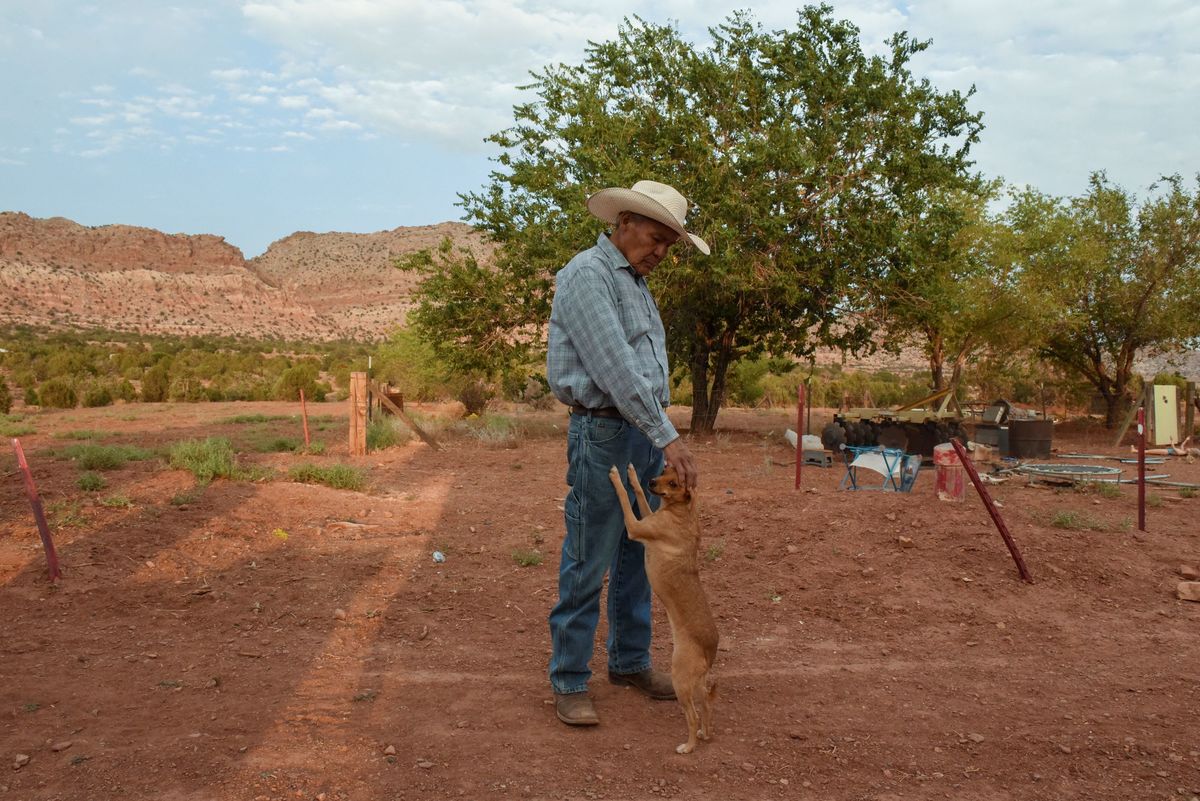
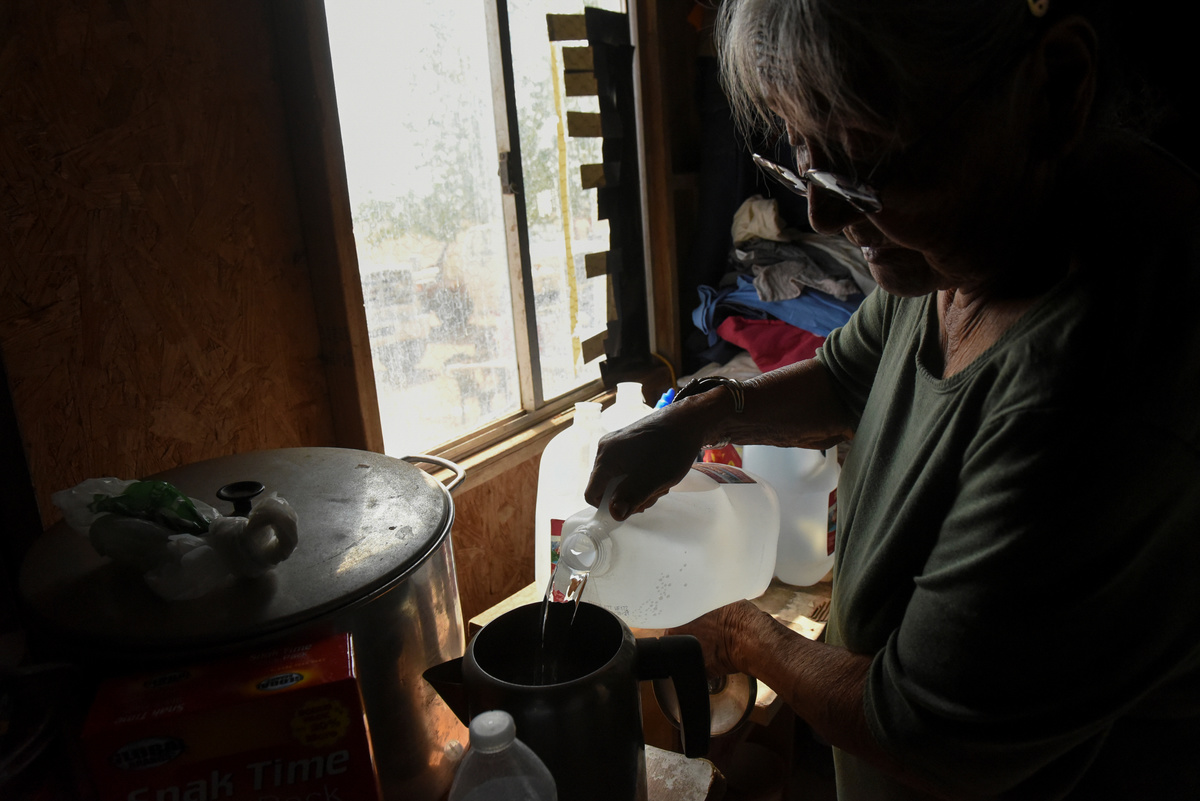
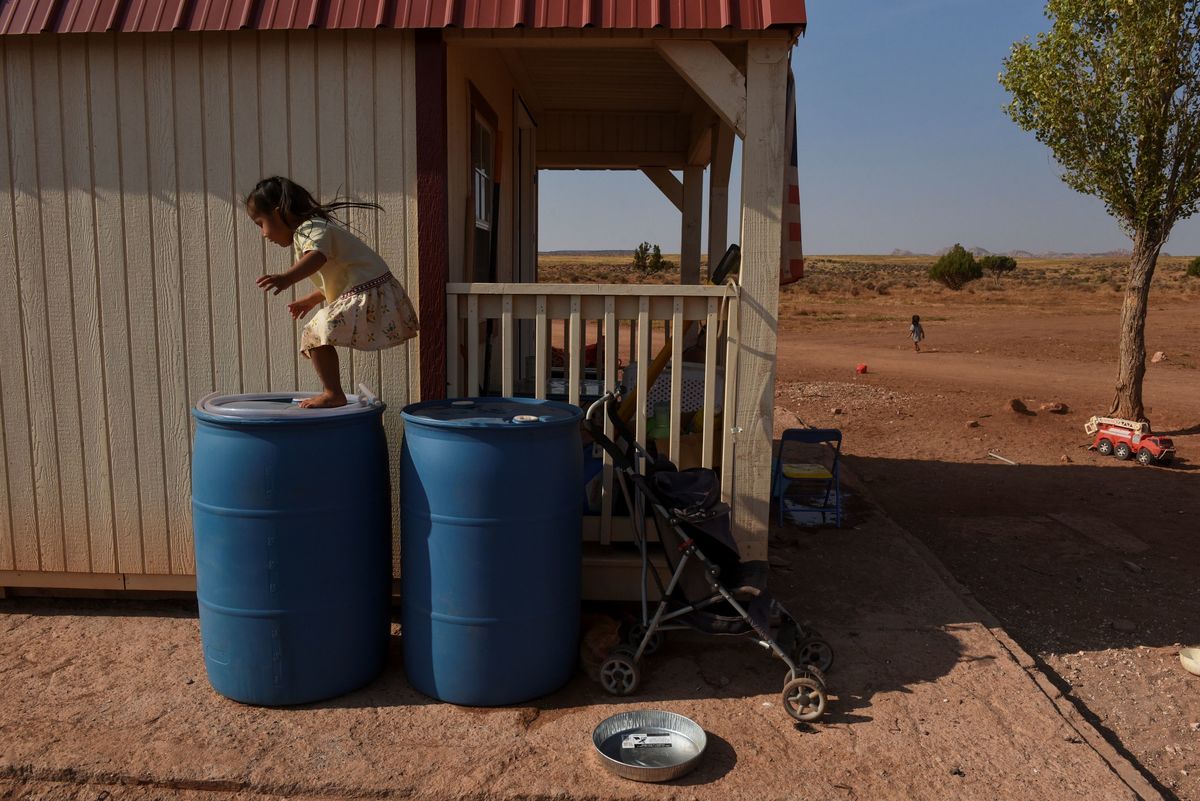
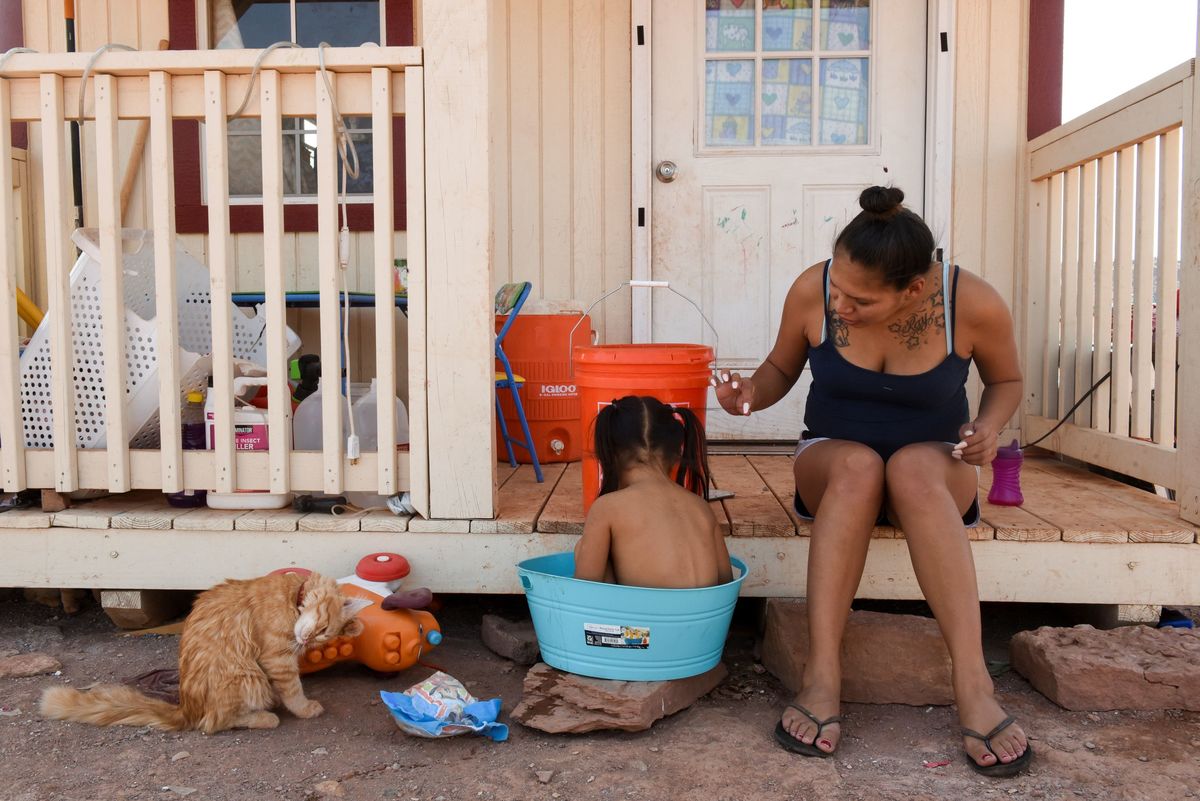
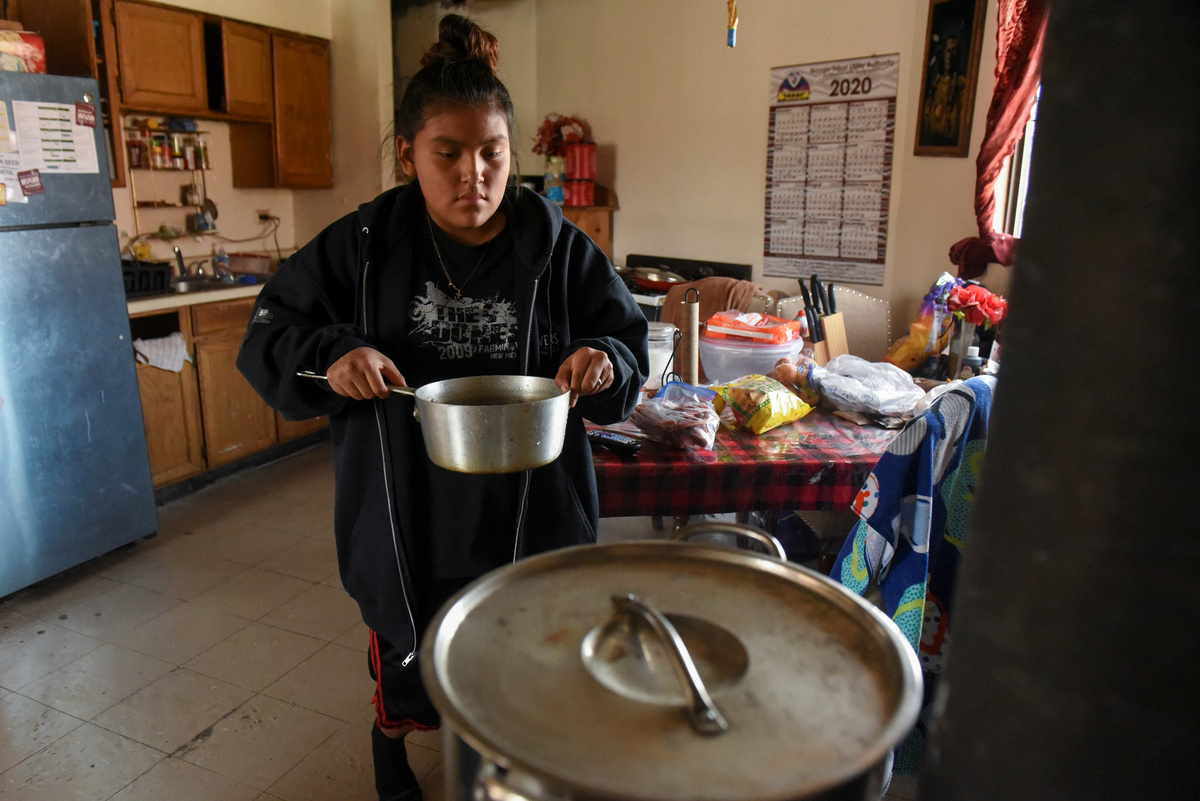
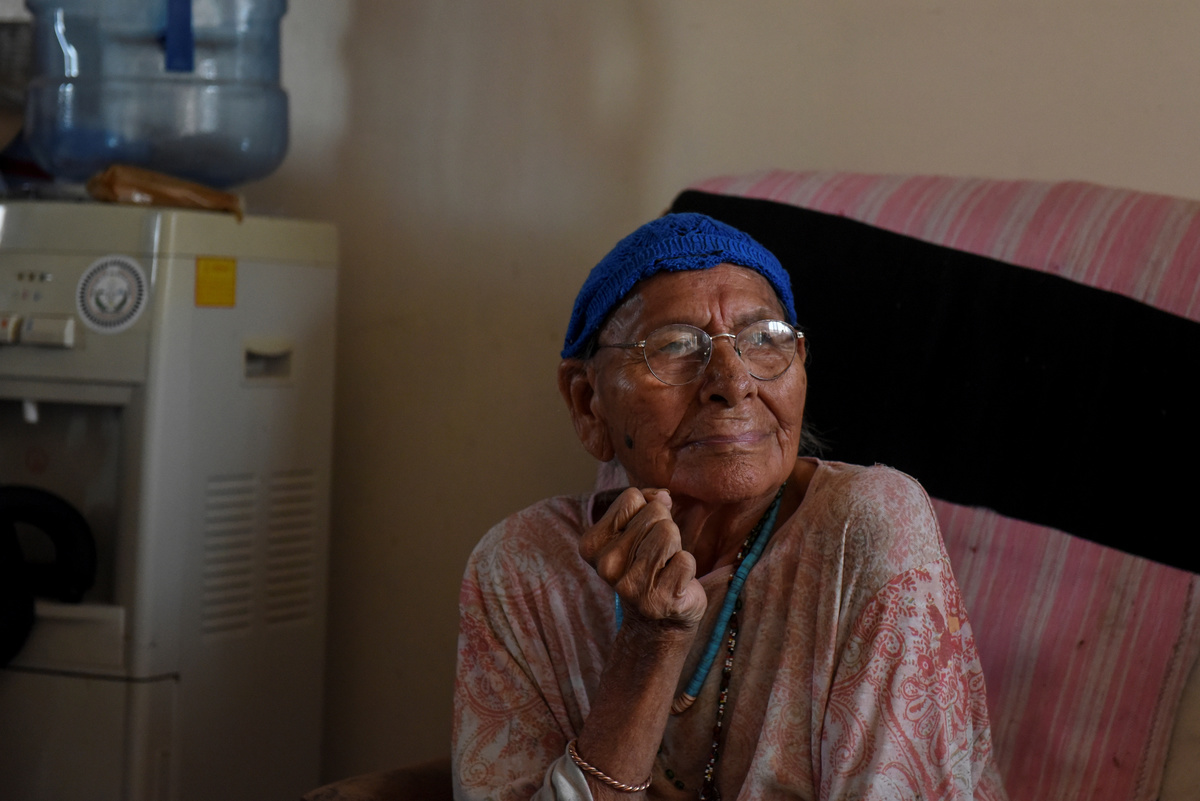
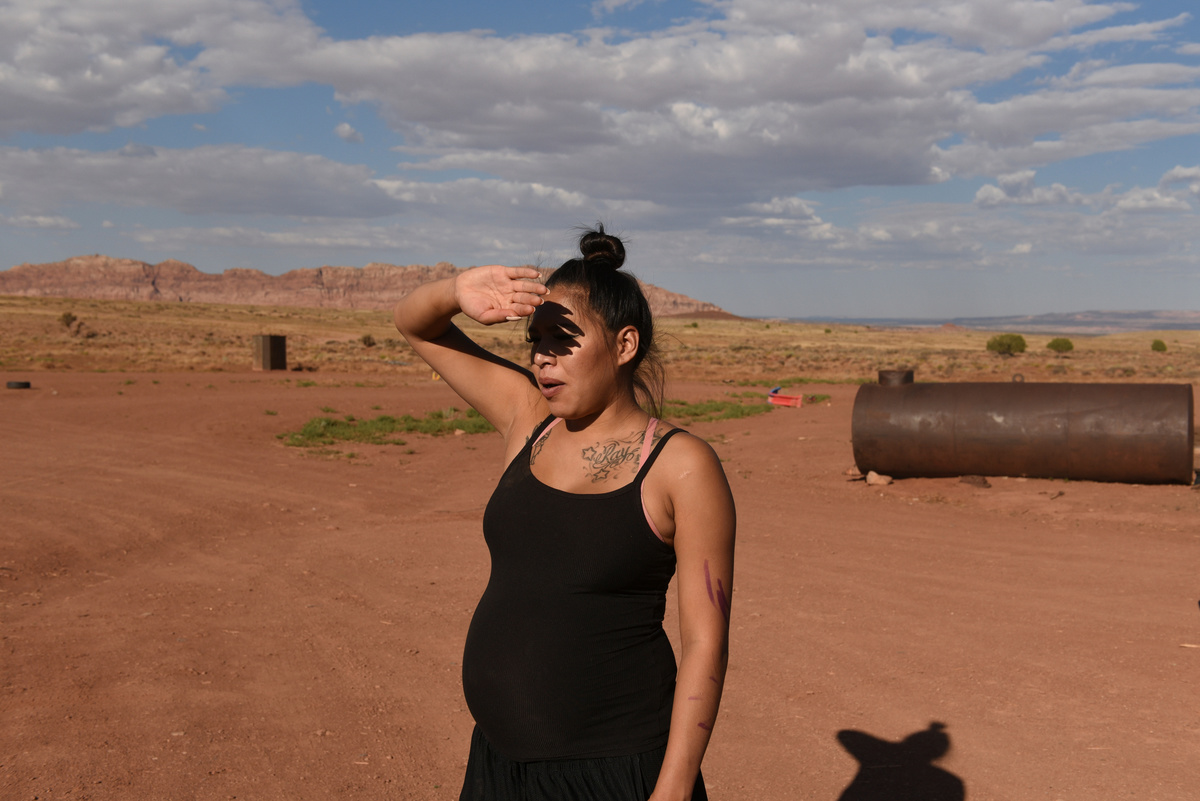
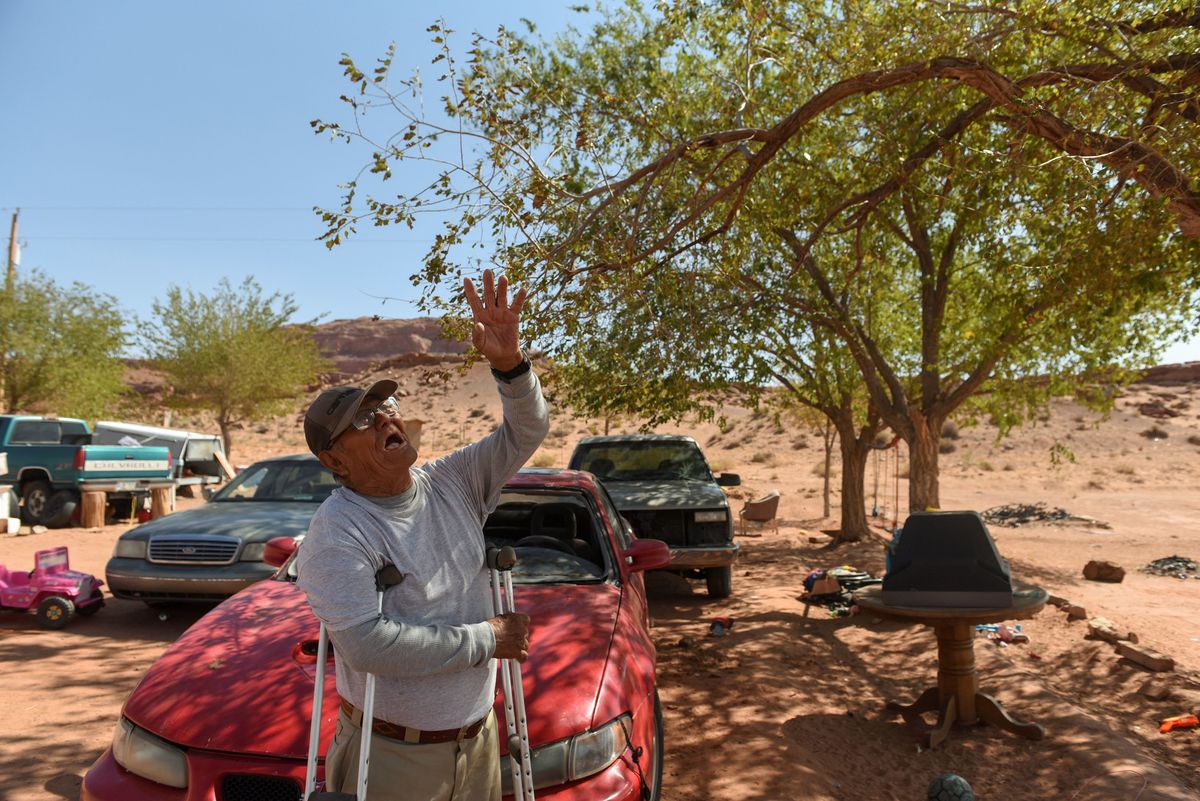
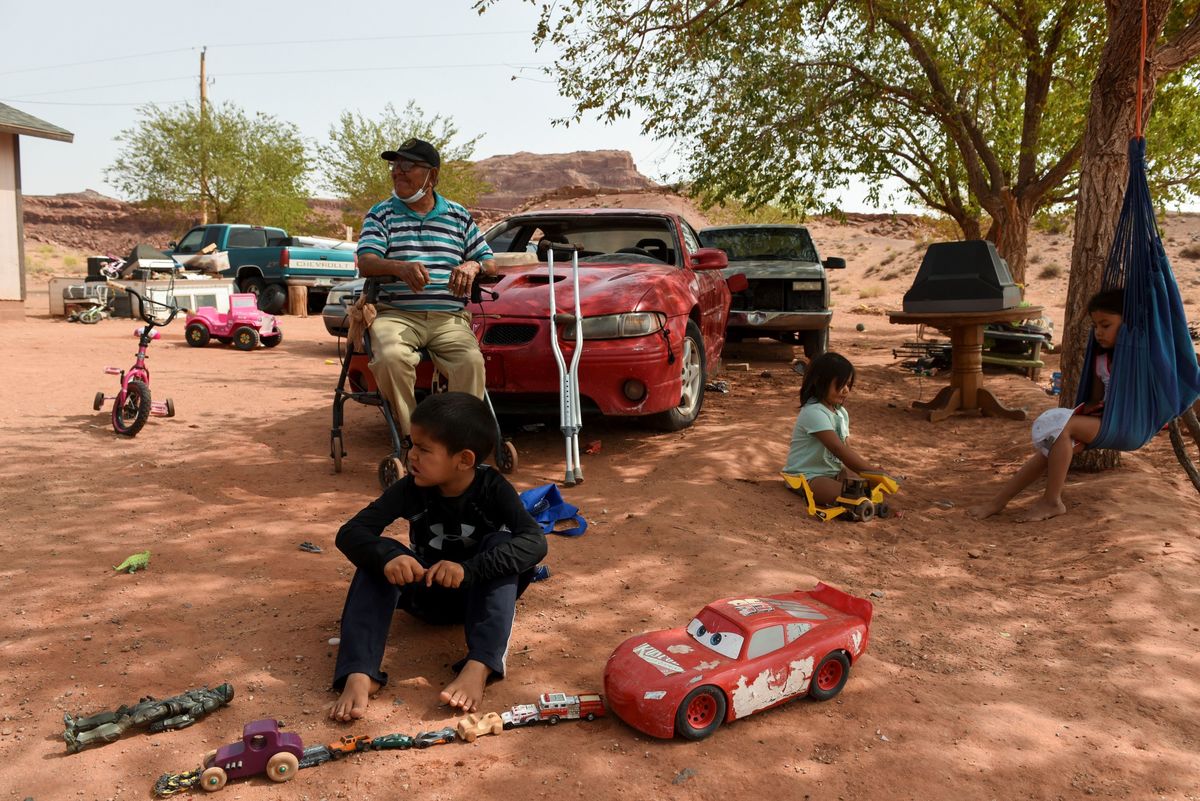
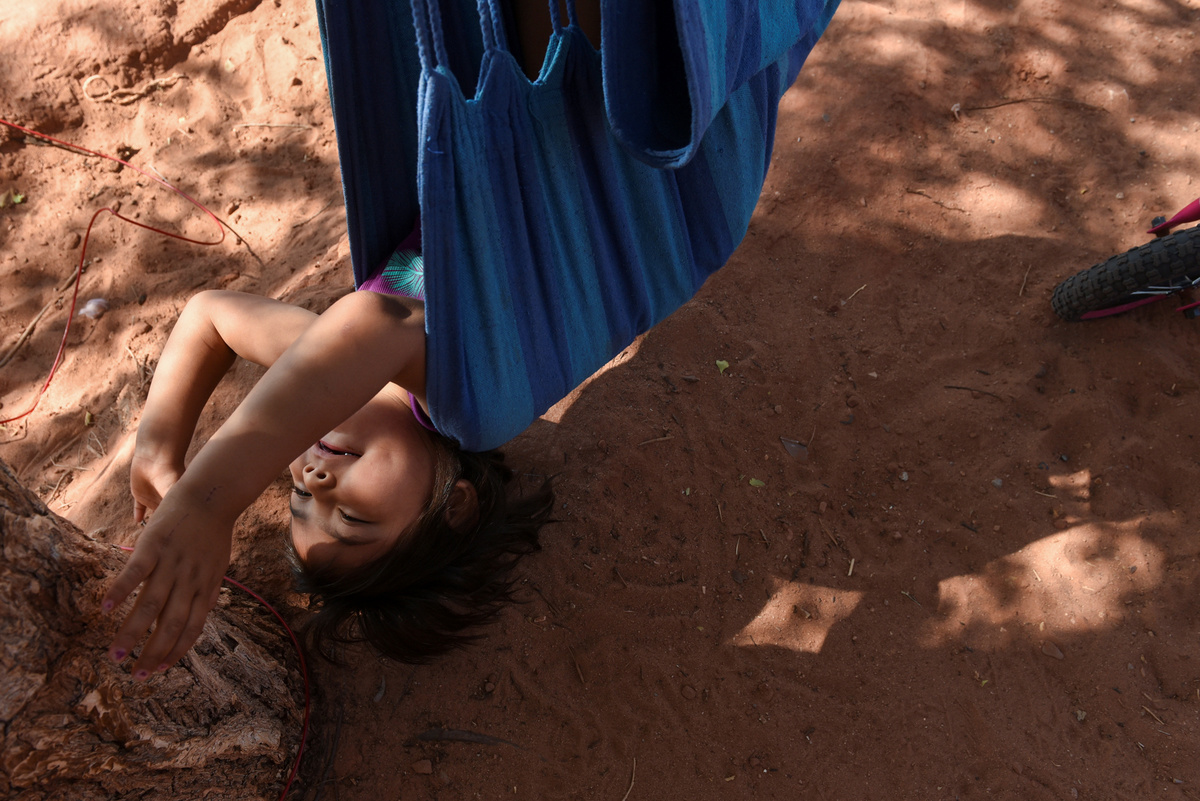
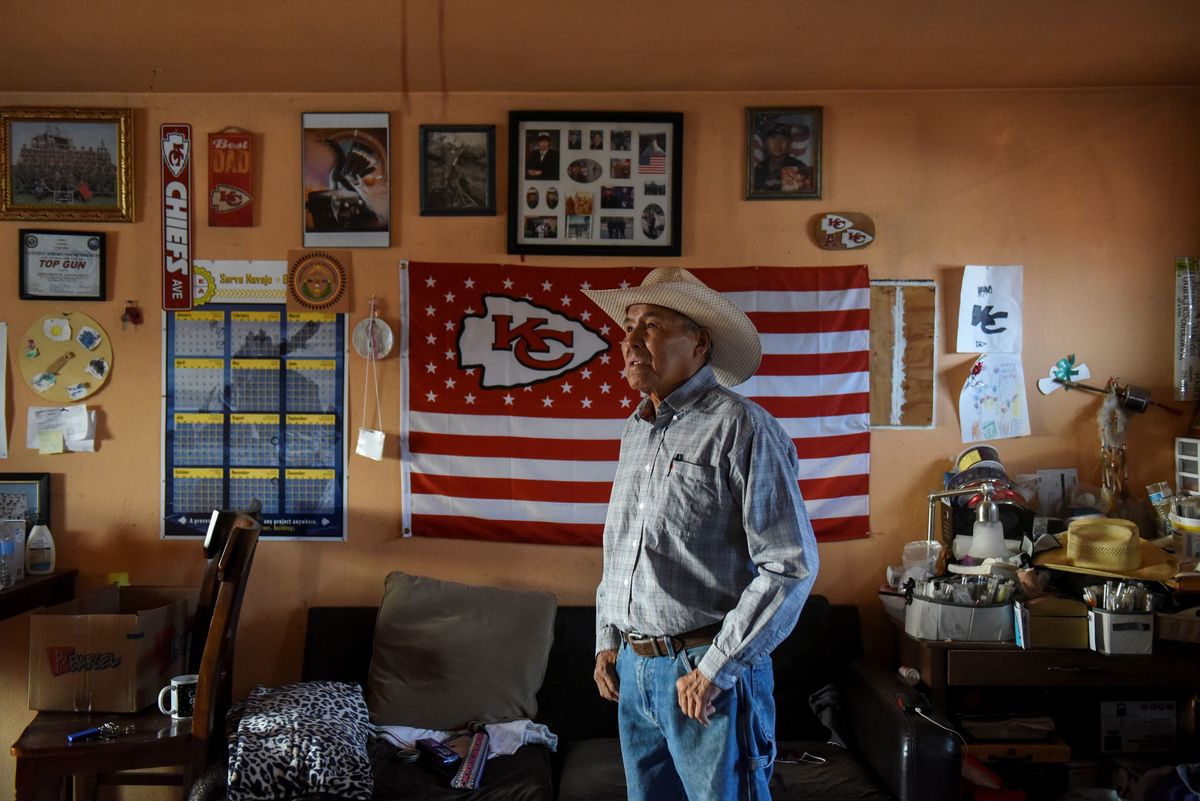
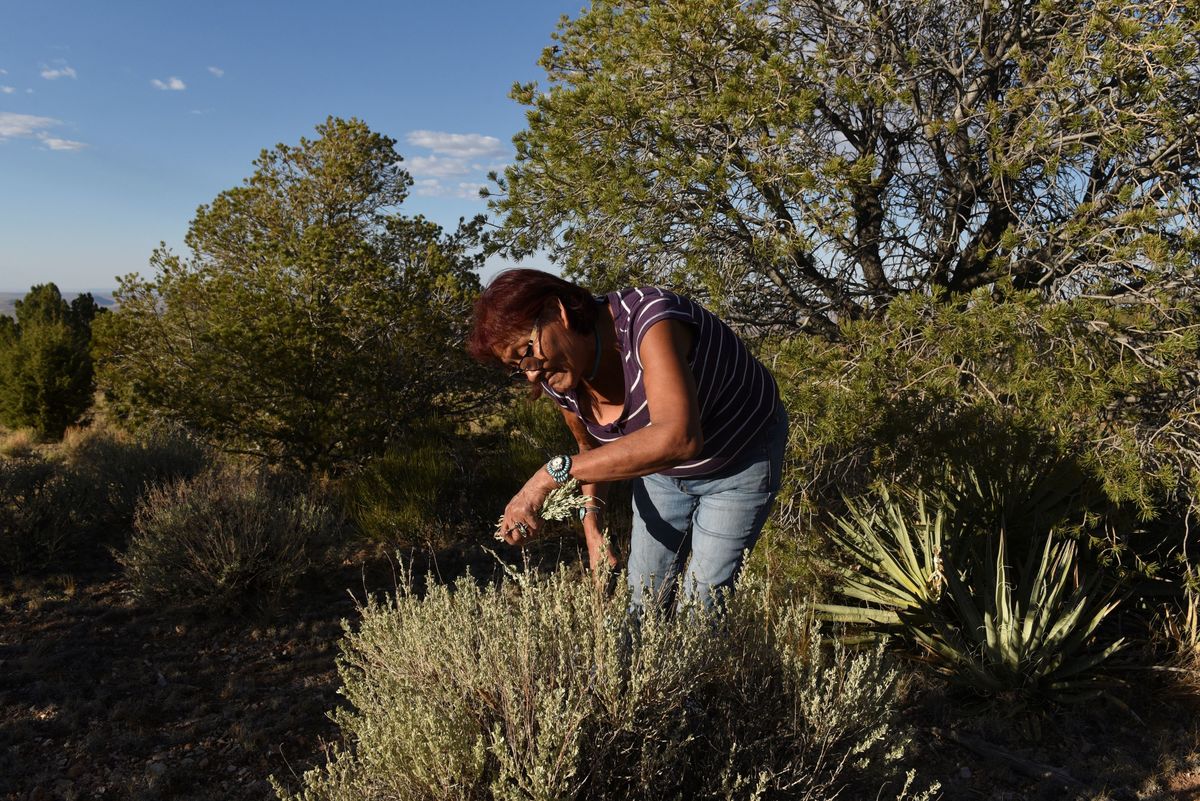
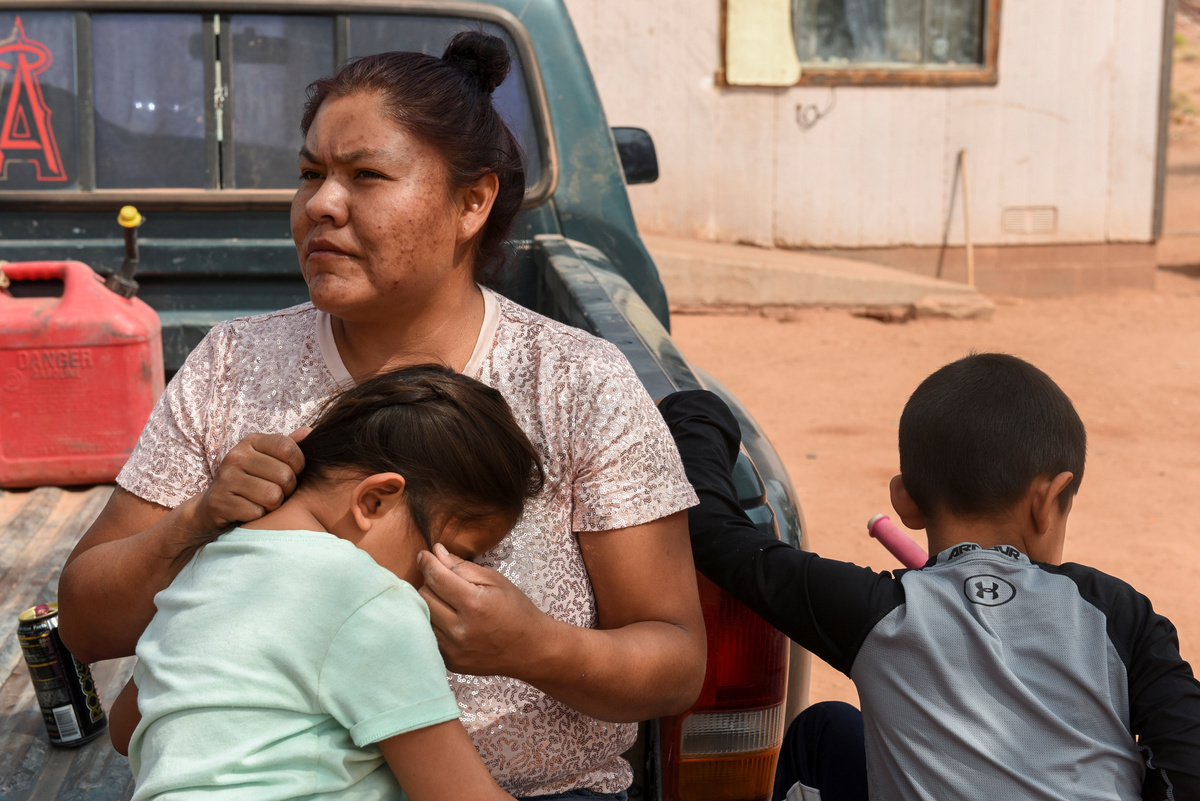
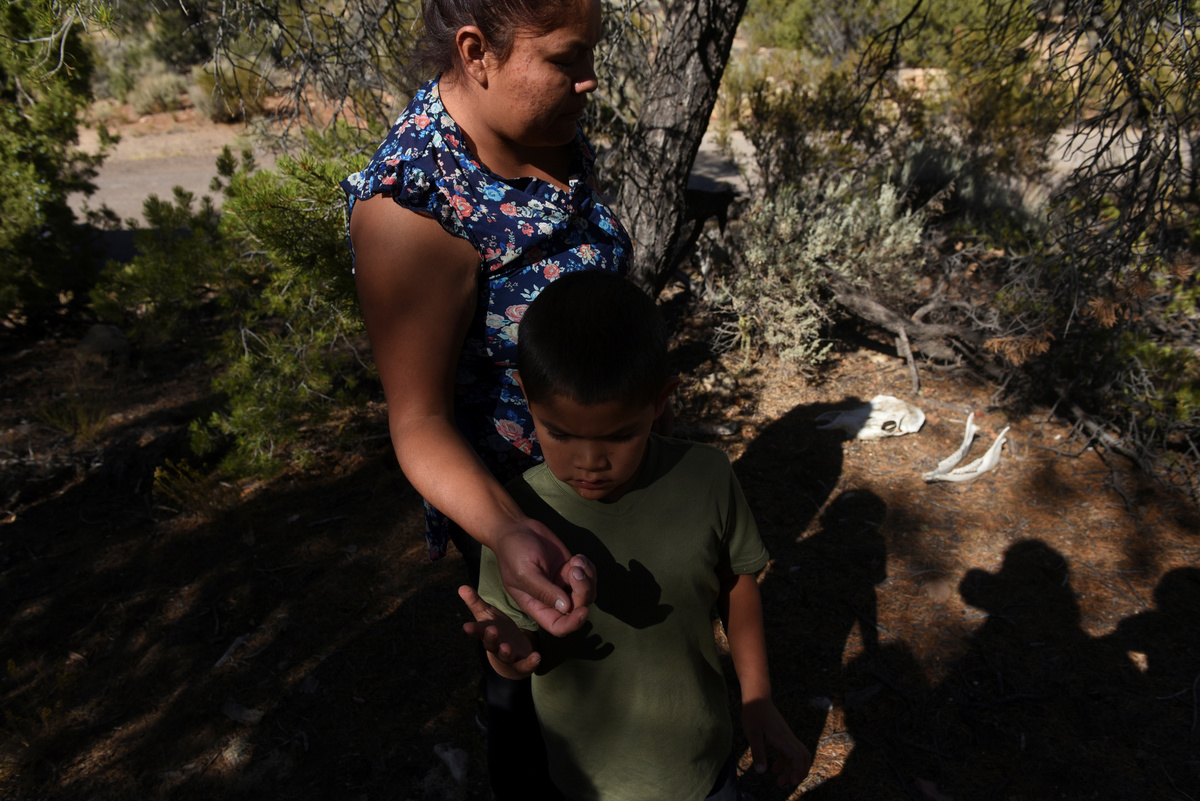
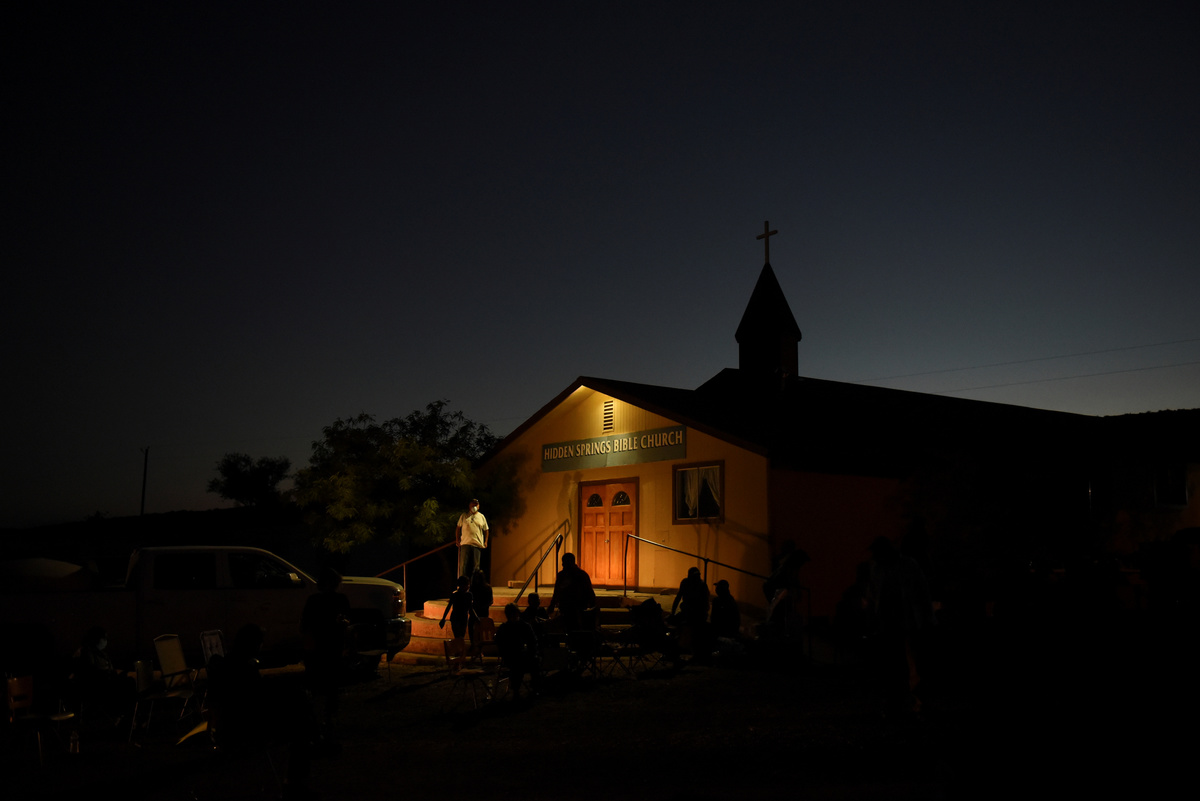
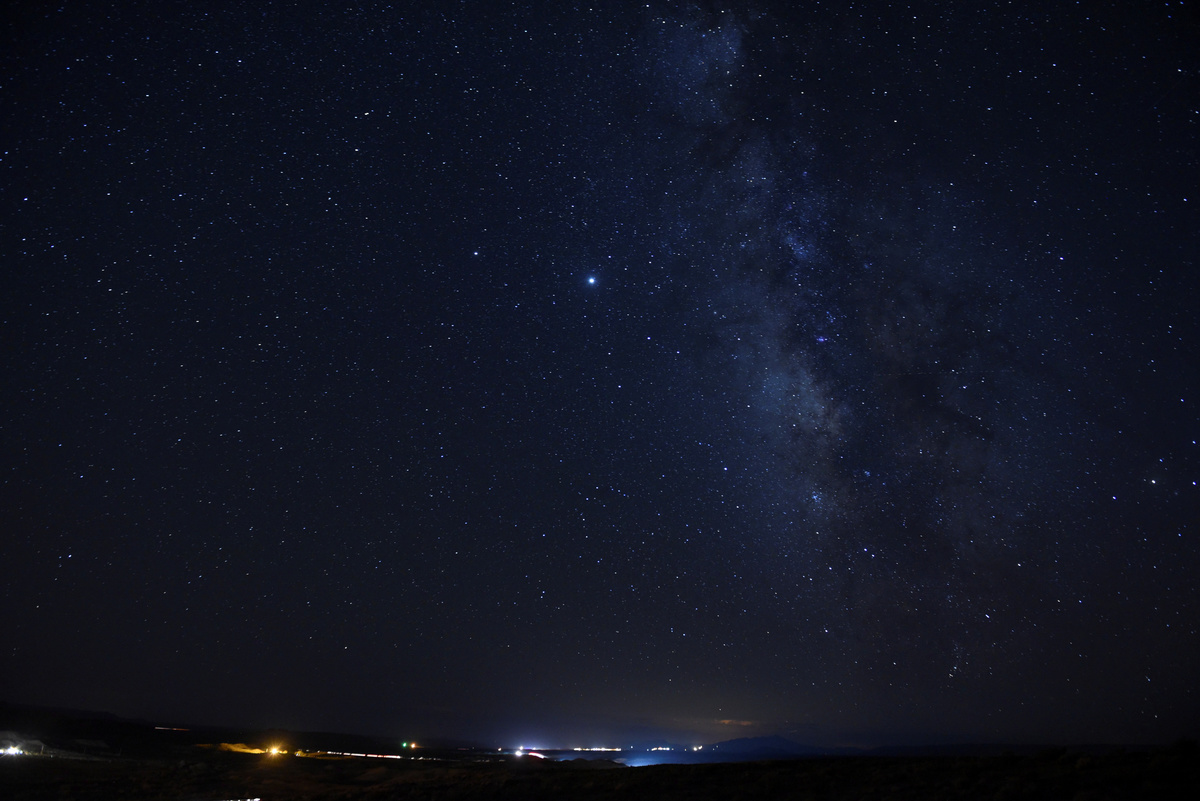
A table for elected officials stands at Bodaway Chapter House, in Gap, Arizona, U.S. September 14, 2020. REUTERS/Stephanie KeithThe sheep in Maybelle Sloan's sheep corral are let out in the morning in the Bodaway Chapter in the Navajo Nation in Gap, Arizona, U.S. September 17, 2020. REUTERS/Stephanie Keith A basketball hoop stands next to a wooden shed at a compound in Hidden Springs, Arizona, U.S. September 13, 2020. REUTERS/Stephanie KeithA house stands nestled amongst a desert landscape on the Navajo Nation in Gap, Arizona, U.S. September 14, 2020. REUTERS/Stephanie KeithMaybelle Sloan, 59, walks with her husband, Leonard Sloan, 64, who are both from Navajo Nation, away from their cattle corral in the Bodaway Chapter in the Navajo Nation in Gap, Arizona, U.S. September 17, 2020. REUTERS/Stephanie KeithMaybelle Sloan, 59, and her husband, Leonard Sloan, 64, who are both from Navajo Nation, give water to their cattle, in the Bodaway Chapter in the Navajo Nation in Gap, Arizona, U.S. September 17, 2020. REUTERS/Stephanie KeithTyson Boone, 16, who is from Navajo Nation, steps from the back of a truck onto a fence in between two water containers in the Bodaway Chapter in the Navajo Nation near Gap, Arizona, U.S. September 17, 2020. REUTERS/Stephanie Keith Maybelle Sloan, 59, who is from Navajo Nation, gives a bottle to her calf at her home in the Bodaway Chapter in the Navajo Nation in Cedar Ridge, Arizona, U.S. September 18, 2020. REUTERS/Stephanie KeithLeonard Sloan, 64, who is from Navajo Nation, stands in the backyard of his home in the Bodaway Chapter in the Navajo Nation in Cedar Ridge, Arizona, U.S. September 18, 2020. REUTERS/Stephanie Keith Lucille Daniel, 85, who is from Navajo Nation, pours water into her stove top coffee maker at her home in the Bodaway Chapter in the Navajo Nation near Gap, Arizona, U.S. September 18, 2020. REUTERS/Stephanie KeithA water trough is filled with water in the Bodaway Chapter in the Navajo Nation near Gap, Arizona, U.S. September 18, 2020. REUTERS/Stephanie KeithRavynn Weeks, 2, who is from Navajo Nation, and lives with her family in a home with no running water or electricity, jumps on blue containers holding water in front of her house in the Bodaway Chapter in the Navajo Nation near Gap, Arizona, U.S. September 17, 2020. REUTERS/Stephanie KeithSummer Weeks, 23, bathes her daughter Ravynn Weeks, 2, who are both from Navajo Nation, in a tub outside their home in the Bodaway Chapter in the Navajo Nation near Gap, Arizona, U.S. September 17, 2020. REUTERS/Stephanie KeithRhone Reed, 12, Mary Secody's, 83, granddaughter, who are both from Navajo Nation, carries water from the tap in the kitchen, to a pot on top of a wood burning stove, in the Bodaway Chapter in the Navajo Nation in Gap, Arizona, U.S. September 16, 2020. REUTERS/Stephanie Keith Mary Secody, who is from Navajo Nation, sits inside her home in the Bodaway Chapter in the Navajo Nation in Gap, Arizona, U.S. September 16, 2020. REUTERS/Stephanie KeithSummer Weeks, 23, who is pregnant, and from the Navajo Nation, shades her eyes away from the sun on Sarah Begay's family compound in a remote area of the Bodaway Chapter in the Navajo Nation outside of Gap, Arizona, U.S. September 14, 2020. REUTERS/Stephanie KeithEvans John, 87, who is from Navajo Nation, gestures towards the sky in the Bodaway Chapter near Gap, Arizona, U.S. September 15, 2020. REUTERS/Stephanie Keith Evans John, 87, sits with his three grandchildren Calais Chee, 5, Aveya Chee, 4, and Makaia Chee, 8, who are all from Navajo Nation, outside his house in the Bodaway Chapter near Gap, Arizona, U.S. September 16, 2020. REUTERS/Stephanie Keith Aveya Chee, 4, who is from Navajo Nation, sits in a hammock outside her grandfather's house in the Bodaway Chapter near Gap, Arizona, U.S. September 15, 2020. REUTERS/Stephanie Keith Leonard Sloan, 64, who is from Navajo Nation, stands in the living room of his home in the Bodaway Chapter in the Navajo Nation in Cedar Ridge, Arizona, U.S. September 18, 2020. REUTERS/Stephanie KeithBertha Secody, 57, who is from Navajo Nation, cuts sage sprigs from a sage bush near Cameron, Arizona, U.S. September 15, 2020. REUTERS/Stephanie Keith Connie John, 28, sits with two of her children Aveya Chee, 4, and Calais Chee, 5, who are all from Navajo Nation, outside her Father's house in the Bodaway Chapter near Gap, Arizona, U.S., September 16, 2020. REUTERS/Stephanie Keith Connie John takes her son Calais Chee, 5, who are both from Navajo Nation, to look for pinons, (also known as 'pinyons'), near Cameron, Arizona, U.S. September 15, 2020. REUTERS/Stephanie KeithPeople gather at a Navajo meeting in the Bodaway Chapter on the Navajo Nation in Hidden Springs, Arizona, U.S. September 14, 2020. REUTERS/Stephanie KeithStars and the Milky Way are seen on the Navajo Nation in Hidden Springs, Arizona, U.S. September 13, 2020. REUTERS/Stephanie Keith
Sign up to read this article
Read news from 100’s of titles, curated specifically for you.