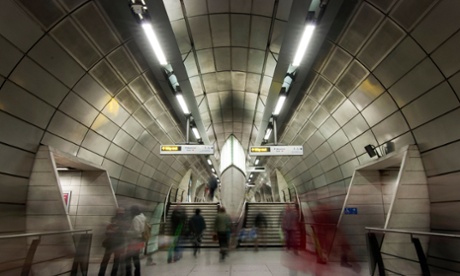
This year’s public transport fares increase has been milder than most under the incrementally outgoing Boris Johnson, but some Londoners remain displeased. They’ve popped up on telly complaining that services have not improved. They’re queuing unhappily at Brixton Tube. Those in the outer boroughs who buy a zone 1-6 off-peak one day travelcard are fed up to be paying around 35% more than they were last year compared with an average rise of 2.5% for everyone else.
On Tuesday, the mayor promised to examine the latter group’s concerns. But some think he should go much further and return fares to last year’s levels. An argument for a fares freeze has been set out in some detail by Val Shawcross, who is Labour’s transport spokesperson on the London Assembly. Last week she made her case to Transport for London (TfL) commissioner Sir Peter Hendy at a meeting of the assembly’s budget and performance committee. A richly revealing debate ensued.
People at TfL speak well of Shawcross: she puts the work in, she knows her job, she is alive to the impact of high fares on the low paid. So her reasoning was taken seriously. The essence of her case is that for several years TfL has taken more money in fares than it had expected to and had unspent cash in the bank. Anticipating this continuing, she thinks Londoners should be given a twelve-month respite from hikes to help them better cope with the capital’s punishing cost of living. She calculates that this would cost TfL £98m, which could be afforded without harming TfL’s upgrade and expansion plans.
Sir Peter, though, was not persuaded. The core of his defence was that TfL needs the money from the latest fares rise today because tomorrow there might not be nearly enough to provide the growing number of transport services a very fast-growing London needs. Not for the first time he insisted that in a context of “declining overall public subsidy” and general uncertainty any surplus is instantly transferred to the next financial year’s expenditure column. In other words, there is no stash of spare cash for funding a fares freeze and were one assembled in the way Shawcross suggests, something important would have to give in years ahead.
The exchanges between the pair and others present provided intricate insights into the way TfL puts its forecasts together and the smoke, mirrors and general clever cloggery involved in its negotiations with the Treasury. It also emerged that, as well as French, German and Russian, the mayor’s impressive transport deputy Isabel Dedring speaks an obscure dialect known as Accountant.
I recommend spending some intimate time with the webcast (January 8, 2015). Whichever side of the argument persuades you, you will end up better appreciating why TfL has welcomed Johnson’s consistent readiness to sanction annual fares hikes, mostly at above inflation rates - fares income, after all, accounts for a very big chunk of TfL’s total funding. You might also understand more clearly the predicaments the next London mayor will face if, as most Londoners would wish, he or she makes cutting, freezing or even slowing the rise of fares a top policy priority.