The founder of BioNTech, partner with Pfizer in making one of the first coronavirus vaccines to be approved for use, is optimistic that the virus will be under control in most European countries by the end of the summer despite a faltering vaccine roll-out.
In Germany, owners of shuttered shops and would-be holidaymakers are increasingly restive over COVID-19 restrictions. Some 20,000 people protested against lockdown in the central city of Kassel on Saturday.
European Union governments are facing criticism over the slow start to their vaccination campaigns, with supply hiccups leaving the bloc lagging far behind countries such as Israel, Britain and the United States.
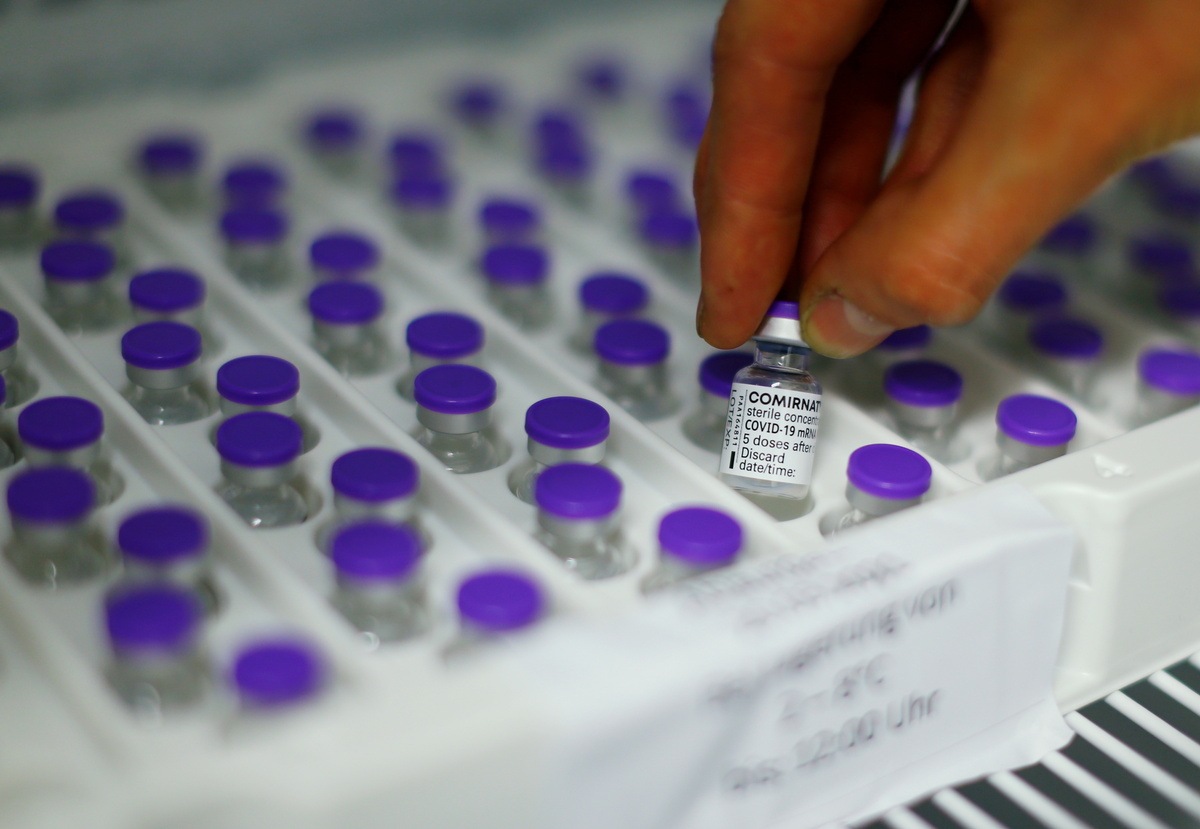
But BioNTech founder Ugur Sahin said he was optimistic the problems would prove temporary, adding it was possible to ensure 70% of Germans were vaccinated by the end of September, at which point he said the virus would pose few problems.
"In many European countries and the U.S. we will probably not need lockdowns by summer's end," he told Welt am Sonntag newspaper. "There'll be outbreaks, but they'll be background noise. There'll be mutations, but they won't frighten us."
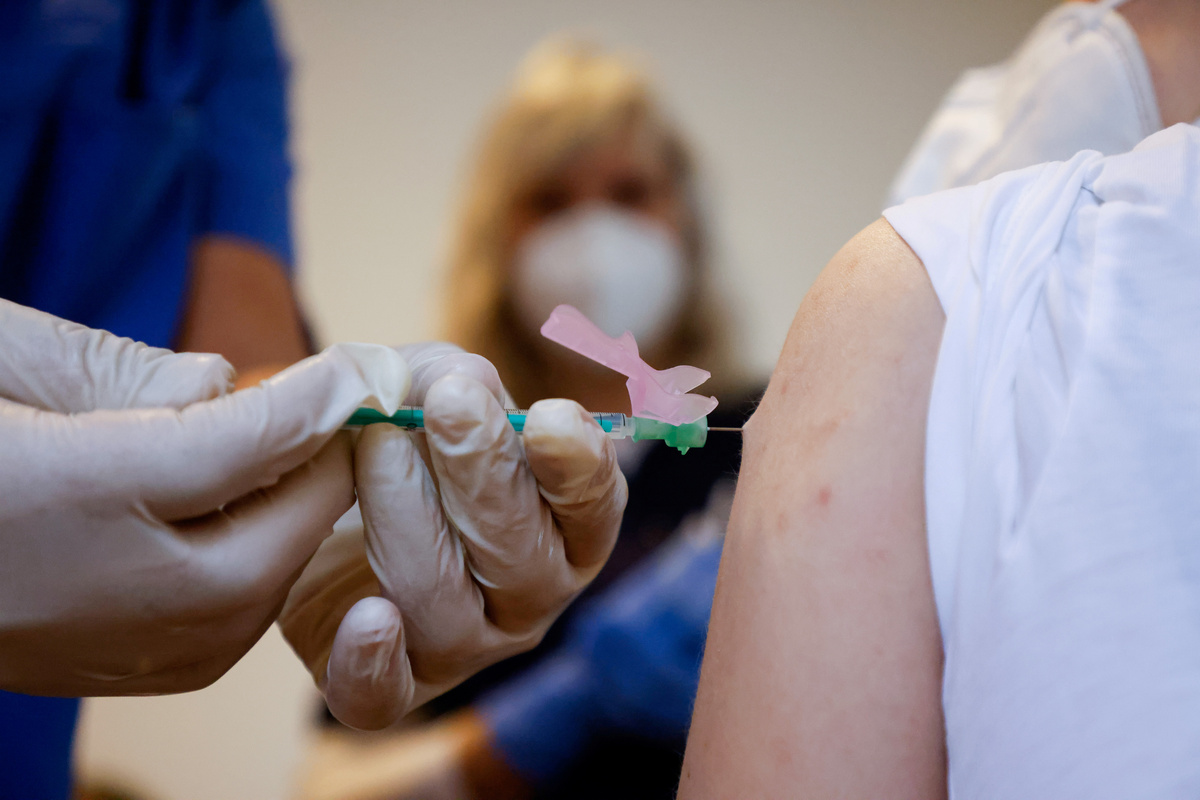
Almost 9% of the German population had received at least one vaccine shot on Saturday. Meanwhile Britain passed the half-way point with 50% of adults having received at least one dose.
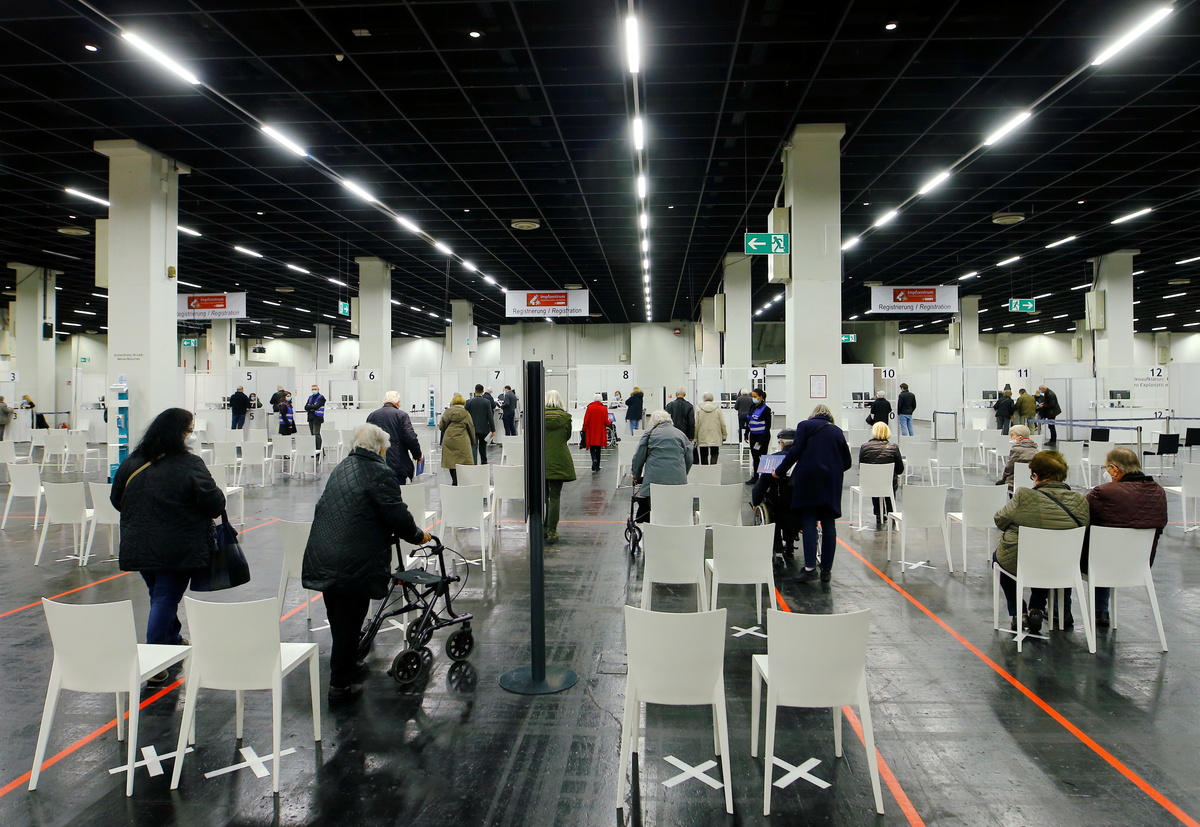
In Germany, the sluggish vaccine deployment and continuing restrictions are weighing heavily on the fortunes of Chancellor Angela Merkel's conservatives, who are slipping in the polls in an election year even as rising COVID-19 case numbers look set to force authorities to put the brakes on attempts to gradually reopen the economy.
Incidence is above 100 cases per 100,000 population over a week - the threshold above which authorities say they must impose stricter distancing rules to stop the healthcare system being overburdened.
"Many are simply disappointed," Bavaria's conservative Premier Markus Soeder, a likely candidate to succeed Merkel in the national election, told the Frankfurter Allgemeine newspaper.
"A false move now risks turning this third wave (of the virus) into a permanent wave," he said ahead of a meeting on Monday of national and regional leaders at which they are expected to discuss the next stage of coronavirus measures.
"We have a tool: the emergency brake. It must be applied strictly everywhere in Germany," Soeder said, referring to the possibility of halting the easing of restrictions.
(Reporting by Thomas Escritt; Editing by Frances Kerry)