
Gen Z – a generation that is starting their careers in a tough economic climate – will stand to benefit the most from skills-based hiring. LinkedIn’s insights show that the overall talent pool of Gen Z increases by 10.8x in Australia.
A skills-based approach to hiring also makes a huge difference amongst workers without bachelor’s degrees. When hiring for jobs that have seen steady growth, we see a Australia’s talent pool increase by 17% for this group, when compared to those who have a university education.
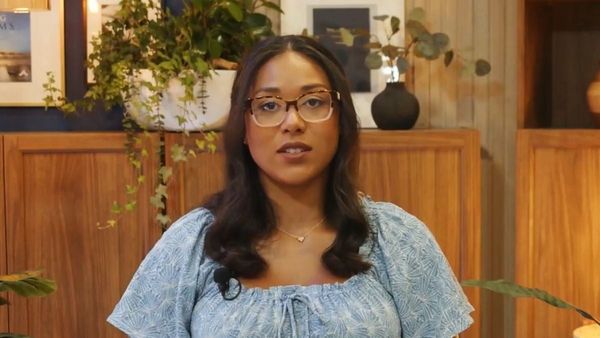
 Nicole JoyThis job is perfect for me as it combines all my own business and media experience together with my teaching skills – and it’s so much better to teach adults who *want* to be there as opposed to teenagers that don’t!” she says. “[My degree] was definitely not needed for what I’m doing now!”Alexandra Lambecause my business is in coaching, it’s valuable that I have credentials in this space,” Alexandra says. “[But] I’m both self-taught and have developed through formal training – work and courses and uni, accelerator programmes as part of my entrepreneurial journey. Most of my skills I would say have been honed informally on the job, through talking with people in my network and trial and error.”Abbie WilliamsI struggled with severe anxiety and depression since my teens, and because I didn’t really know what was happening to me, I didn’t seek support,” she says. “It wasn’t until I started having panic attacks at university which impacted my attendance that I reached out to the university counsellor. Not only did I manage to seek help for my own mental health and wellbeing, but as I learnt more about mental health I started to realise how passionate I was about wanting to help other people on the same position.”The job role I had involved a lot of training, speaking at conferences and the like,” she says. “And I ended up slowly being able to overcome that fear and develop my confidence to the point that I now thrive off of public speaking and absolutely love it. I never thought I would be able to say that.”
 here
hereThe post We Asked 3 Graduates Whether They Actually Used Their Degree Or If It Was As Useful As Algebra appeared first on PEDESTRIAN.TV .