"Can we switch sides?" my daughter asks, squinting. "The sun bothering you?" I ask her. “Yeah—I can’t see." "Sure," I say, getting up to move around the table, "let’s swap." We settle into our new seats before a massive vehicle covers the window entirely.
This was a Monday in mid-January. We were visiting our favorite Coney Island place when a big, black bus pulled into the parking lot and stopped, blocking the sun coming through the windows. It sat there, idling, as the only passenger disembarked before pulling away.
The rural county I live in on the Michigan-Ohio border is small. Its population is aging, enrollment in its public schools is dwindling, and even the satellite community college campus closed two years ago. The local private university will cease operations in just a few months, too.
One of the few major employers was a large company with its regional headquarters here. But because it couldn't attract talent, the company closed up shop and moved to Ann Arbor, leaving hundreds of my neighbors out of work.
For the population that remains, the lack of good-paying jobs, limited post-secondary education options, and shrinking healthcare services make owning anything other than a brand-new Toyota Corolla a risky venture. If you weren’t lucky enough to be born rich here, you at least need a reliable vehicle if you ever want to access the opportunities required to better yourself.

My partner works in healthcare and frequently receives calls from patients, often elderly, canceling their appointments because they have no way to get there. According to the US Department of Transportation, older adults who no longer drive make 15 percent fewer trips to the doctor compared to their driving peers.
Sure, the county’s public bus service is helpful to some. In 2023, the service racked up more than 250,000 miles across its fleet, servicing an average of 6,800 monthly riders. The problem is, there’s no fixed route, and its hours and service area are limited. If you have a life outside the county or one that doesn’t adhere to bankers’ hours, it’s nearly useless.
It’s still common to find people on local Facebook groups asking for rides to work, their doctor’s appointments, and school, or needing to buy a reliable car for an impossibly small sum of money.
Despite demand and unmet need, ride-hailing services don’t work well here either. In 2024, I needed to use Uber to get to an automaker’s event near Ann Arbor, but even scheduling it days in advance didn't guarantee I would have a ride. The driver canceled the trip less than an hour before pickup—and no one can live a life with that level of uncertainty.
The majority of America—97 percent, by DOT’s measurements—is rural. These disconnected places are home to just 19 percent of the population, yet account for 68 percent of our roads. And yet more than 1.0 million US householders, mostly in rural counties, do not own a personal vehicle.
But the solution could be a relatively simple one.
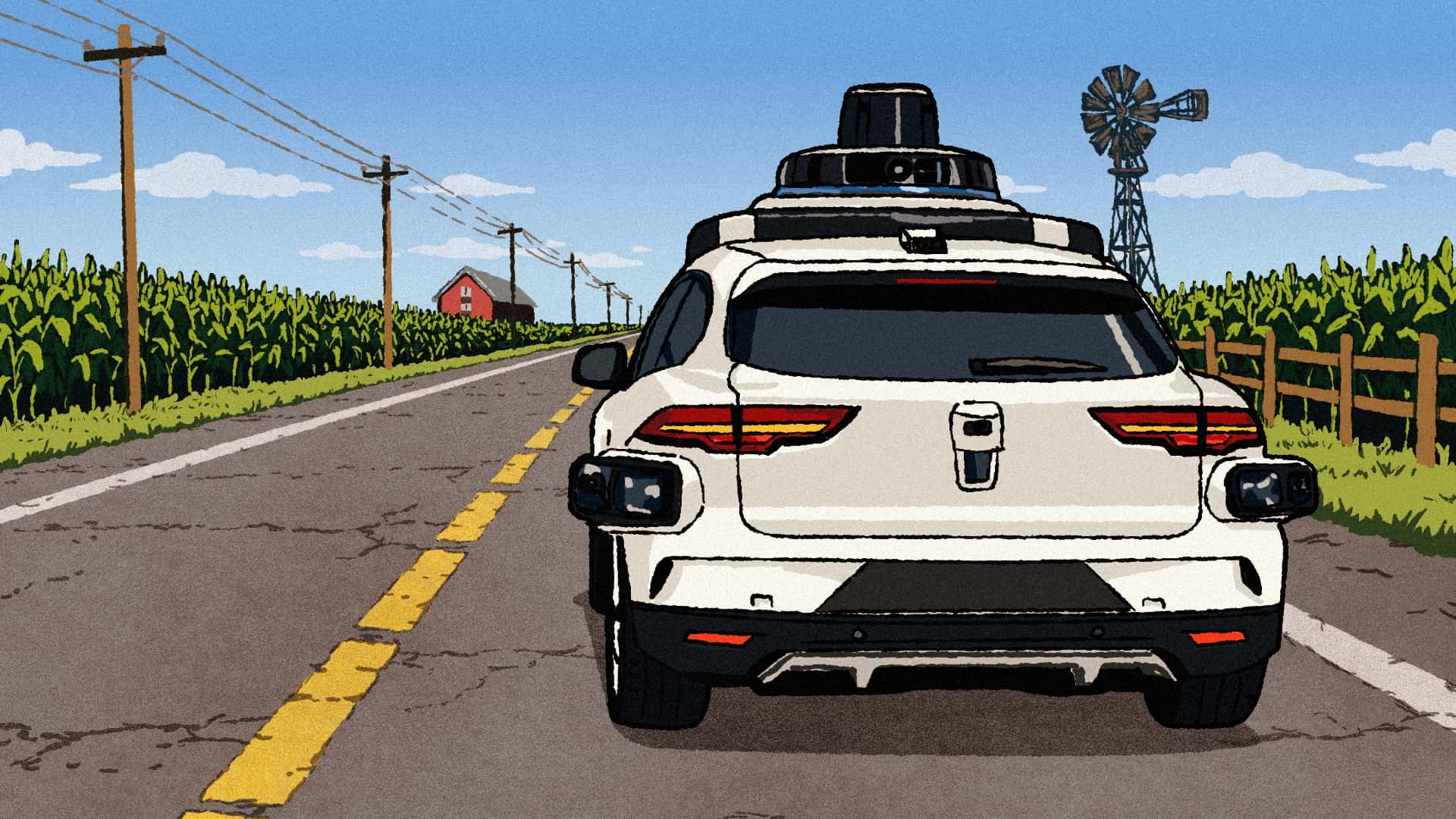
Waymo already operates its driverless cars around the country, in major cities like the San Francisco Bay Area, Phoenix, Los Angeles, Miami, and Dallas, traversing urban and suburban roads alike. Detroit, Nashville, Las Vegas, Boston, and others are next, with the company looking to build on its more than 14 million passengers served in 2025.
Yet, even with this emerging technology so popular in cities, rural Americans—arguably the ones who need it most—are missing out on the benefits and will likely continue to do so for the foreseeable future.
A Waymo spokesperson told Motor1 that it has "no plans for rural operation at this time." Why? According to the company, it’s focused on serving areas with existing demand for ride-hailing services, like major metro areas.
That means, the roughly 46 million Americans who live in "rural" towns—often with lower-paying jobs and less access than those living in big cities—are forced to own a vehicle, or settle for the less-than-perfect public services that the county may or may not provide them, like the one in my town.
Some communities are taking a more proactive approach. Grand Rapids, Minnesota, a small town of just over 11,000 people in rural Itasca County, recently launched goMARTI 2.0. MARTI, Minnesota’s Advanced Rural Transit Innovations, is an initiative to test autonomous vehicles in winter conditions.
The town has a fleet of eight autonomous vehicles servicing about 20 square miles with more than 150 pickup and drop-off points, including recently expanded service to the Leech Lake Band of Ojibwe Reservation. In the city alone, every address is within a quarter mile of a stop.
Since the program’s launch in 2022, the service has completed over 40,000 trips, with riders waiting an average of 7 to 11 minutes for an autonomous vehicle.
The service is limited, but it is expanding. Minnesota law requires autonomous vehicles to have a licensed driver, and a March report from the state’s DOT revealed that goMARIT vehicles operate autonomously about 90 percent of the time.
In an August 2025 interview with MinnPost, Trisha Peterson, who does community outreach for the company that runs goMARTi, said, “For the most part, people are now relying on it. People are getting to their medical appointments. People are getting to their jobs. People are getting to school.”
That’s a step in the right direction for rural America—but there’s still a long way to go.