It’s true – the MDGs helped us achieve many great things. But it’s also true that there is a significant amount of “unfinished business” left to sort out. In the area of water, sanitation and hygiene (WASH) this is especially the case.
Colleagues at the WHO/UNICEF Joint Monitoring Programme for water supply and sanitation are painfully aware of this. These are the folk who reported that the MDG target for drinking water had been met by 2010, but that more than 700 million people still lack access to improved sources of drinking water. They are also the people who remind us that we are way off track to meet the sanitation target, with 2.5 billion people still lacking access to improved sanitation, and 1 billion people practising open defecation.
So it is not surprising that it was the JMP team who, as early as 2011, realised that when the discussions started about what would come after the MDGs, Member States would turn to the experts to ask for advice. They would seek input as to what new targets would be realistic, and how progress towards them should be measured. Avoiding the trap of having this crucial information be based on the opinions of just a few people, the JMP partnered with others in the field to undertake a broad consultation. Over 70 organizations, and over 200 individuals from around the world participated.
Ambitious, yet achievable targets
It was widely agreed that the ambition should be for universal access to safe drinking water, sanitation and hygiene and specifically, by 2030, to:
- Eliminate open defecation
- Achieve universal access to basic drinking water, sanitation and hygiene for households, schools and health facilities
- Halve the proportion of the population without access at home to safely managed drinking water and sanitation services
- Progressively eliminate inequalities in access
Going beyond the MDGs
This technical advice builds on the experience of working with the MDG targets, and suggests some important improvements.
- Aim for universal access. We agree that no one should be left behind. When considering aspects of sanitation, it’s particularly important to ensure that all people have decent services. If open defecation is practised by even a few people, then the whole community continues to suffer the health consequences.
- Eliminate inequalities. This is not just a moral imperative. The right to water and sanitation has been recognised by the UN General Assembly and the UN Human Rights Council. We can, and must, take steps to ensure the gradual reduction and eventual elimination of inequalities.
- Address the issue of open defecation. This is where people, either through preference or because of lack of facilities, defecate in rivers, in fields – anywhere they can. It carries significant public health risks, and it is the poorest and most marginalized who are disproportionately affected. It warrants explicit mention within the SDGs.
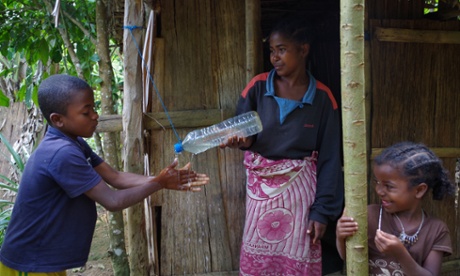
- Don’t forget hygiene. So often the neglected aspect of WASH. There are good ways to measure access to facilities for handwashing and menstrual hygiene management, and from this to infer usage. Encouraging these behaviours will have a huge impact on health and dignity, particularly for women and girls.
- Go beyond households. It’s not enough to have facilities at home, if you can’t use toilets, wash your hands, or have access to safe drinking water at other places where you spend large parts of your day. Experts recommend an explicit reference to schools and health centres, and we know that we have good methods for measurement in these settings.
- Aim for more than just basic services. Getting everyone to a basic level of WASH is important, but we can’t stop there. Huge gains, in health and productivity, are within reach if systems are improved and well-maintained.
Are we there yet?
There are encouraging signs that the importance of WASH is recognised, and that those responsible for setting the SDGs have found the technical advice valuable. In the reports of the Secretary General’s High Level Panel and the Open Working Group these ambitions are well reflected. But we all know that the negotiations are ongoing.
Most importantly, we are seeing that member states themselves are already taking action. A significant number of countries have set ambitious targets for WASH and are implementing effective national programmes to achieve them. In Ethiopia, India, Madagascar, Malawi and Nepal, for example, where we work with partners and provide support through the Global Sanitation Fund, heads of state and senior ministers have already made firm commitments to end open defecation.
There are positive signs that the SDGs will reflect the potential for better WASH to contribute to a broad range of development concerns. We will be following the debate closely, and stand ready to give technical advice whenever needed.
Content on this page is paid for and provided by WSSCC a sponsor of the Guardian Global Development Professionals Network.