When you think about threats to the Great Barrier Reef, coral bleaching due to climate change would likely be first.
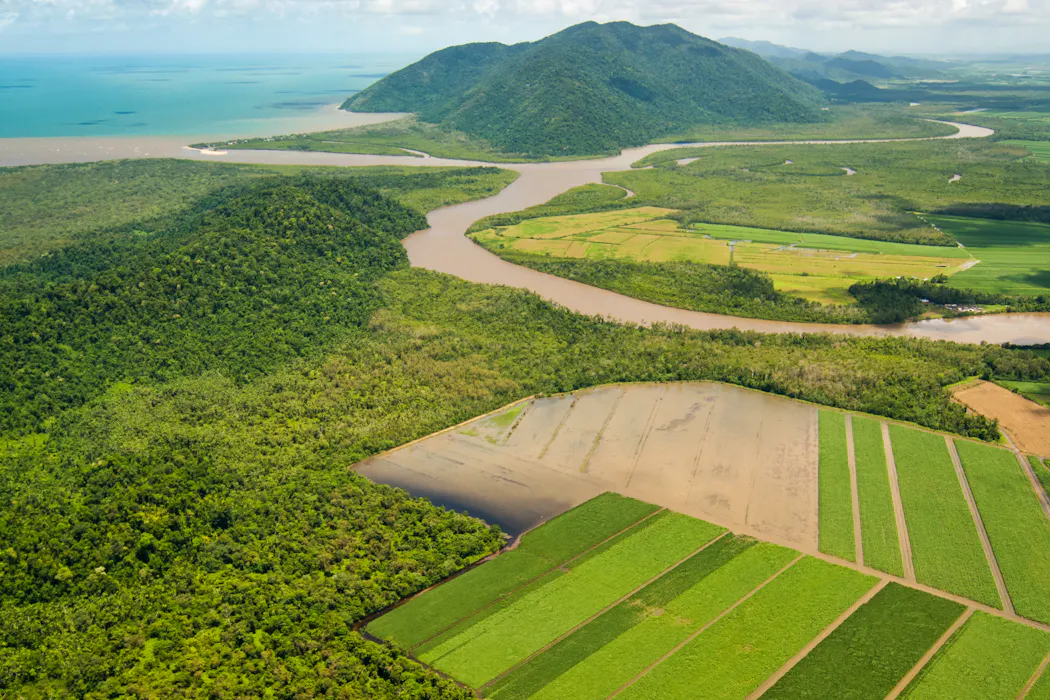
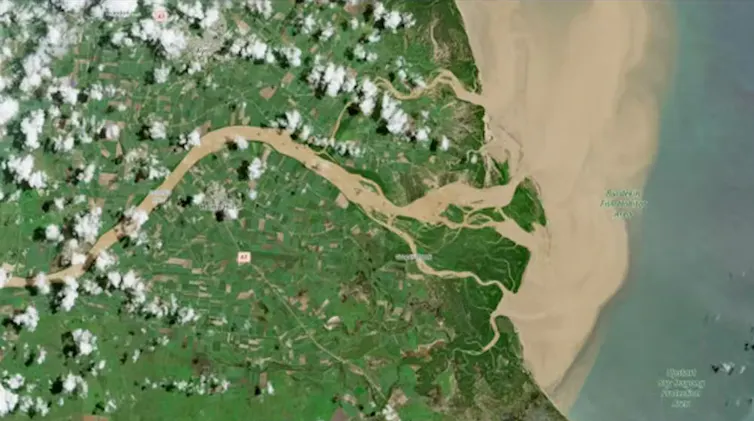
But the world’s largest reef system faces many threats. One surprisingly large threat is poor water quality. When sediment is washed off farms, cities and bushland into rivers, it can be transported kilometres offshore. If there’s too much, it can smother corals and seagrass meadows. Fertiliser and pesticide residue can make things worse.
Unlike the global problem of climate change, water quality is a threat Australia can directly address. The issue has been repeatedly flagged by UNESCO, the United Nations body responsible for World Heritage areas such as the reef. In its latest draft decision – the fourth since 2023 – water quality remains a major issue, alongside climate change.
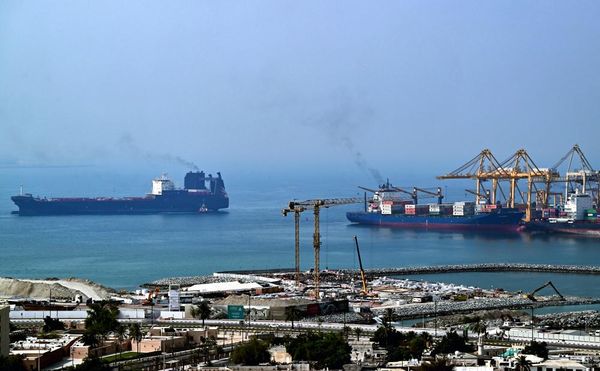
The draft decision notes “with utmost concern, the continuing negative impacts on hard coral cover across the Reef” and asks the Australian government to report on the damage done by coral bleaching in 2024–25 as well as poor water quality, unsustainable fishing practices and poorly managed uses of coastal land. The draft decision also requests an assessment of the impacts caused by dumping sediments from dredging in coastal waters.
In April, the Queensland and federal governments released a revised strategy to improve water quality. Previous plans have talked the talk but failed to deliver.
The new strategy is also likely to disappoint. It relies on broad vision statements without clear responsibilities, an adequate budget or realistic actions.
Water pollution is the biggest local threat
For years, one of the biggest local threats to the reef’s ecosystems has been land-based runoff.
Shallow seagrass meadows act as nurseries for fish and food for turtles and dugong. Like all plants, seagrass requires light to survive. If too much sediment blocks light or settles on a plant’s leaves, it can die. This is often worst after storms or cyclones, which churn up seas and mix sediment back into the water. Coral can be similarly hard-hit, especially if the sediments are laced with pesticides and other contaminants.
To improve water quality, farmers need to reduce sediment washing into rivers and reduce fertiliser and pesticide use. But it’s not just farms – runoff from industries, cities and towns also contributes.
Progress has been made to reduce fertiliser overuse. But Australia has repeatedly missed its own targets to cut water pollutants such as sediments, pesticides and dissolved inorganic nitrogen from fertilisers.
The federal and state governments have remained largely silent about these missed targets in favour of focusing on water quality successes, community involvement and investment.
Reasons for concerns about the new strategy
The recently released water quality strategy was delayed, with the previous plan expiring in 2022. Drawing on the latest Scientific Consensus Statement and two decades of monitoring, the plan proposes solutions such as better land management, rehabilitating mangroves, seagrass and wetlands and updated targets.
Despite that, the plan is unlikely to achieve what it’s meant to.
-
Implementation. It’s not clear how the updated strategy will become reality. Previous strategies have suffered due to insufficient funding or limited success.
-
Funding is uncertain. We estimate less than 25% of the funds necessary to meet the water quality targets have been invested by governments since 2003. The 2026 strategy and revised targets do not come with costings.
-
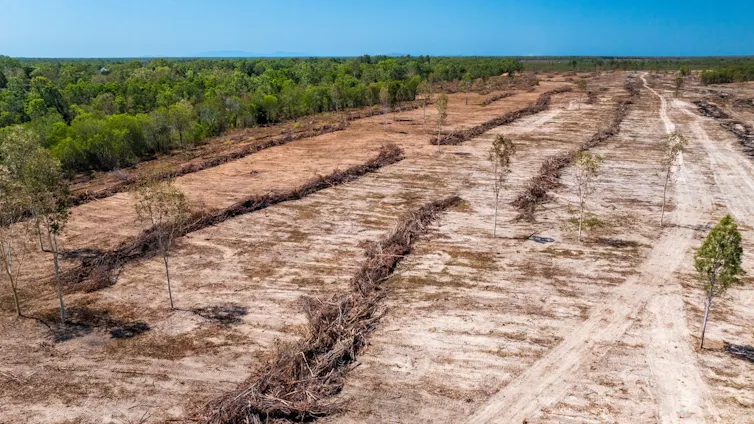
Lack of coordination. Too often, aspirations set by one government department clash with another. When land is cleared for farming, the farm industry can grow. But cleared land leads to more sediment washing into waterways. Between 2018 and 2022, more than 680,000 hectares of land were cleared across the reef’s 35 river catchments. Of this, almost 90% was for livestock grazing. Last year’s federal environment law reforms were meant to protect the trees and shrubs growing along rivers but much work is still required.
There are other reasons to be concerned. To date, much of the funding from the Queensland government has gone to voluntary programs to improve farming practices – despite limited evidence these programs represent the best approach to improve water quality.
Inspections of sugarcane and banana farms show almost 50% aren’t compliant with regulations meant to protect the reef.
What future?
As climate change worsens and water quality problems persist, authorities are increasingly worried about the future of the Great Barrier Reef.
Last year, the International Union for Conservation of Nature rated its condition as “critical”. The 2024 Outlook Report from the Great Barrier Reef Marine Park Authority describes the long-term outlook as very poor, with water quality efforts only “partially effective”.
The reef faces a dire future. Efforts are being made, but there are reasons for onging concerns after years of missed targets, incomplete compliance and inadequate funding.
The latest water quality plan will only work if the federal and state governments invest more in evidence-based solutions, such as better management of river catchments, continuous improvements in farming practices, stronger actions to protect riverside vegetation, improving stormwater and sewage management and reducing deforestation, earthworks and marine debris.
Later this month, UNESCO’s World Heritage Committee will consider the draft decision. Then the ball will be back in Australia’s court. It remains to be seen whether authorities will properly address major threats such as poor water quality.
The authors would like to acknowledge the input of environmental scientist Dr Maximilian Hirschfeld.
This article was originally published on The Conversation. Read the original article.