
When it comes to color, there’s an instinct to ‘play it safe’ in smaller spaces. A fear of overwhelming the senses or creating a closed-in feel often leads to plain palettes and a cautious, understated approach to decorating, which, sadly, does these rooms a disservice. Before you embrace a full-on technicolor vision, though, take heed of the mistakes interior designers and color professionals regularly see in small spaces — they have an outsize effect in compact spots.
Of course, there are some paint colors designers avoid in small spaces altogether. A shade with the wrong undertone can dull the light and make a room feel even tighter, while one that’s too bright can have you reaching for a pair of sunglasses. But the color mistakes often found in small spaces go beyond these decorating no-nos into forgotten basics and missed opportunities.
So, what are the six color mistakes that professionals always see in small spaces — and what should you do instead?
1. Not Considering Orientation
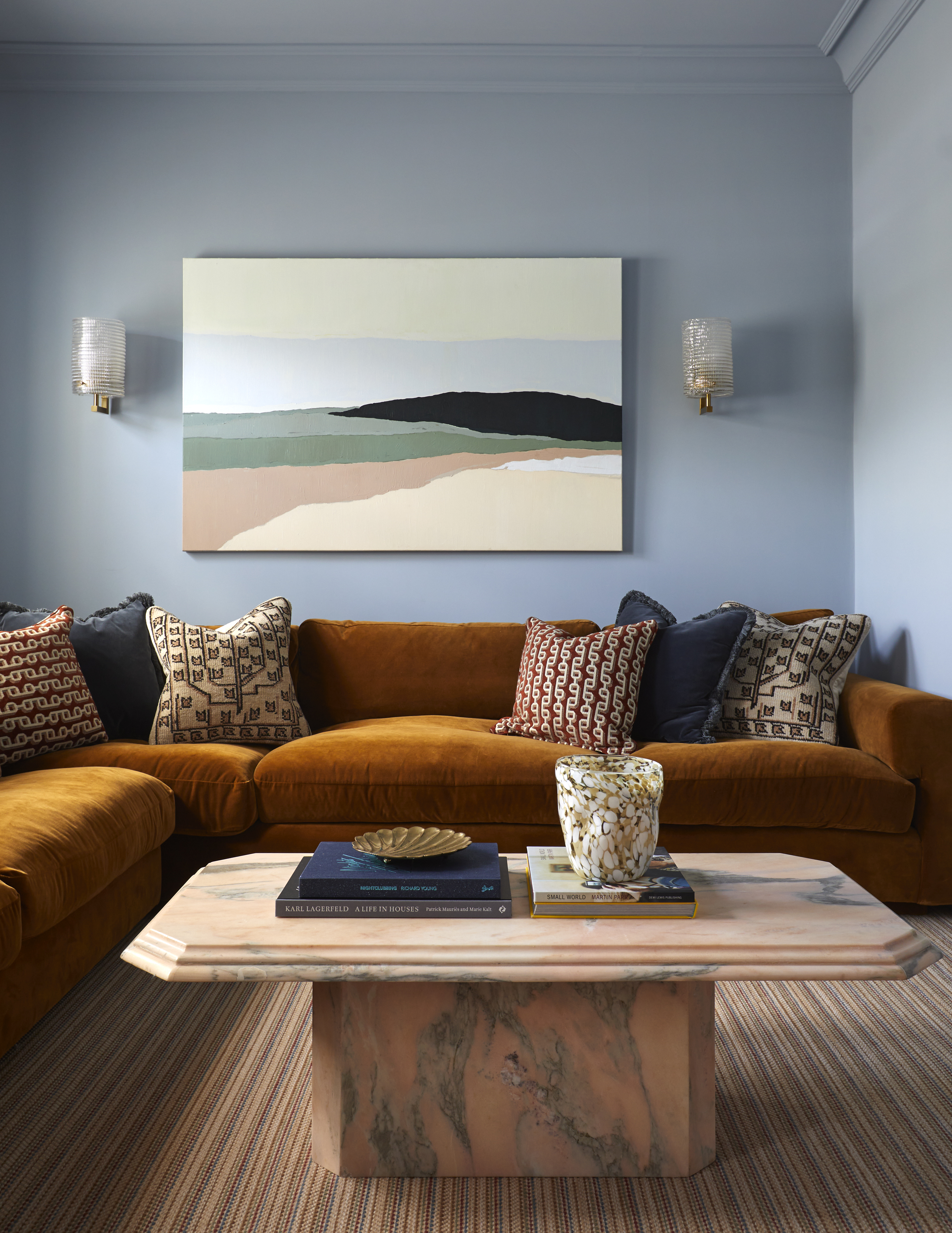
Large rooms tend to feature lots of windows, while smaller ones have fewer. As a result, this often leaves the essential principle of choosing a color that best responds to a room’s natural light forgotten. “Ending up with the wrong shade closes a room in, dulls light, and flattens its character,” says Edward Bulmer, color expert and founder of his eponymous paint brand.
“In smaller spaces, color defines rather than simply decorates,” he explains, warning that the result is amplified in compact rooms. “Considering the orientation of your space is essential when choosing paint, as light behaves very differently depending on which direction it faces.”
For north-facing rooms, which receive cooler, softer light, try warm, earthy tones to counterbalance the chill and make them feel more inviting. South-facing rooms, which often have strong, warm light, intensify color, so work best wrapped in softer or cooler shades for a sense of calm. “Subtle shifts in pigment can transform a compact space into something considered,” says Edward.
2. Treating Rooms as Standalone Spaces
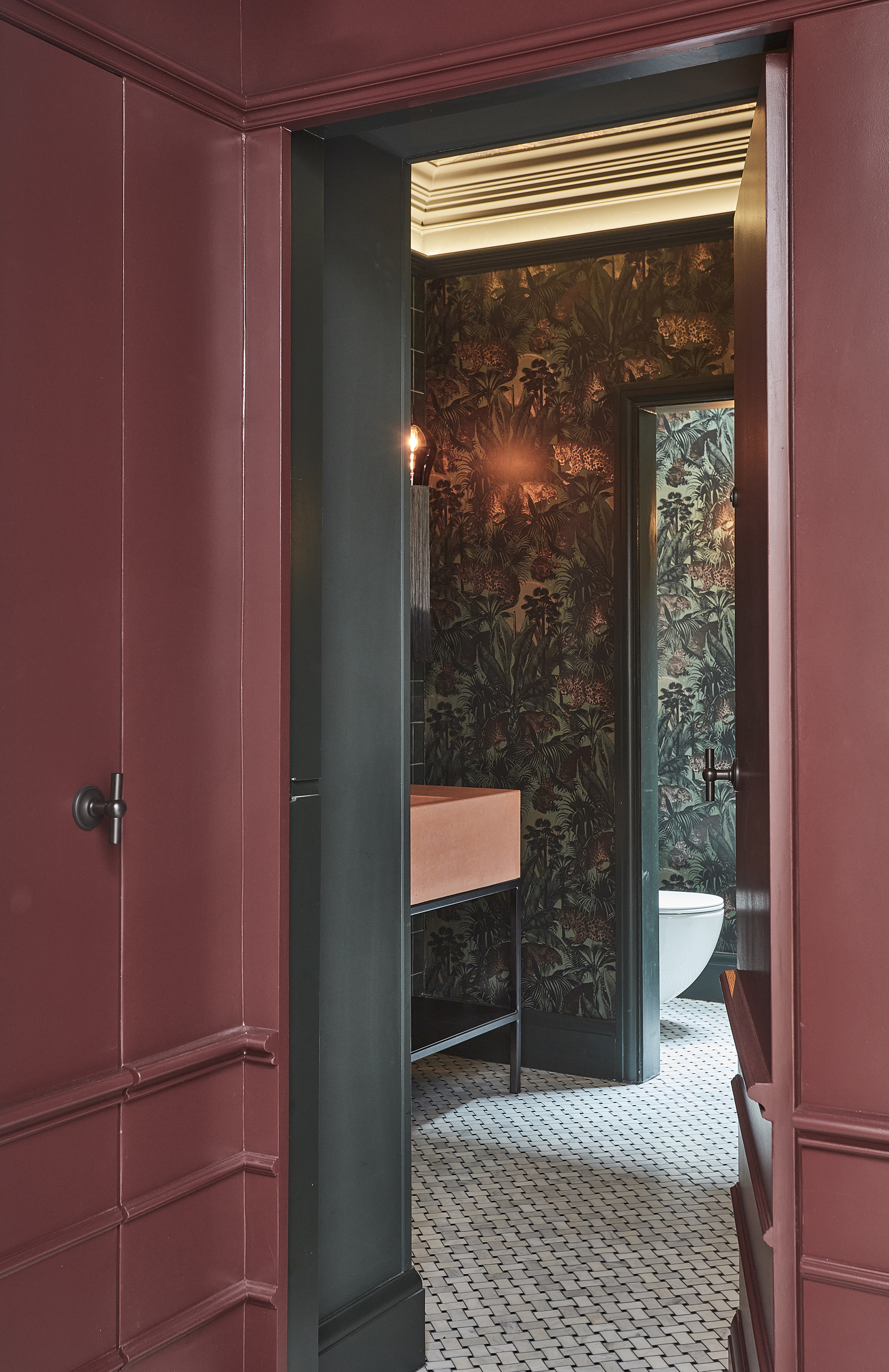
Planning a color palette for individual rooms, rather than your whole home, can lead to a confused, fragmented look. “If you don’t consider your whole space, smaller spaces will just end up feeling even more confined,” reveals Sophie Chapman, interior designer at The Vawdrey House.
“Considering how color flows from room to room is essential for a cohesive home, but people tend to forget this when they’re working across a smaller footprint,” she explains. “In compact layouts, spaces are often experienced as a sequence rather than on an individual basis, so a seamless palette creates a sense of intention and calm.”
When choosing paint and wallpaper, opting for colors with a shared undertone helps to tie different rooms together, resulting in a strong sense of visual harmony. “You don’t have to match all your colors exactly, but working within a consistent palette adds warmth and depth without losing personality in any individual space.”
3. Forgetting the Floor
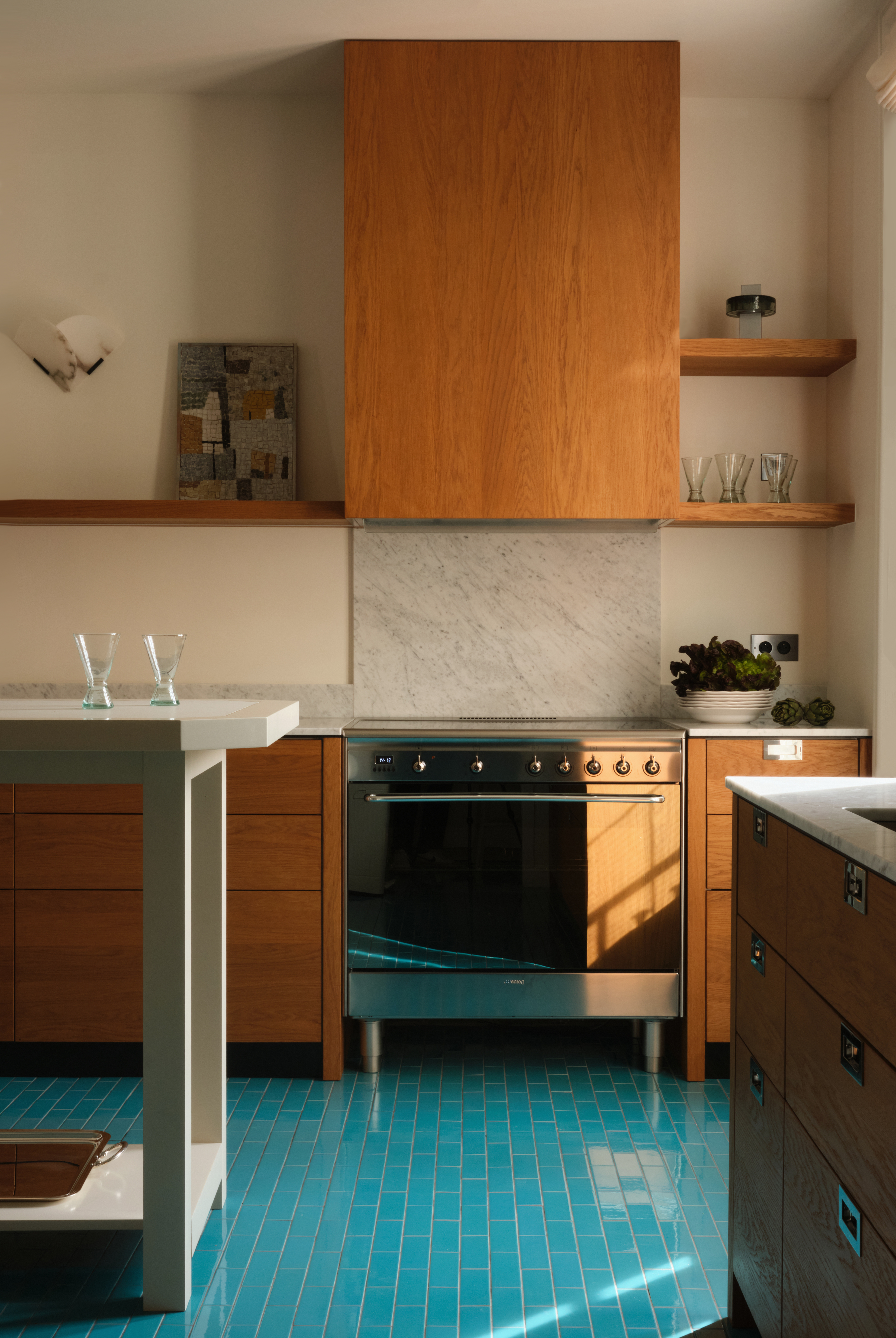
Don’t overlook the power of color underfoot — reaching for the default option of pale timber or simple tiles misses the chance to layer in personality. “Too often, flooring is treated as a neutral backdrop rather than a visual driver,” reflect Samantha Hauvette and Lucas Madani.
“In a compact space, every surface counts and the floor is often your largest continuous plane,” the Paris-based interior design duo explains. “Introducing color here allows you to define the space without adding visual clutter.”
Using color on the floor, of course, behaves differently from color on the walls. “Walls frame a space, while floors ground it,” says Samantha. “In our project above, it creates a more immersive, sensory experience alongside a feeling of openness.”
If a tile is too much of a commitment, try a colored rug instead.
4. Dismissing Darker Colors
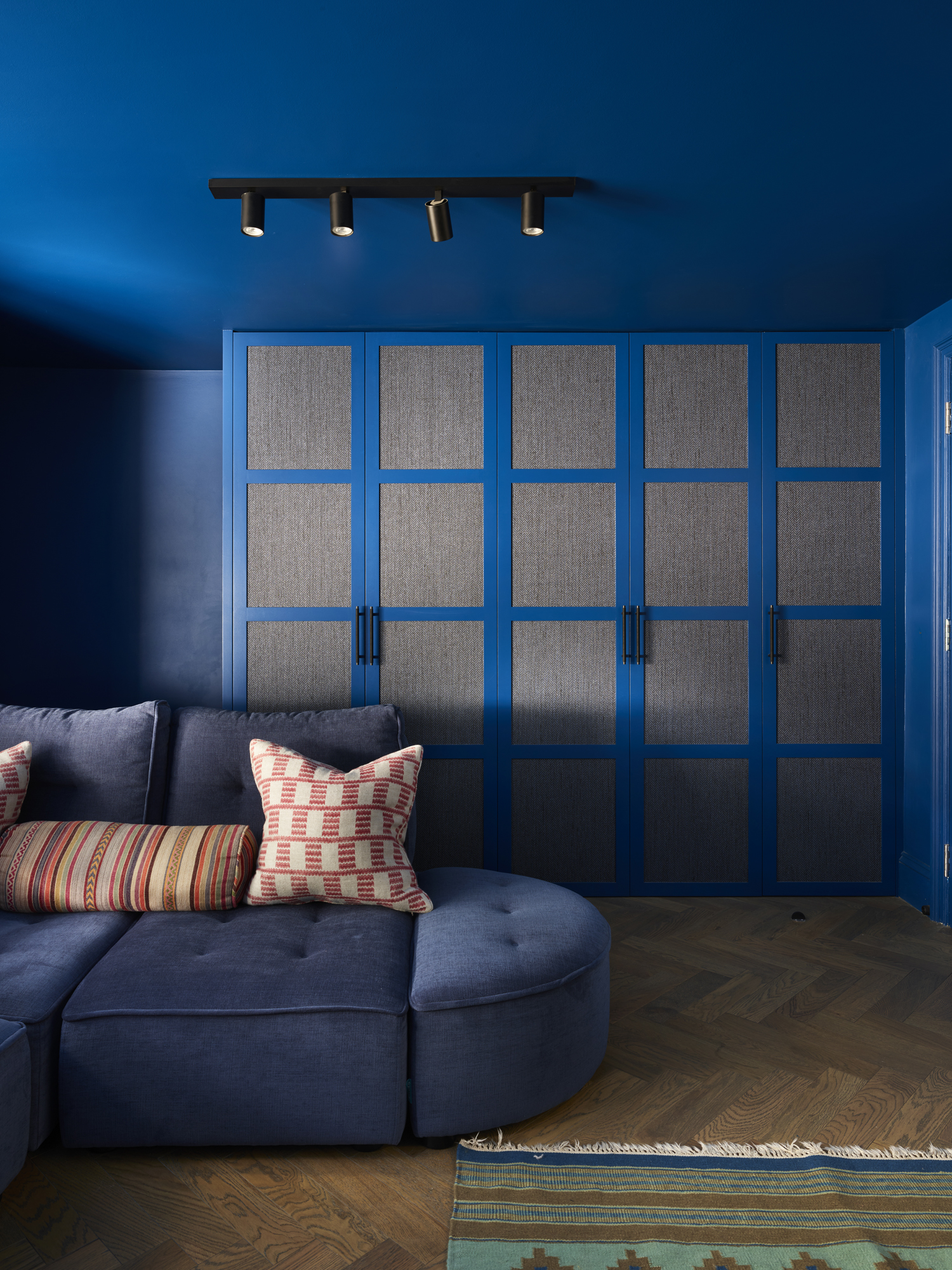
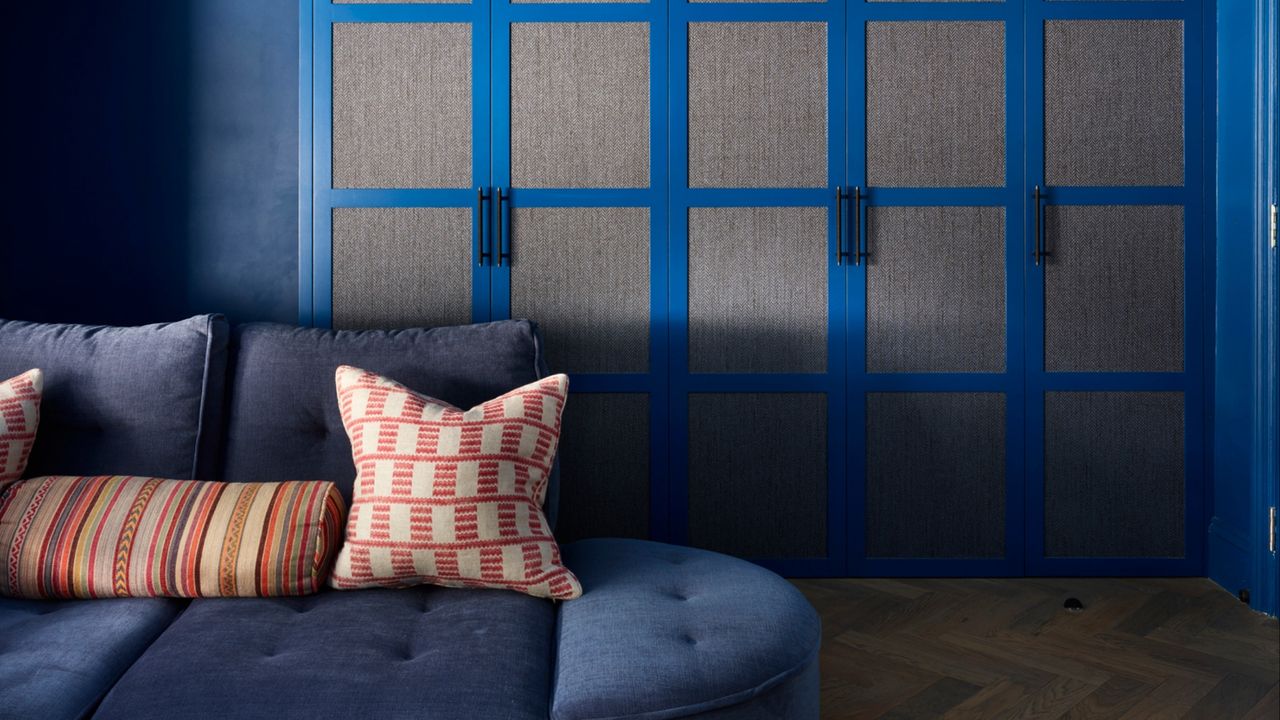
“There’s a common misconception that smaller spaces can only handle light, neutral colors,” says interior designer Carina Raymond. “People often think that going pale will somehow make their rooms feel bigger, but in reality, I often find the opposite is true.”
Opting for darker, bolder colors can make small spaces look and feel more expansive. “Embracing deeper, more saturated tones helps to create a cocooning effect, making rooms feel intentional rather than overlooked," she adds. "They instantly add depth, dimension, and a sense of presence.”
In the snug above, Studio Raymond opted to color-drench the space in Little Greene’s Deep Space Blue paint. “The result is a room that feels rich and immersive,” explains Carina.
This vibrant blue paint is surprisingly liveable in a range of different spaces.
5. Avoiding Creativity
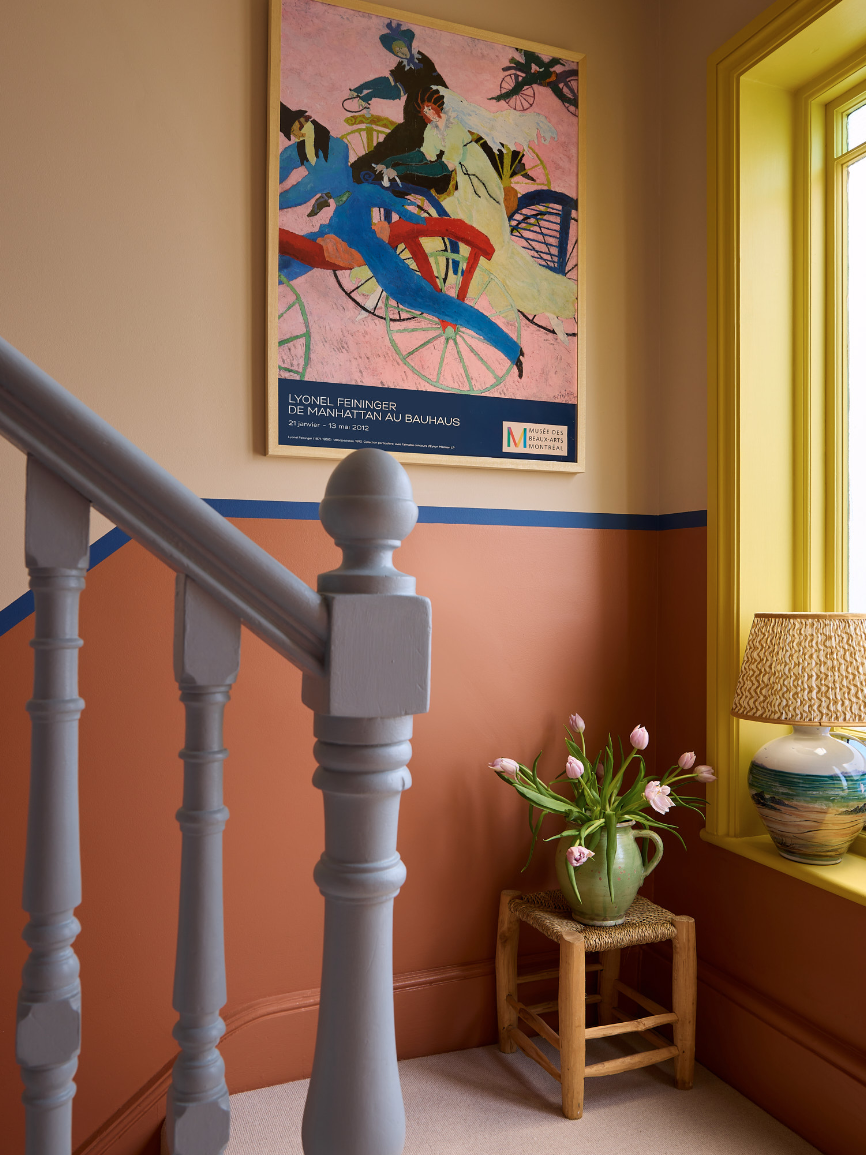
People have a habit of holding back in small spaces, especially in transitional spots like hallways, stairway landings, and corridors. There’s an idea that these places, which tend to function as the spine of a home, should recede into the background. “In doing so, you’re almost apologizing for them,” reflects Laura Stephens.
“These are actually the ideal places to be brave with color, as they’re lower risk and often easier to update if you change your mind,” the designer explains. “Using color elevates and energizes these spaces, and a bold scheme can completely transform them from something purely functional into somewhere joyful and memorable.”
While wallpaper is an excellent way to fold color and pattern into a space, it’s less practical in these typically high-traffic areas. Experimenting with painting techniques offers a playful way to go bold. “Paint window architraves, the ceiling, and other architectural features in a contrasting shade to bring a sense of movement and light,” she suggests.
6. Leaving the Ceiling Blank
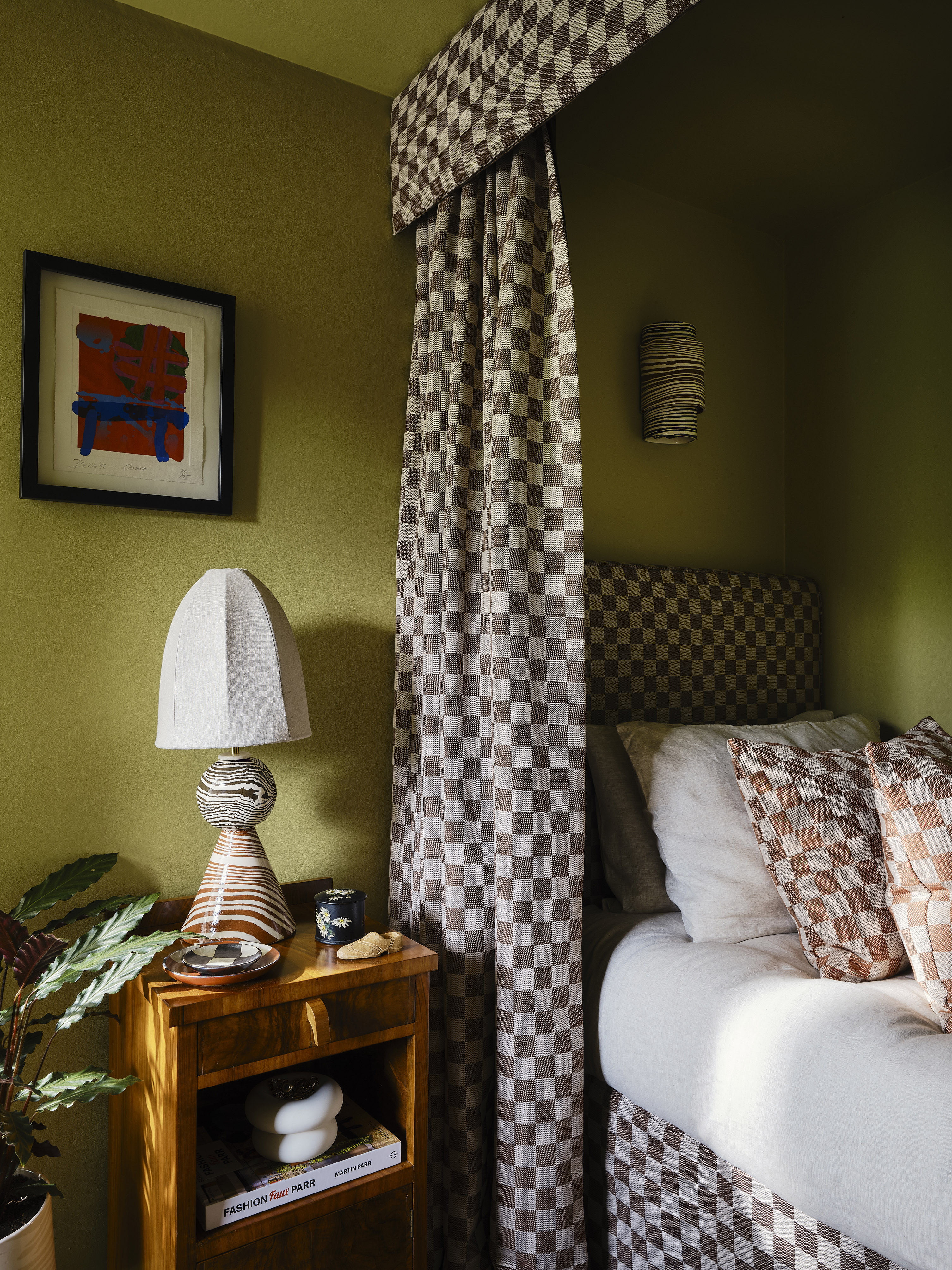
In small spaces, particularly, decorating with patterned wallpaper or a colorful paint, but then leaving the ceiling untouched, is a frequent design mistake. Forgetting ‘the fifth wall’ and keeping it basic white creates a harsh visual break and leads to awkward sightlines, which are, of course, magnified in a room with tighter proportions.
“When decorating a smaller room, painting the ceiling is key,” agrees Claire Greenfield, lead designer at Harlequin. “There are only so many ways to personalize your space, and leaving the ceiling white is simply a missed opportunity. By painting it, you’re on the way to creating a cohesive scheme.”
Painting the ceiling in the same shade as the walls blurs the boundaries of a room and enhances a feeling of space. “Even using a different color entirely makes your space feel more inviting than simple white, though,” says Claire. “Extending your color palette onto the ceiling immediately changes the whole mood of your space.”
Whether you’re remodeling a compact apartment or refreshing a petite powder room, don’t start your decorating project without taking note of these common color mistakes professionals always see. Keep their advice in mind and create a personality-filled space that makes its square footage feel almost irrelevant.
Need more inspiration? Discover the best Farrow & Ball colors for small rooms and sign up to Livingetc's newsletter to have more innovative design ideas delivered straight to your inbox.