
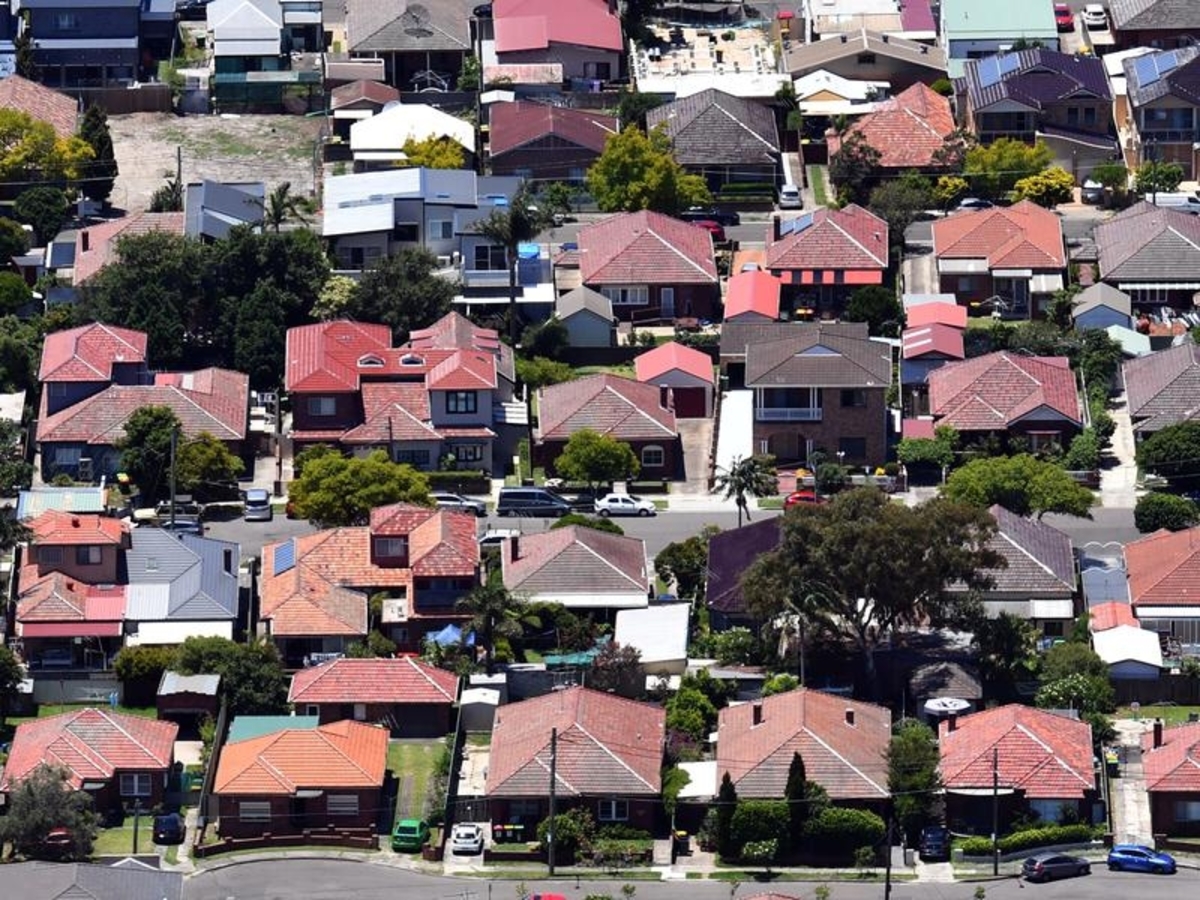
Thousands of Sydney homes will be powered using wastewater under a new plan to use the waste product to generate gas.
NSW Water Minister Melinda Pavey says wastewater from Sydney's Malabar treatment plant -- the largest in the country -- will be used to generate biomethane.
Biomethane is a clean gas with net zero emissions that can be used instead of, or combined with, fossil fuel natural gas.
Energy infrastructure company Jelena will distribute the biomethane through its gas network by 2022.
It will be the first biomethane-to-gas project in Australia.
The venture is a collaboration between Jelena, Sydney Water, and the federal government.
The Commonwealth and NSW governments say the project has the potential to reduce carbon emissions by 5000 tonnes each year - the equivalent of taking 1900 cars off the road.
The Malabar plant could produce enough biomethane to supply gas to 6300 homes, or 95,000 gigajoules every year.
But with population growth causing the volume of wastewater ending up at Malabar to increase, that number could double by 2030, Ms Pavey said in a statement on Monday.
Federal energy minister Angus Taylor said the project was part of a "gas-led recovery" from the COVID-19 recession.
"This project demonstrates the importance of our existing gas infrastructure for the roll-out of new energy technologies. Our gas pipelines provide the essential foundation needed so customers can access renewable gas and hydrogen," he said in a statement.
"Gas is not a competitor for renewables, it is complementary. We will continue to take practical action to reduce emissions, while strengthening the economy and supporting jobs that rely on affordable, reliable energy."
Ms Pavey said the project was an example of the circular economy. The wastewater can also produce recycled water, electricity and biosolids.
The undertaking will cost $14 million, $5.9 million of which will be provided by the Commonwealth. It will generate eight jobs.