Washington has begun a major restoration project aimed at returning 270 acres in the South Fork Skagit River estuary to natural intertidal and marsh habitat. According to the Washington Department of Fish and Wildlife (WDFW), construction on the Island Unit Restoration Project began in June 2026 and is expected to continue through fall 2028. The work will restore two islands that were historically part of a tidally influenced estuary and improve habitat for threatened Puget Sound Chinook salmon and other fish and wildlife.
Get breaking news anytime, anywhere. Download the TOI app now!
Returning an altered landscape
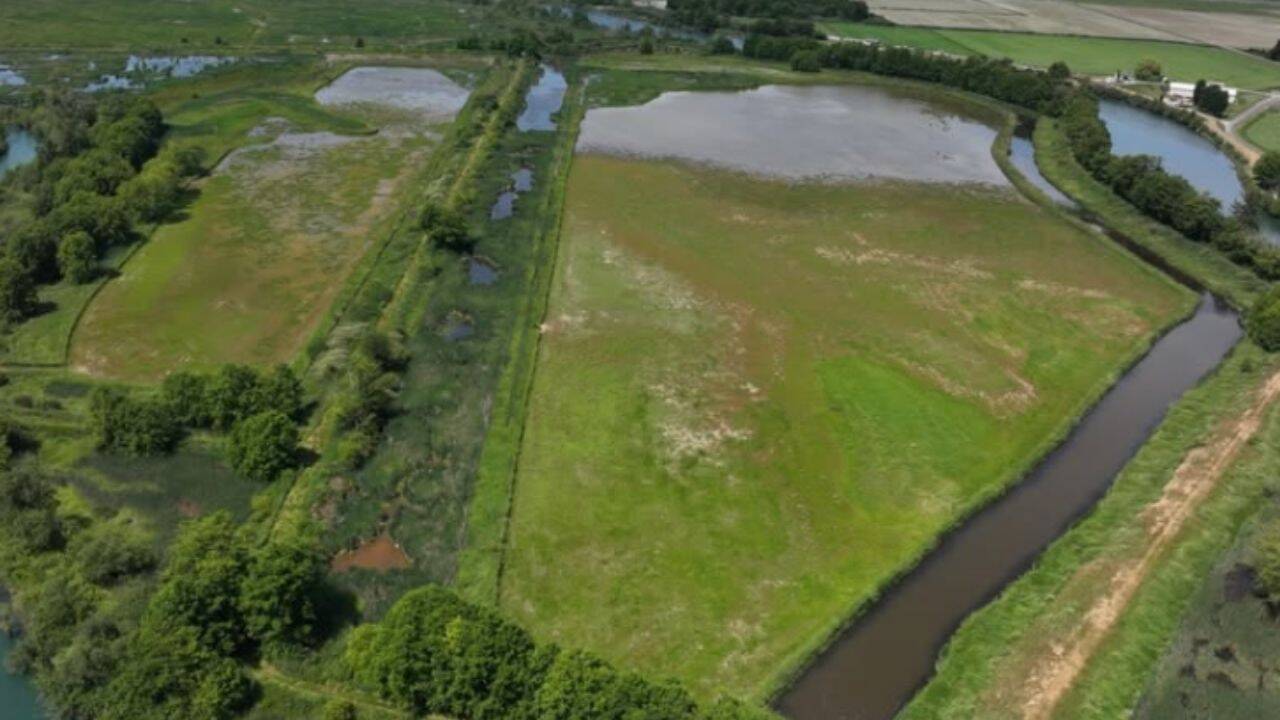
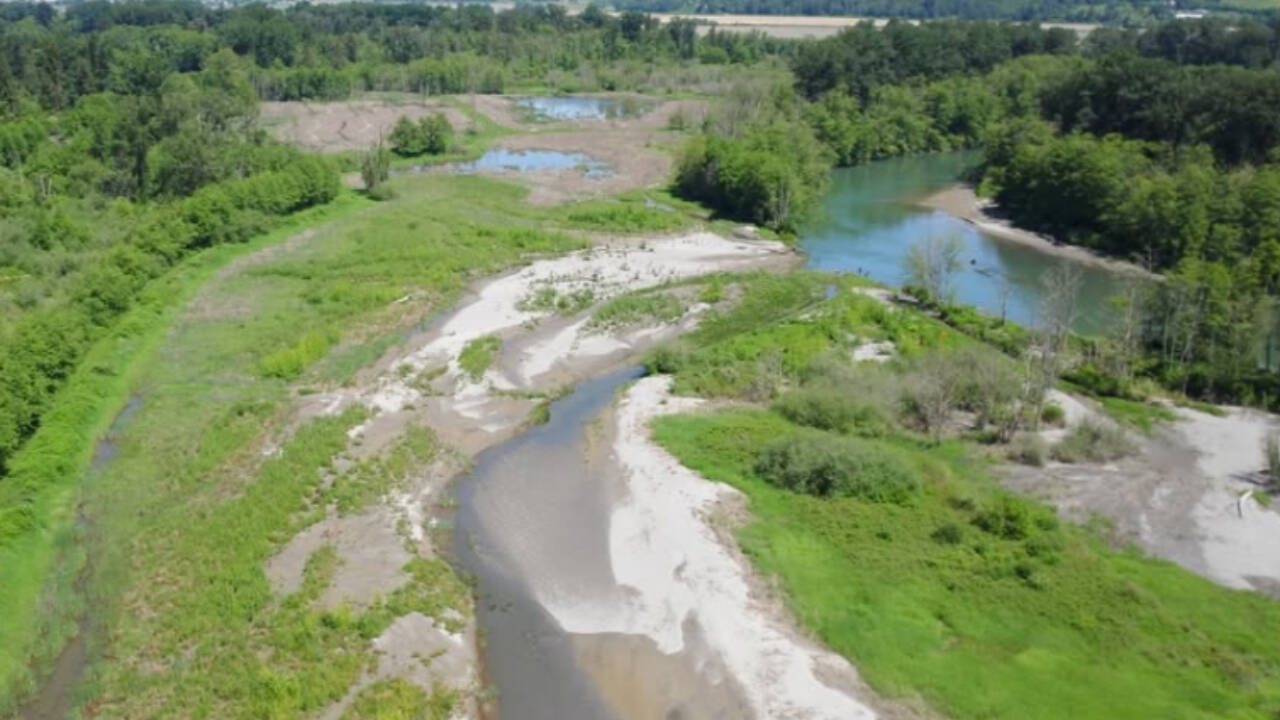
The Island Unit sits within the Skagit Wildlife Area in southwestern Skagit County, between Conway and Stanwood. The 270-acre site consists of two islands in the lower South Fork Skagit River, with Deepwater Slough running between them.
The area was once naturally influenced by tides and river flows, creating estuarine habitat where young salmon could feed and grow. But that landscape changed in the early 1900s, when dikes were built to keep tidal and river water out and convert the land for agricultural use. WDFW later acquired the property in the 1950s and managed it primarily to grow crops that provided food for wintering waterfowl.
Over time, however, the aging dikes and tide gates became increasingly difficult to maintain. Rising sea levels and changing habitat needs also prompted WDFW to reconsider how the land should be managed. The agency ultimately selected a plan to restore the entire 270-acre site to estuary.
Opening the islands to the tides
The restoration is designed to reconnect the site with the natural movement of water. Crews will remove dikes, levees and tide gates that currently restrict tidal and river flows. They will also excavate channels through the interior of the unit, allowing water from Skagit Bay and nearby sloughs to move more naturally across the landscape. The goal is not simply to bring water back to the islands. Restoring tidal channels and wetlands can recreate the conditions that make estuaries valuable nurseries for young fish.
According to WDFW, the project will remove barriers that currently separate the Island Unit from hundreds of additional acres of intertidal estuary across the South Fork Skagit River delta. This larger connection is expected to increase the amount of accessible habitat for juvenile salmon.
A nursery for young salmon
Puget Sound Chinook salmon are among the main beneficiaries of the project. These salmon are listed under the Endangered Species Act, and estuary habitat is considered an important limiting factor in their recovery in the Skagit region. Young Chinook, often called smolts, use estuaries as they transition from freshwater rivers toward the ocean. These areas provide food and shelter while the fish grow larger before entering the broader waters of Puget Sound and eventually the ocean.
Restoring the Island Unit could therefore give young salmon more space to feed and develop during a particularly important stage of their life cycle. The project may also contribute indirectly to the recovery of Southern Resident killer whales, whose primary prey is Chinook salmon.
Benefits beyond salmon
Although salmon recovery is a major reason for the project, the restored landscape is expected to support a wider range of wildlife. Estuaries contain marshes, wetlands, mudflats and shallow waters that provide habitat for fish, waterfowl, shorebirds and other species.
The project also includes features designed to maintain recreational opportunities. Low-angle landings will allow small boats to reach parts of the site, while recreational mounds will remain above water during much of the tidal cycle.
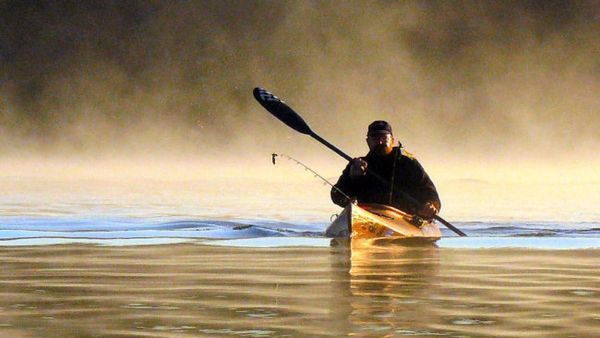
Some of these mounds will be planted with shrubs and trees and eventually include waterfowl hunting blinds. This is important because the Island Unit has long been popular with waterfowl hunters and is also used by paddlers, boaters, photographers and wildlife watchers.
A long-planned transformation
The restoration follows years of planning, consultation and public involvement. WDFW began developing the project in the late 2010s, followed by tribal consultation, stakeholder discussions, advisory group meetings and public comment beginning in 2020. More than 200 public comments were received during the planning process.
The project also builds on earlier restoration work nearby. WDFW completed construction on the neighbouring Milltown Island Estuary Restoration Project in late 2024, with restoration planting continuing afterward. For the Island Unit, the transformation will take several years. The area is closed to public access during construction, which began in June 2026 and is scheduled to continue through fall 2028.
Once completed, the two islands will function less like protected agricultural land and more like the tidal landscape that existed there historically. By reopening channels and allowing river and tidal waters to move across the 270-acre site, Washington is seeking to rebuild a functioning estuary that can support salmon, wildlife and the wider Skagit River ecosystem for years to come.