Turkey announced on Friday that it would retaliate in kind to Washington’s imposing of more sanctions against it as the diplomatic crisis between the two NATO allies continued to simmer over Ankara’s detention of an American pastor.
A Turkish court on Friday turned down another appeal to free pastor Andrew Brunson in the third such rejection, his lawyer said.
As Ankara sought to reassure markets after the lira went into a tailspin over the deepening spat, US Treasury Secretary Steven Mnuchin warned more sanctions would be on the way until Brunson was released.
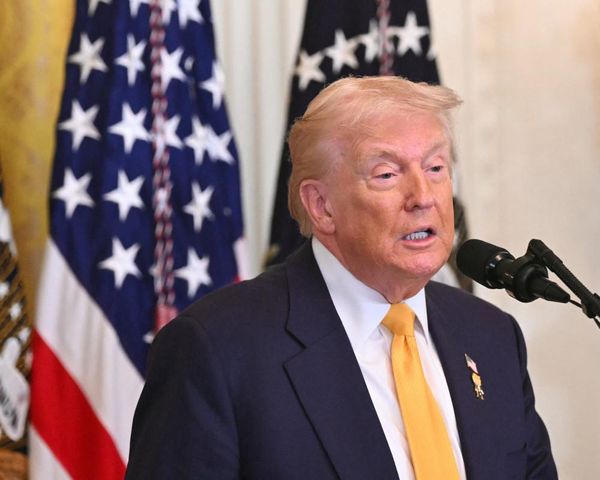
Last week, US President Donald Trump said he had doubled the tariffs on aluminum and steel tariffs from Turkey, prompting Ankara to sharply hike tariffs on several US products.
On Friday, Turkey's Trade Minister Ruhsar Pekcan said to expect more of the same.
"We've already responded based on the World Trade Organization rules and will continue to do so," state-run Anadolu news agency quoted him as saying.
The nearly two-year detention of Brunson, who is being held on terror charges, has soured relations between the two NATO allies and sent the lira tumbling.
The lira, which earlier this week traded at well over seven to the dollar, rebounded slightly over the last three days but on Friday it lost over five percent of its value around 1250 GMT.
In the afternoon trade, it was quoted at 6.1 against the greenback after touching 6.3 at one time.
The court in the western city of Izmir ruled that Brunson, who faces 35 years in jail if convicted, would remain under house arrest, his lawyer Cem Halavurt told AFP.
The latest US announcement came after Turkish Finance Minister Berat Albayrak tried to soothe the markets during an unprecedented conference call with hundreds of foreign investors, insisting Turkey would emerge "stronger" from the currency crisis and would not need an IMF bailout.
William Jackson, chief emerging markets economist at London-based Capital Economics said in a note that Albayrak gave a "moderately convincing performance".
But he suggested Turkish "policymakers only really seem to have done the minimum needed."
The Fitch ratings agency described Turkey's policy response to the lira's deprecation as "incomplete" and "unlikely on its own to sustainably stabilize the currency and the economy".
That would require "an increase in the policy credibility and independence of the central bank, tolerance of weaker growth by policymakers, and a reduction in macroeconomic and financial imbalances," Fitch said in a statement Friday.
Analysts say a sharp hike in interest rates is needed to stop the declining value of lira, but Ankara is opposed to any rate hike which would likely undercut growth.
President Recep Tayyip Erdogan has remained defiant in the face of the crisis with Washington, saying Turkey could turn to new alternative markets.
Erdogan has also held talks with the German and French leaders, a sign that Ankara is moving closer to Europe after several years of sharp tensions.
There have notably been unexpected moves in key legal cases that have been bones of contention with the EU, although Ankara always insists its judiciary operates independently of politics.
An Istanbul court on Wednesday allowed the release of Amnesty International's Turkey chair Taner Kilic, who spent more than a year in jail over alleged links to a 2016 coup bid.
The previous day two Greek soldiers held by Turkey since March for illegally crossing the border were also freed in a move warmly welcomed by Athens.