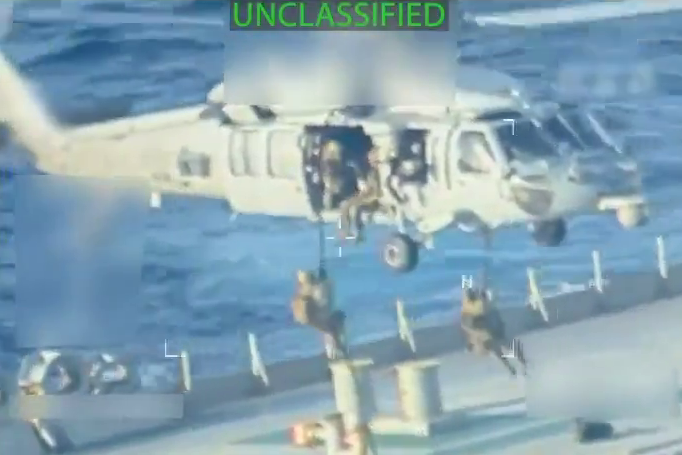
US forces seized a sanctioned oil tanker off the coast of Venezuela on Wednesday in a dramatic escalation of hostilities between Washington and Caracas.
Helicopters sent to intercept the vessel had reportedly taken off from the USS Gerald R Ford, the world’s largest aircraft carrier, which was sent to the region last month in a pointed show of force.
The latest operation, pulling in special forces and US Marines, follows months of sabre-rattling and intimidation from Donald Trump in an attempt to pile pressure on Venezuelan president Nicolas Maduro.
But with Maduro unmoved, the US buildup in the Caribbean shows no sign of slowing down as Trump continues to amass gunboats, troops and missiles.
How many US ships are stationed near Venezuela?
The USS Gerald R Ford joined a fleet of 12 warships in the Caribbean in November, adding capacity for up to 90 aircraft to join the 10 F-35B fighter jets stationed in Puerto Rico.
Stocked with the long-range missiles coveted by Ukraine, the US armada today has the capability to strike targets anywhere in Venezuela.
That force projects huge power across the region for an operation ostensibly targeting drug traffickers. It represents the largest US buildup in the area unrelated to natural disasters in more than three decades.
The number of combat vessels has jumped since the first half of the year, when the US kept a steady patrol of three to five in the region, according to analysis by the Center for Strategic and International Studies (CSIS).
That figure leaves out the tankers and resupply ships also joining the fleet and includes ships with direct combat functions, even if not commissioned warships.
That rose to 10 in August when Trump deployed the Iwo Jima Amphibious Ready Group to the Caribbean. The US began its military campaign in September, striking a small boat it said was carrying drugs, without providing evidence.
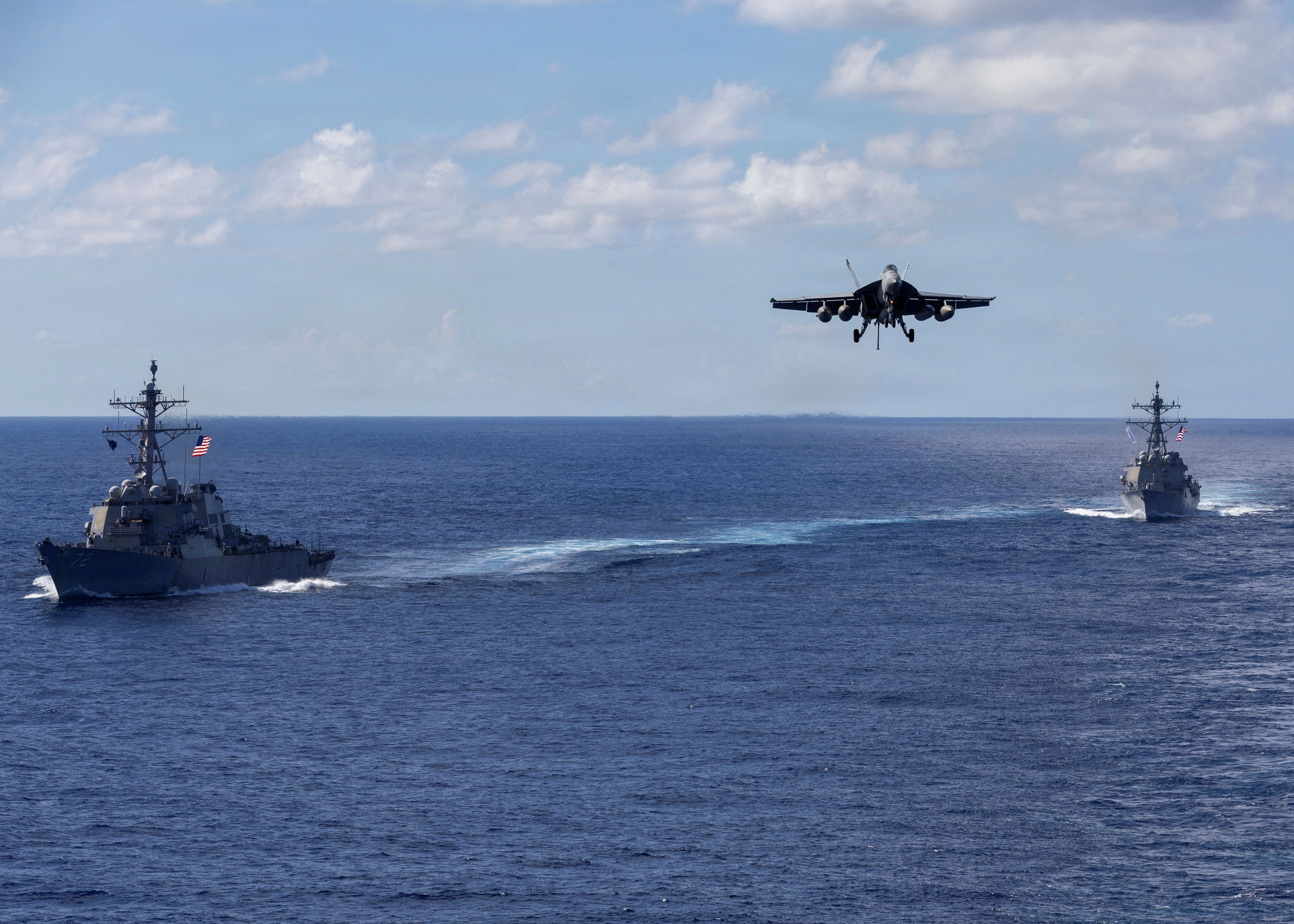
A naval base in Puerto Rico
That month, the US suddenly began construction at a former naval base in Puerto Rico.
Photos taken by Reuters showed the US was coordinating its buildup with upgrades to landing and take-off capabilities at Roosevelt Roads, the former site of one of the world’s foremost naval stations before it was shuttered in 2004. Civilian airports in Puerto Rico and the Virgin Islands were also eyed for renovation.
US military officials and maritime experts said the new builds indicated the kind of preparations that could allow attacks on Venezuela.
As it began renovations on military bases, special forces joined the buildup in September, before the 337m-long USS Gerald R Ford arrived in November.
US military assets have been used to deadly effect in the Caribbean in the last four months, killing at least 86 people between 22 strikes, according to the Pentagon.
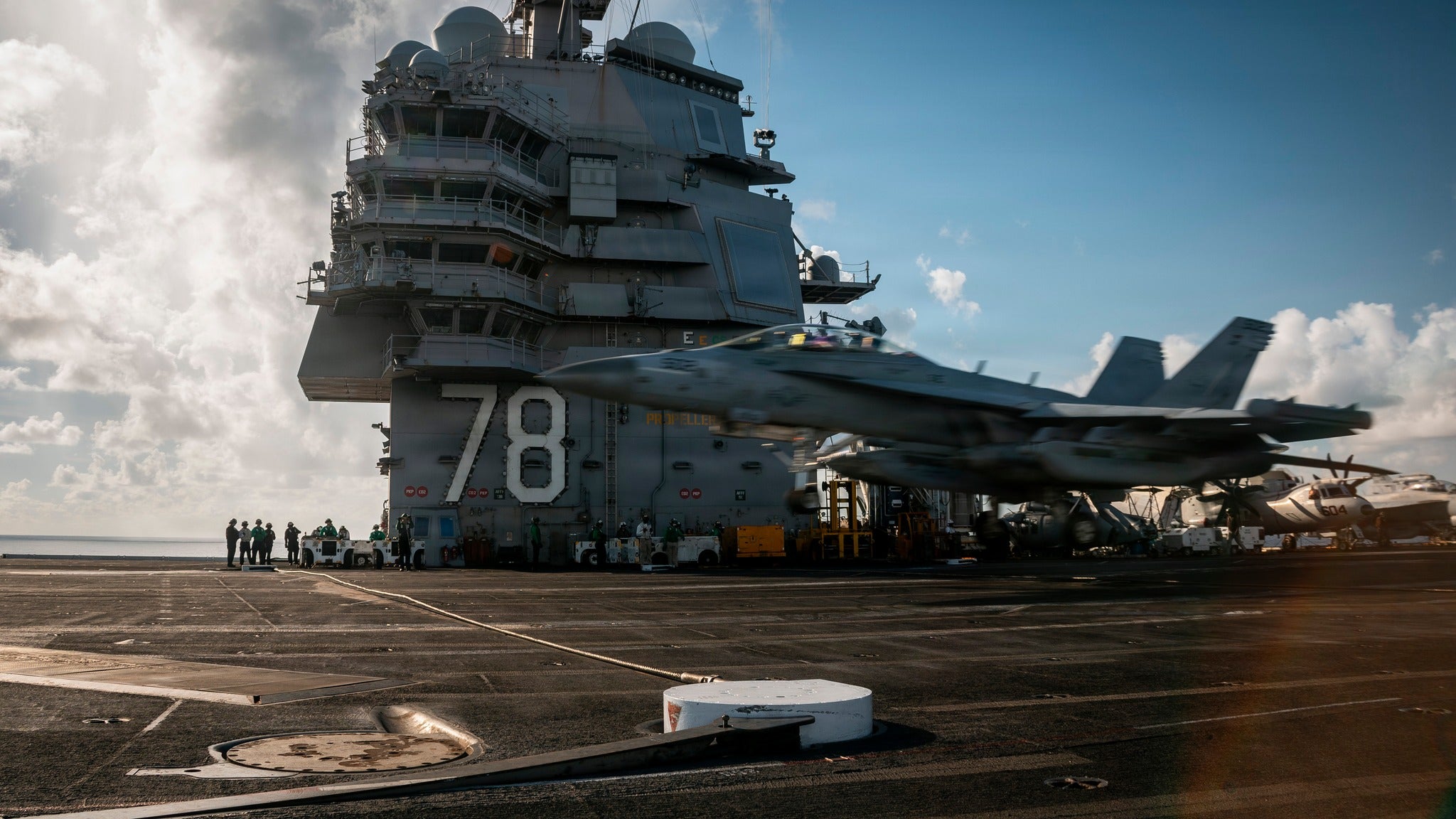
Tomahawks and land strikes
Trump threatened Venezuela – and its neighbours – with land strikes at the start of December in the clearest direct threat to Maduro’s regime. He suggested any country producing drugs for distribution in the US was fair game.
Washington has an estimated 170 Tomahawk missiles ready, according to CSIS. The long-range missiles could hit any part of Venezuela with a range of 800-1,000 miles.
The US is also believed to have tens of thousands of JDAM bombs stationed in the area, and thousands of air-launched missiles with varying ranges.
The CIA is said to be providing the bulk of intelligence used to carry out the strikes against small boats, sources told The Guardian, amid fears Trump could turn his focus inland.
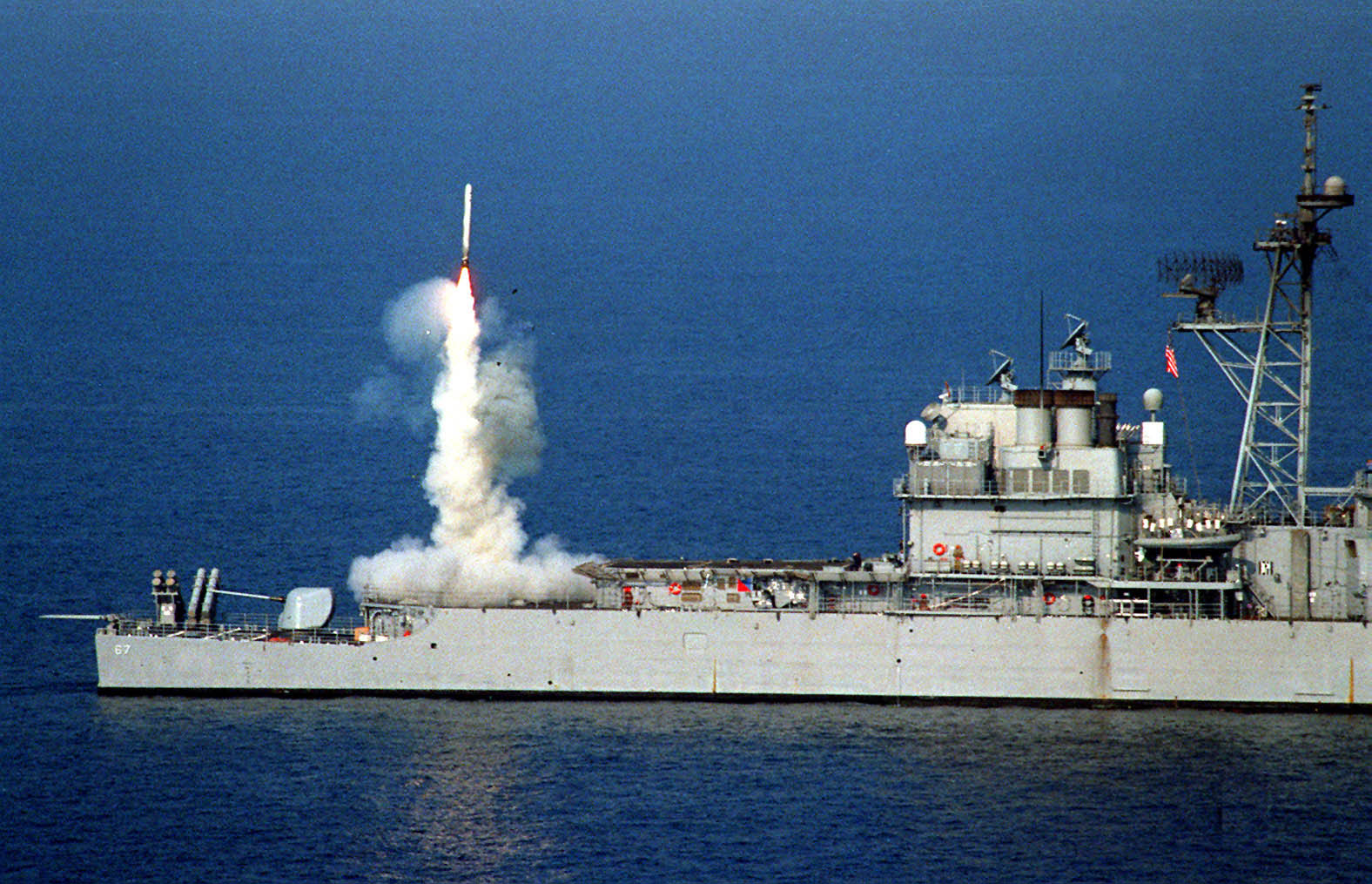
America’s air power
Flight tracking data shows the US sent long-range bombers to the region in October and November. Several P-8 Poseidon reconnaissance aircraft have also appeared over the Caribbean in recent weeks.
With only a few thousand troops and a handful of land vehicles, however, the US is not gearing up for a land invasion.
“The United States does not have the ground forces needed for an invasion,” Mark Cancian, retired Marine colonel and senior advisor at CSIS, told Politico.
His analysis shows the US has 2,200 Marines in the area and 23 combat vehicles (reconnaissance and tracked amphibious), while Venezuela can draw on around 100,000 personnel if needed, as well as hundreds of tanks, infantry fighting vehicles and artillery pieces.
Noem defends seizure of Venezuelan oil tanker during Congressional hearing: Live
Trump and Europe want ‘same thing’ for Ukraine, Starmer says
MyPillow founder Mike Lindell officially announces run for Minnesota governor
Ukraine war latest: Europe must prepare for conflict ‘on scale of WW2’ says Nato boss
Charlie Kirk’s close friend Candace Owens tears into widow Erika
These are the key AI players on the cover of Time's 'Architects of AI' magazine