The first few weeks of 2026 have felt like a lifetime. They follow a year of unprecedented global events, triggered by Donald Trump’s foreign policy, that have rocked the world and the world order.
In less than a month, we have seen the US capture the president of Venezuela, threaten to bomb Iran, and vow to take over Nato partner Greenland, while briefly threatening sanctions on anyone who opposed that.
So what can the world expect as we move into the second year of Trump’s second term in office?
How far does his “America First” policy go? What does his “Donroe Doctrine” mean for the direction of this new world?
And which crises and conflicts are likely to wreak havoc this year?
Post-Nato Europe and the conquest of Greenland
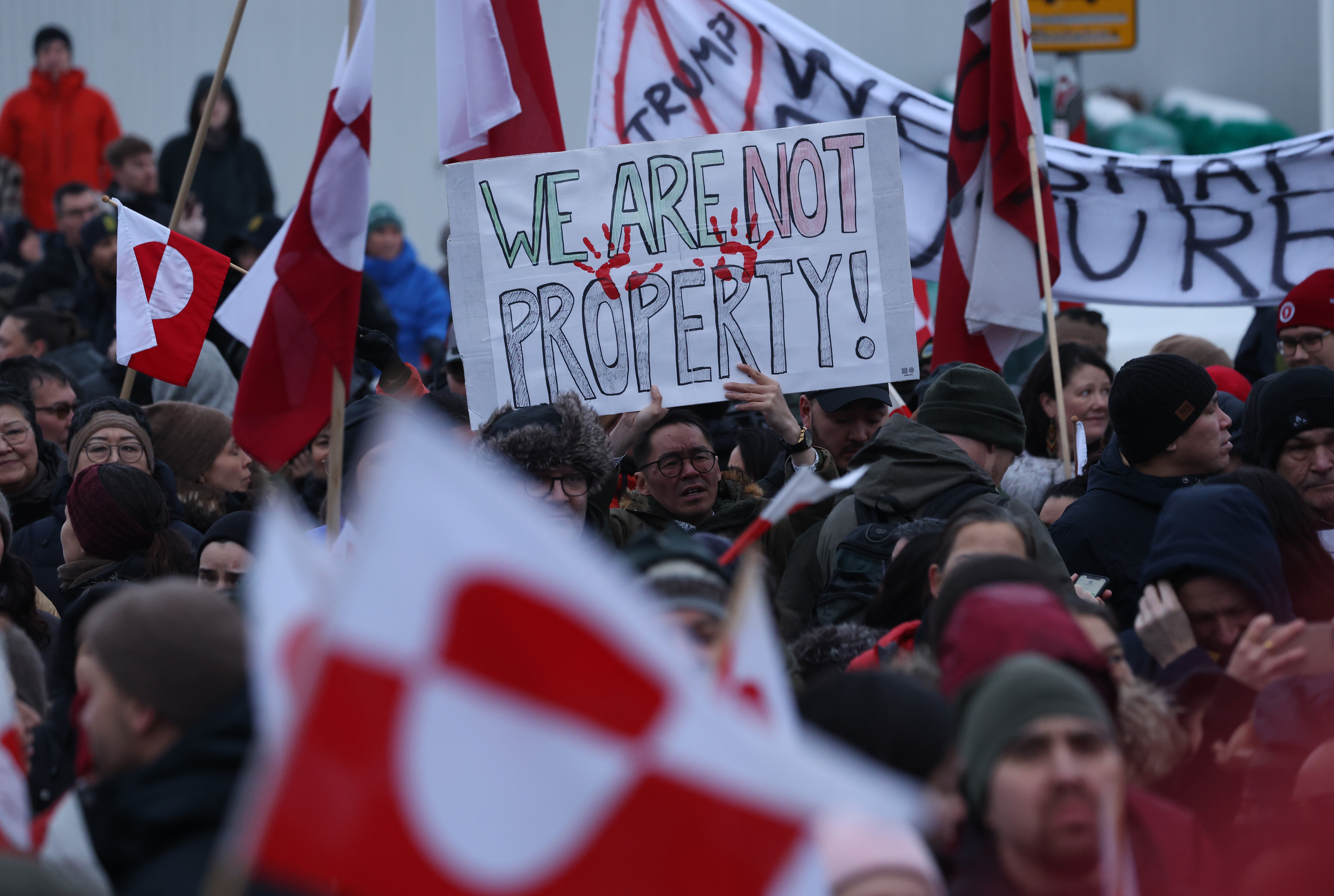
The most immediate concern is Trump's determination to take over the mineral-rich, strategically important island of Greenland, a semi-autonomous territory of the US’s Nato ally Denmark.
Although he has stepped back from military action, his desire to own the “piece of ice” remains undiminished. During his speech in Davos, he insulted Europe – and its leaders – criticising them on migration and energy, as well as defence. The alliance’s most powerful member is not playing nice.
Rose Gottemoeller, who served as Nato’s deputy secretary general during Trump’s first administration, told The Independent that Washington’s increasingly erratic signals, she said, raise doubts about its commitment to the US nuclear umbrella over Europe, which unofficial reports suggest includes around 100 warheads.
This, in turn, could trigger a new era of nuclear proliferation, something already being discussed in parts of Europe, including Germany.
Ukraine and a never-ending war
Ukraine is at a critical juncture: there are desperate hopes that talks could bring peace, four years after Russia’s full-scale invasion of the country. Talks in Abu Dhabi between officials from the US, Russia and Ukraine have so far proved inconclusive as there is one large elephant in the room: the row over territory.
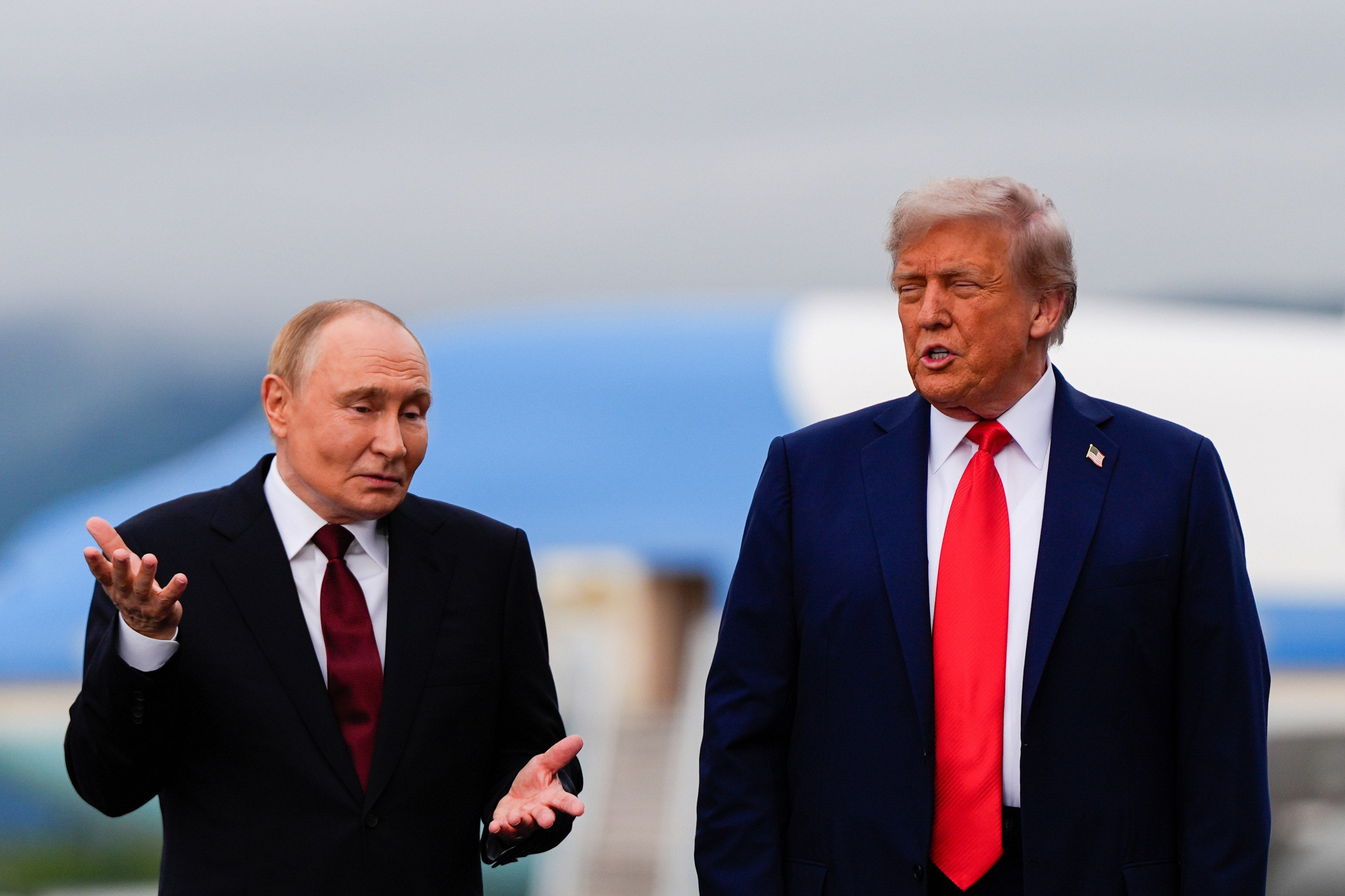
Trump is arguably the only ally of Ukraine with enough power to force Vladimir Putin to the negotiating table and agree to a ceasefire that is not simply a dressed-up surrender for Kyiv. But increasingly, it feels as though Trump does not care enough about the outcome for the Ukrainians.
His America First isolationism, overtures to the Russian president over territory gains, public berating of Volodymyr Zelensky and apparent indifference to Ukraine’s concerns that a peace deal could lead to renewed war with Russia in the future do not bode well.
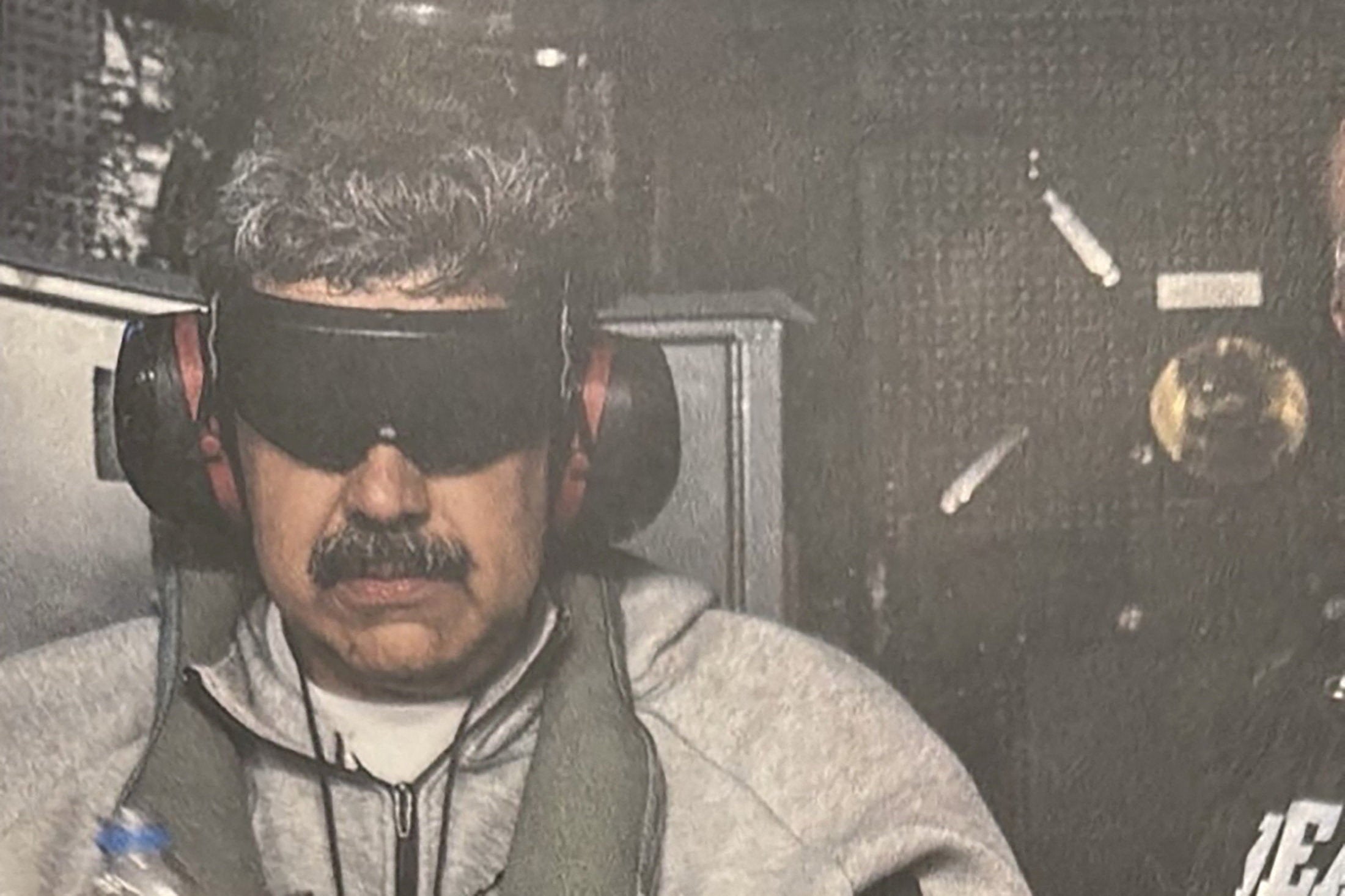
It is also concerning that the US is sending signals that sovereignty does not matter, as seen in the justification of the US capture of Venezuela’s Nicolas Maduro, and his hardline stance on Greenland.
“It is creating a precedent that countries like Russia ... will take as affirmation,” General Sir Richard Barrons, the former Commander of Joint Forces Command, said at a recent Chatham House event.
It smacks of a worldview in which superpowers simply “carve up spheres of influence between them”, he added.
The UK and its European allies in the Coalition of the Willing have stepped up, announcing this month that British and French troops would deploy to Ukraine as a security guarantee should a deal go through. But the question remains whether Europe on its own will be enough.
Latin America and bombing his backyard
A telling warning was issued by the US Federal Aviation Administration on January 16 that airlines should exercise caution when flying over Mexico, Central America, and parts of South America such as Colombia, citing risks linked to “potential military activities”.
The warnings, which will last 60 days, come amid soaring tensions between the US and South American leaders following Trump’s large-scale military buildup in the southern Caribbean, the attack on Venezuela and Trump’s repeated threats of action in neighbouring Colombia, Cuba, and, most recently, against drug cartels in Mexico.
Perhaps the biggest shift in US foreign policy since Trump’s second term began has been the elevation of Latin America to one of the highest priorities in the US’s national security strategy.
This is all part of Trump’s Donroe Doctrine – his personal retelling of the 200-year-old playbook of president James Monroe, aimed at restoring US pre-eminence over the western hemisphere, where powers such as China have gained increasing influence.
.jpeg)
China is now Latin America’s second-largest trading partner after the US, and investment ties are growing.
This is clearly something Trump and his secretary of state, Mark Rubio, an American Cuban himself, are keen to halt.
Earlier this month, Trump warned the Cuban government to “make a deal or face the consequences”, without elaborating.
Trump has also engaged in a war of words online with the Colombian president Gustavo Petro, whom he unceremoniously told to “watch his ass”.
The White House depends on cooperation with Mexico to stem migration, and Mexico relies on the US as a major training partner. But Trump’s recent comments about launching US strikes on Mexican drug cartels have already caused alarm.
Let us not forget Trump’s original threats to annex the Panama Canal. Emboldened by his actions in Venezuela and driven by his ambitions over Greenland, nothing appears to be off the table.
China and its eyes on Taiwan
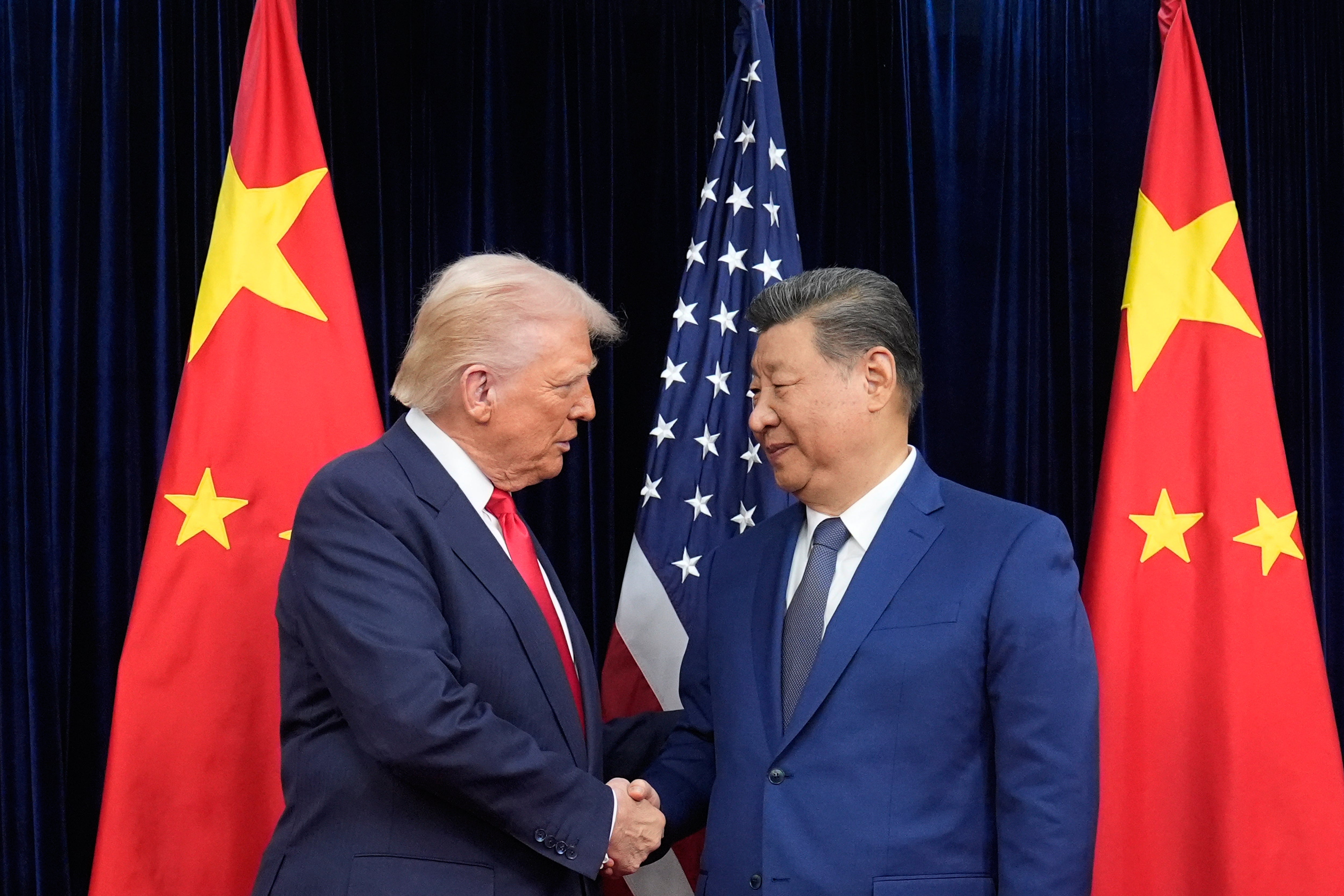
The US intelligence position has long been that China is preparing its military to be capable of invading Taiwan by 2027. That is now only a year away. It feels closer still after China’s live fire military drills around Taiwan at the end of last year, and Xi Jinping’s vow to reunify China and Taiwan in his New Year’s Eve speech.
It might be why there is far more emphasis on Taiwan in Trump’s national security strategy than under previous US administrations.
Protecting Taiwan from China is, according to the document, vital to maintaining American “economic and technological pre-eminence”, due both to its semiconductor production and its strategic location.
At the same time, Trump’s approach to China remains transactional and ambiguous. He publicly cultivated a personal rapport with Xi Jinping and told The New York Times this month that he said it is up to the Chinese leader to decide Taiwan’s future.
Analysts see the Taiwan Strait as the most likely flashpoint for a conflict between the United States and China. The potential cost of war is extremely high.
The Middle East and Trump’s ‘board of peace’
At the start of 2026, the Middle East feels less of an urgent priority for a US president. That said, over the past year, he has joined Israel in bombing Iran, encouraged protesters to overthrow the government in Tehran, pushed through a truce deal for Gaza, and welcomed Syria’s new president as an “attractive tough guy”.
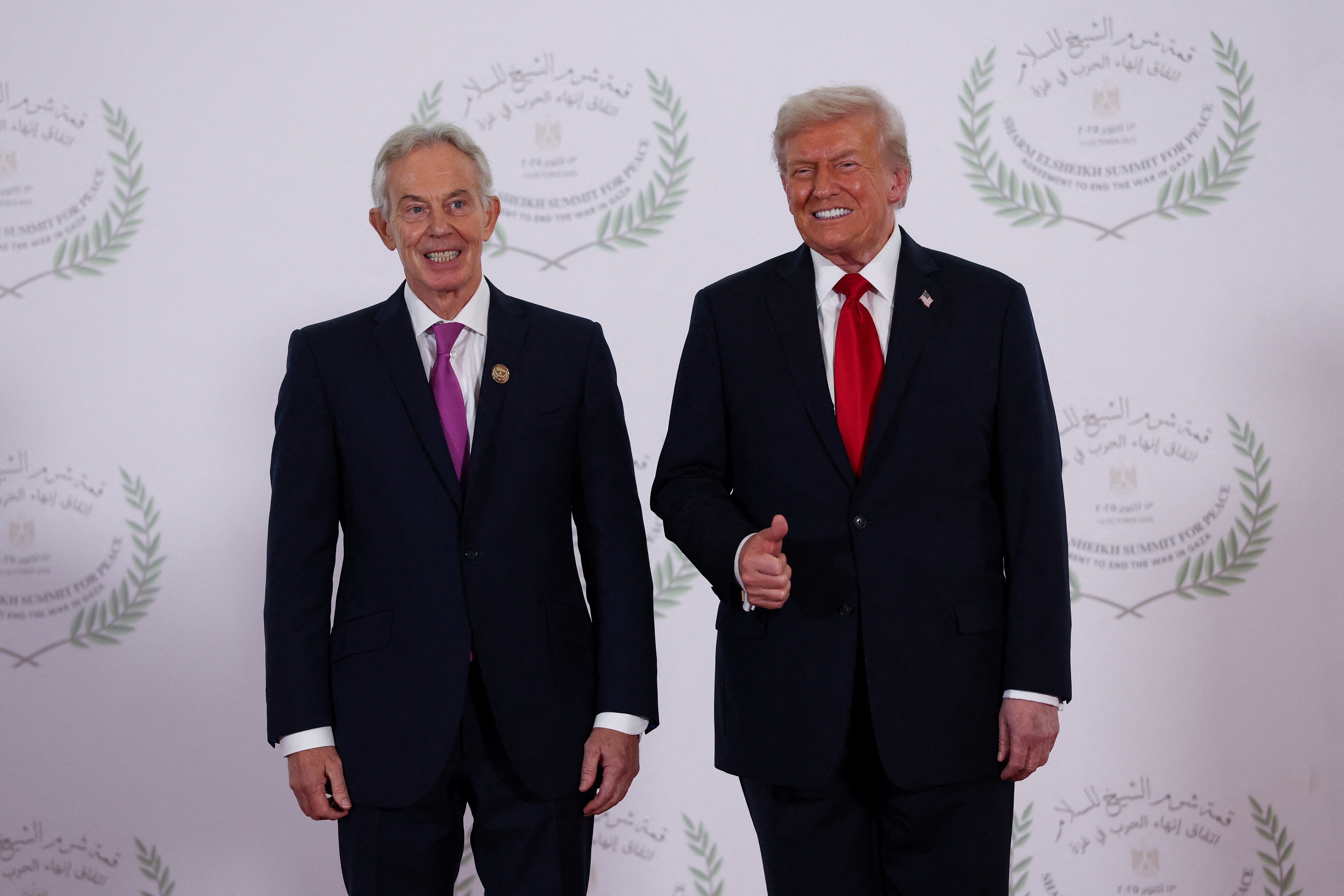
Last week, he inaugurated his “board of peace”, which was nominally tasked with enacting his 20-point plan for Gaza after a devastating war with Israel. But according to leaked details of its charter – which the US claims nearly 60 countries have signed on for – it could have a much wider, UN-level scope, looking at conflicts well beyond that troubled region.
The indications so far suggest a US president who does not want a lot of boots on the ground in the region. He seems more energised by striking trillion-dollar deals with the Gulf states, acquiring glitzy new planes or describing real estate opportunities for the “Gaza Riviera”, or New Gaza.
That said, his claims on Friday that an “armada” of military ships is sailing towards Iran means nothing can be ruled out.
Photos shows Japan's love of pandas as twins Xiao Xiao and Lei Lei return to China
How an anti-ICE protester came to be shot dead by federal agents
Nato comments reversal ‘as good as it gets’ from Trump, says Home Secretary
Trump has power to block Starmer’s Chagos deal, No10 admits
The real reason Donald Trump wants other leaders to call him Daddy
SNL cold-open skewers Trump’s obsession with winning and taking prizes: ‘I love me!’