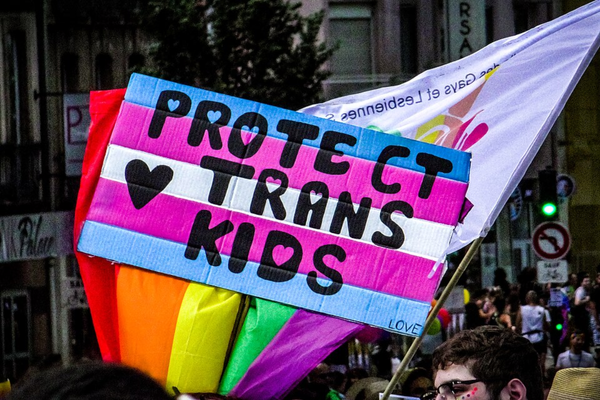
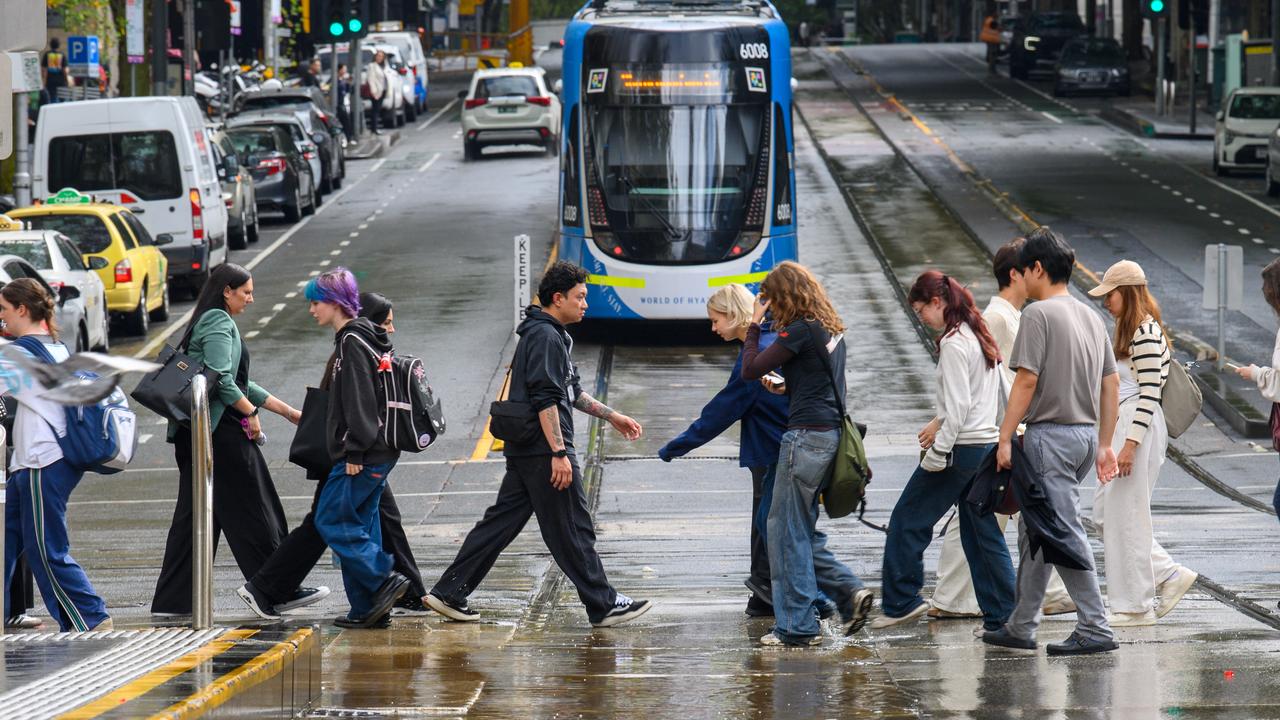
The number of young people concerned about national security has more than doubled during a worsening global backdrop driven by war in the Middle East, Russia's invasion of Ukraine and US intervention in Venezuela.
Australians are increasingly worried about the threat of cyberattacks, terrorism and foreign interference, and want the government to be more transparent about its handling of national security, a report shows.
Almost half of all Australians believe the country will be attacked by a foreign military in the next five years, while 85 per cent think a severe economic crisis is possible.
In three surveys of 20,000 people between late 2024 and early 2026, the ANU's National Security College found voters were becoming more concerned about the nation's defence position and felt the government was unprepared.
People who live in regional areas, older Australians and those at socio-economic disadvantage have been consistently concerned about the issue, but there has also been a dramatic rise in the number of younger people worried about national security.
The rate has risen from 22 per cent of 18- to 24-year-olds in November 2024 to 55 per cent in February 2026.
Figures were higher among other age groups, with 63 per cent of all people surveyed in February saying they were worried about national security.
"I don't think we're prepared at all. I don't think we know half of it, to be honest, what's coming," one NSW respondent told a focus group.
A majority of people surveyed said they believed the government shared too little information about national security.
However, some argued more transparency could cause national panic, while others were deeply distrustful of information shared by governments and mainstream media.
No single issue or event was driving the uptick in concern, the report said/
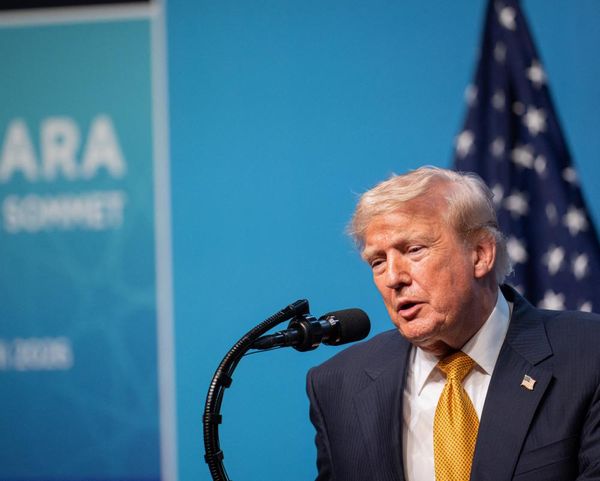
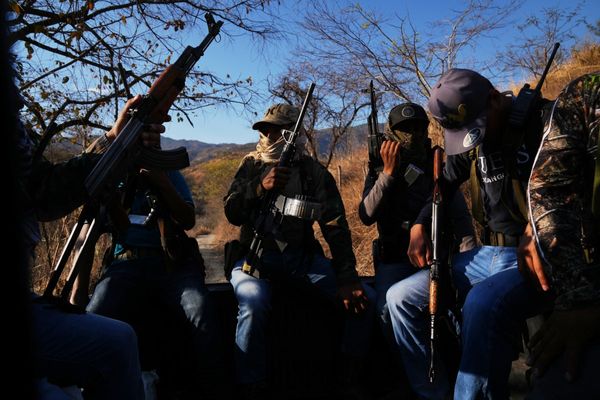
But global disruption, including the US-Israeli war against Iran, the years-long conflict between Russia and Ukraine, US President Donald Trump's threats to acquire Greenland and a summer of extreme weather in Australia likely all played a role.
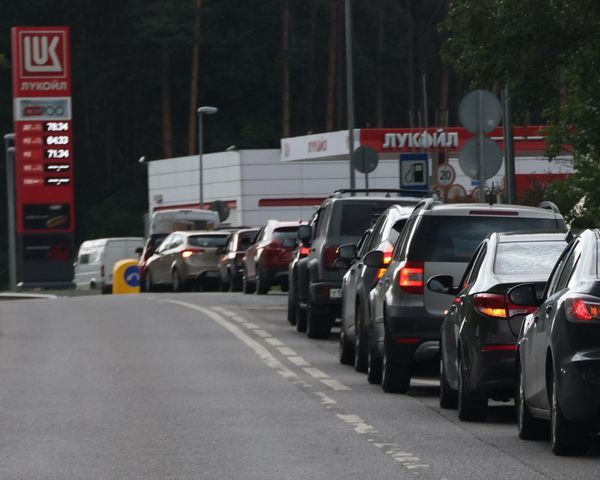
Two of the three surveys were taken before the latest flare-up in the Middle East, which has caused chaos in global supply chains and sent fuel prices skyrocketing.
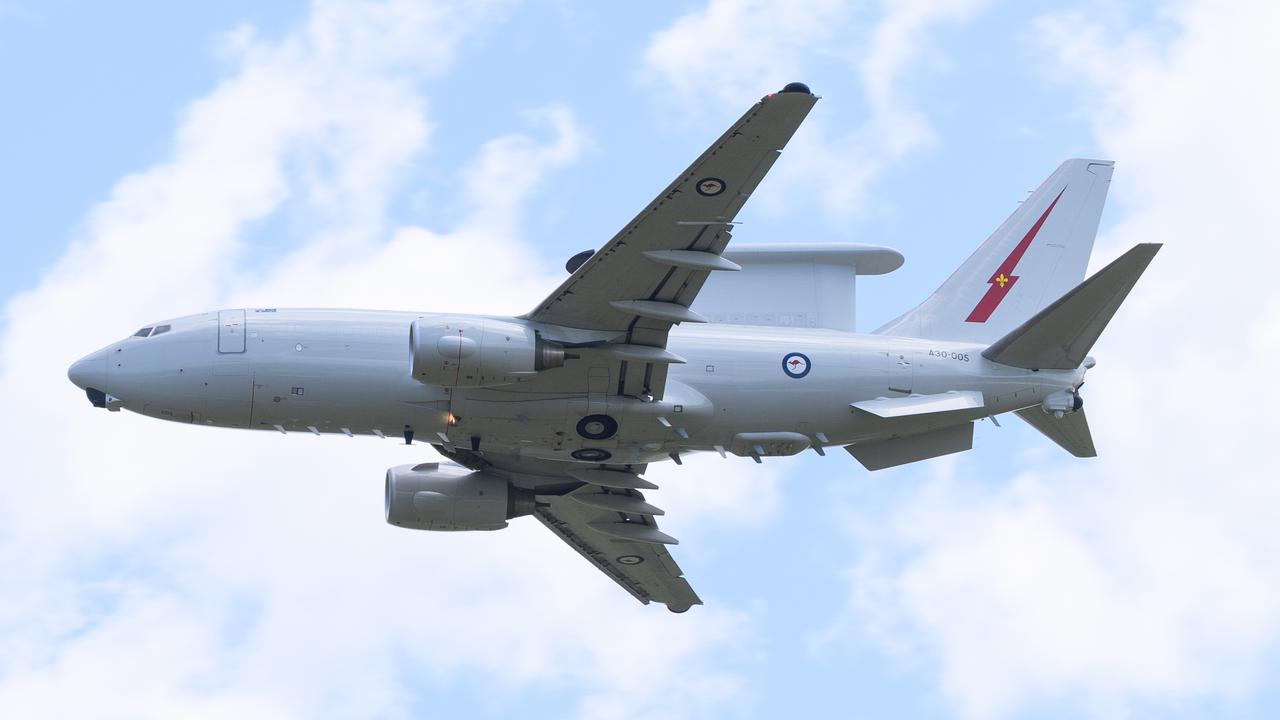
Australia has sent a spy plane and missiles to the region to help protect Gulf nations from Iranian attacks.
The study also reveals a divide between men's and women's confidence to discuss national security.
While 46 per cent of men considered themselves knowledgeable about national security, only 23 per cent of women did.
The gap reflected people's perceptions of their knowledge, not actual competence.
"Women in our focus groups tended to underestimate their own national security knowledge before demonstrating grounded understanding of security issues and how they affected communities, families and the nation," the report said.