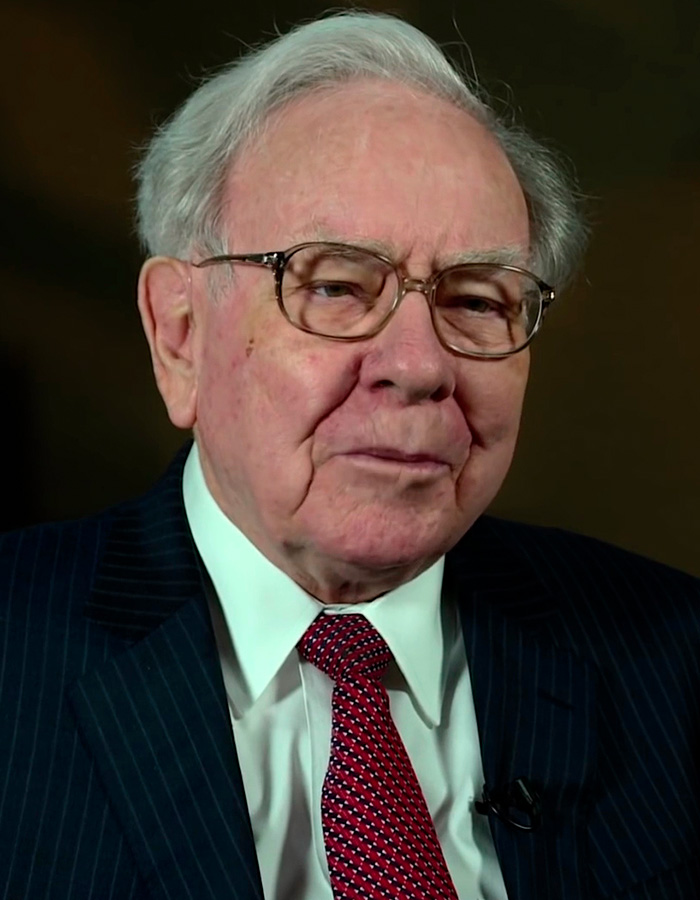
Warren Buffett’s Berkshire Hathaway, a $1.1 trillion conglomerate spanning insurance, railroads, and major stock investments, has been making a quiet shift that is starting to raise concerns.
Over the past two years, the company has built a massive cash reserve while stepping back from major stock purchases. At the same time, it has been selling more stocks than it buys.
With uncertainty growing, investors are now paying closer attention to what this strategy could mean.
Warren Buffett’s Berkshire Hathaway has been sitting on billions while quietly pulling back from stocks.
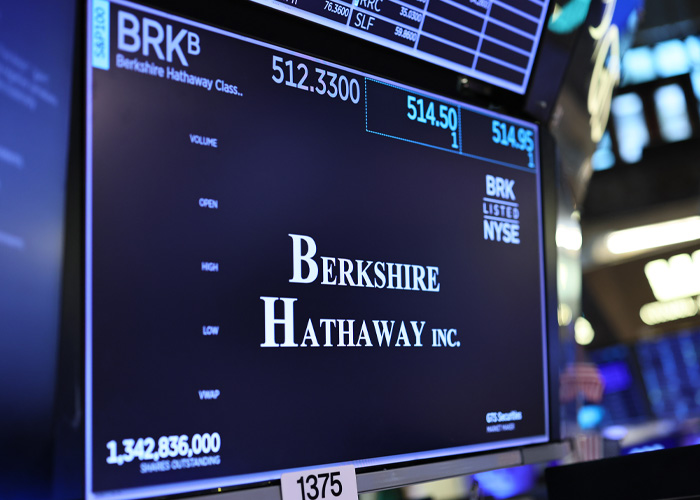
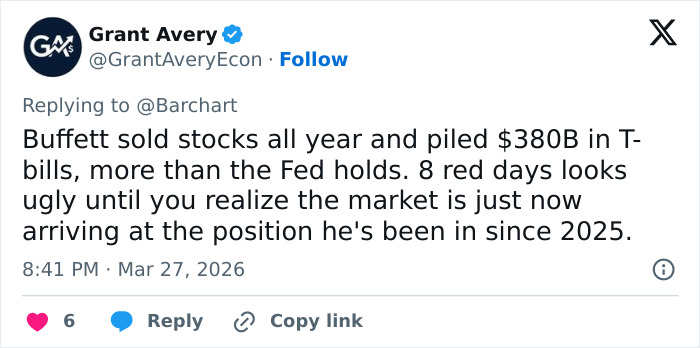
For 22 months, Berkshire Hathaway has held onto a staggering cash pile of $400 million, enough to acquire roughly 480 companies in the S&P 500.
At the same time, the company has been selling more stocks than it has been buying, a shift that hasn’t gone unnoticed by analysts or investors.
This strategy has led many investors to question whether Berkshire sees stocks as overpriced and the broader market as vulnerable to a downturn.

Moreover, the timing has only added to the concern. Given the rising geopolitical tensions, including those involving Iran, they have already started affecting global markets.
Financial leaders like Jamie Dimon have warned that higher oil and commodity prices could push up the cost of living and keep interest rates elevated longer than expected.
In that context, Berkshire’s growing cash position is being interpreted as a defensive mode, suggesting the company is waiting rather than taking risks in the current scenario.
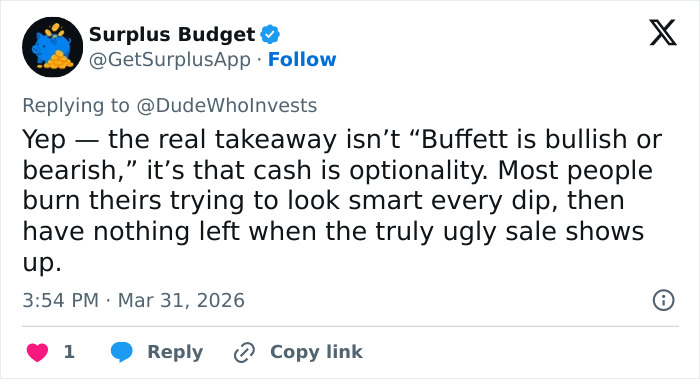
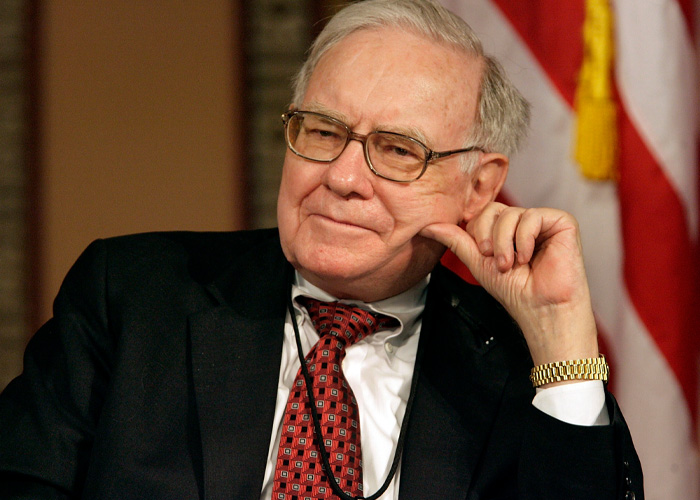
Buffett also addressed the situation, admitting he’s waiting for a major market drop instead of small dips
Despite recent declines across major indices like the Dow, S&P 500, and Nasdaq, Buffett has shown no urgency to invest Berkshire’s cash reserves.
He dismissed the recent market fall as “nothing to make you get excited,” making it clear that small dips of 5% or 6% are not enough for Berkshire to act, per a CNBC interview.

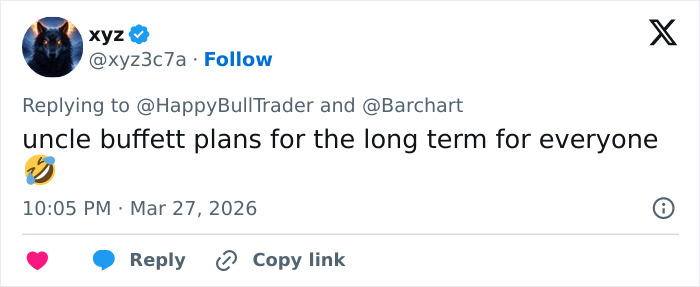
Buffett has repeatedly shared that the company waits for a “big decline” before making major investments, focusing on long-term opportunities rather than short-term movements.
He also compared modern stock trading to a “casino,” warning against reactive decisions and reinforcing Berkshire’s disciplined approach.
For now, instead of buying stocks, the company has been placing funds in short-term U.S. Treasury bills to stay liquid and ready for larger opportunities.
Instead of new deals, Berkshire has been buying back its own stocks while investors watch closely
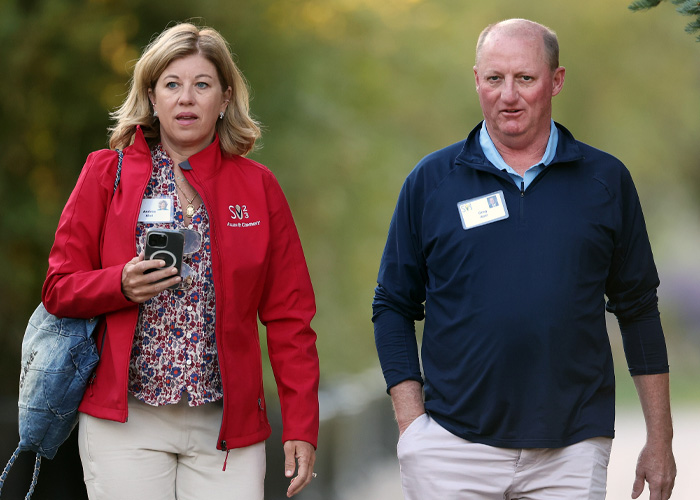
While holding back on external investments, Berkshire has shifted focus toward share buybacks under CEO Greg Abel.
In a rare move, the company disclosed the activity “in the interest of transparency,” marking its first buyback since May 2024.
In his first annual letter as CEO, Abel explained that repurchases allow shareholders to “own an incrementally larger piece of Berkshire’s business, without deploying any additional capital of their own.”

He also revealed that he personally bought $15.3 million worth of shares and plans to continue doing so annually.
“I’m committed to doing this every year going forward,” he said, describing the move as a sign of his “absolute alignment” with shareholders.
This strategy stands out even more given Berkshire’s track record. Past investments, such as its stake in Japanese trading houses in 2020, generated around $24 billion in gains.
Similarly, its stock purchases, including a $563 million investment in companies like Occidental Petroleum, Sirius XM, and VeriSign, have often pushed prices higher.

On the other hand, its sales can have the opposite effect. When Berkshire sold shares of DaVita in early 2025, the stock dropped more than 11% shortly after.
Due to these patterns, investors are closely watching the company’s current behavior.
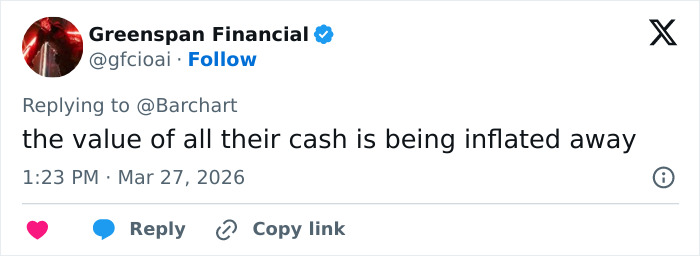
“The value of all their cash is being inflated away,” wrote one user