The UK is no longer considered to have "eliminated" measles according to global health officials.
The World Health Organisation (WHO) confirmed that measles transmission was "re-established" in the UK in 2024.
This follows a plateau in vaccination coverage and a surge in cases, with 3,681 recorded across the country this year.
From 2021 to 2023, the UK had previously held the status of having eliminated the disease.
Dr Vanessa Saliba, consultant epidemiologist at UK Health Security Agency (UKHSA), said: “Infections can return quickly when childhood vaccine uptake falls. Measles elimination is only possible if all eligible children receive two MMRV doses before school.
“Older children and adults who missed vaccination must be caught up.
“The NHS is making vaccination easier, including offering the second MMRV dose earlier at a new 18-month appointment to boost uptake and support elimination goals.”
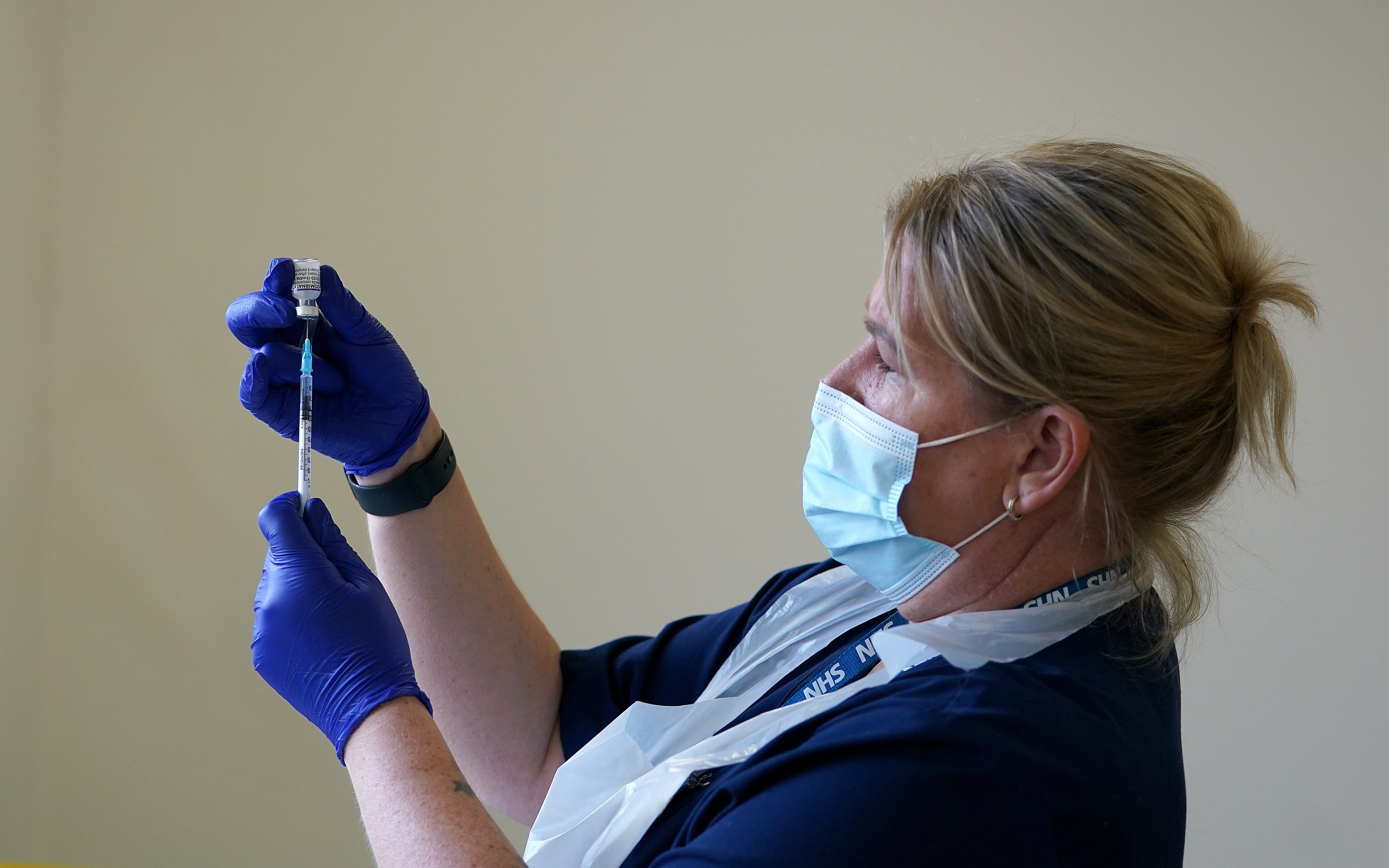
The latest figures for England from the UKHSA show that in 2024/25 some 91.9 per cent of five-year-olds had received one dose of the MMR (measles, mumps and rubella) vaccine, unchanged from 2023/24 and the lowest level since 2010/11.
And just 83.7 per cent of five-year-olds had received both MMR doses, down year-on-year from 83.9 per cent and the lowest level since 2009/10.
The WHO recommends at least 95 per cent of children should receive vaccine doses for each illness to achieve herd immunity.
What is measles?
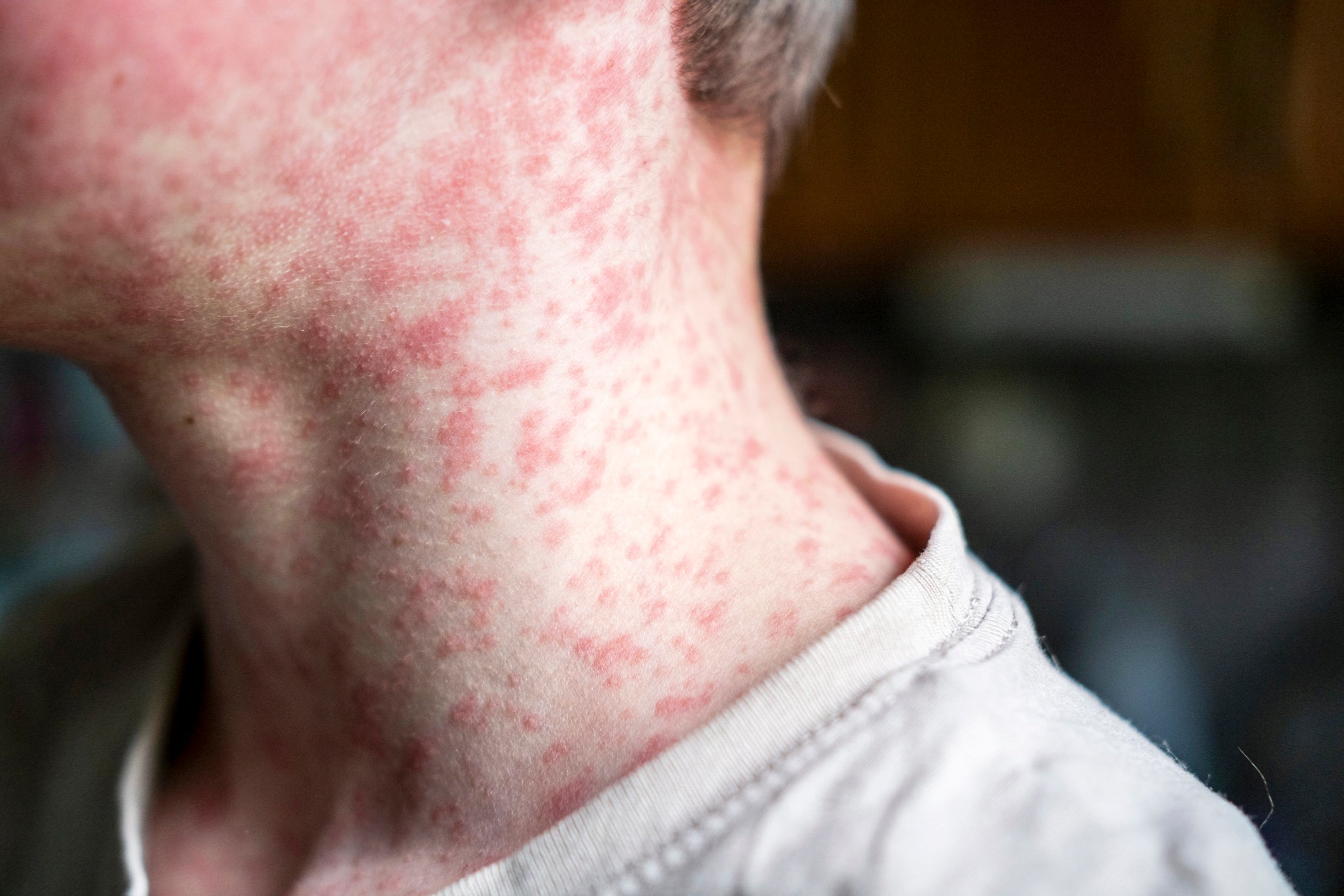
Measles is one of the most contagious diseases known to affect humans. In fact, every person with measles can infect 12 to 18 others who are not immune.
The measles virus can survive in the air for two hours, so people can inhale the virus even after an infected person has left the room.
The signs and symptoms of measles usually start 7–14 days after exposure to the virus, and include rash, fever, a runny nose, cough and conjunctivitis.
The rash usually starts on the face or neck, and spreads over three days to eventually reach the hands and feet. On darker skin, the rash may be harder to see.
Complications from measles are common, and include ear infections, encephalitis (swelling of the brain), blindness and breathing problems or pneumonia. These complications are more likely in children.
Pregnant women are also at greater risk of serious complications, and measles can also cause preterm labour and stillbirth.
Even in people who recover from measles, a rare (and often fatal) brain condition can occur many years later, called subacute sclerosing panencephalitis.
The average amount parents are spending on vitamins for children
Signs your child is addicted to social media – as Lords back ban
The new supplements that claim to boost immunity and aid digestion
I’m a neurologist. Here’s how to boost your brain health each morning
I’m a parent, how worried should I be about AI?
The origin of ‘vibes’ and why they’re more important than ever