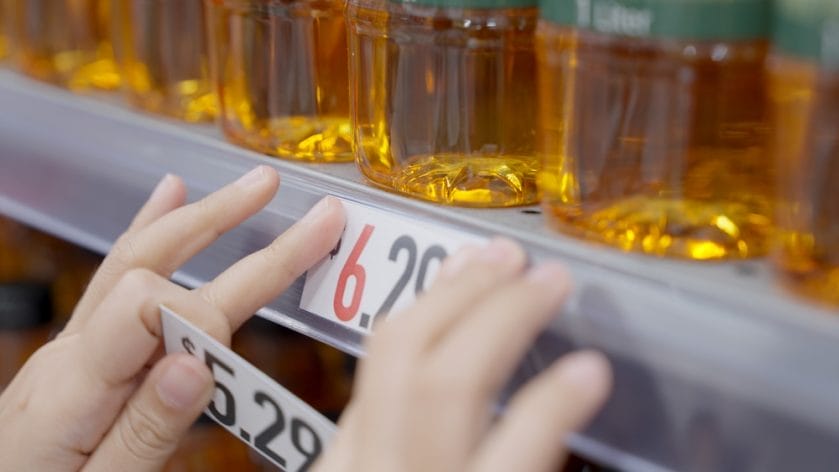
When your “normal” grocery run suddenly feels like a punch to the wallet, it’s hard to tell what’s happening. Sometimes prices rise because suppliers raise costs, trucking gets more expensive, or a seasonal shortage hits. Other times, the increases feel oddly targeted, like the store knows you’ll pay anything for milk, eggs, and toilet paper. The frustrating part is that the most important items are the hardest to skip, so even small markups add up fast. If you’ve been wondering whether your local store is crossing the line, there are a few patterns that can help you spot it. These four signs won’t turn you into an economist, but they will help you shop smarter and protect your budget.
1. Price Gouging Shows Up In Essentials First
The biggest red flag is when basic staples jump dramatically while nonessential items barely change. Think of things people buy no matter what: eggs, bread, infant formula, basic soap, and store-brand rice. If those prices spike quickly and stay high even after the “reason” passes, it can signal the store is pushing margins where shoppers have the least flexibility. You might notice that snack foods and specialty items still run big promotions, but the essentials never do. When price gouging is happening, it often hides in the items you toss in the cart without checking.
2. The Store Quietly Shrinks Package Sizes
Sometimes the shelf price looks only slightly higher, but the package gets smaller, so you’re paying more per ounce. This can happen when “family size” becomes “value size,” or when a 16-ounce product becomes 14 ounces with the same-looking label. Stores also use shelf tags that are easy to misread, so the unit price is the clue that tells the truth. If you see sudden shifts where a lot of basics have smaller packages at higher unit prices, that’s a pattern worth tracking. Price gouging doesn’t always look like a huge price jump—it can look like stealthy shrinkflation that keeps repeating.
3. The Unit Price Is Way Out Of Line With Nearby Stores
You don’t need to drive across town every day, but a quick comparison can tell you a lot. Check the unit price on a few basics and compare it to a big-box store, a discount grocer, or even another branch of the same chain in a different neighborhood. If your local store is consistently higher by a wide margin on the same items, that’s not just “inflation,” it’s a local pricing strategy. This is especially suspicious when the store’s promotions don’t meaningfully lower the unit price, even when they advertise “deals.” If price gouging is happening, it often shows up as a persistent gap, not a one-week blip.
4. The “Sale” Price Looks Like A Regular Price Everywhere Else
A common trick is raising the base price and then calling a slightly lower price a “sale,” which makes shoppers feel like they’re winning. Look at the shelf tag carefully and ask yourself whether the sale price is still high compared to what you’ve paid before. Another clue is when the store runs constant “buy 2, save $1” promos on items that used to be reasonably priced without a deal. If the only way to get a fair price is to buy more than you need, that’s a problem for budgets and food waste. Price gouging can hide behind flashy tags that create urgency without creating real value.
How To Protect Your Budget When Prices Feel Off
Start by tracking five to ten staples you buy all the time and write down the unit prices for your main store. Use your store’s app to check prices online, because online listings can make comparison shopping easier than walking aisles. If you find a consistent gap, shift your “basics” shopping to a cheaper store and keep your local store for quick fill-in trips. Lean harder on store brands, but still compare unit prices, because store brands aren’t always the cheapest anymore. When price gouging seems likely, your best defense is a simple routine: compare, switch stores for staples, and refuse to buy inflated “convenience” items.
When It’s Worth Reporting Or Speaking Up
If you suspect illegal behavior, reporting can matter, especially during declared emergencies when price rules may be stricter. Save receipts, take photos of shelf tags, and keep notes about dates, because specifics help more than frustration does. You can also ask a manager calmly about a price discrepancy, because sometimes errors happen, and a correction can save you real money. If you shop at a chain, contacting customer service can sometimes trigger a review of local pricing. The point isn’t to start a fight—it’s to create a paper trail when basics are being priced unfairly.
A Smarter Way To Shop Basics In 2026
Prices are complicated, but your strategy doesn’t have to be. Watch your unit prices, compare across stores, and don’t let “sale” signs distract you from the actual cost per ounce. Build a staples list, rotate which store gets your basics, and stock up only when the unit price is genuinely low. If your local store seems to be testing what shoppers will tolerate, the fastest way to push back is to move your essentials spending elsewhere. That’s how you keep your grocery budget steady even when the shelf tags feel like they’re playing games.
Have you noticed a basic item at your local store that feels wildly overpriced, and what was it?
What to Read Next…
Why Checking Unit Pricing Could Save You More Than a Coupon
Warning These 6 Grocery Staples Are About to Spike in Price
8 Apps That Help You Compare Grocery Prices in Real Time
Did Retailers Raise Prices Before Discounts to Make Sales Look Bigger?
5 Shopping Secrets for Families Living on a Tight Budget in 2026
The post Warning 4 Signs Your Local Store Is Price Gouging on Basics appeared first on Grocery Coupon Guide.