Libya is not in a position to confront the coronavirus if it arrives, the head of its disease control center said on Thursday, calling for greater support to prepare the war-stricken country's health system for the disease.
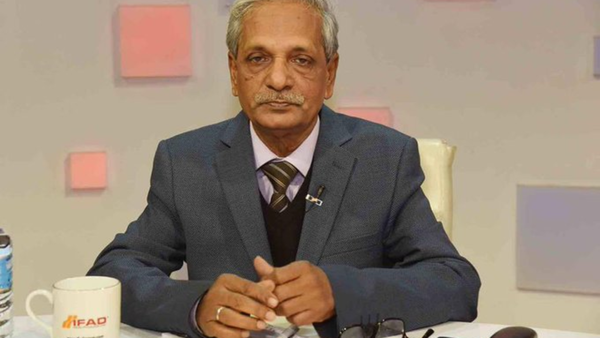
No cases of the disease have yet been confirmed in Libya and the country is screening international arrivals through ports and airports, said Badereldine Al-Najar, head of the National Center for Disease Control, in an interview with Reuters.
However, the country lacks adequate isolation, quarantine and treatment facilities, he said, blaming a lack of money.
"As long as we are ready and we have adequate isolation rooms and quarantine, we can reduce the spread of the virus and thus reduce the damage in relation to the virus," he said.
"In Libya, despite our communication with the concerned authorities and all officials, so far our preparations are still very weak regarding the isolation rooms.
"In light of the lack of preparations, I now consider Libya not in a position to confront this virus," he added.
Libya has been torn apart by waves of fighting since the 2011 revolution that ousted Muammar Gaddafi, fragmenting the country into areas controlled by warring factions.
Since 2014, most territory has been split between the internationally recognized, Tripoli-based, Government of National Accord (GNA) and a parallel government based in Benghazi.
The disease control center is one of the few state bodies that still operate across the country, working with the health departments in each of the two rival governments.
Elizabeth Hoff, Libya country director for the World Health Organization, said it was doing a "commendable" job but faced great difficulties.
"When it comes to the possibility to respond, this is a higher risk country because it is a weak and fragmented health system due to the conflict," she said.
"The equipment - ventilators and so on - are lacking in many hospitals. There's a lack of doctors and nurses in the towns and in the countryside," she said.
The political fragmentation and violence meant that Libya did not have the means to impose control measures to prevent the disease spreading.
The poor, crowded living conditions of migrants and internally displaced people, as well as their potential susceptibility to disease from malnourishment, made them particularly vulnerable, she said.
(Reporting By Aimen Elsahli in Tripoli and Angus McDowall in Tunis, writing by Angus McDowall; Editing by Kirsten Donovan)