Kasama, Ibaraki Prefecture, was once home to the Tsukuba Naval Air Corps, which included one of the suicide attack squads that formed at the end of World War II. Although it served as a school and hospital after the war, the site's wealth of wartime remains brought it back into the spotlight when it was used as a filming location for "The Eternal Zero." Mt. Tsukuba can even be seen from the grounds.
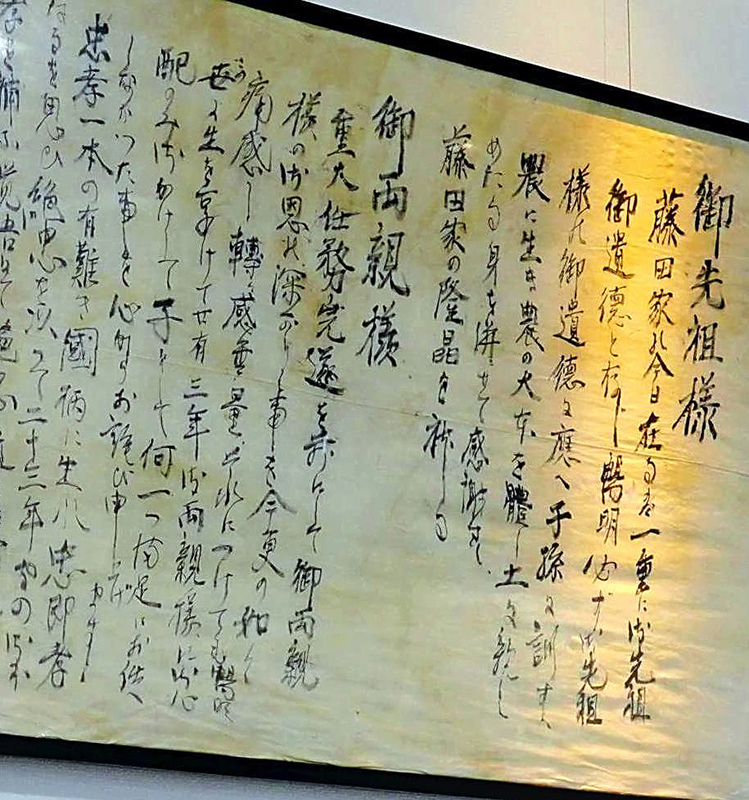
The Tsukuba Naval Air Corps Museum, which has a collection of about 2,000 items donated by former corps members and their families, has about 150 items, including the last wills and testaments written by members of the squad, on display.
The Tsukuba Naval Air Corps was created in 1934 to be the Tomobe branch unit of the Kasumigaura Naval Air Corps. Initially it was a training unit for fighter pilots, but was made an independent air corps in 1938. After World War II broke out it became more of an operational unit, receiving deployments of Zero fighters and other aircraft. Many young men left from here on suicide attack missions -- from which they never returned.
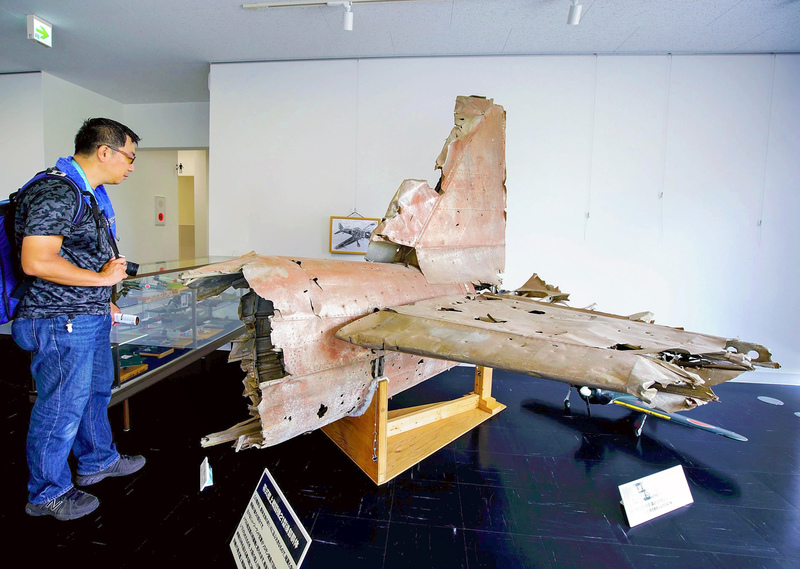
One of the museum's most notable displays is the body of a Zero that was recovered in the Solomon Islands in the South Pacific.
Group photos of tense-looking squad members, a squad member's will addressed to his family written on a scarf, and other items pull at the heartstrings. The displays bring to mind the squad members who once lived here but gave up their lives for suicide missions.
There is much war heritage to see around the museum. Still standing next to the museum are an old command building, drill platform and monument dedicated to corps members who died.
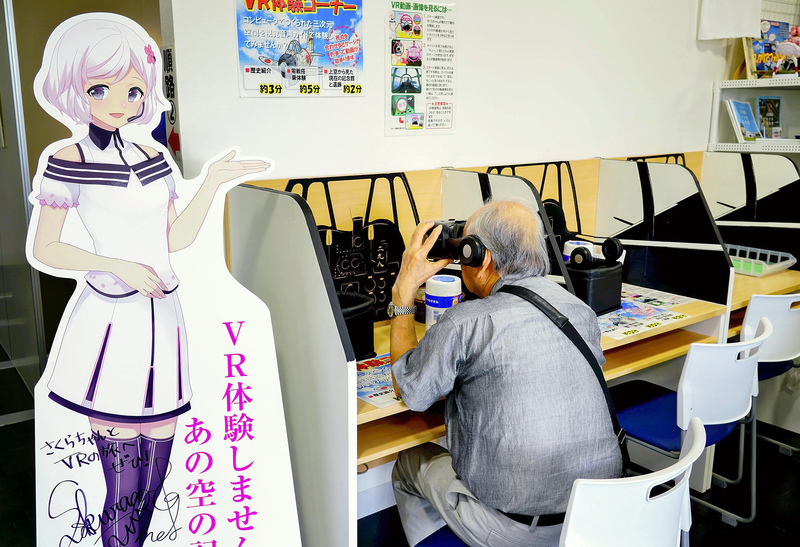
One former corps member who visited the museum was surprised to find that it "hadn't changed a bit."
The triangle-shaped runway, unusual at the time, is used as a public road nearby, allowing visitors to walk the grounds to see how much things have changed compared to the aerial photographs on display at the museum.
Nearby are an underground concrete combat information center and emergency clinic, though neither are open to the public. There is also a 120-centimeter-wide tunnel that runs for more than 2 kilometers, believed to have been used as an emergency evacuation route.
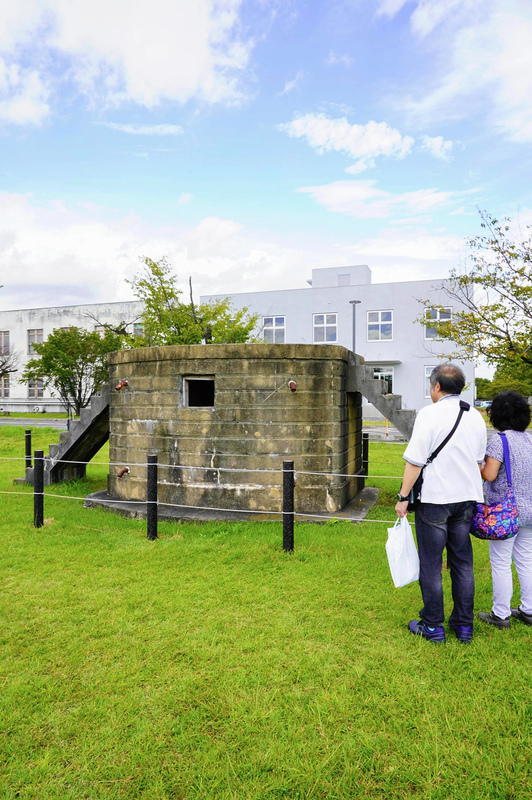
"One of the great things about the museum's wartime remains is that you can see the same scenery that the corps members did, which gives you a feel for the atmosphere of the time," said museum Director Daisuke Kanazawa, 48.
-- Tsukuba Naval Air Corps Museum
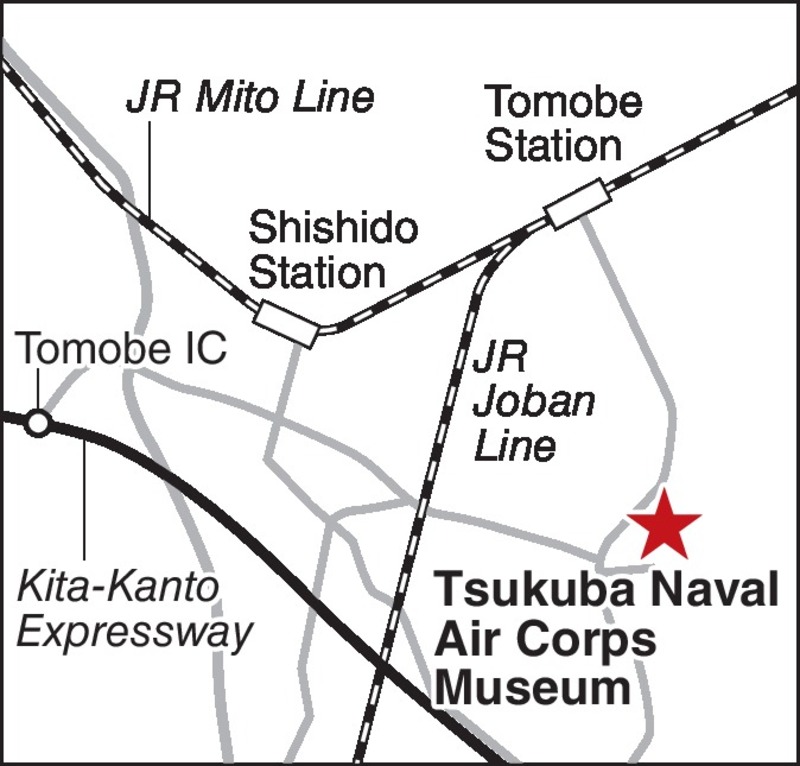
The museum opened in the old command building in December 2013 after the site was used as a filming location for "The Eternal Zero," which tells the story of a Zero pilot. The building next door opened in June after being renovated. The museum is a 10-minute drive from Tomobe Station on the JR Joban Line, or a 10-minute drive from the Tomobe Interchange on the Kita-Kanto Expressway
Address: 654 Asahimachi, Kasama, Ibaraki Prefecture
Open: 9 a.m. to 5 p.m. (last admission 4 p.m., closed Tuesdays and around New Year's)
Admission: Adults (18 and older) 500, yen elementary school children and older 300 yen
Inquiries: (0296) 73-5777
Read more from The Japan News at https://japannews.yomiuri.co.jp/




.jpg?w=600)