War blossoms into art: Ori Gersht at the Imperial War Museum – in pictures
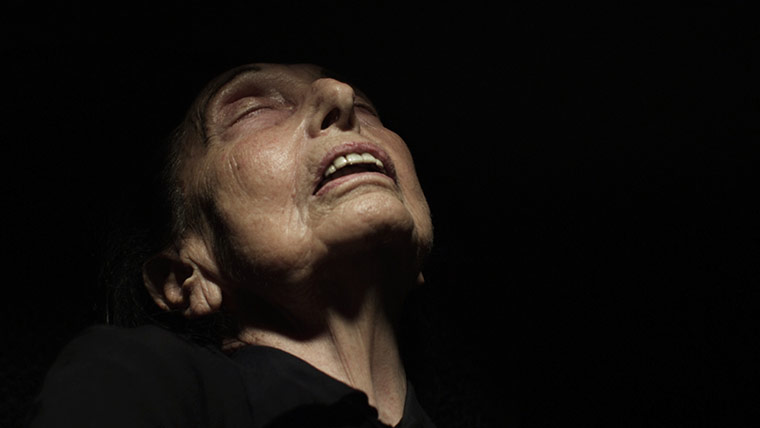
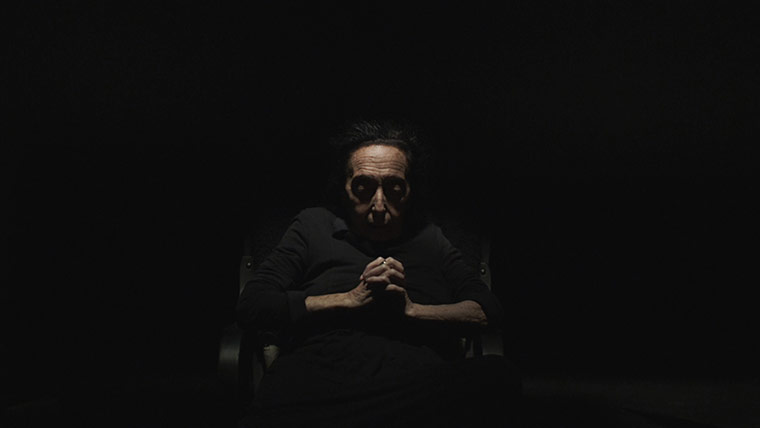
Will You Dance for Me depicts an 85-year-old dancer rocking back and forth in a chair as she recounts her experiences as a young woman in AuschwitzPhotograph: Ori Gersht, courtesy of Mummery + Schnelle GalleryA still from Will You Dance for Me. The woman's punishment for refusing to dance at an SS officer’s party was to stand barefoot in the snow. She pledged that if she survived she would dedicate her life to dance Photograph: Ori Gersht, courtesy of Mummery + Schnelle GalleryA still from Will You Dance for MePhotograph: Ori Gersht, courtesy of Mummery + Schnelle Gallery
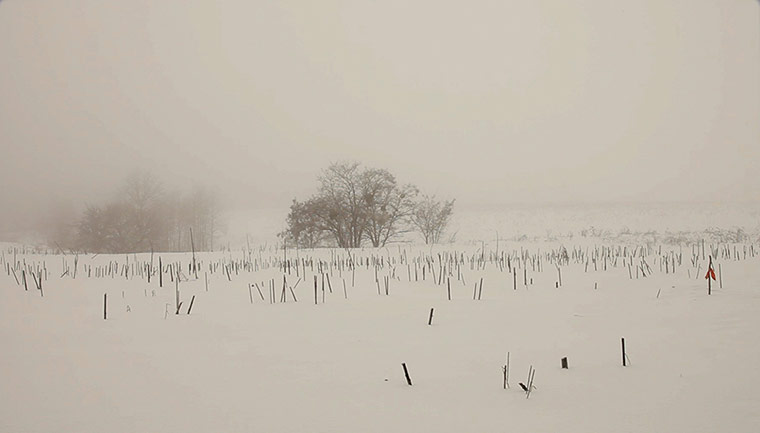
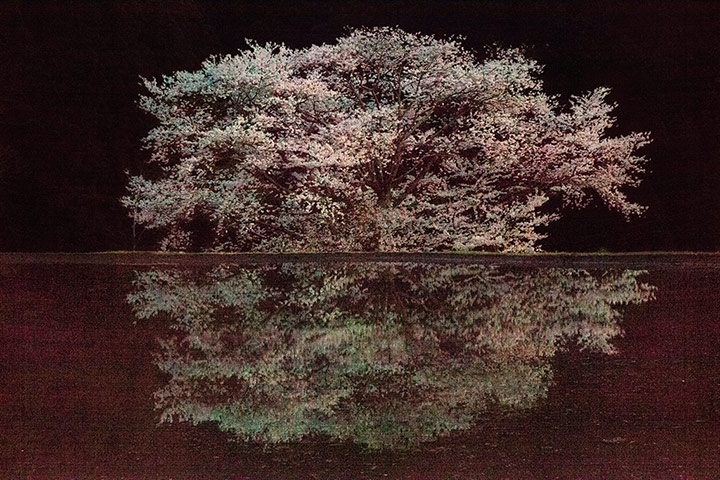
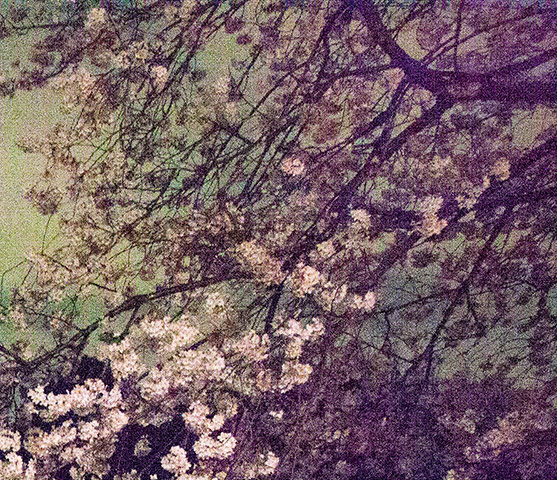
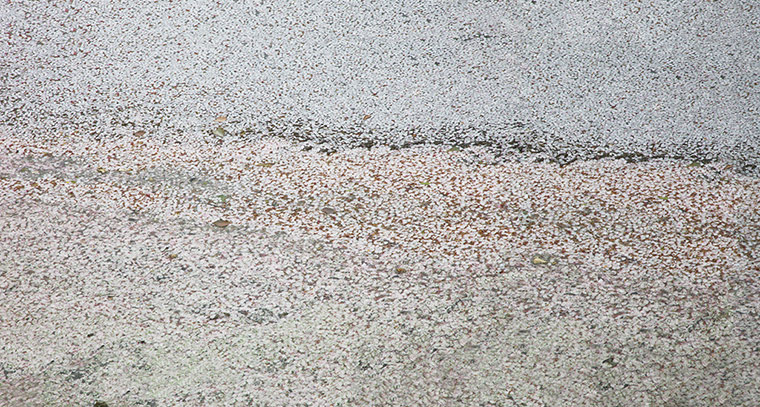
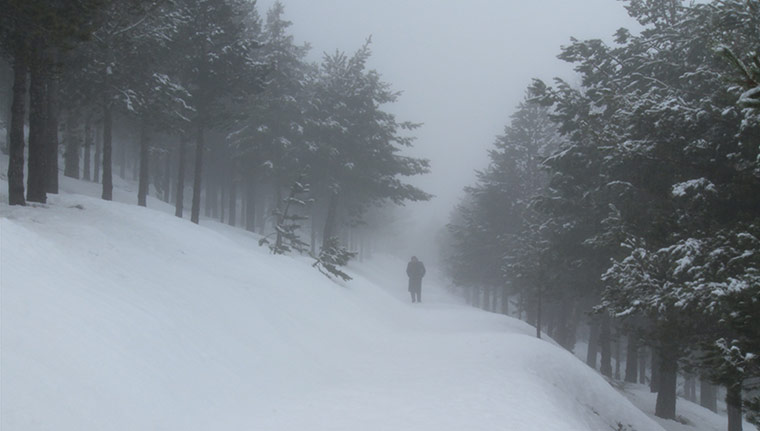
A still from Will You Dance for Me Photograph: Ori Gersht, courtesy of Mummery + Schnelle GalleryAgainst the Tide: Isolated from the photographic work Chasing Good Fortune. This work examines the shifting symbolism of Japanese cherry blossoms, which came to be linked with Kamikaze soldiers during the second world warPhotograph: Ori Gersht, courtesy of Mummery + Schnelle GallerySpeck from Chasing Good FortunePhotograph: Ori Gersht, courtesy of Mummery + Schnelle GalleryTokyo Imperial Memories: Floating Petals from Chasing Good FortunePhotograph: Ori Gersht, courtesy of Mummery + Schnelle GalleryStill from Evaders, a two-screen film which explores the mountainous path of the Lister Route, used by many to escape Nazi-occupied FrancePhotograph: Ori Gersht, courtesy of Mummery + Schnelle GalleryThe film (Evaders) focuses on the ill-fated journey of Jewish writer and philosopher Walter BenjaminPhotograph: Ori Gersht, courtesy of Mummery + Schnelle GalleryA still from EvadersPhotograph: Ori Gersht, courtesy of Mummery + Schnelle GalleryAfter Midnight copyright Ori Gersht, courtesy of Mummery + Schnelle GalleryPhotograph: Ori Gersht, courtesy of Mummery + Schnelle Gallery
Sign up to read this article
Read news from 100’s of titles, curated specifically for you.