Since 2013, Vladimir Putin has argued that Ukrainians and Russians are “one people”. It’s an attempt to erase Ukrainian identity, part of an assault that has been ongoing for centuries.
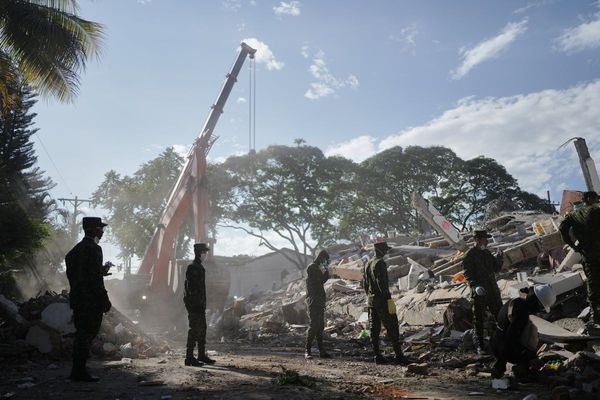
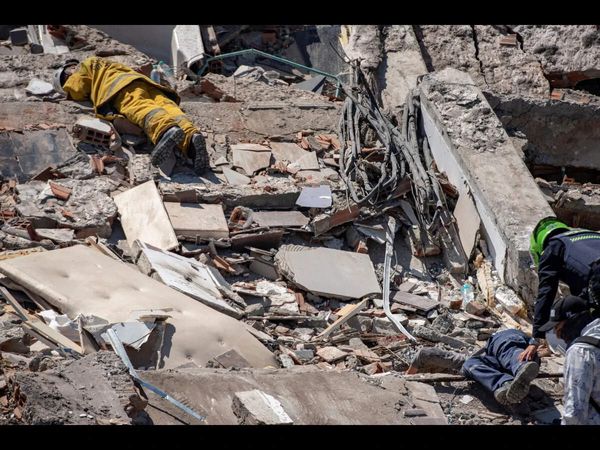
Since the full-scale invasion in 2022, Russia has regularly targeted Ukraine’s cultural institutions and publishing ecosystem. This summer alone, Russian attacks have destroyed nearly 10 million books, eliminating approximately 74% of Ukraine’s 2026 book output according to analysis by Chytomo, Ukraine’s largest digital media platform for books, publishing and culture.
Russia is weaponising language and culture as part of its “Russian World” (Russkii Mir) agenda. Originating in the 1990s, it is a deliberately flexible concept that encompasses a geopolitical justification for interventionist policies, an ideological basis for conservative forces and a platform for soft power strategies. However, Ukrainian resolve has hardened in the face of it, with national unity strengthened and an ongoing reversal of Russification through a linguistic shift from Russian to Ukrainian.
Ukrainian culture has flourished despite Russia’s military onslaught, serving as a shield against efforts to erase Ukrainian identity. An increased understanding of Ukrainian culture around the world can help sustain international support through a deepened appreciation of Europe’s largest country.
Measures to protect Ukrainian cultural heritage are in place, albeit with limitations. A basic international legal framework for protection of tangible and intangible cultural heritage during armed conflict is set up through Unesco’s cultural conventions.
Ukrainian literature in translation
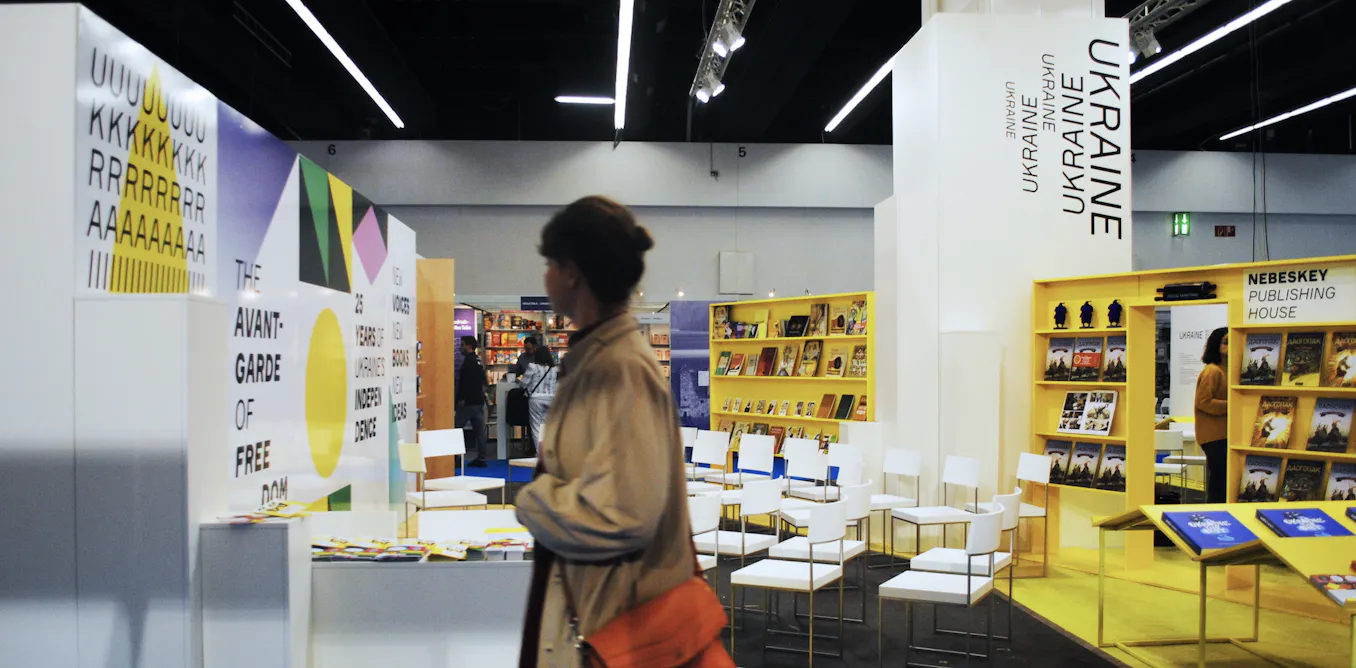
Bookstores and libraries around the world have begun to offer visible proof of Ukraine’s growing presence on the global stage on their shelves. However, there is still much work to be done to put Ukraine on people’s mental maps.
Olesya Khromeychuk, author, historian and director of the Ukrainian Institute London (UIL) stated in a recent newsletter, that when “politicians, journalists, and intellectuals place Europe’s largest country within Russia’s ‘sphere of influence’ in their minds, that has real-world consequences, as we continue to see”.
Khromeychuk, along with Uilleam Blacker, literary translator and scholar of Ukrainian and East European culture at UCL, launched The Ukraine Shelf podcast. The series features discussions with leading authors, scholars and journalists about what to read to understand Ukraine. Meanwhile the Chapter Ukraine campaign produces a growing list of recommended books translated into English (and several other languages, too).
Supporting circulation
International initiatives building the infrastructure needed for Ukrainian literature to circulate globally are underway. The government entity, the Ukrainian Book Institute (UBI) has five objectives that seek to: shape state policy in the book publishing sector; promote book reading in Ukraine; support the book industry; provide incentives for translations; and popularise Ukrainian literature abroad.
The UBI supports translation projects and maintains a catalogue of publications in all languages. Organised by language, the catalogue consists of all the publications in translation supported by grants from the institute. So far in 2026, 100 translations of Ukrainian books in 33 countries have been supported. To help address the global shortage of translators, the Translating Ukraine Alliance Council is an international initiative that supports the development of translators from Ukrainian into English.
The number of foreign publishers of Ukrainian writing is growing, with independent publishers leading the way. Arguably the most influential institutional publisher of Ukrainian literature in translation in North America is HURI Books, which releases scholarship in the field of Ukrainian studies as well as Ukrainian literature.
The Ukrainian Book Challenge is a campaign initiated by HURI Books, aiming to build a global community of readers. Readers are encouraged to buy one book in English about Ukraine, or from Ukraine, once a year and post a photo on social media with #UkrainianBookChallenge. Then, they’re asked to tag five friends and invite them to purchase a Ukrainian book for their shelf, community, a school or a public library.
In doing so, people support Ukraine by learning more about its culture, spotlight publishers and help to add Ukraine to the bookshelves of world literature.
As Kotsyuba stated on the Ukrainian Book Challenge website: “Every book sold is a vote for Ukrainian culture, because what Russia’s war on Ukraine is really about is eradicating Ukrainian culture and erasing Ukrainian identity as a result.”
Publishers need hard sales data to commit to investing in Ukrainian literature. Ultimately, one book and one post once a year helps support that – but it also brings Ukraine onto the global stage not simply as a country under attack by Russia, but as a country with a rich and ancient cultural heritage.
This article was originally published on The Conversation. Read the original article.