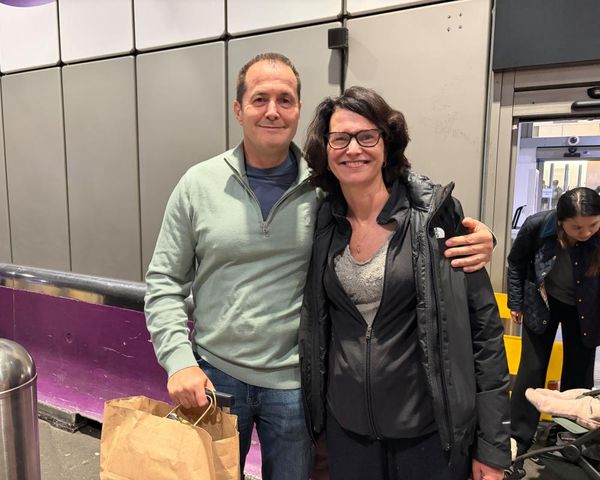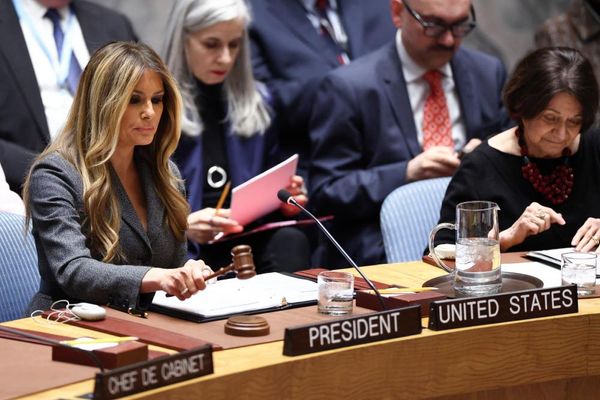
Name: Andrew.
Age: 54.
Appearance: White, well-to-do.
Occupation: Chief executive.
Very nice. Of which company? GlaxoSmithKline, Gala Coral Group, Whitbread, Capita, John Lewis, the Pentland Group, Acromas Holdings and BHP Billiton.
Cripes. That must keep him busy. What’s his surname? Witty, Hornby, Harrison, Parker, Street, Long, Goodsell and Mackenzie.
Ah. We’re talking about more than one Andrew here, aren’t we? We are. Eight Andrews, in fact. The name is so common among CEOs of Britain’s top 100 companies that just the men bearing it outnumber all the women (Alison, Melissa, Lindsey, Theresa, Anna and Veronique).
I thought it was Daves? I’m sure I read that the Daves were in charge? Or was it Johns? That’s of FTSE 100 companies, or the S&P 1500. In the spring it was revealed that 14 FTSE CEOs were named David or Dave and 17 were John or Jean, heavily outnumbering the list’s seven women. Meanwhile in the US, Johns led 5.3% of S&P 1500 companies, Daves 4.5%, and women 4.1%.
Right. So where did all these Andrews come from? They’re what you get if you start with a slightly different list, made of the 50 biggest FTSE companies combined with the UK’s 50 biggest privately owned ones.
Why would you do that? Because you’re an attention-seeking workwear manufacturer called Stormline and you want something to go to the press about.
Oh. Anyway, the point is that women are horribly outnumbered by men at the top of modern businesses – not just by Daves or Johns or Andrews specifically. The average CEO is also white and nearly 55.
Isn’t the real point that top executives and aspiring top executives are likely to be very experienced people and therefore have been born in the 1950s or 1960s, which means their careers, attitudes and names were mostly formed by the prevailing attitudes and gender roles of 40 years ago and therefore that this kind of inequality, though very undesirable, reflects more on the values of the past than on the values of the present, which should hopefully gradually improve the ratio of women to men in the decades to come? That might also be a point, yes.
Do say: “And still Andy Burnham can’t win!”
Don’t say: “As long as we don’t get a King Andrew, I’m happy.”