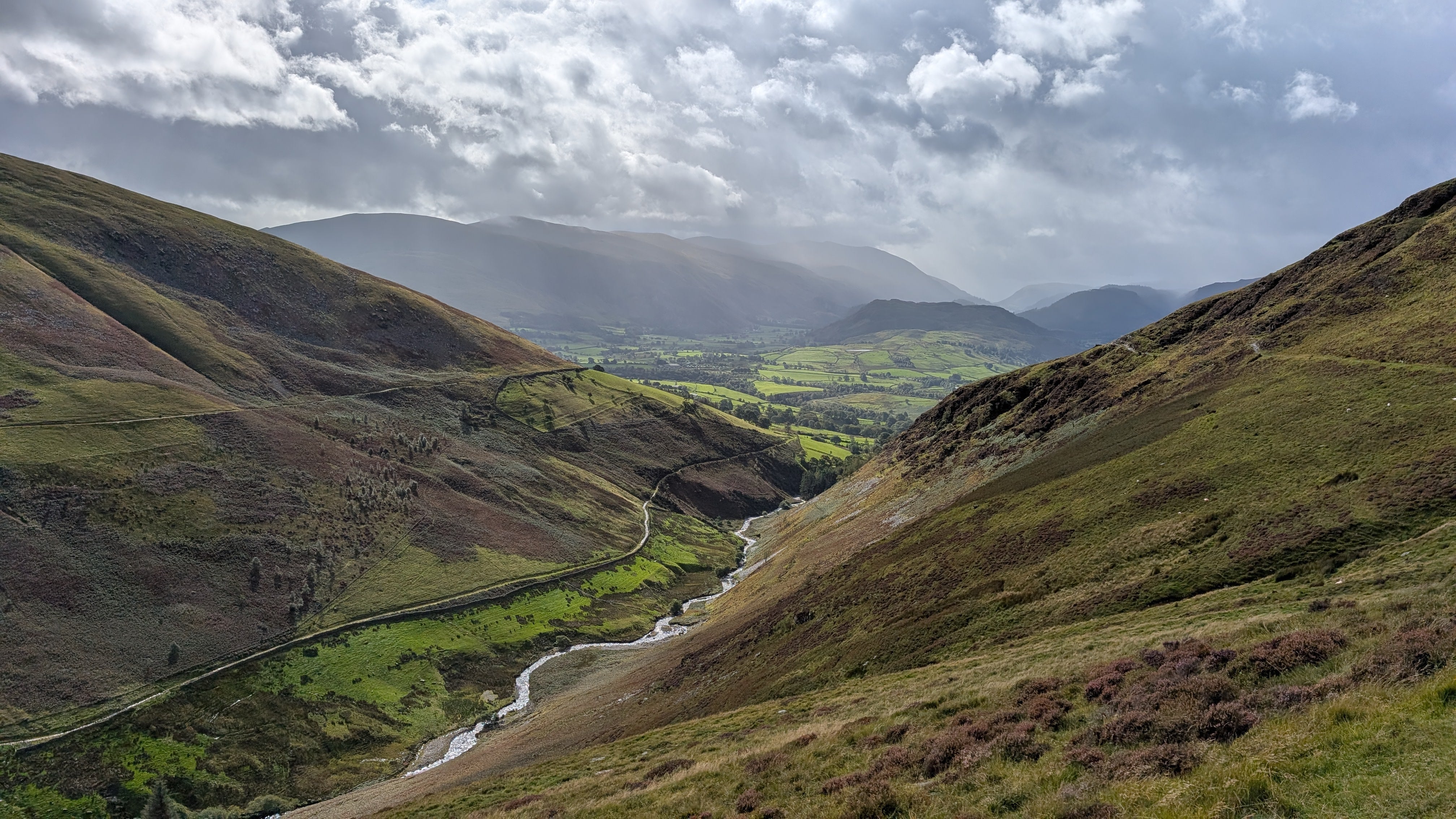
Spend a few days in the Lake District and you’re bound to experience two things: crowds, and rain. As I zigzag up the steep trail leading out of the U-shaped glacial valley of Mickledon, there’s no end to the supply of precipitation pelting me from all sides, but as for other people? They’re in short supply.
You might think that to experience Cumbria and the Lake District through the eyes of Wordsworth, who once wandered the region “lonely like a cloud”, you need a time machine to go back to the days before the National Park drew 18 million visitors a year. It turns out all you really need is to walk the Cumbria Way.
“You are more on your own,” says Cumbria Blue Badge guide Jeff Appleyard. Though Cumbria Tourism doesn’t hold numbers for specific routes, he tells me that this trail is quieter than the more popular Coast to Coast Path or Wainwright’s Way.
“It’s something that you have to look for.”
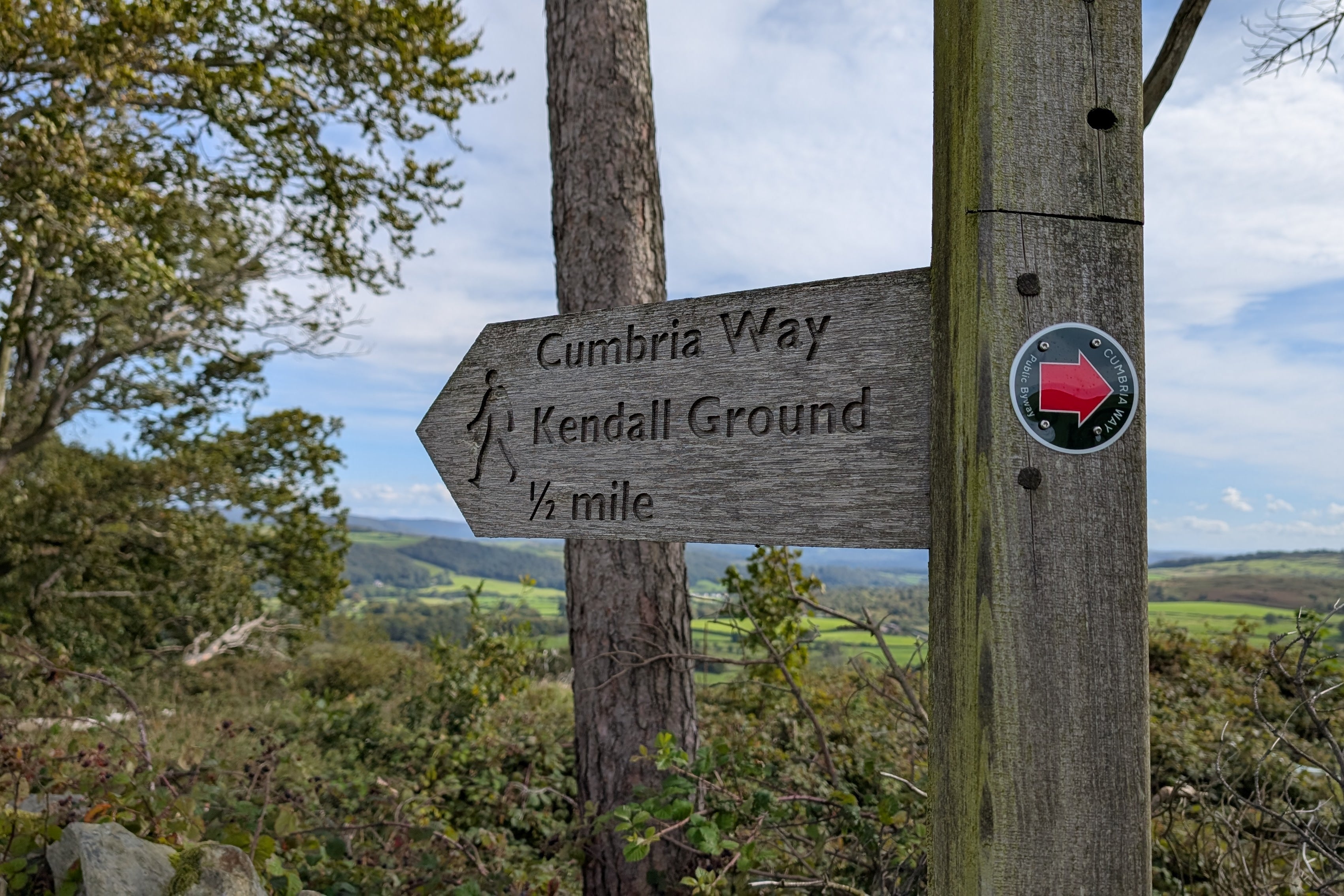
This 73-mile footpath, which stretches from the lively market town of Ulverston in the south to Carlisle in the north may lack crowds – on my busiest day I spot seven other hikers – and could use a few more waymarkers (I’m glad I’ve downloaded the GPX file onto my Garmin watch), but it has no shortage of beauty.
“It’s the most scenic walk I’ve done, by far,” says Teresa Williams, another Cumbria Blue Badge guide.
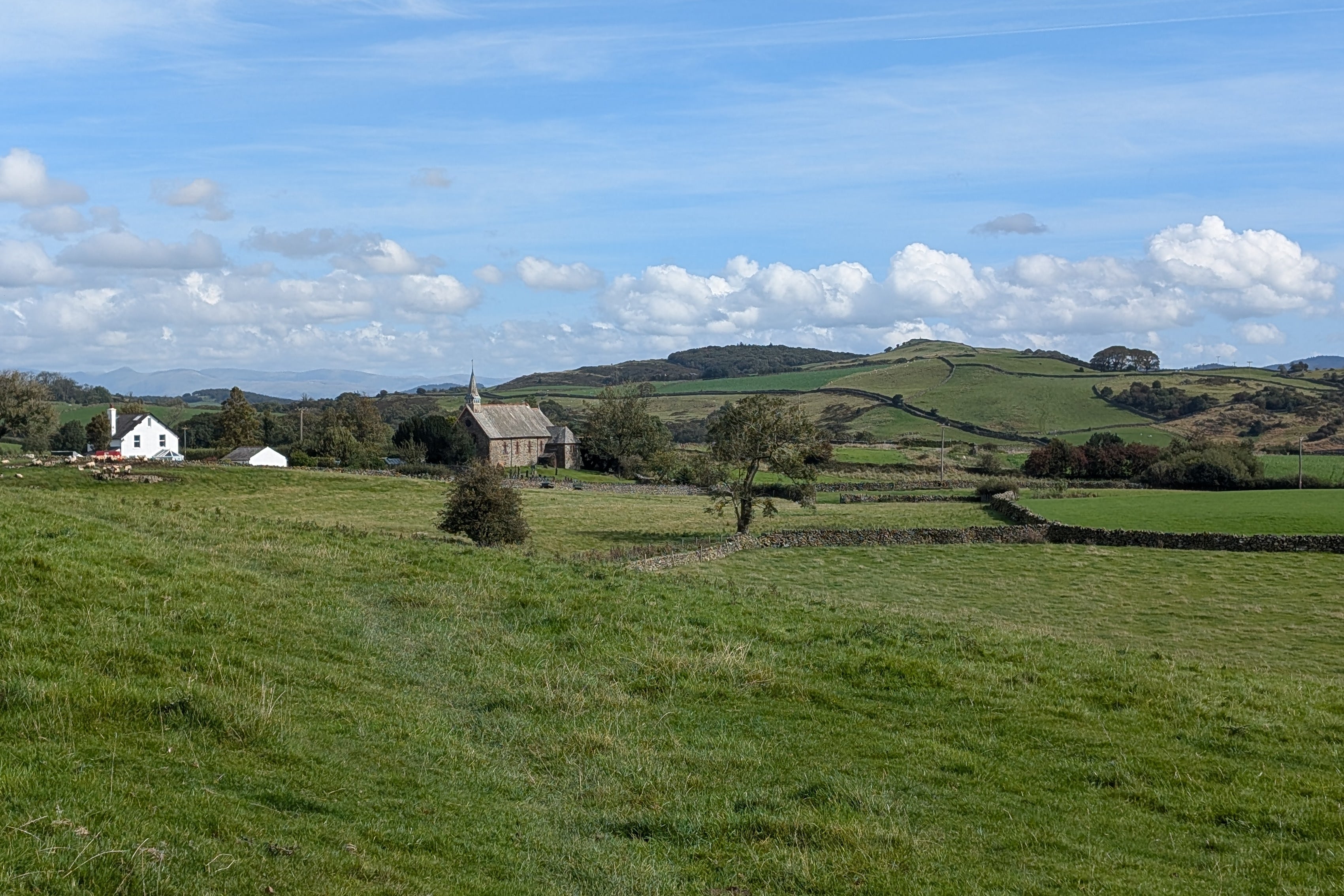
The Cumbria Way is short enough that it can be tackled in less than a week, and I’ve decided on the classic five-day approach. Setting out from Ulverston on what turns into a warm late summer day, I saunter across pretty pastures and shady woodlands, glancing back more than once for glimpses of the glittering Morecambe Bay estuary. Ahead of me, Blawith and Coniston Fells steadily become more prominent and I cool off with wild dips in tranquil Beacon Tarn and Coniston Water before a long lakeshore promenade that guides me into Coniston for the night.
The following day, a gentle approach into Great Langdale reveals quintessential Lake District scenery: precipitous fells, tumbling waterfalls and glassy lakes. I spend the night at the friendly New Dungeon Ghyll Hotel, a converted farmhouse crouched under the hulking Langdale Pikes before battening down the hatches of my waterproof gear to undertake the exposed climb up to Stake Pass, a watershed from where all streams flow either north to the Solway Coast or south to Morecambe Bay – including the one that’s temporarily replaced the hiking trail beneath my feet in the deluge.
Read more: Best hotels in the Lake District, reviewed by our experts
A dizzying descent drops me into rugged Langstrath next, a vast uninhabited valley that reminds me of Scotland’s Glencoe and eventually spits me out onto another lakeside walk along Derwentwater that turns into an enchanting exploration of one of England’s largest remaining patches of temperate rainforest, the mossy Borrowdale Oakwoods.
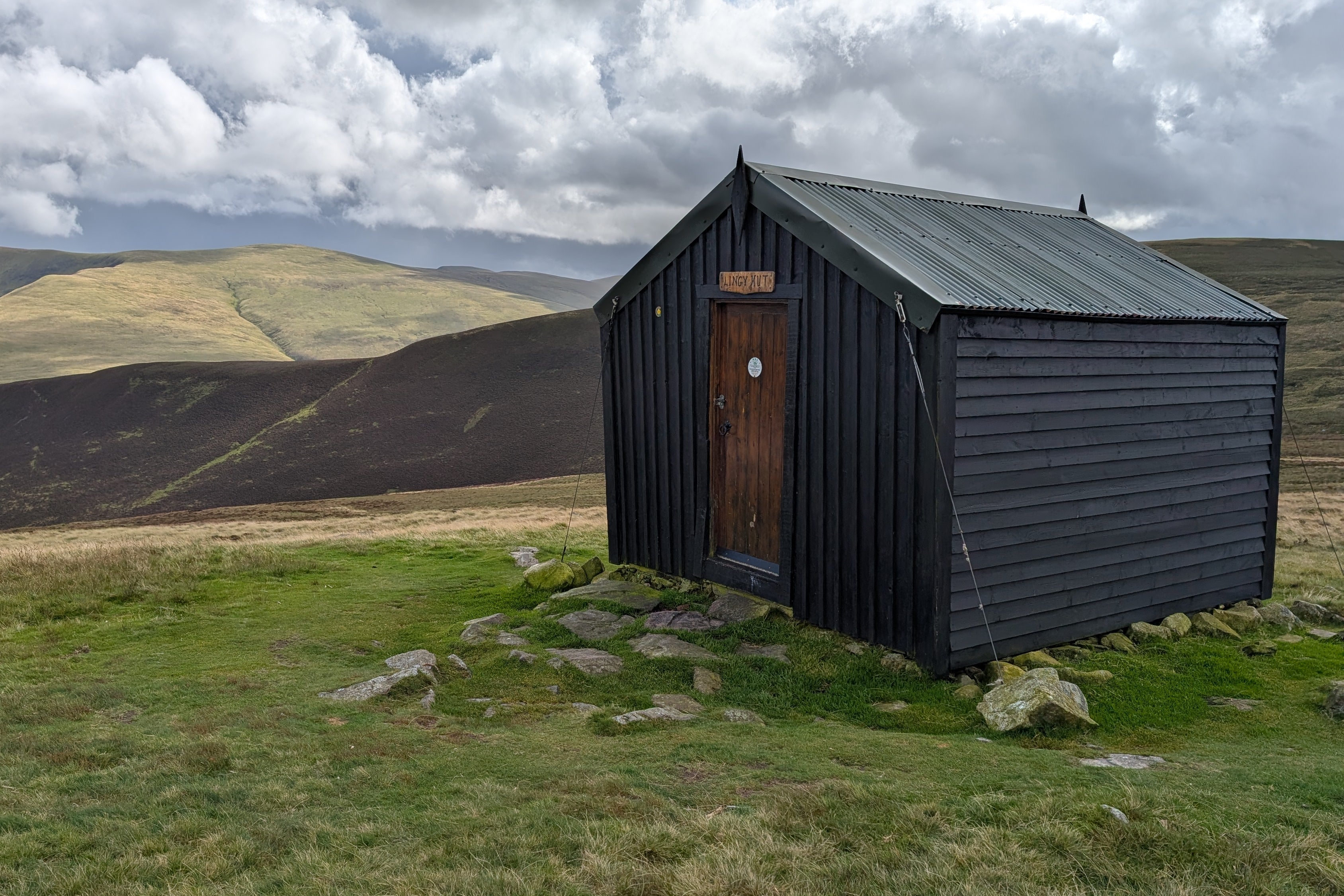
My favourite stretch of the Cumbria Way comes on day four. After a civilised start over a flat white and almond croissant at Yonder coffee shop in Keswick, I begin climbing again and soon the wide path gives way to an exhilarating tapered balcony track perched high on the walls of Glenderaterra valley, a geological marvel that’s barely been touched by humankind. It’s a long day with only my thoughts for company and it concludes with a rough and testing ascent past the remnants of Carrock Mine to reach the official summit of the trail, High Pike, which from 2,160ft delivers panoramic views of Skiddaw, the north Pennines and the hazy hills of Dumfries and Galloway beyond the pale glimmer of the Solway Firth.
Below me is the charming, tucked away village of Caldbeck reached by a surprisingly swift descent, and the wilderness that I’ve called home for the past few days quickly dissolves into a softer, greener landscape marking the beginning of the end of my journey.
Read more: This beautiful walking route inspired England’s most famous painting
“You’ve got a complete change of landscape,” says Appleyard. “It gives you a lot of variety, it’s not just all mountain hiking, and you’re seeing the whole of Cumbria.”
In spite of its quietude, the Cumbria Way is remarkably accessible. It took me just three hours to reach Ulverston from Glasgow via two trains with a stop in Lancaster. Anyone coming from London could make a similar journey, while direct trains from Manchester also exist, cutting down on complicated planning as well as congestion on Lake District roads.
The trail itself is well serviced with places to eat and sleep. I lodge at a variety of youth hostels, inns and one historic holiday let, and revive my spirits with comforting fare at cosy spots like the family run Flock In tearoom in Rosthwaite and cooperatively-owned Old Crown pub in Heskett Newmarket.
Lamentably, there’s no commemorative plinth marking the official end of the route, no statue with which I can take a celebratory selfie in Carlisle. This is something that could be remedied by extending your walk another half day to end at the coast of Bowness-on-Solway – but regardless, the linear path lends both a sense of excitement and achievement.
“Not covering the same ground, always looking forward, that was really attractive to me,” says Williams.
Uncomplicated and with just the right amount of challenge for avid hikers, the Cumbria Way provides the perfect tonic for busy modern life. More than just a change of scenery, it lifts you up out of the bustle and grind, gives you space to think, and gently sends you back to daily life exuding a little more vigour and lust than you left it with. Just don’t forget your rain gear.
Read more: This new walking trail is the best way to see the Lake District without a car