

If you want to encourage more buds to bloom this spring, you need to redirect your climbing roses to grow outwards rather than up. Our resident gardening expert, Orpheus Alexander, explains how encouraging roses to grow 'horizontally' can double their flowering potential.
"By training the stem horizontally, you encourage multiple flowering shoots instead of a single tall one," Orpheus tells us. "This simple change in direction tells the rose to slow down, branch out, and bloom."
Combine this with a timely expert-approved prune and your rose bush will thrive better than ever come spring.
Why training climbing roses horizontally encourages better blooms...
Training a climbing rose to grow sideways will reward you with more flowers all along the stem. "You will often hear that tying roses horizontally slows the sap," Orpheus explains. "In reality, the sap keeps flowing, but the change in angle alters hormone signals in the plant, which is why you get more flowers along the stem."
This simple yet transformative step can be the difference between an 'ok' rose bush display and an outstanding one. And fear not, because now is the best time to redirect your climbing plant, aligned with the best time to prune roses.
As Orpheus explains, "The best time to do this is December to February when you're giving it a prune. Remove any dead stems and tie in the healthy ones horizontally; you'll be amazed at how many flowers you get."
In a helpful video shared on his Instagram, Orpheus explains to his followers how to grow roses horizontally.
Gesturing to the trellis on the wall while he manoeuvres the rose stem into the horizontal position, he says, "What you want to do is tie your rose in an S-shape if possible. I like to use twine, I never use wires if I can help it because they just cut in (to the plant stem)."
"We're going to snake this thing up and bend it back the other way," he says while tying the stems to the trellis. "So because we've got these horizontal bits, the spa will slow, and we'll get more flowers. Do this for all of your climbing roses; they want to be horizontal, not vertical."
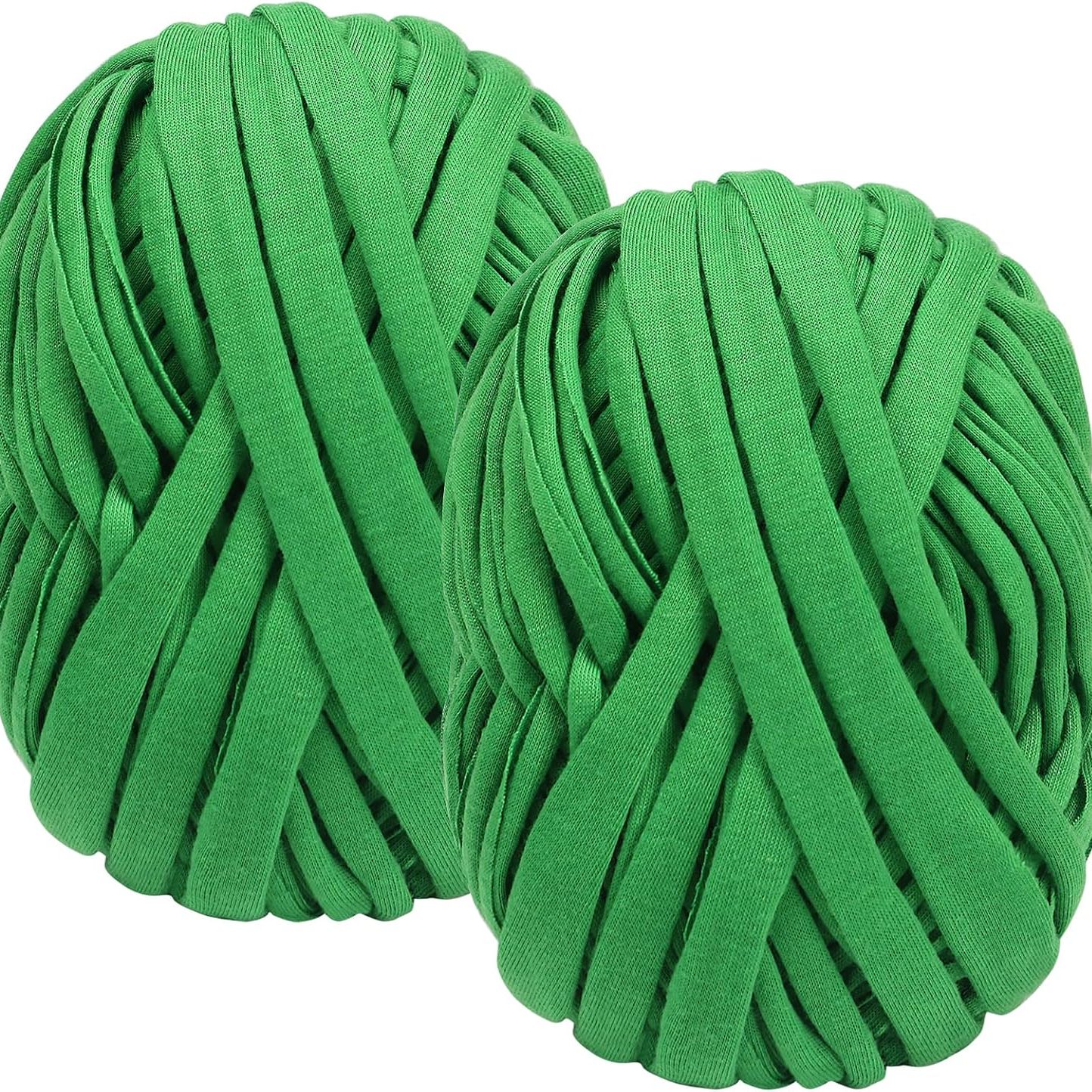
Orpheus confirms in his video that he prefers to avoid wire or harsh ties, instead he opts for twine similar to this soft, stretchy garden twine for training climbing plants.
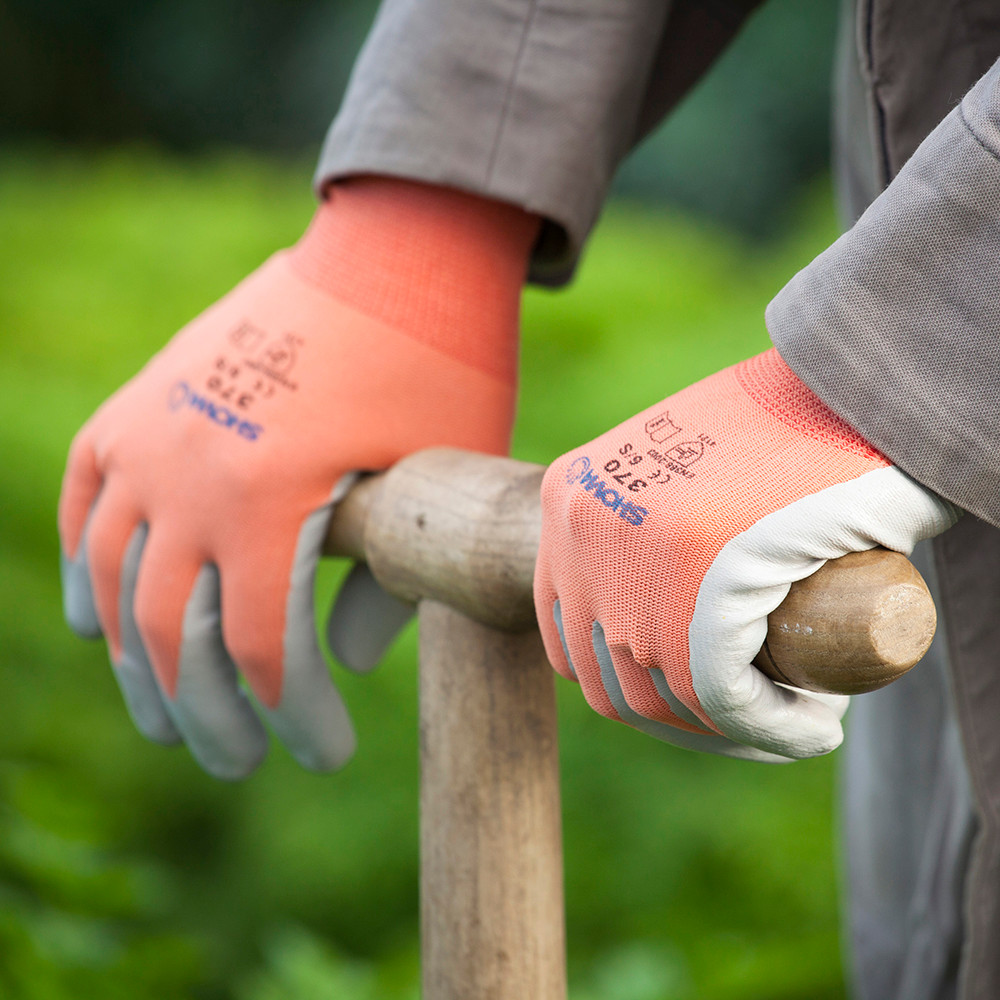
The clue is in the title, but these gloves are expert-approved by professional gardener Sarah Raven. They would certainly ensure your hands are protected against rose bush thorns and the like.

Dedicated 'high-performance' plant food is always a welcome way to encourage better health to aid with growth and development.
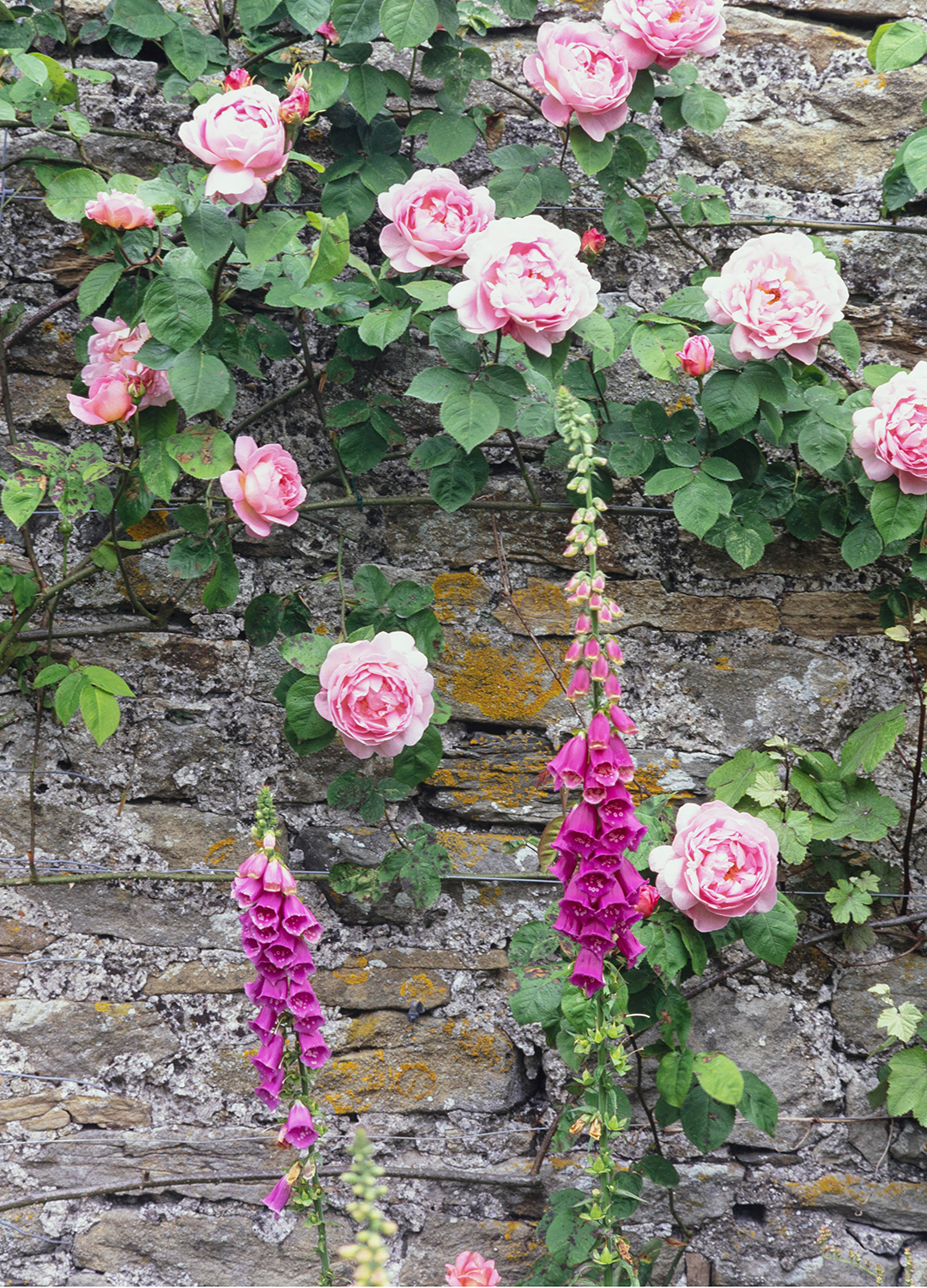
You can follow more of his expert gardening tutorials on the @womanandhome Instagram.
Do you have a budding garden design question or a planting problem you need help with? As our resident gardener, Orpheus is always happy to help with real-time gardening issues to help improve our plots.
I know this because last month I had a problem with sticky sap coating the leaves of my Bay tree. Orpheus immediately identified the problem as a scale insect (rather unpleasant), advising on a quick and efficient remedy. I'm happy to report the insects have gone, and my tree is thriving once more.
Comment in the section below if you would like help with a specific garden dilemma, and we'll put it to our expert.