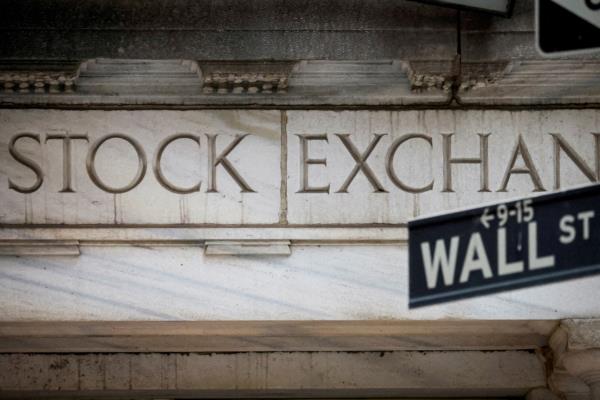
Wall Street's volatility index, known as the 'fear gauge,' has surged to its highest level in over five months due to concerns over a potential interest rate cut and escalating tensions in the Middle East.
The volatility index, also referred to as the VIX, measures market expectations for future volatility and is often seen as an indicator of investor sentiment and market risk. The recent spike in the VIX reflects growing uncertainty among investors.
One of the key factors contributing to the increase in market volatility is the Federal Reserve's upcoming decision on interest rates. Investors are closely watching for any signals from the Fed regarding a potential rate cut, which could impact stock prices and market stability.
In addition to the rate cut speculation, geopolitical tensions in the Middle East have added to market jitters. Recent events, including the U.S. airstrike that killed a top Iranian general and Iran's subsequent retaliation, have heightened concerns about potential disruptions to global oil supplies and broader geopolitical instability.
These factors have combined to push the VIX to its highest level since August, signaling heightened anxiety and uncertainty in the markets. The VIX is often used by investors as a gauge of market risk and can influence trading decisions and portfolio strategies.
Market analysts are closely monitoring the situation and advising investors to remain cautious amid the current market volatility. The coming days are expected to be crucial as investors await further developments on both the interest rate front and geopolitical tensions in the Middle East.