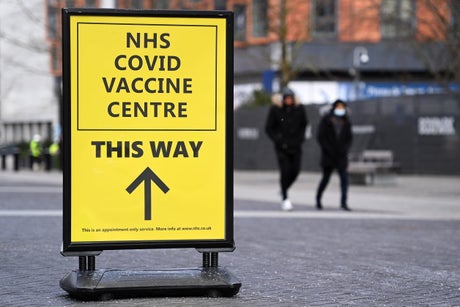
Vulnerable residents of Hampshire and the Isle of Wight are able to walk in to large-scale vaccination centres without an appointment from today as part of a trial seeking to increase vaccination uptake.
Four trial walk-in centres are set to run across the seven day trial between the hours of 12.30pm and 3:30pm, with sessions open to those over 64, the clinically extremely vulnerable, and adults in receipt of Carer’s Allowance - all groups that are currently top of the priority list for immunisation in the UK.
It comes as the government expands its vaccination programme to offer jabs to all people with learning difficulties. As of 23 February 18,242,873 people have received at least one dose of a vaccine - making up just over a quarter of the UK population.
David Noyes, Chief Operating Officer at Solent NHS Trust, said: “We know that the vaccination programme is our way out of this pandemic.
“Opening the walk-in appointments at the four large-scale vaccination centres for this group of people will help us to vaccinate even more people with the highest need quicker.”
To use the trial service, those from the three eligible groups must arrive at one of the centres with proof of eligibility such as a shielding letter from the government or photo identification including date of birth.
“We are delighted to be able to offer this service for a trial period,” said Mr Noyes. “Eligible people can now choose to either walk-in, or pre-book appointments by visiting www.nhs.uk/covid-vaccination, where they can choose a time slot and location that suits them, or they can call 119 free of charge, anytime between 7am and 11pm, seven days a week.”
Earlier in the month some 820,000 people were moved up the priority list after they were identified as being particularly vulnerable to the virus.
The newly recognised vulnerable members of the public were designated as being more susceptible under a model that used the medical records of more than 8 million people and considered the characteristics of patients who died or suffered severe infections during the first wave of the pandemic.
The new model, developed by Oxford University, combines factors including underlying conditions, age, sex, ethnicity, body mass index and the deprivation of a patient’s local area.
Vaccine uptake in the UK has been high, with 93 per cent of over 75s receiving their first jab but doctors have called for extra efforts amongst ethnic minorities and poorer areas of the country.
“We recognise that some groups feel more hesitant about getting a jab,” said Vaccine Deployment Minister Nadhim Zahawi earlier this month, “or have more barriers, both physical and mental, preventing them from accessing one when it’s offered”.