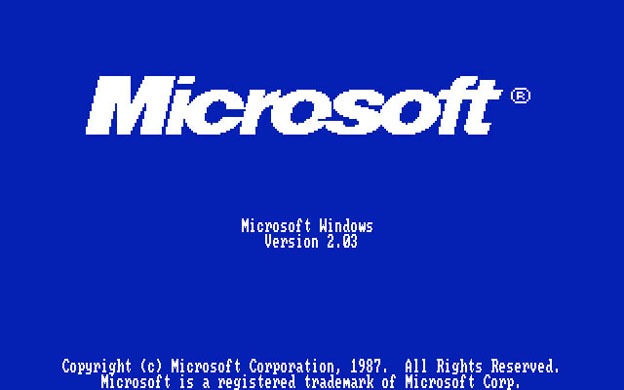
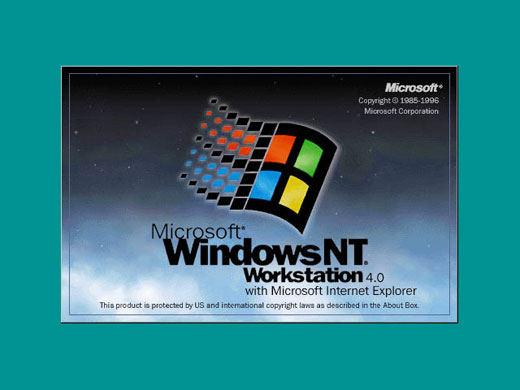
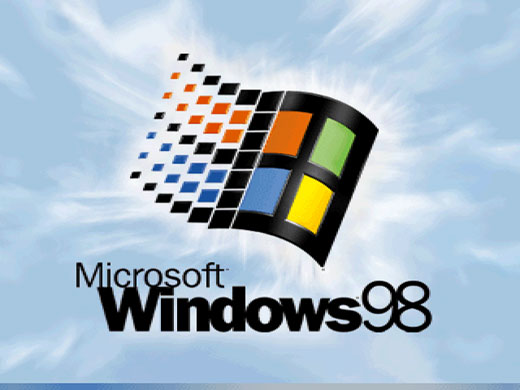
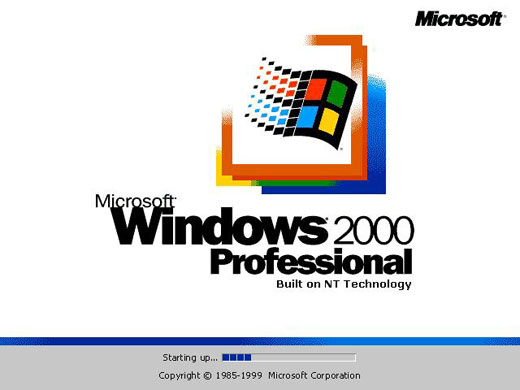
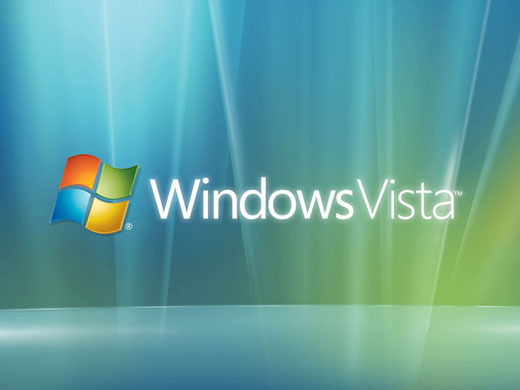
The original Windows loading screen, from version 1.01 back in 1985. It ran on top of MS-DOS, the operating system that made Microsoft's first fortune - but wasn't smooth enough to see off rivals such as GEMPhotograph: MicrosoftIn 1987, as the second version of Windows (still based on MS-DOS) loads up, it shows off a shiny, thrusting new Microsoft logo: the one that we all know and... well, know. Though it was an improvement on the first version - the interface was natty enough to attract a lawsuit from Apple - most onlookers still assumed that it was nowhere near as important as ... Photograph: Microsoft... OS/2, the powerful business operating system developed by IBM and Microsoft, with which IBM planned to regain control of the PC market from pesky generic MS-DOS machines. But that idea was much more attractive to Big Blue than to its customers, so instead it was blindsided by...Photograph: IBM
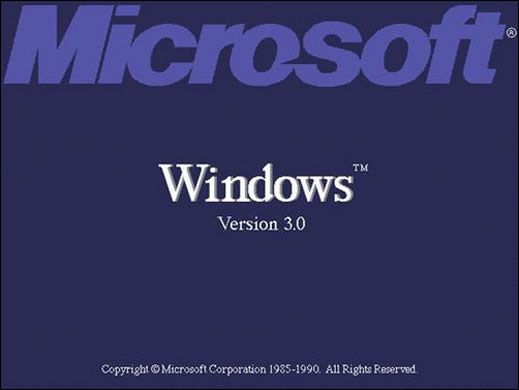
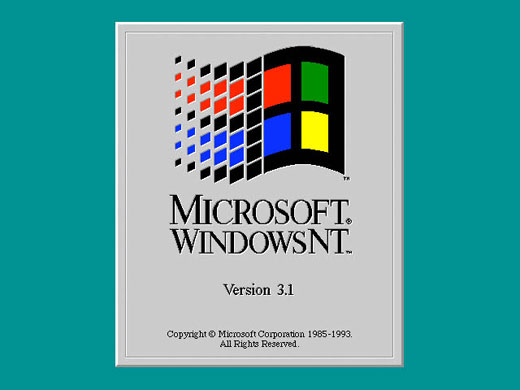
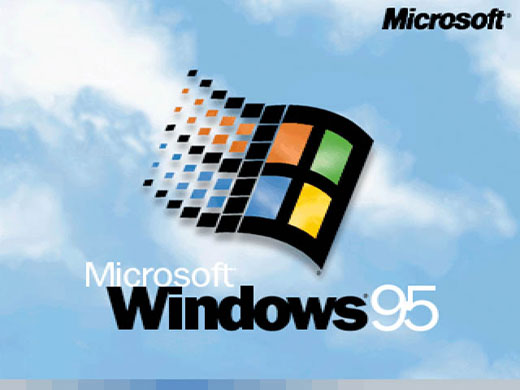
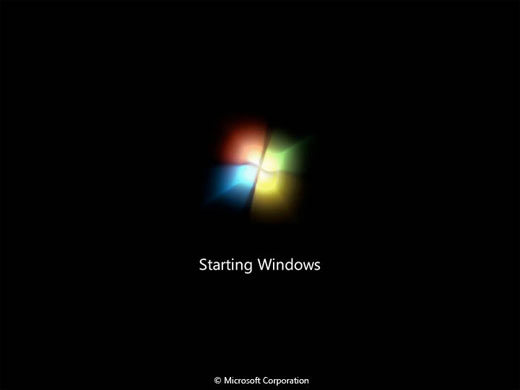
... Windows 3.0, a radically improved (and much prettier) version of Microsoft's graphical interface, which still ran on top of MS-DOS. It came out in 1990Photograph: MicrosoftIt was with an apparently incremental (in version number) release, Windows 3.1, that things really took off. This one sold millions in its first months of release, in 1992, despite the questionable drop shadow effect on the titlePhotograph: MicrosoftThe assumption was that that would quickly be displaced by Microsoft's own bright new hope, Windows NT, which in August 1993 got rid of all the nasty MS-DOS underpinnings. NT meant 'new technology', although the long development time led some to suggest 'Not There' would be more appropriate. They did fix that drop shadow, thoughPhotograph: MicrosoftWith Windows 95, the hoopla stepped up on to another level entirely - Microsoft marked its launch by paying to have the Times given away free for a day, and buying the Rolling Stones song Start Me Up. It was the first consumer version of Windows for which one didn't have to buy a copy of DOS - although there was still one lurking underneath. And aren't those clouds pretty?Photograph: MicrosoftWindows NT 4.0, released in 1996, gets a more businesslike dark sky. Companies liked it so much they kept on using it for years after its vulnerabilities were common knowledge among hackers.Photograph: MicrosoftWindows 98, an incremental development from 95, is marked with an incremental development of the start screen - from ordinary clouds to some kind of alien-object-breaking-through-the-atmosphere effect. The Microsoft logo disappears again from the top right – abducted by those aliens? And yes, still MS-DOS underneath.Photograph: MicrosoftIn February 2000 came Windows 2000, the next version of the business-ready NT platform: the Microsoft logo is back, corporately enough. But clouds are definitely outPhotograph: MicrosoftIn September 2000 home users got a friendlier, slantier version of the same logo, plus a dash of patronising script font, for their 'Millennium Edition', widely agreed to be the worst version of Windows ever inflicted on the wider public. It's still MS-DOS underneath, thoughPhotograph: MicrosoftWindows XP, released in September 2001, brought the NT underpinnings to the home market. (There was also still a more expensive professional version, shown here.) At last, after 16 years, it was free of MS-DOS's underpinnings – though not of the "blue screen of death" if it crashedPhotograph: MicrosoftWindows Vista, released in January 2007, was the shiniest version yet. Too shiny – and consequently slow – for many users, who also struggled with new security features intended to protect them from the vulnerabilities of every previous version of Windows. Some turned them off in frustration.Photograph: MicrosoftThe start screen for Windows 7, coming out October 2009, combines humility with a hint of 'light at the end of the tunnel'. Microsoft – and users – will hope that it's not an oncoming train in the 24-year-long journey from a blue screen to a black one.Photograph: Microsoft
Sign up to read this article
Read news from 100’s of titles, curated specifically for you.